William Thorup

Illustrator, Motion Graphics Designer, Animator, and VFX Artist

Category: Atari

  • Atari Jaguar – Cover Art & Packaging for Last Strike

    Atari Jaguar – Cover Art & Packaging for Last Strike

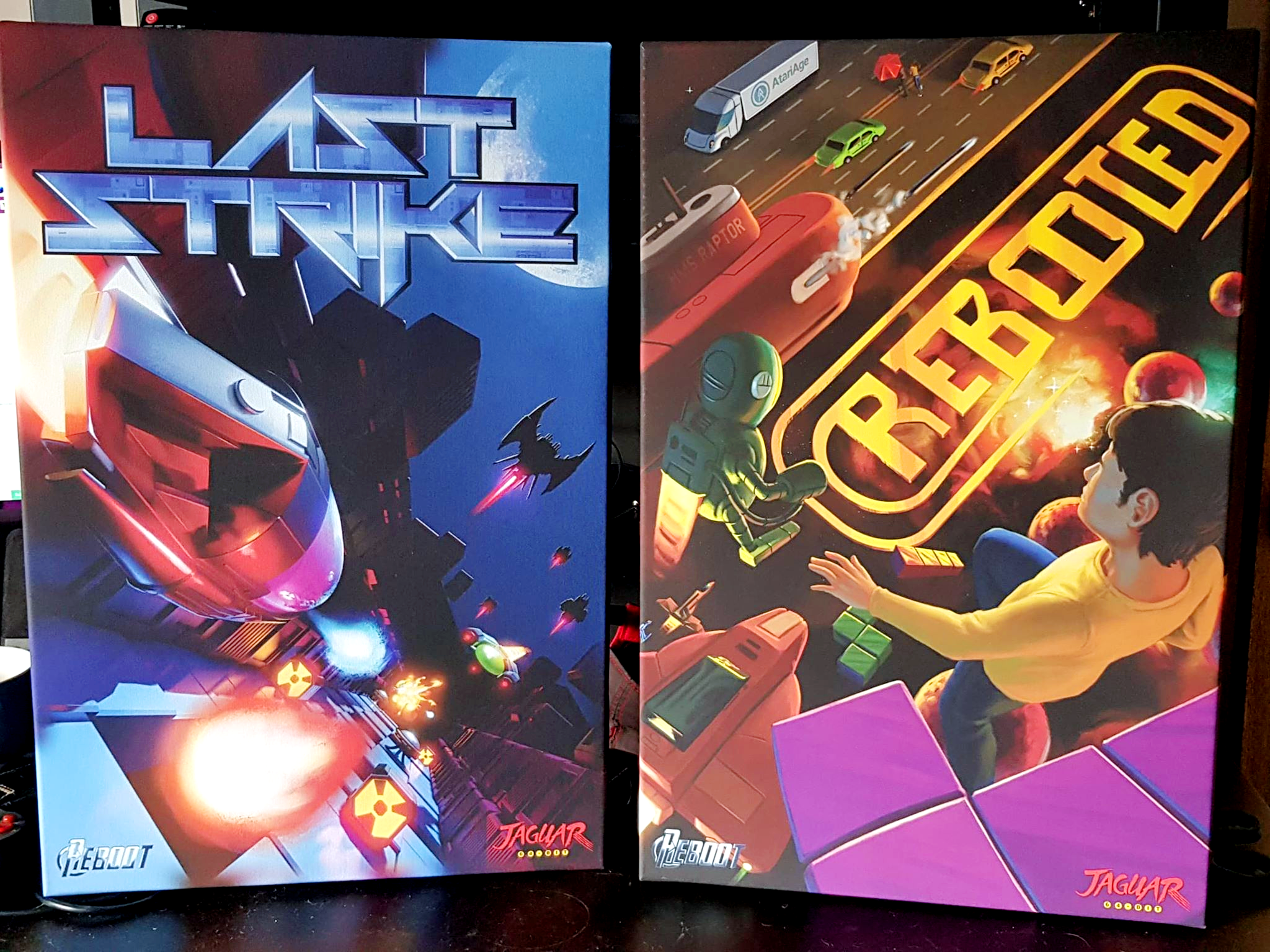
    With customers on the verge of finally getting their copies of Last Strike, I thought I would do a post on a bit of the background on how the packaging for this great piece of Atari Jaguar homebrew came together.

    Digging through 3 years of emails, it’s interesting to see how much you tend to forget on these long term projects. My involvement with Last Strike started with helping Albert at AtariAge in 2018 with some banner artwork for his booth for Portland Retro Gaming expo.

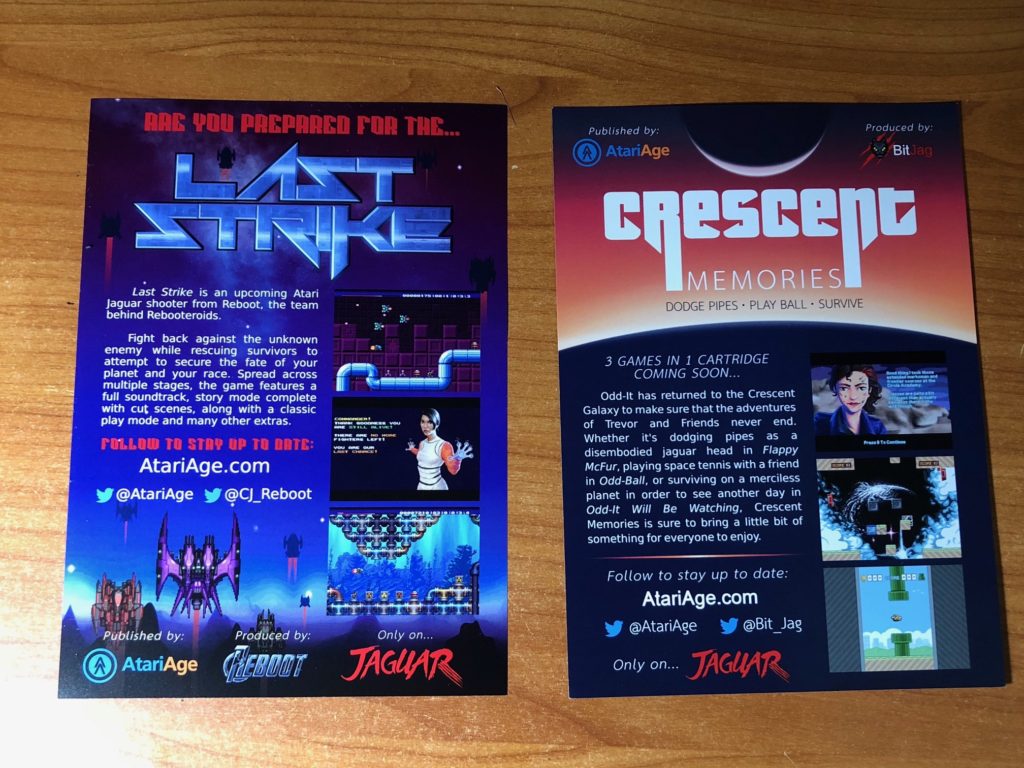
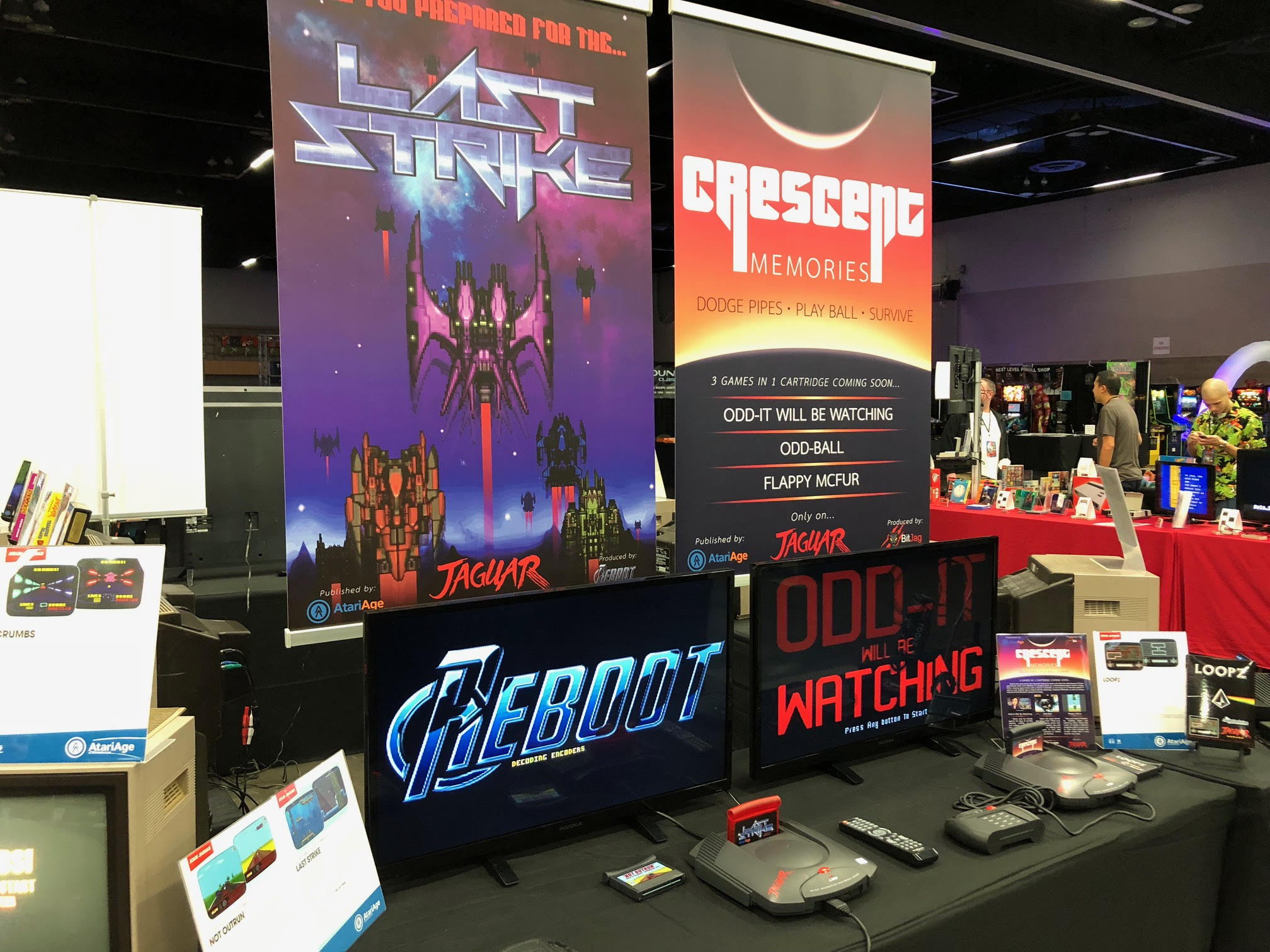
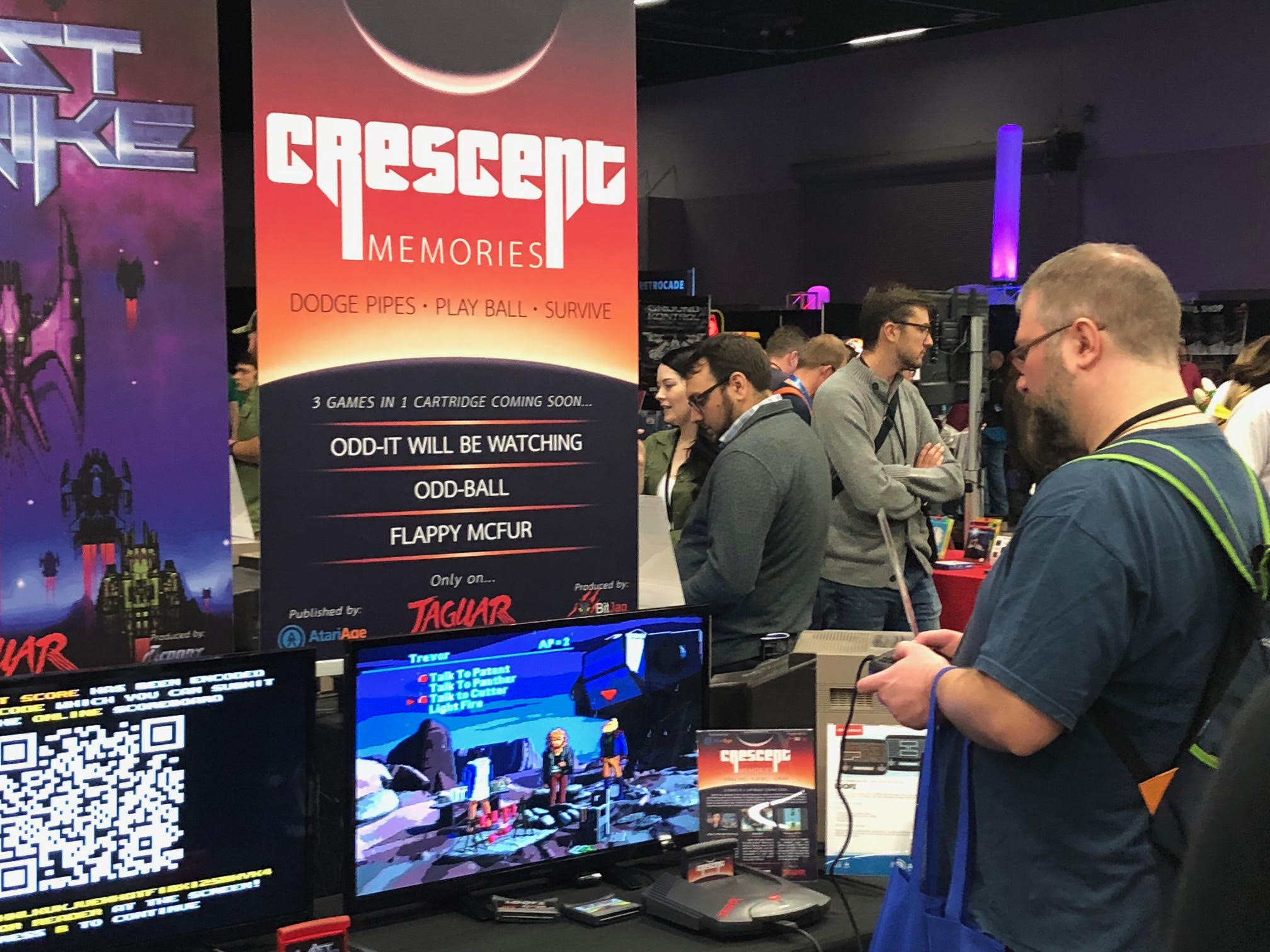
    I have actually never see these booths in person, and with the lockdowns, that chance may not come any time soon. Based on pictures posted by AtariAge though, it’s an honor to have some of this quick graphic design work show up at conventions where thousands of people get to see it. Along with the banner, I had put together a flyer that was available for pick up by potential AtariAge customers. Last Strike was printed back-to-back with the flyer for BitJag’s Crescent Memories game. The sprite artwork for the spaceships is from https://opengameart.org/.
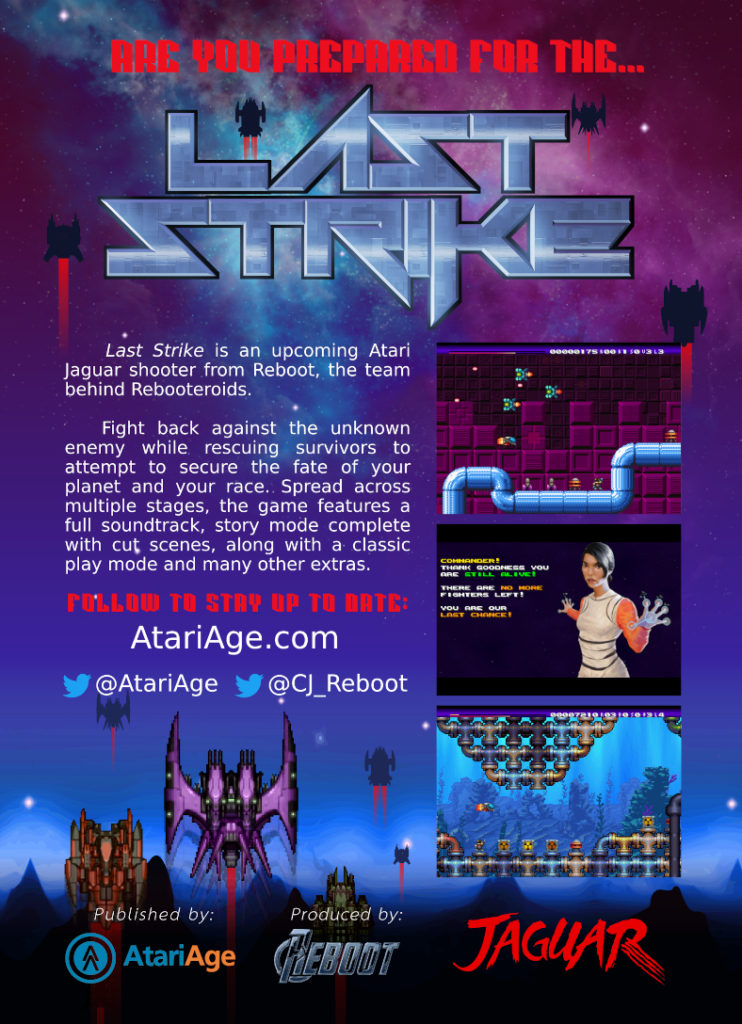
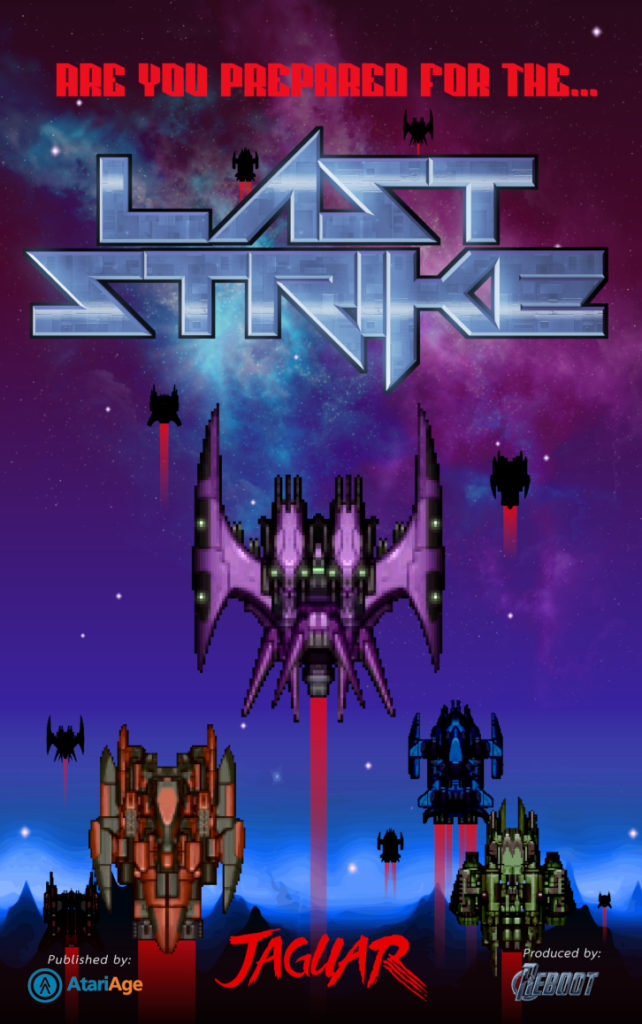
    After the convention wrapped up, along with the holidays, work started on the cover art for Last Strike. April 2019 is when the emails started, along my usually first step for work like this. Thumbnail sketches.

    I decided to bypass pencil sketches and go directly to color sketches. A couple reasons for this. Reboot didn’t have much in regards to direction except for pointing me towards previous content generated for marketing and assets for the game. This makes picking a color palette fairly easy. Just stick to what is used in the game and the banners/flyers that were used for Portland Retro Gaming Expo.

    For the content and composition of the boxart, I decided to take inspiration from other shooters. One in particular was used as inspiration, and that was the cover art for Raiden on the Atari Jaguar.

    Raiden’s box art takes a very simple but effective approach of extreme perspective to create a good sense of depth and movement. With the nose of the aircraft pointed towards the obstacles that the player must face in the game they are about play, we are given a good tone for the game without needed to plug and play.

    With these thumbnail sketches I decided to take the compositional ideas and translate them into something new for Last Strike. I also decided to play with a few different camera angles to see if the client might want something not quite on the beaten path.
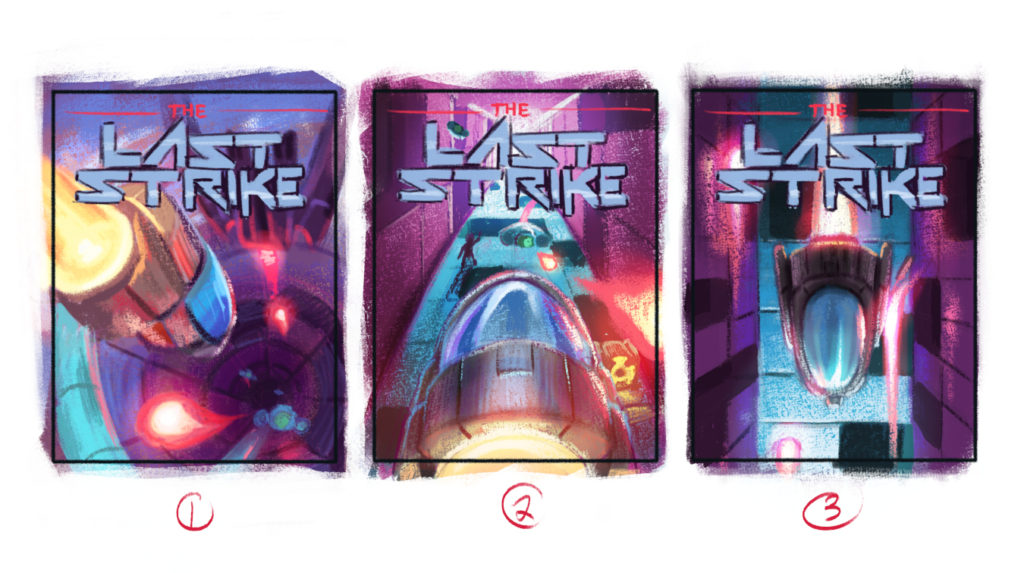
    After a few suggestions for changes the first thumbnail was the direction chosen. Before moving onto the final illustration, and because of the feedback, I decided to do a one more thumbnail sketch. Working in the adjustments and to refined the composition accordingly.

    Along with this new sketch, I was also needed to look forward to how this might look on actual product packaging. I had developed some templated 3D renders for testing artwork on for previous projects I have done for Jaguar games. I felt that we were far enough along with this final sketch to get a good feeling of what the final cover art and overall package would be like.
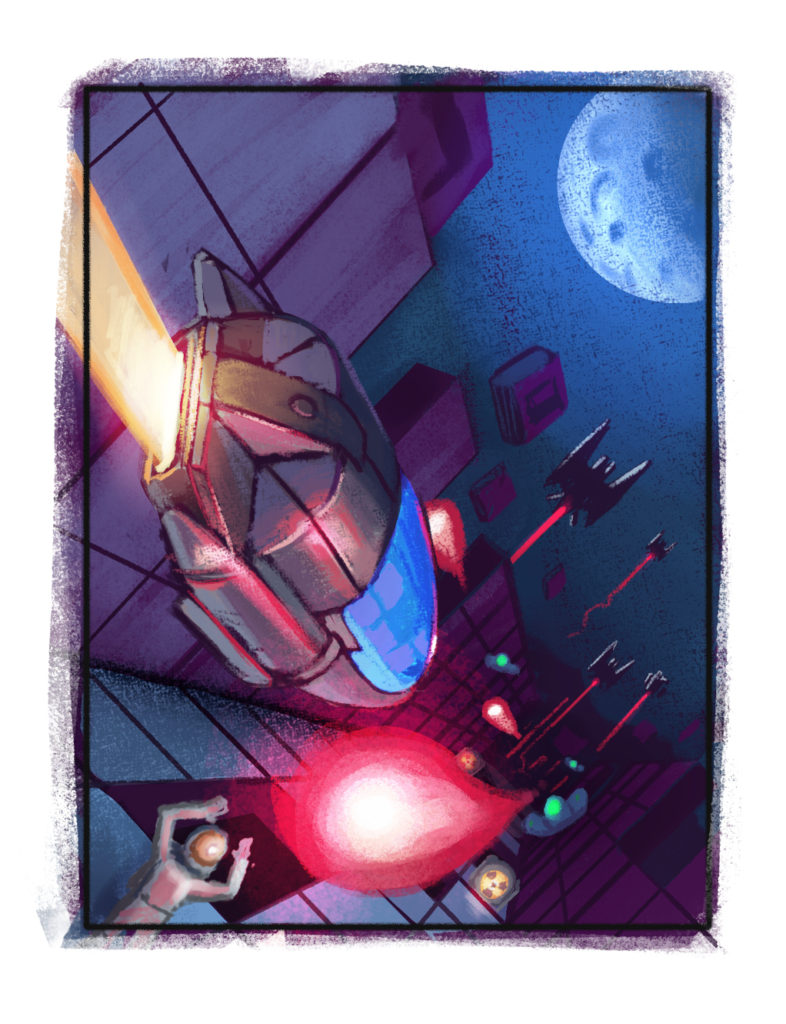
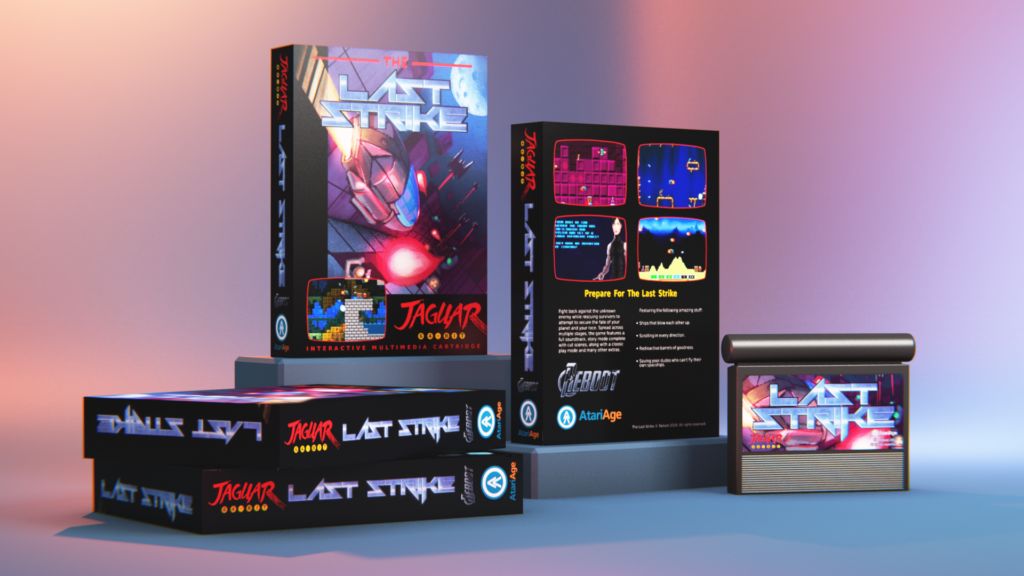
    With a go ahead for the artwork and confidence that the cover art would work well for box, manual, and cartridge label, I moved forward to the final illustration.

    I decided not to go with a strictly painted process and instead decided to use Blender to generate a pre-rendered base to work from. Building the models for the ships, the corridor, and other objects ended up taking up as much time as it would have taken just to paint them from scratch in Krita. But I believed that starting with a very clean and synthetic base to paint from would lend itself to the sci-fi feel of the game, while still giving me the freedom to add more organic edges here and there. Organic things like the people, blasts of energy, and the moon, contrast in form and silhouette with the more refined edges of the walls, floor, and ships. Creating a nice tension that plays well with the action of the scene.

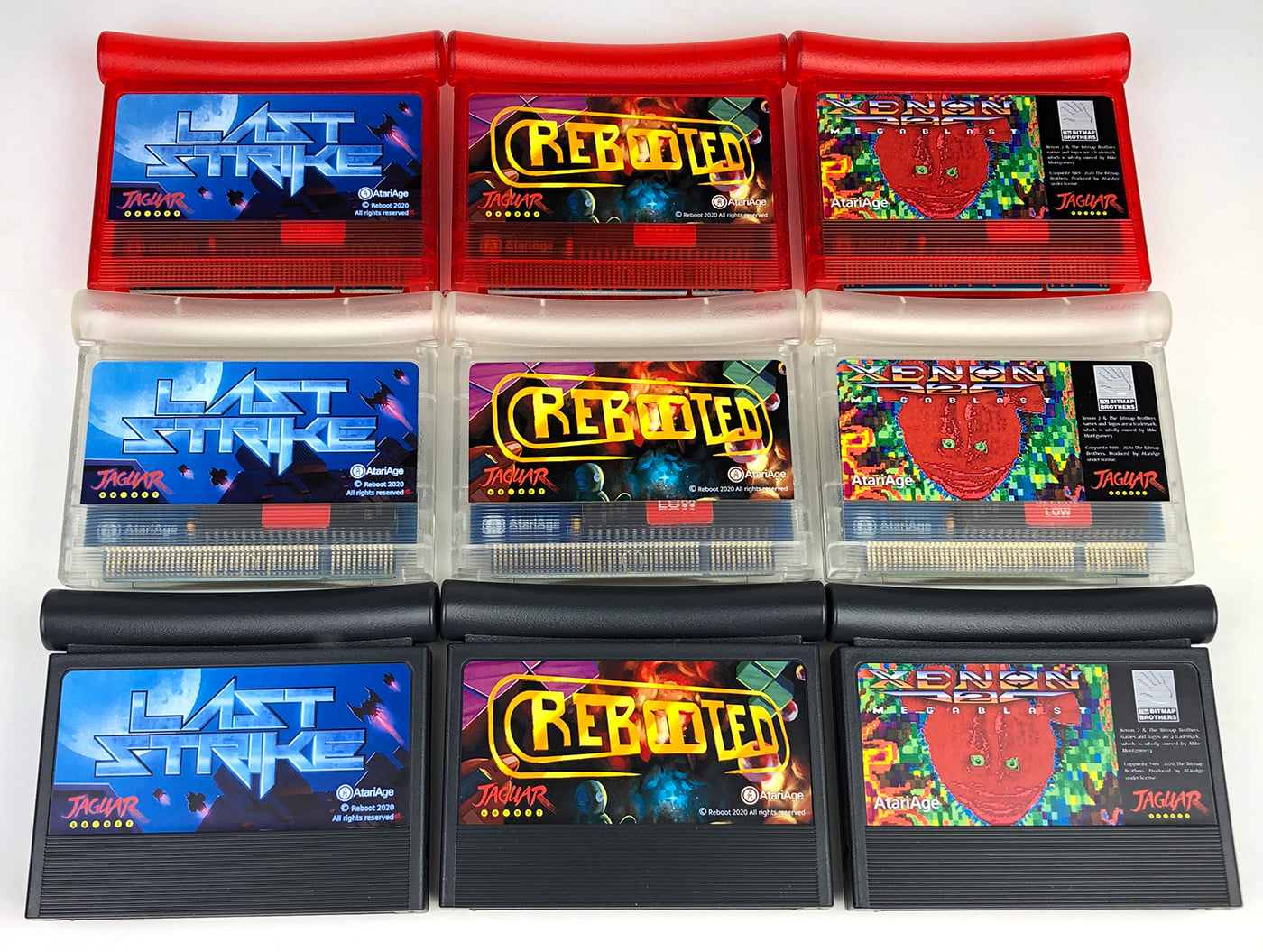
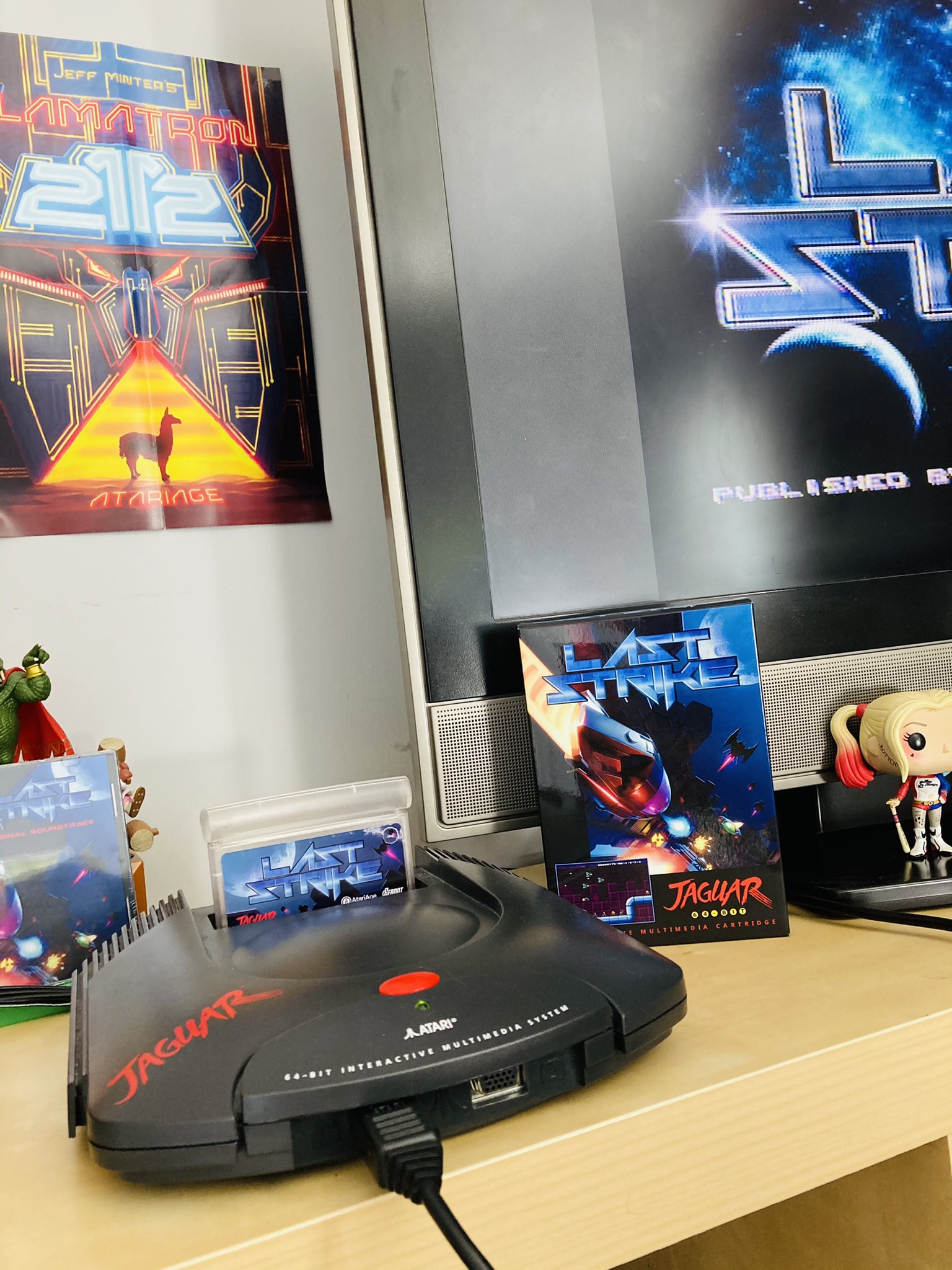
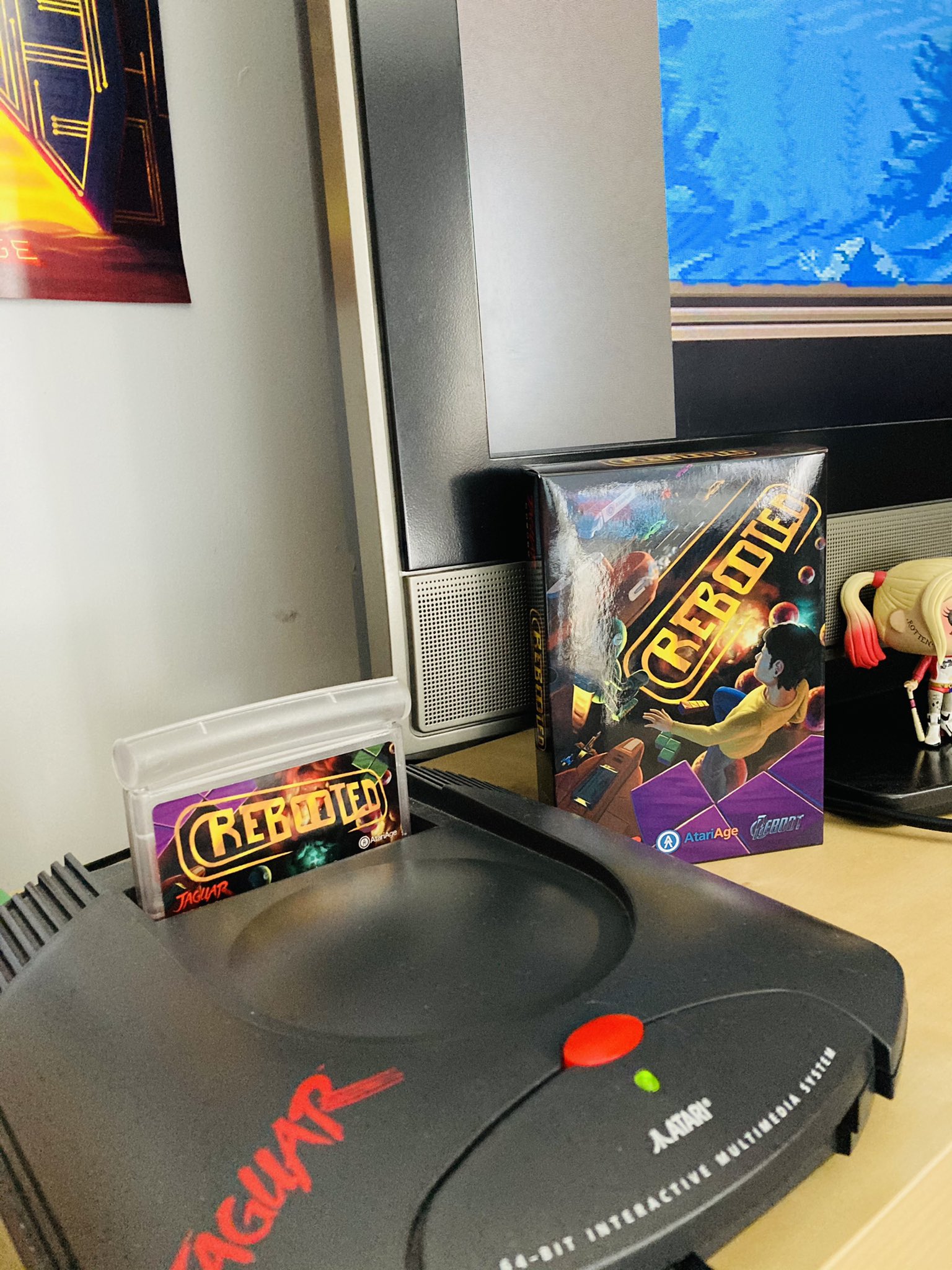
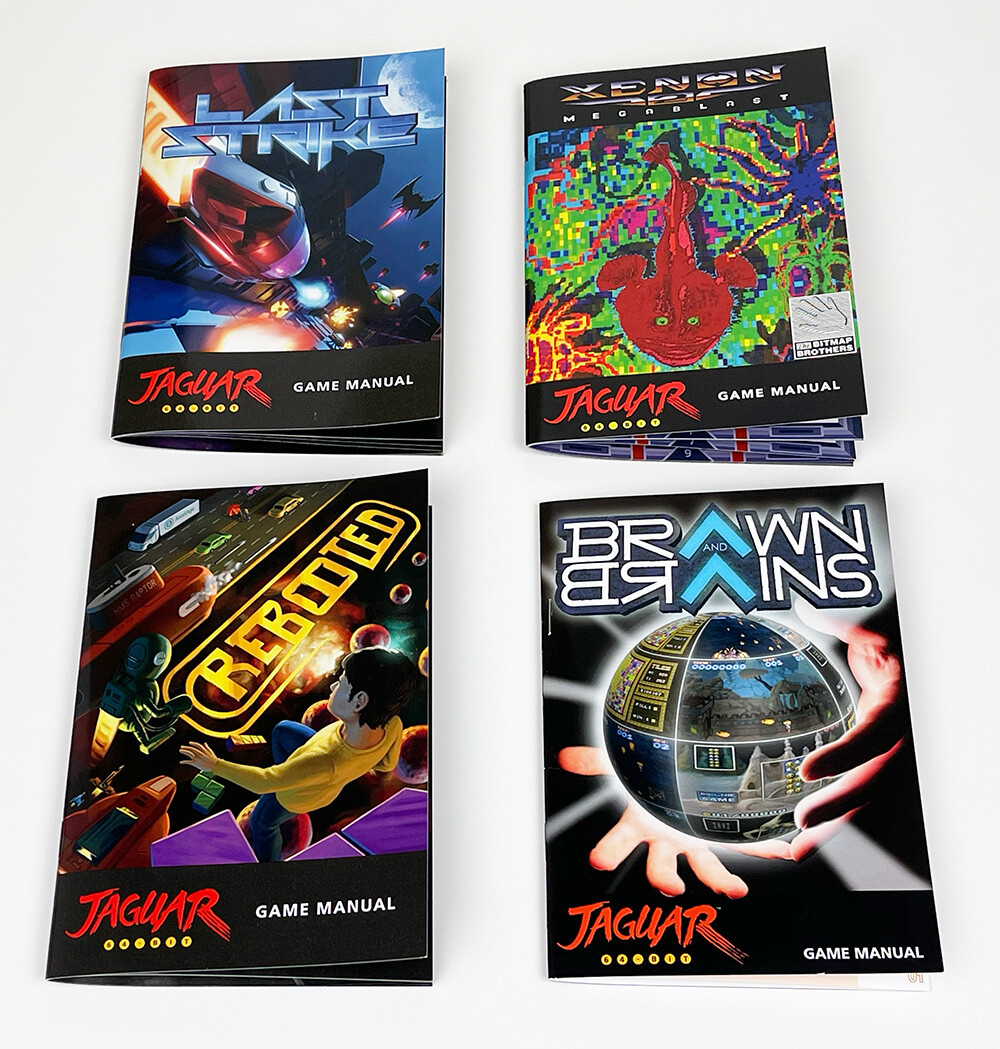
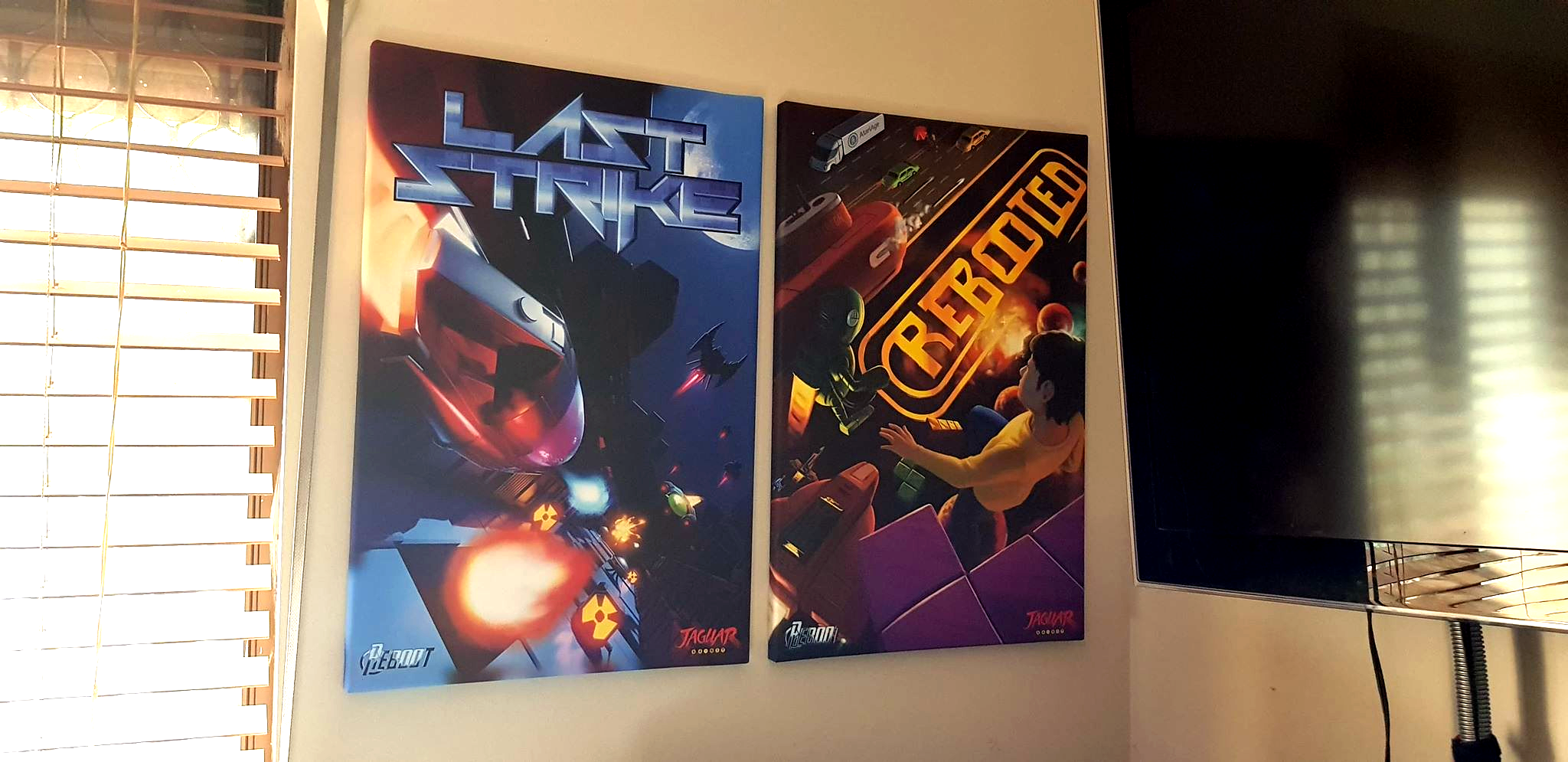
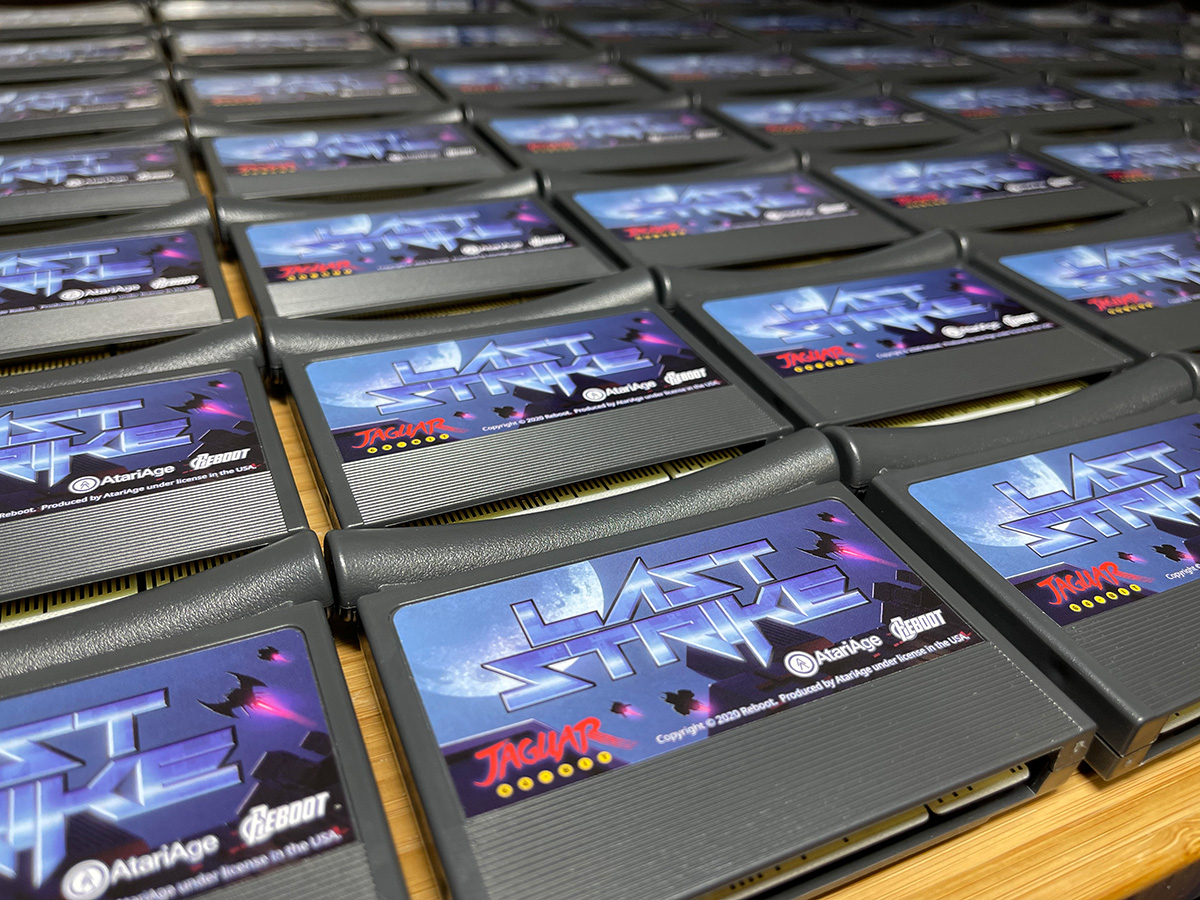
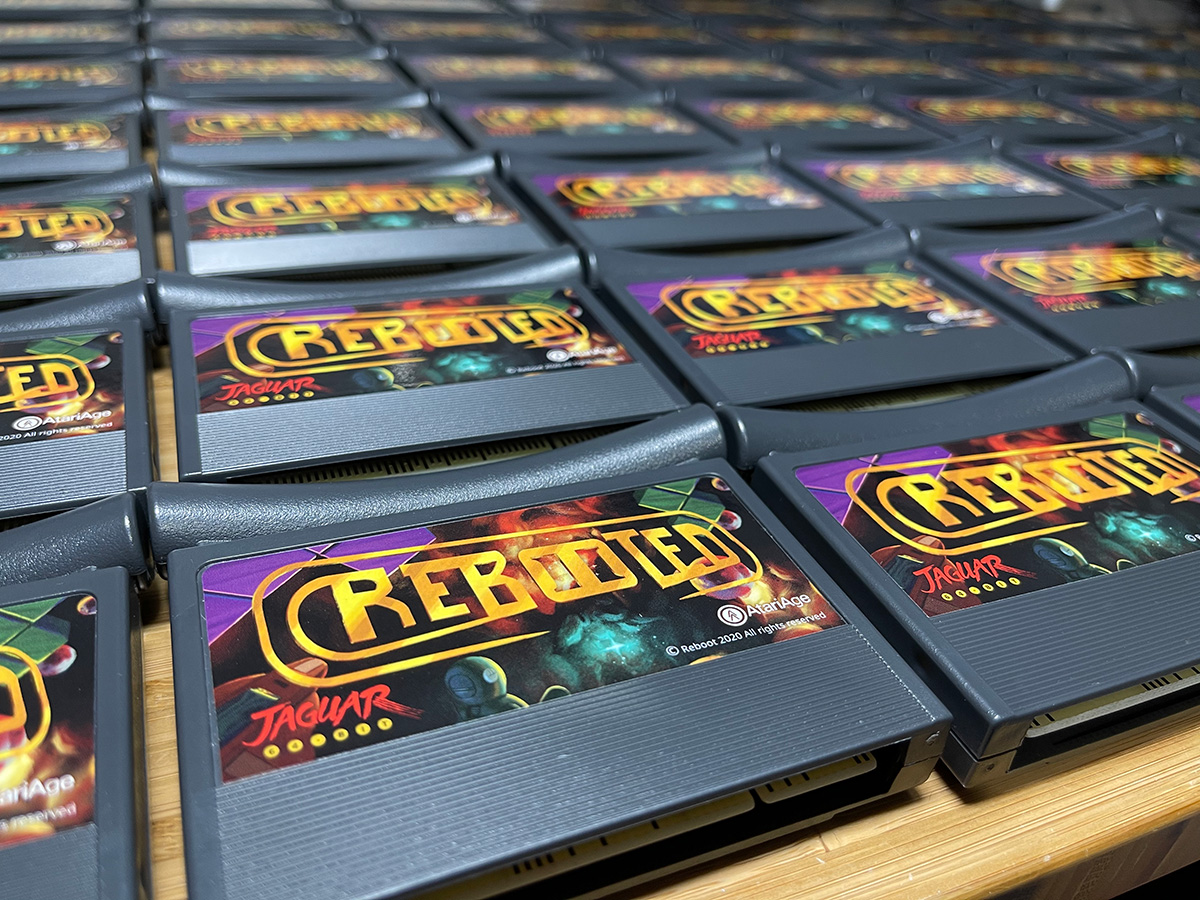
    I want to avoid posting final artwork here, but here is a render of that same 3D template that was used in previous steps of this process along with a time lapse of the process after the final thumbnail sketch was produced. Along with the box and cartridge label, I also assembled the manual for the game along with some basic cover art for the CD soundtrack. Also below are some pictures taken by Albert of AtariAge, Lawrence from Reboot, and a few people on Twitter who have already received copies of the game.
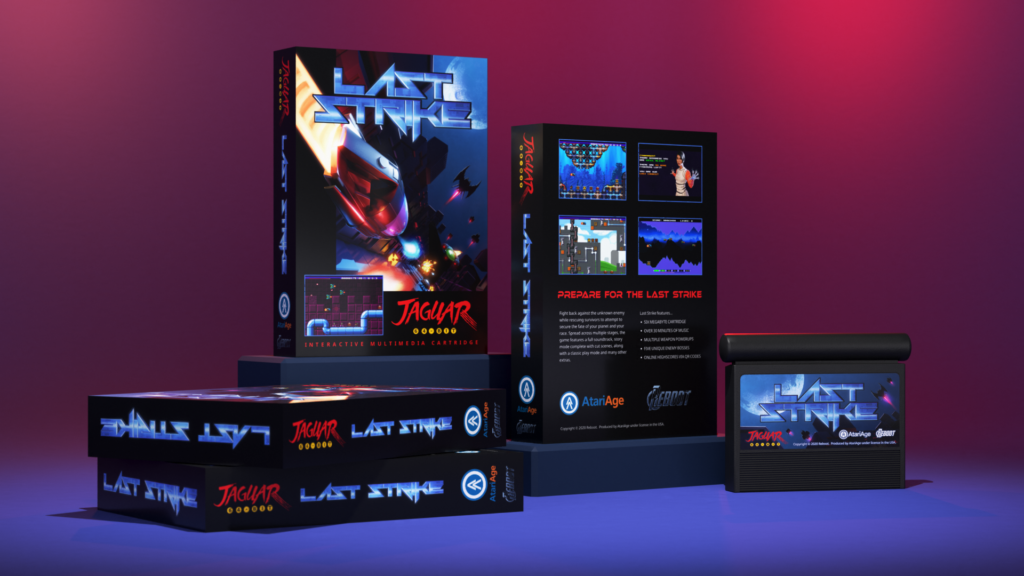
    I did have the opportunity to play the game during play testing. I want to avoid doing a lengthy review, since I am sure the game has gone through some changes since then, and my unavoidable bias due to my involvement. I do highly recommend the game if you like shooters though. In regards to variety it is much better than Raiden, but it is not quite as serious in tone. Having a fun edge to it, along with some good boss fights, it’s definitely worth adding to the collection. It gave me strong vibes of Blood Money for the Atari ST, one my childhood favorite games. Reboot knows how to make fun, high quality release, and it was great to be a part of that.
  • Atari Consoles | 3D Illustrations

    Atari Consoles | 3D Illustrations

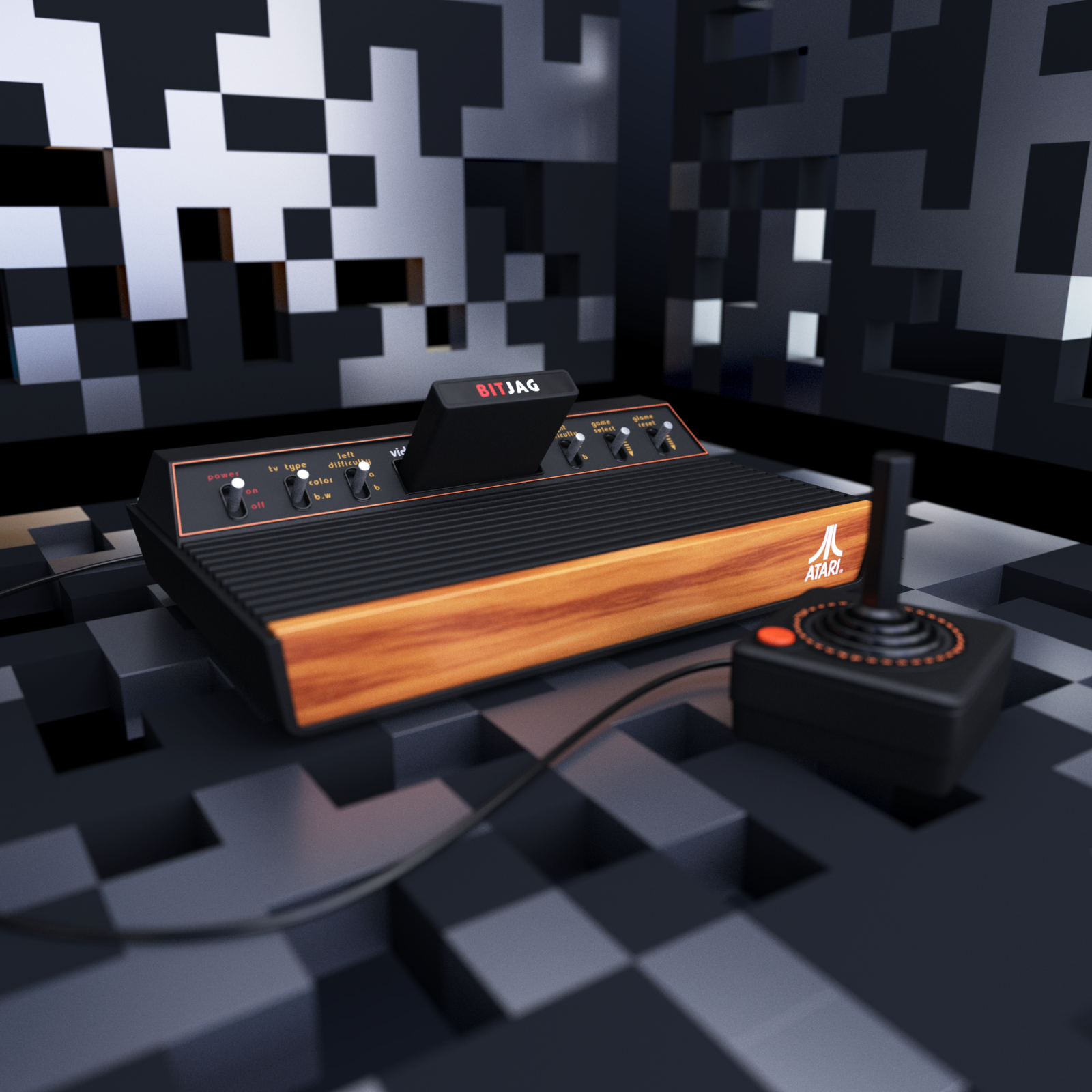
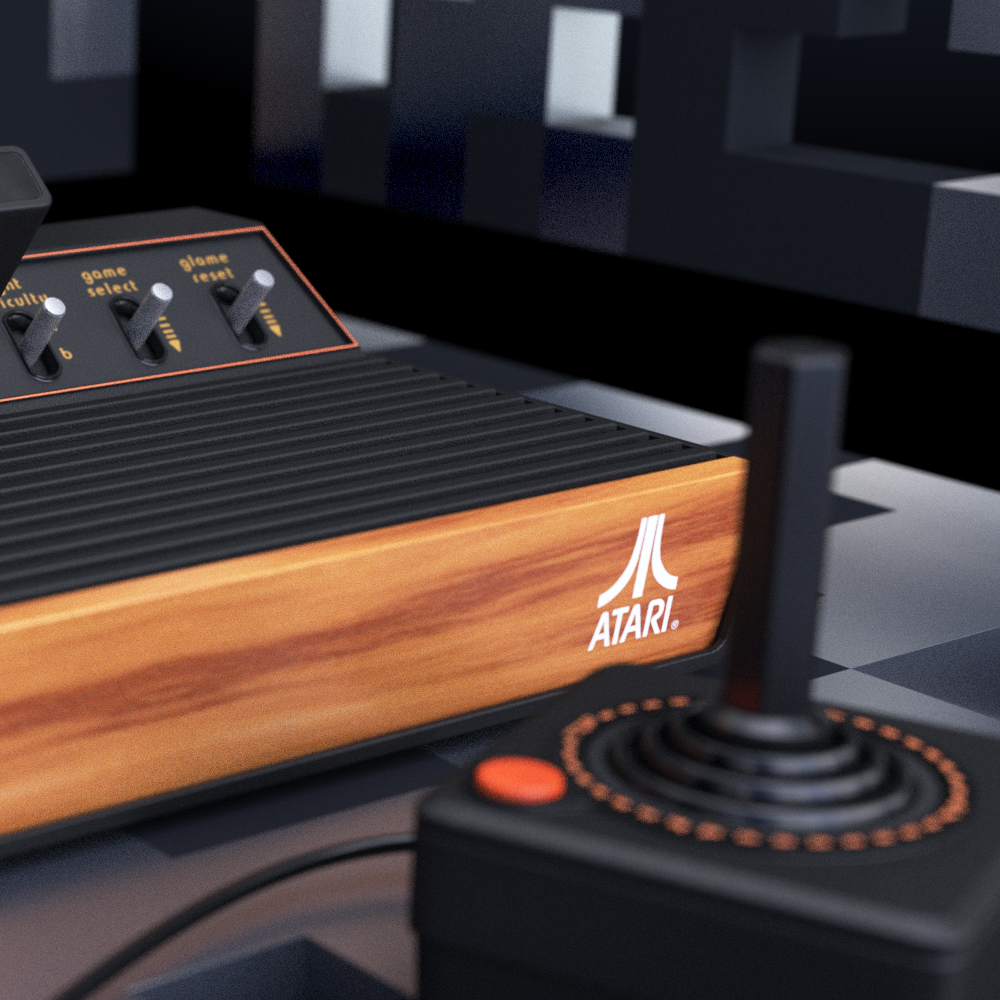
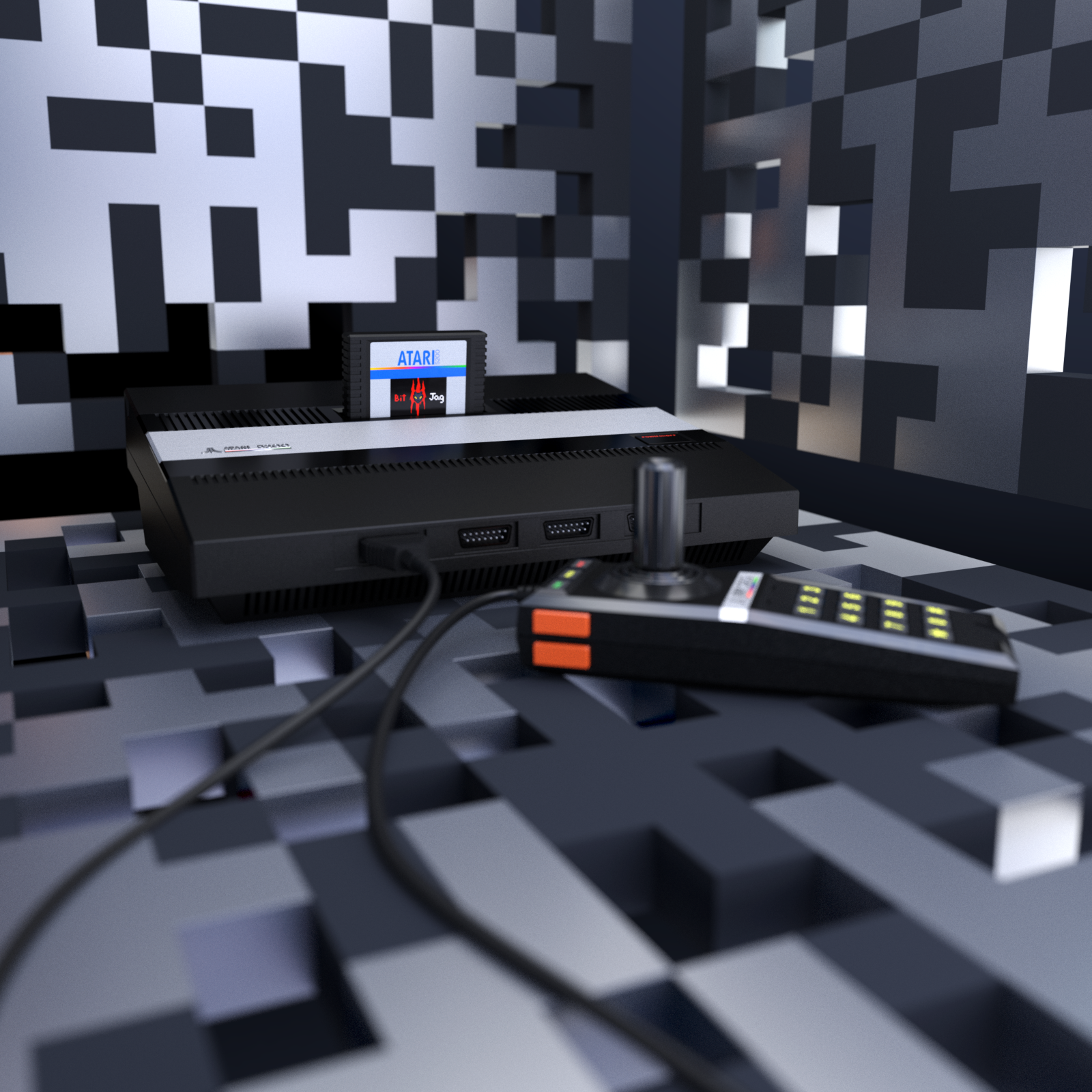
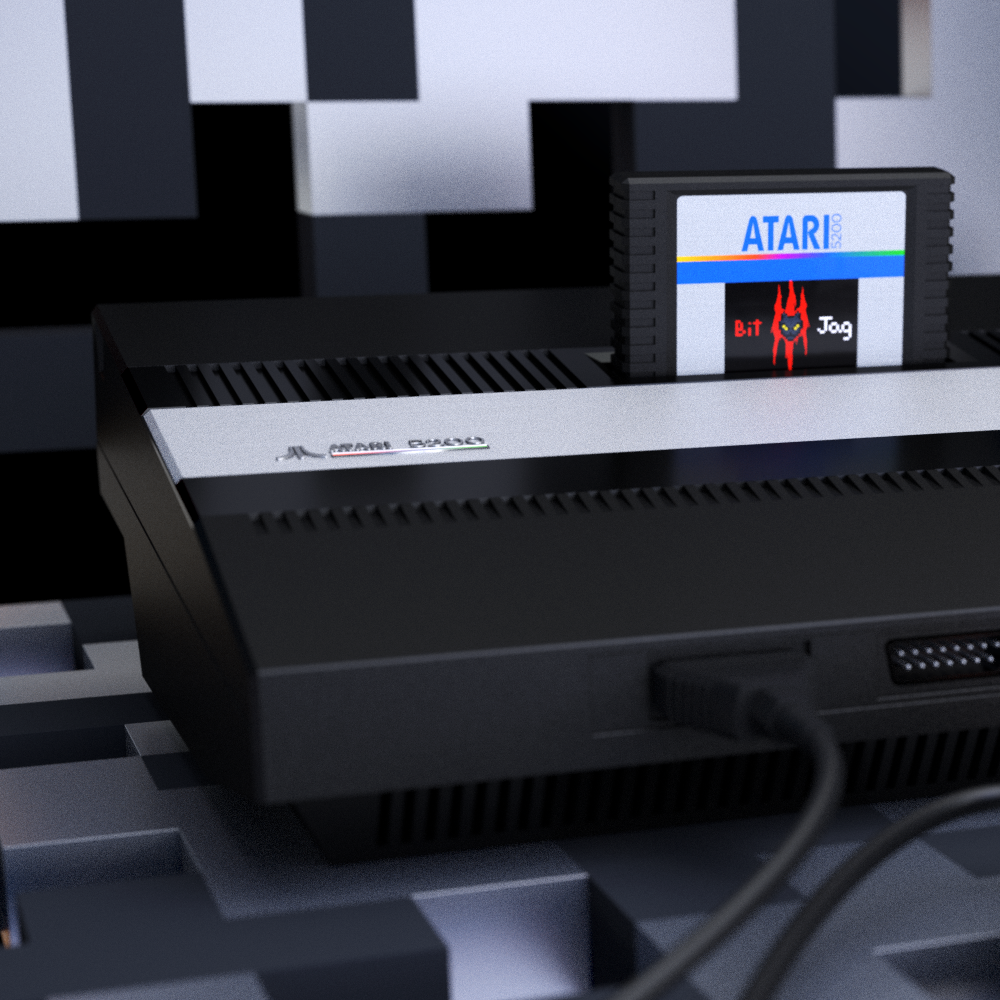
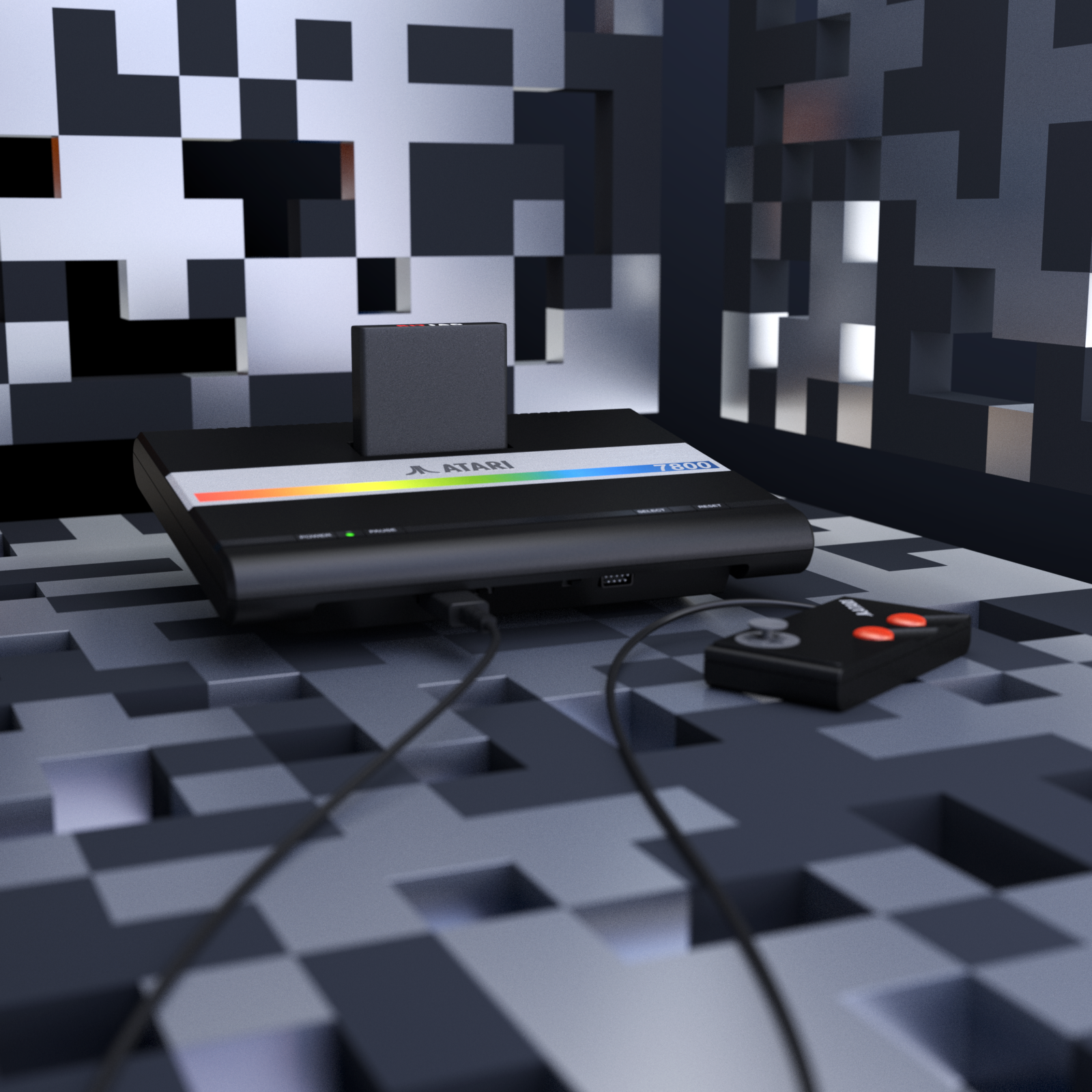
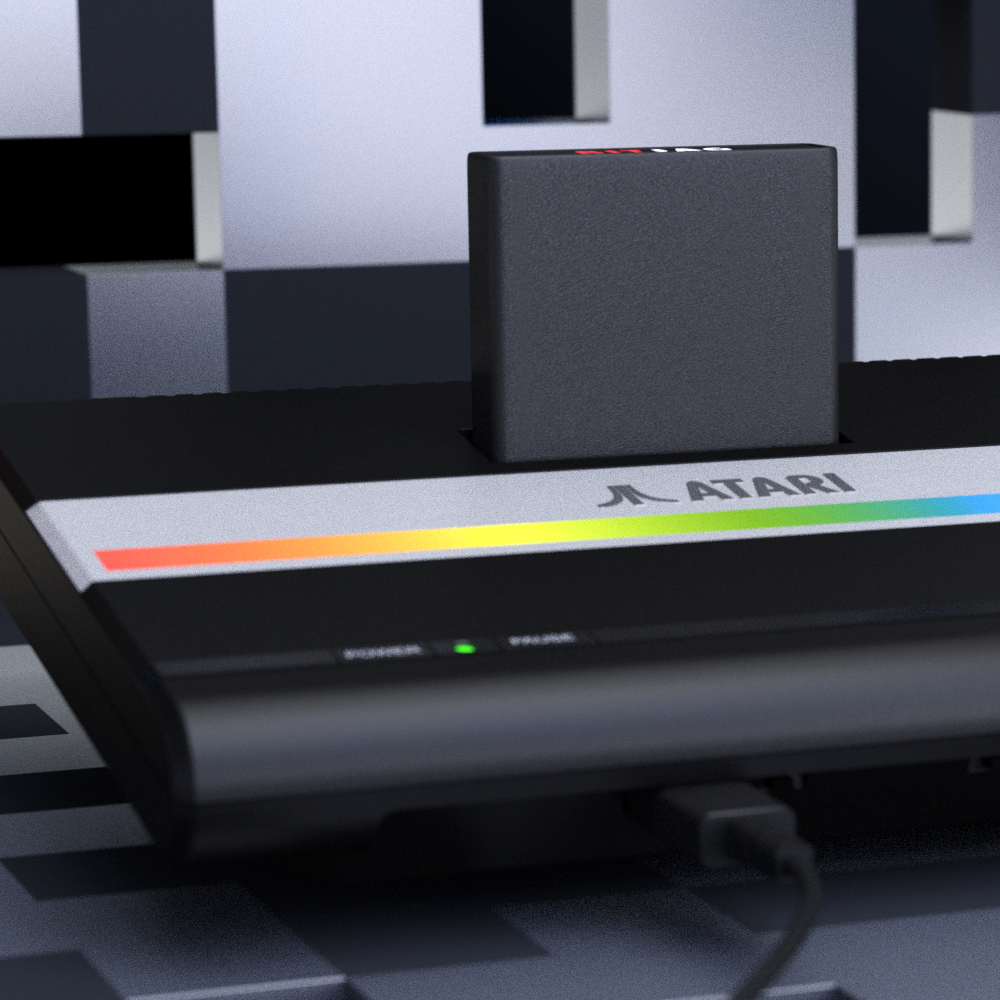
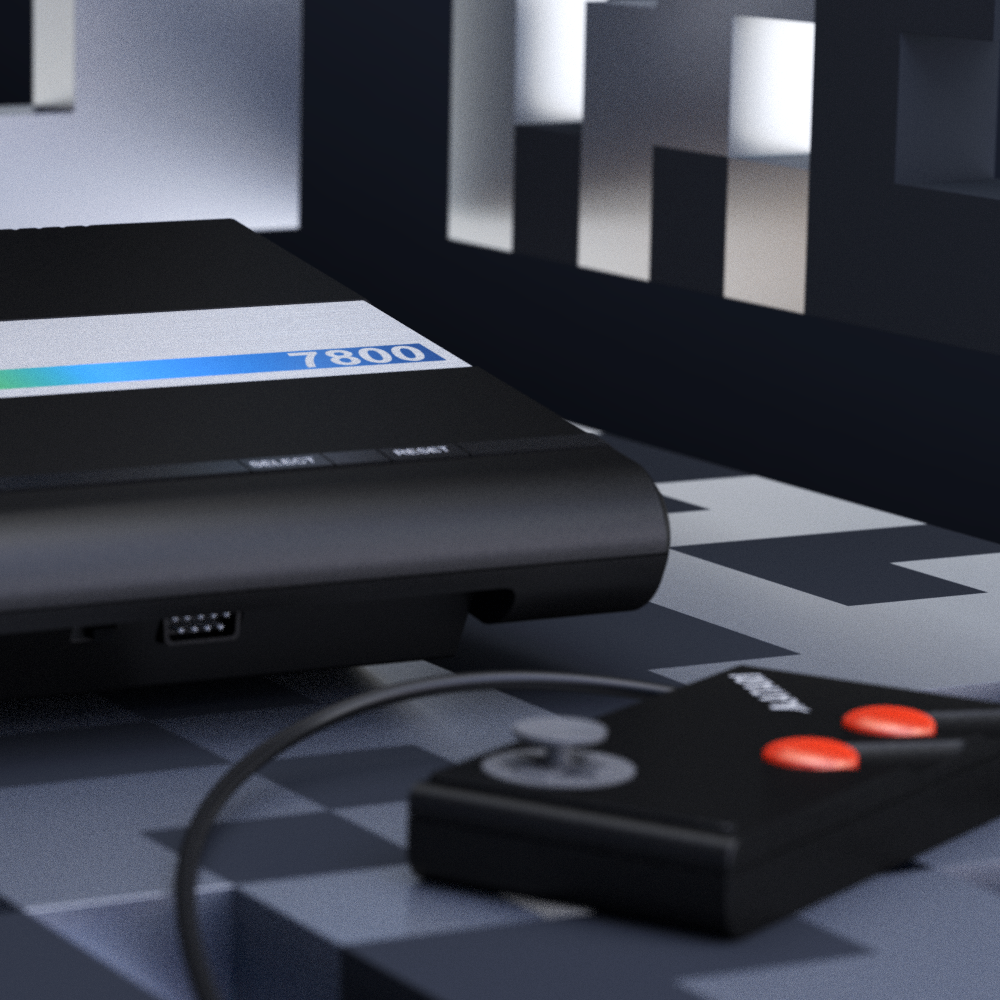
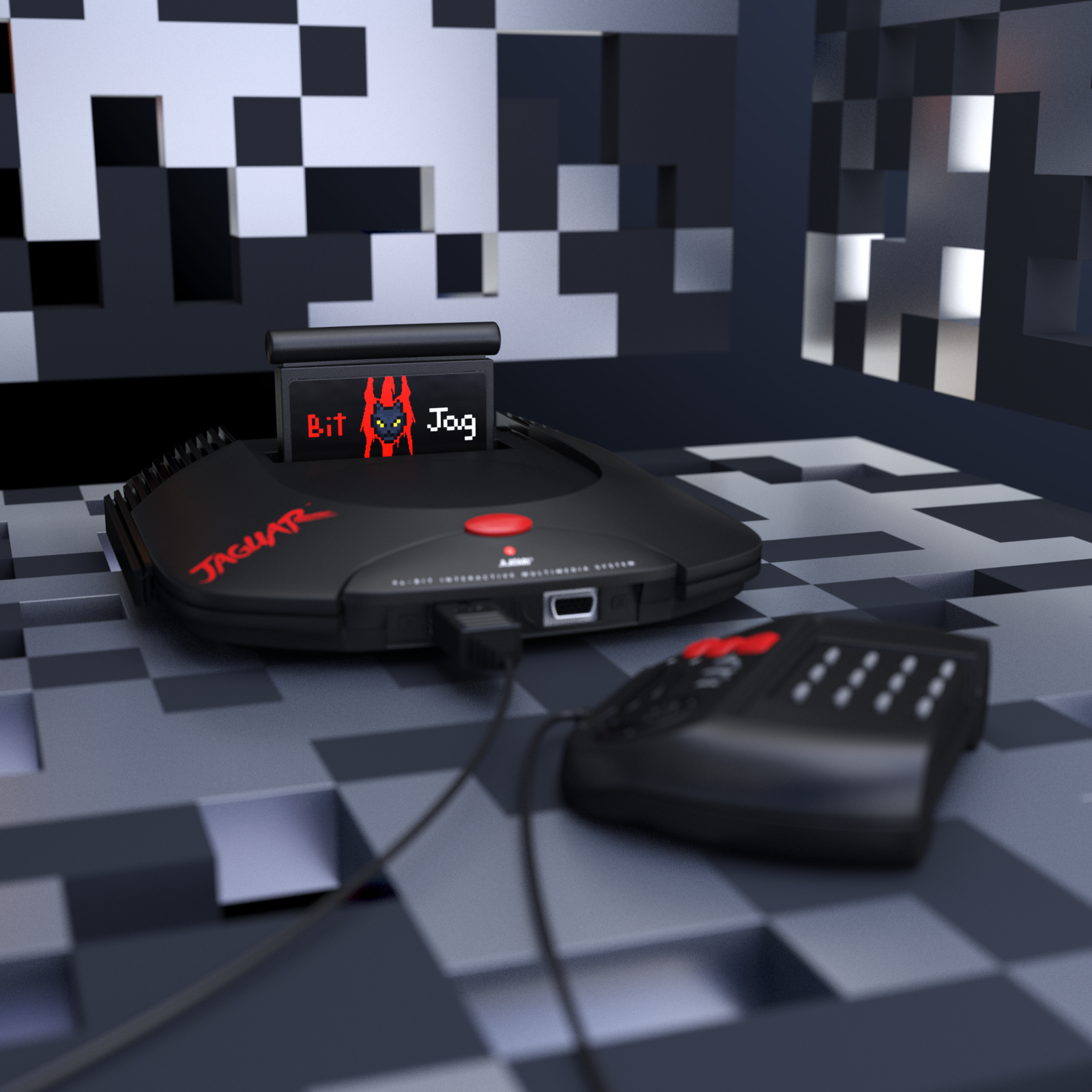
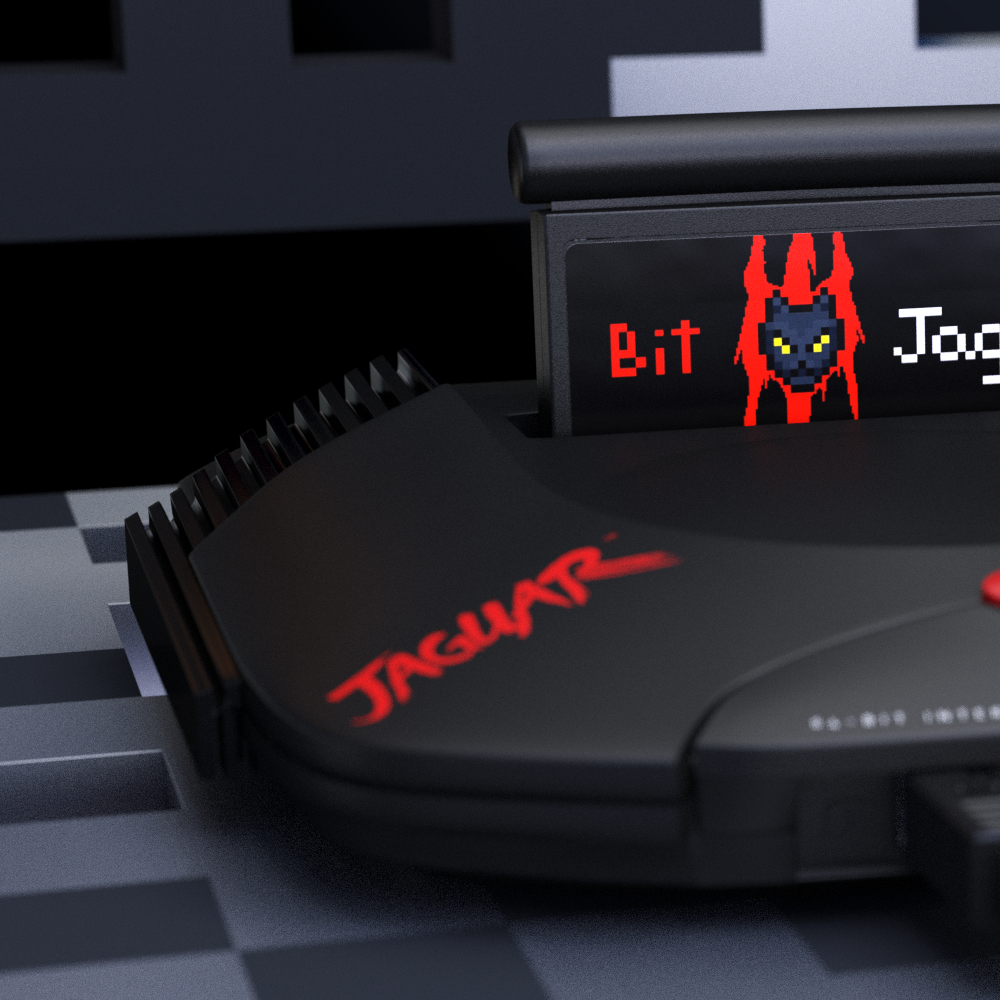
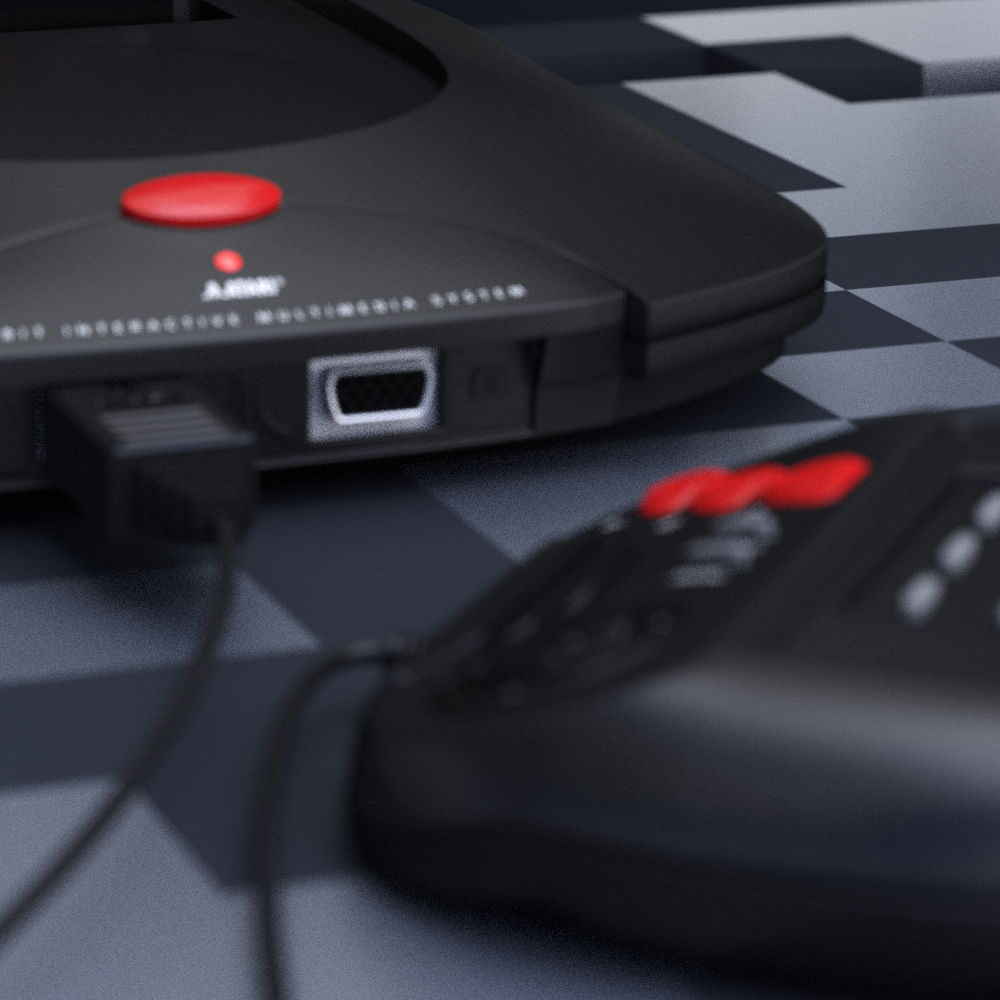
    These have been a long time coming. A set of 3D renders in Blender for (almost) all of Atari’s classic gaming consoles. Atari 2600, 5200, 7800, and Jaguar consoles. I have had an Atari Jaguar model for years now. I have used that for past videos for JagCorner and BitJag, but I have also used it as a tracing aid in some of my illustrations. For example, my 2016 Inktober book | Atari Propaganda.

    Why Model These Old Consoles?

    As mentioned, I have used my Jaguar model for my video work and illustration work. I also want to produce illustrations for everyone of these consoles eventually, and even approach video work for myself and others. I eventually want to get to the Atari Computer line (400, 800, ST), and the Atari Lynx, but that will have to wait for another day.

    Another reason for modeling these consoles is that I don’t get to do this kind of work very often. Pure modelling, from real or photo reference. Most of my work entails some highly simplified character design, to basic symbols, to title motion and visual design.

    Notes About My Approach

    Since I only own two of these consoles, the Atari 2600 and Atari Jaguar, coupled with the goal of creating a realistic facsimile, this presented a unique problem that I haven’t approached before. Having to model from poor photo reference, and extrapolating form and textures from that bad photo reference.To combat this, I forced myself to keep the geometry as simple as possible. This had advantages, and a few disadvantages.

    The biggest advantage was relatively minimal time spent. Each model from start to final render took about 4 hours a piece. Because I was building all geometry, materials, and textures from scratch, I knew I could spend more time than I would want if I didn’t adjust my approach to avoid spending unnecessary time. The other advantage was that simple geometry forced me to get the overall form of the model as correct as possible. Things like angles of the form, proportions between the console/controller/cartridge, and materials all received special attention. So, even though the poly count is small, the final result would be attractive to those who see these shapes more often than I do, and are generally convincing to newcomers to these consoles.
    “Minimalism is nice when you want to get the big picture things right, but you can quickly paint yourself in a corner if you aren’t planning on moving into more geometry eventually.”

    The disadvantages? Even though most of the consoles are fairly minimalist in design, the Jaguar in particular require extra geometry to accommodate the hybrid of natural curves and angles that occur in its design. Both in the console and the controller. Minimalism is nice when you want to get the big picture things right, but you can quickly paint yourself in a corner if you aren’t planning on moving into more geometry eventually.

    The most obvious disadvantage is the limited polygon count. This keeps me from getting too close to specific parts of the these consoles for renders.

    Conclusion

    Modelling definitely falls into the same category as sculpting in clay or carving somethings. I enter a sort of trance or meditative state of mind. It is hard for me to justify the time to do this kind of work though. I will eventually get to modelling allot of Atari’s other hardware, but I will need to wait until I have work that justifies the time that will need to be spent to produce those models.

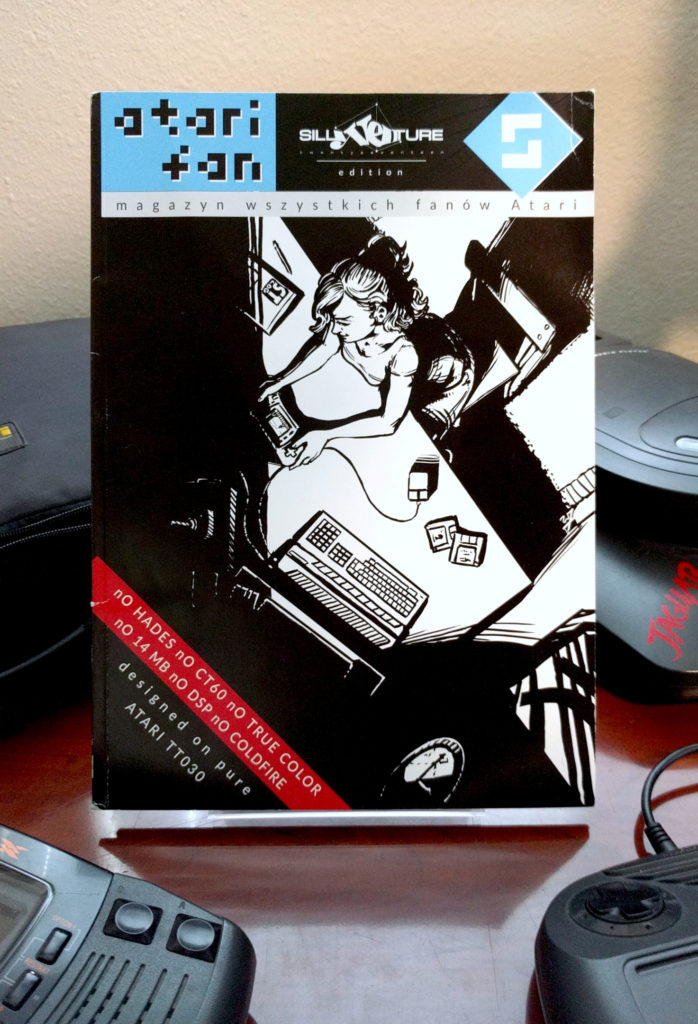
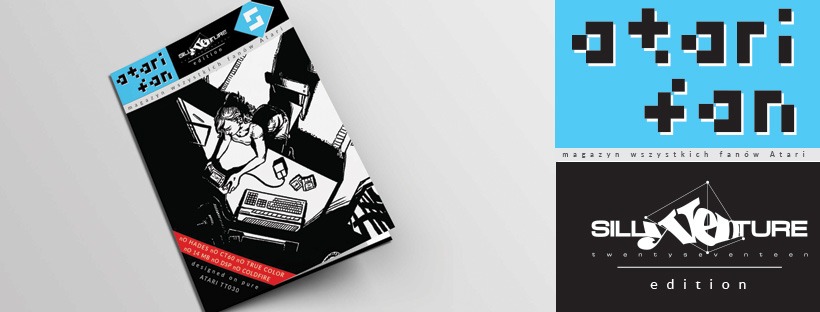
  • Atari Fan Magazine – Silly Venture Edition| Cover Illustration

    Atari Fan Magazine – Silly Venture Edition| Cover Illustration

    It seems that the Atari Propoganda artbook from my 2016 book is still making the rounds in Atari circles. The specific piece was from Day 2 of Inktober 2016 called “Play Late Play Lynx”. Which features a young woman after a long day of work, illuminated by the light of her Atari ST monitor, as she takes a minute to enjoy playing the Atari Lynx. She might take some time to read some of the ST Log magazine she just got in the mail as well.

    Original Artwork Timelapse

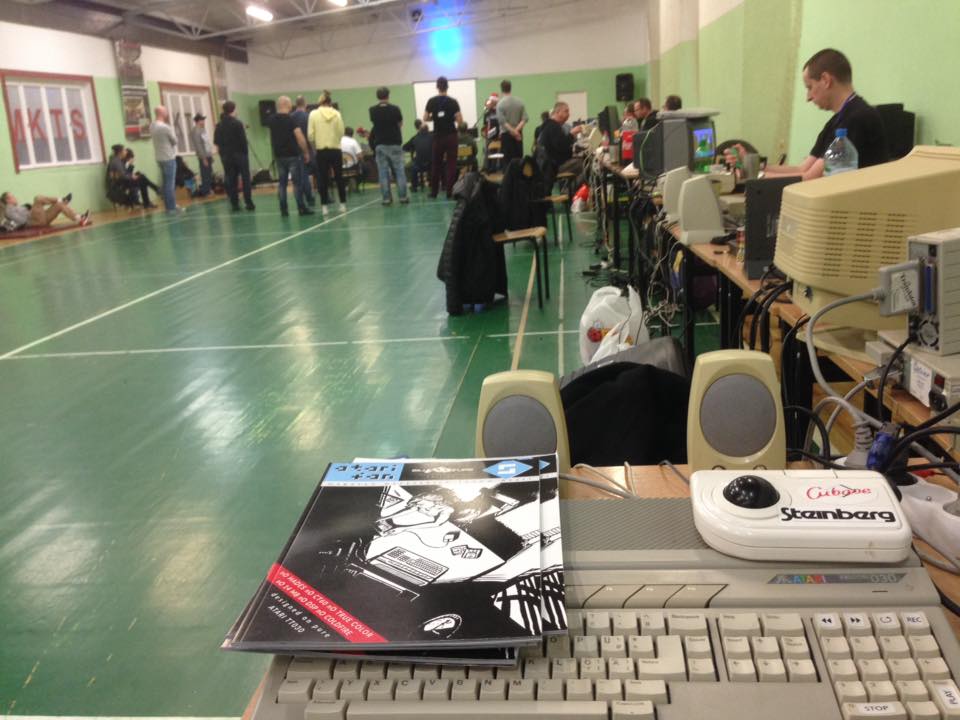
    An individual each year puts together a magazine for Silly Venture reached out for permission to use one my illustrations. I did another pass on the artwork to correct a few things that would make the piece more attractive and sent it to the printers. Fortunately, I did all the original pieces near an A4 aspect ratio, so I didn’t need to add or take away from the piece as a whole. This made it a drag and drop effort for the layout artists for this Polish language magazine.

    I didn’t have anything featured inside the magazine, but it’s good to see this artwork still resonating with people in the “classic” Atari community years, after the initial release of the Atari Propoganda Collection in 2016.

  • War in 1989? | Art & Voice In 30 Minute Diabolical Podcast

    War in 1989? | Art & Voice In 30 Minute Diabolical Podcast

    A fellow Atari Lynx fan and pod-caster Cujo (twitter @86Cujo) of the 30 Minute Diabolical Podcast invited me to stand with him. Lone 80’s saints, surrounded by the sheep demons of Nintendo. (A bit exaggerated, I know…)

    Cujo contacted me a few weeks back and requested a sound byte featuring the Lynx. Be sure to take time to listen to the podcast, it really is a good listen. My sound byte is near the end. I was also fortunate enough, and deeply grateful to the podcast, for featuring some of my artwork on the blog post page. This was a fun thing to be part of.

    For the record, I am not a Gameboy hater. In fact, one of my favorite games is on the original console. The Legend of Zelda: Links Awakening. Something I would like to make note about “The War of 1989” is something that I truly believe. That is, the “war” hasn’t really ended. With the current retro video game hype of recent years, this is even more true. I don’t argue the size of the camps, or the merits of each console as they compared in 1989, but instead I argue the more contemporary response of what many would deem as “outsiders” or the average person.

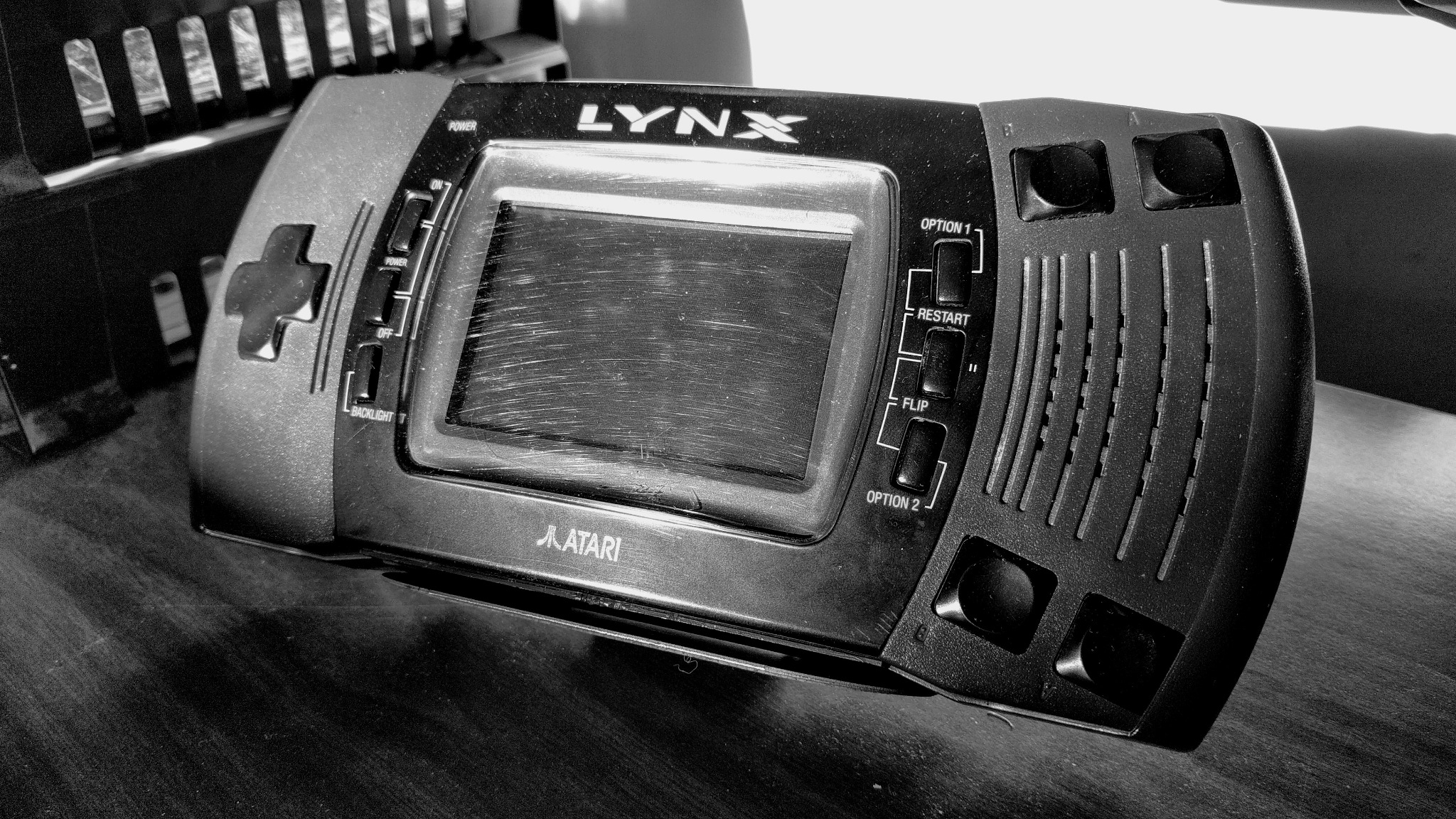
    When sharing my retro gaming obsession with others, particularly the Gameboy and the Atari Lynx, there is a noticeable difference reaction. When showing both side-by-side people talk about the nostalgia of the Gameboy, but as the party moves on, and exploration of the Lynx begins, the Atari attraction becomes irresistible for most. A true testament to the longevity that the Lynx, it’s power, it’s games has for the modern gamer. I believe that when compared over time, hardware to hardware, the Lynx didn’t win the battle, but it is winning the war. Just check out this awesome demo that just came out, and this Final Fantasy style game coming out soon.

  • RETROKOMP |  Cover Art, Inktober 2016 & Flappy McFur Articles

    RETROKOMP | Cover Art, Inktober 2016 & Flappy McFur Articles

    I reached one of my 2016 goals! Get my artwork published in a third party publication of some sort. That publication is RETROKOMP, a quarterly printed retro gaming/computing magazine out of Poland.

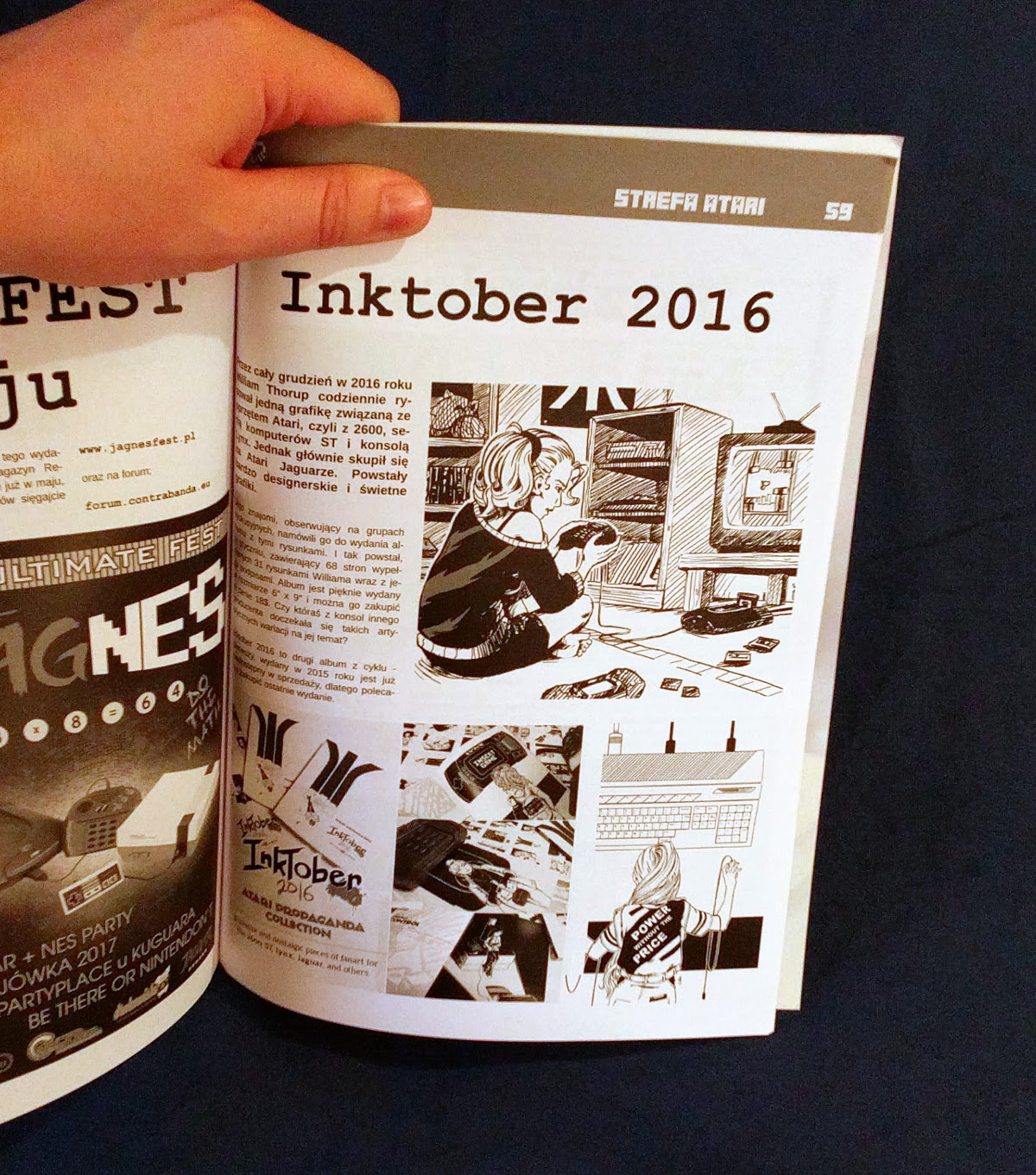
    A good fellow named Piotr contacted me and requested to use a piece from my 2016 Inktober Atari Propaganda collection for the cover of their Q2 issue. Eager to make the piece they requested look as good as possible, I made some slight alterations and polishes to the original piece, and then submitted my artwork, along with any other images they need for their articles.

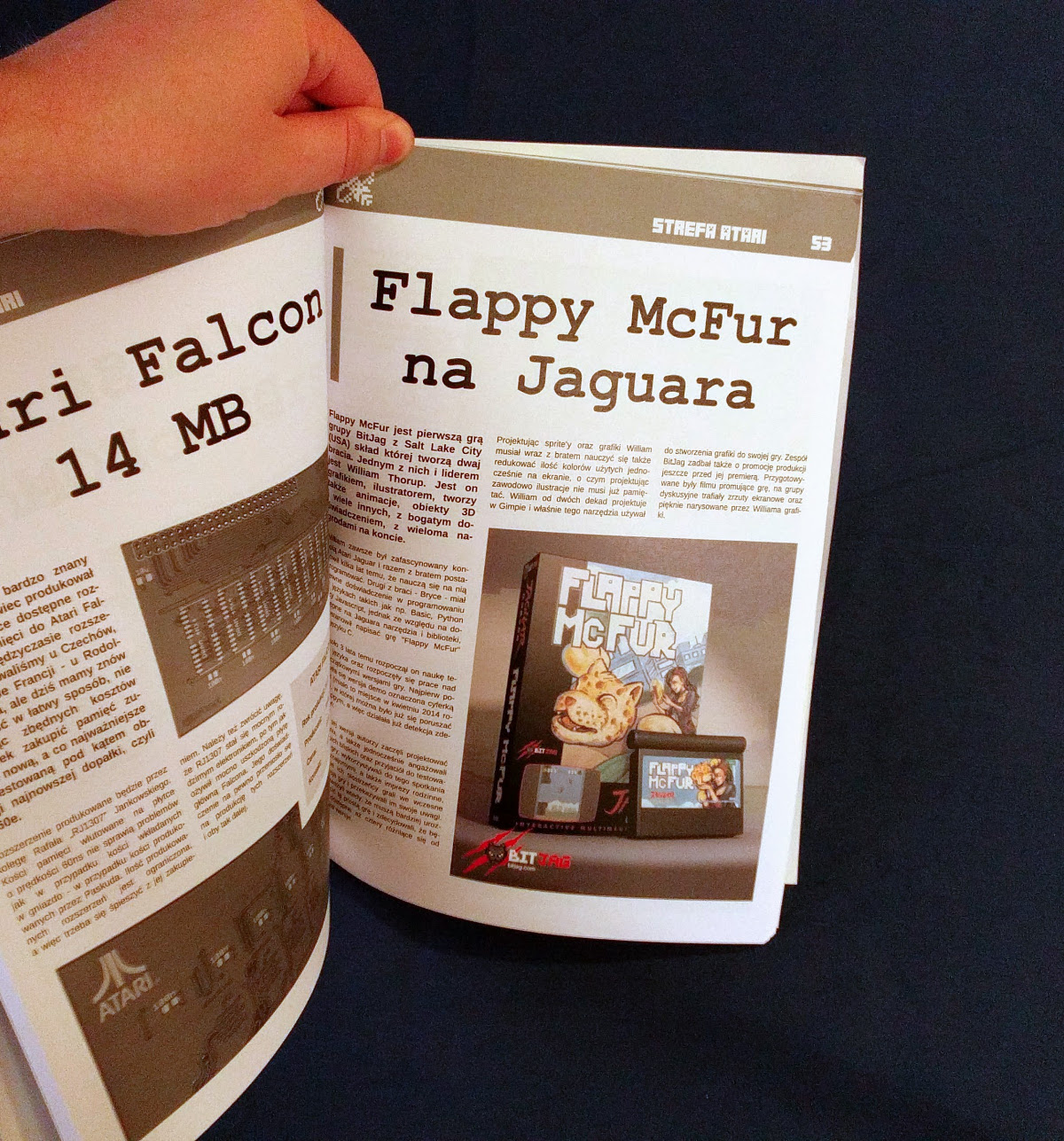
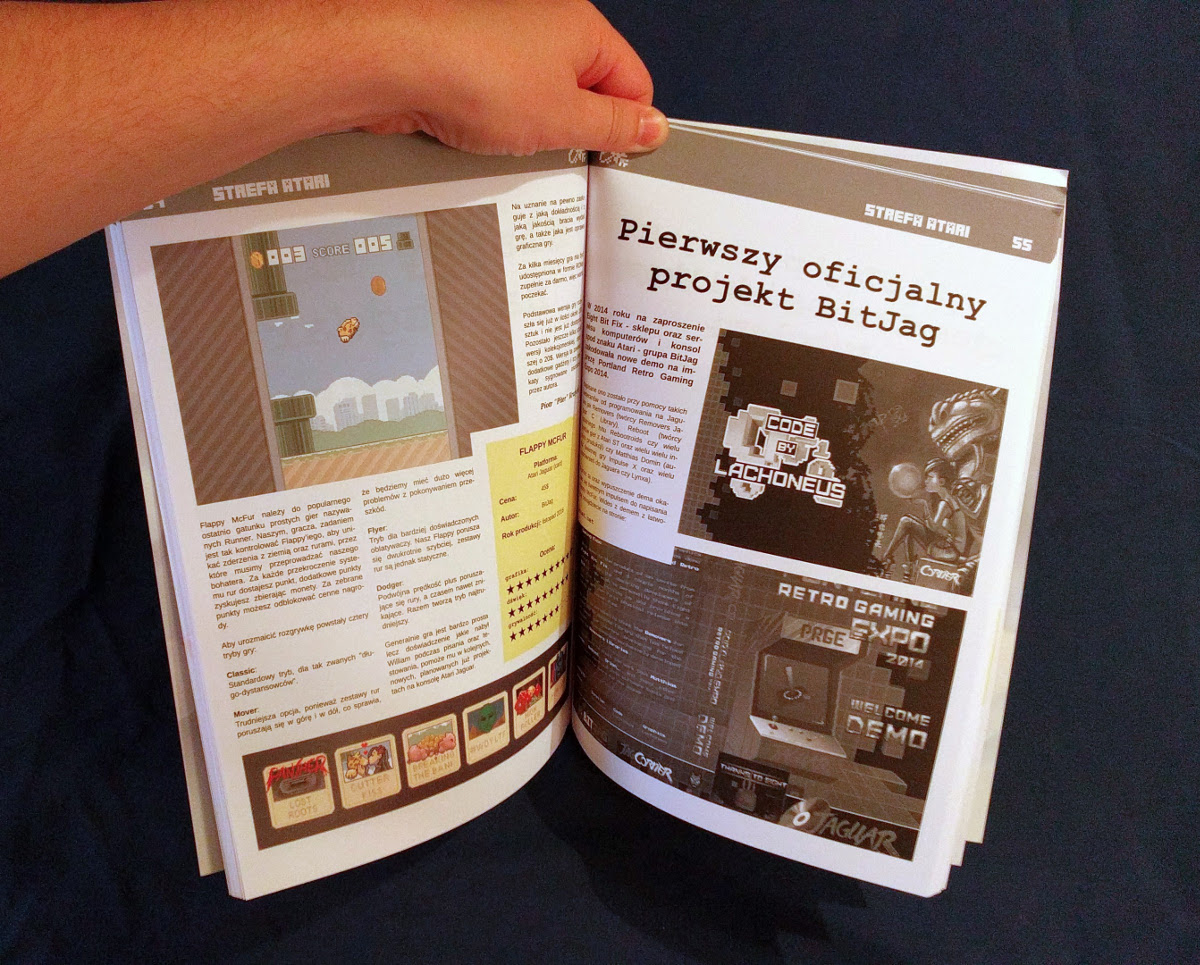
    Their articles featured my Inktober 2016 Atari Propaganda artwork, Flappy McFur, and some of BitJag’s on-going projects. Below are some images of the publication along with the articles. Too bad I can’t read Polish, I hope they aren’t ripping into my work. Either way, I am incredibly thankful for the opportunity, and can’t wait to see where this publication goes.

  • Family Gaming with Atari | Traditional Art Commission

    Family Gaming with Atari | Traditional Art Commission

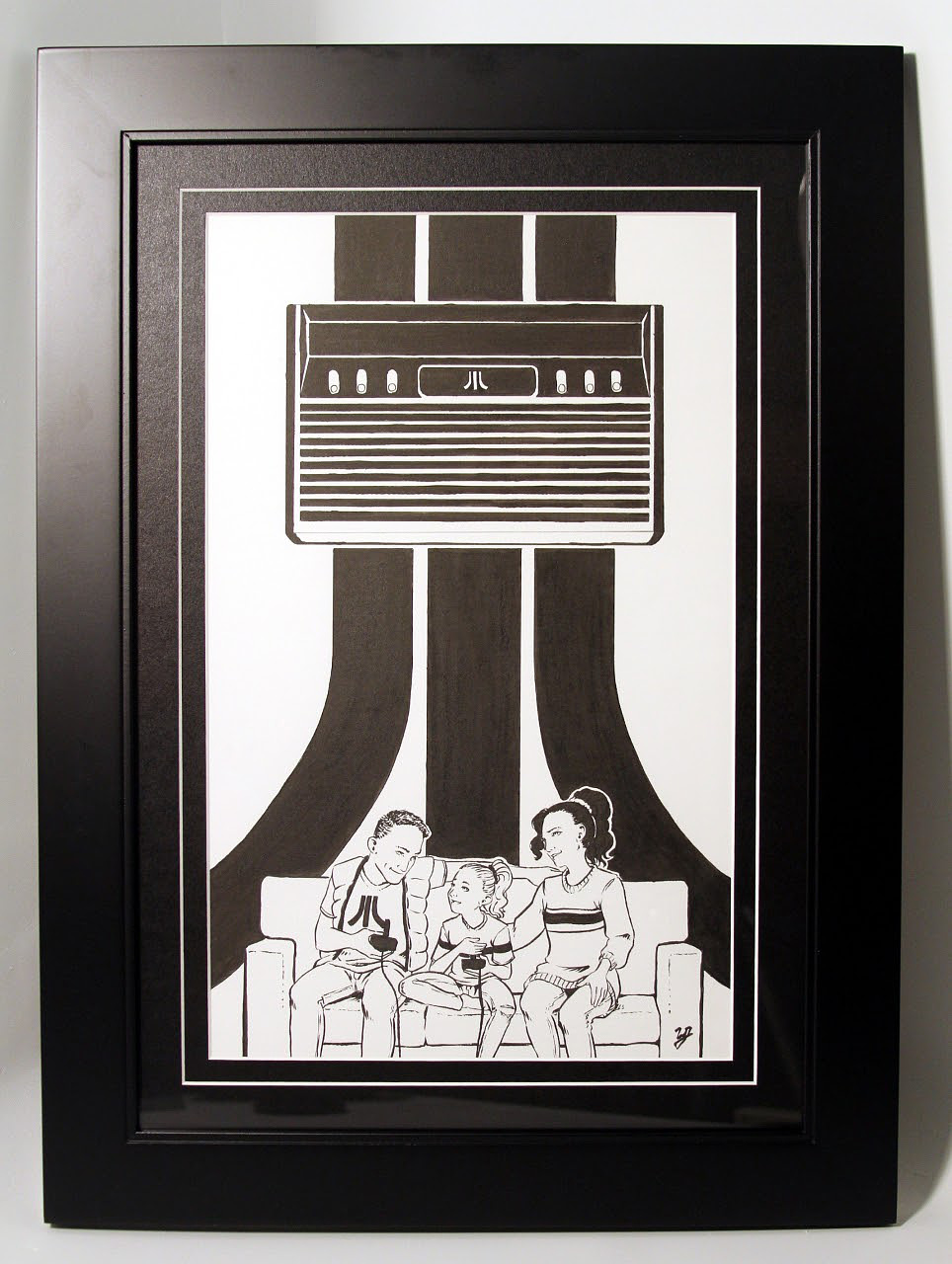
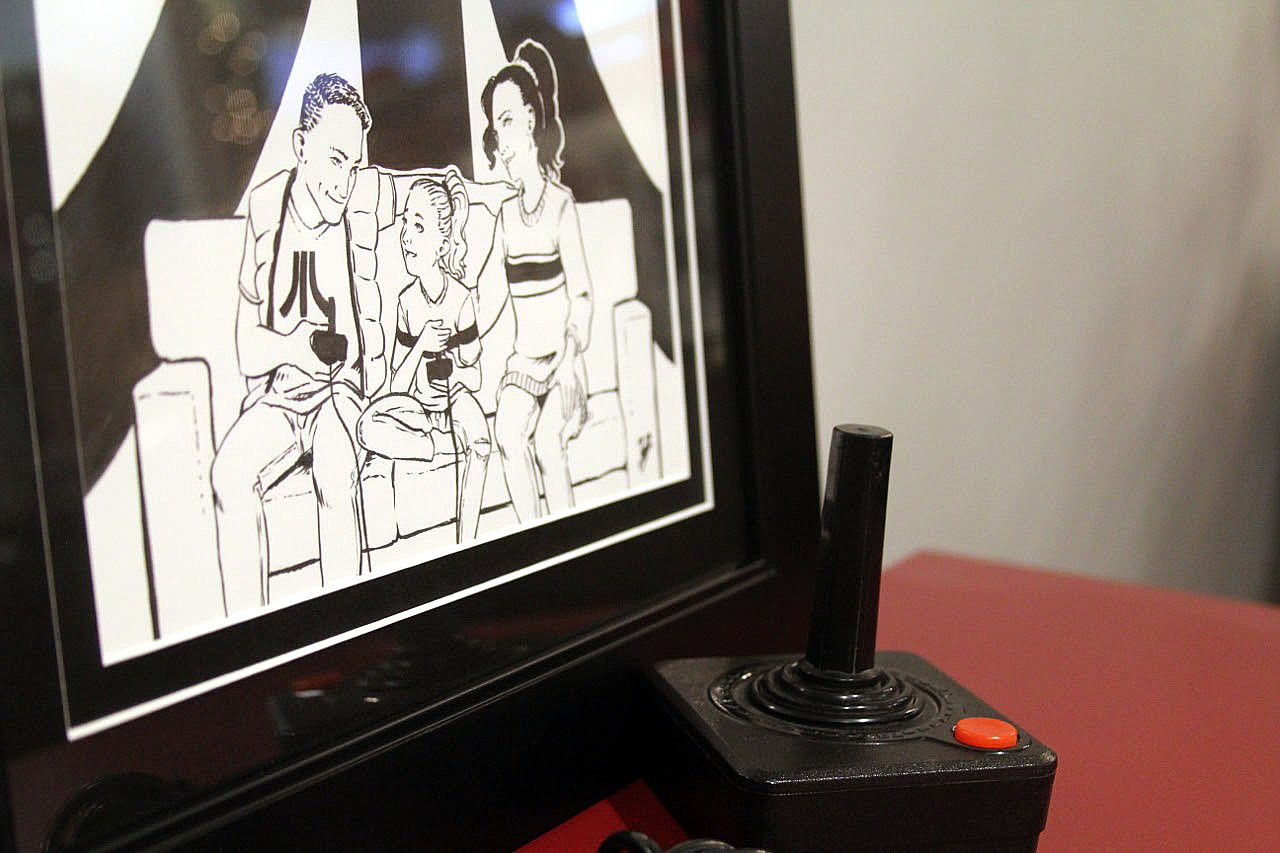
    Traditional art commissions are always memorable, growing experiences. With the bit of extra attention that my Inktober 2016 | Atari Propaganda artwork has been bringing, I have had several people reach out about art commissions. This one in particular is one that I would like to write about because it was such a positive experience for both me and the client.

    Subject Matter

    First, the Atari theme has been such an amazing experience for me this year. Taking time to think about these consoles that I have quite a bit of nastolgia for, putting them to abstract and realistic situations, with only female subjects is incredibly gratifying. It has provided me with an opportunity to stretch myself with the ink medium, composition, drawing people, research (80’s and early 90′ clothing specifically) and applying that research. But I have to admit, this year for Inktober was much harder than last, and with commissions on top of that, I really got a feel for how hard I can push myself at this point in time.

    …the process of drawing, mounting, framing, and shipping the final work was a great experience.

    Being Willing to Start Over

    I actually lost money on this commission. This is definitely something that happens from time to time. In this case, I didn’t do enough in the planning and thumbnail stage of the piece. So, when I approached the first version, I felt my technique was good, and the overall composition was good as well, I didn’t get the likenesses of the subjects to a point that I was comfortable with. Because this is ink we’re talking about, that means starting from scratch. So I started over, essentially doubling my time on the piece.

    Making sure you have enough time to work (2 weeks minimum) on a piece like this, along with studying your subjects thoroughly, will help ensure that this doesn’t happen again. Regardless, even with the do-over, the process of drawing, mounting, framing, and shipping the final work was a great experience.

    …this project will feel like a head stone for it all.

    Schedule Affects Everything

    This is my main takeaway from this experience. Because I am still working at Thor Media, finding time to actually sit down for a solid block of time is difficult. With this one, I ended up telling Thor Media I wasn’t going to come in for a couple of days, and then I turned off my phone. In the future I would like to avoid this, and, like what I mentioned before, two weeks should be a minimum for a project like this. I am certainly going to stick with this requirement.

    A Landmark

    With all the Atari stuff that I have involved myself with lately, like Inktober and releasing/selling Flappy McFur, this project will feel like a head stone for it all. I have other projects coming up, but this one was so positive and memorable, I will always consider it a hallmark for this period of my career. The client was happy about the final result as well. Here is what he said in the STatariART group on Facebook:

    Friends,
    For Christmas, my wife commissioned William Thorup to do a custom drawing of my family: he did a brilliant job and captured my daughter and me playing 2600! Absolutely lovely piece, perfect in detail, and totally captures the 80s feel. Mr. Thorup definitely gets it.
    Atari Never Die!
    -The Last Atarian

  • Tales of a Jaguar Head | Flappy McFur Atari Jaguar Homebrew

    Tales of a Jaguar Head | Flappy McFur Atari Jaguar Homebrew

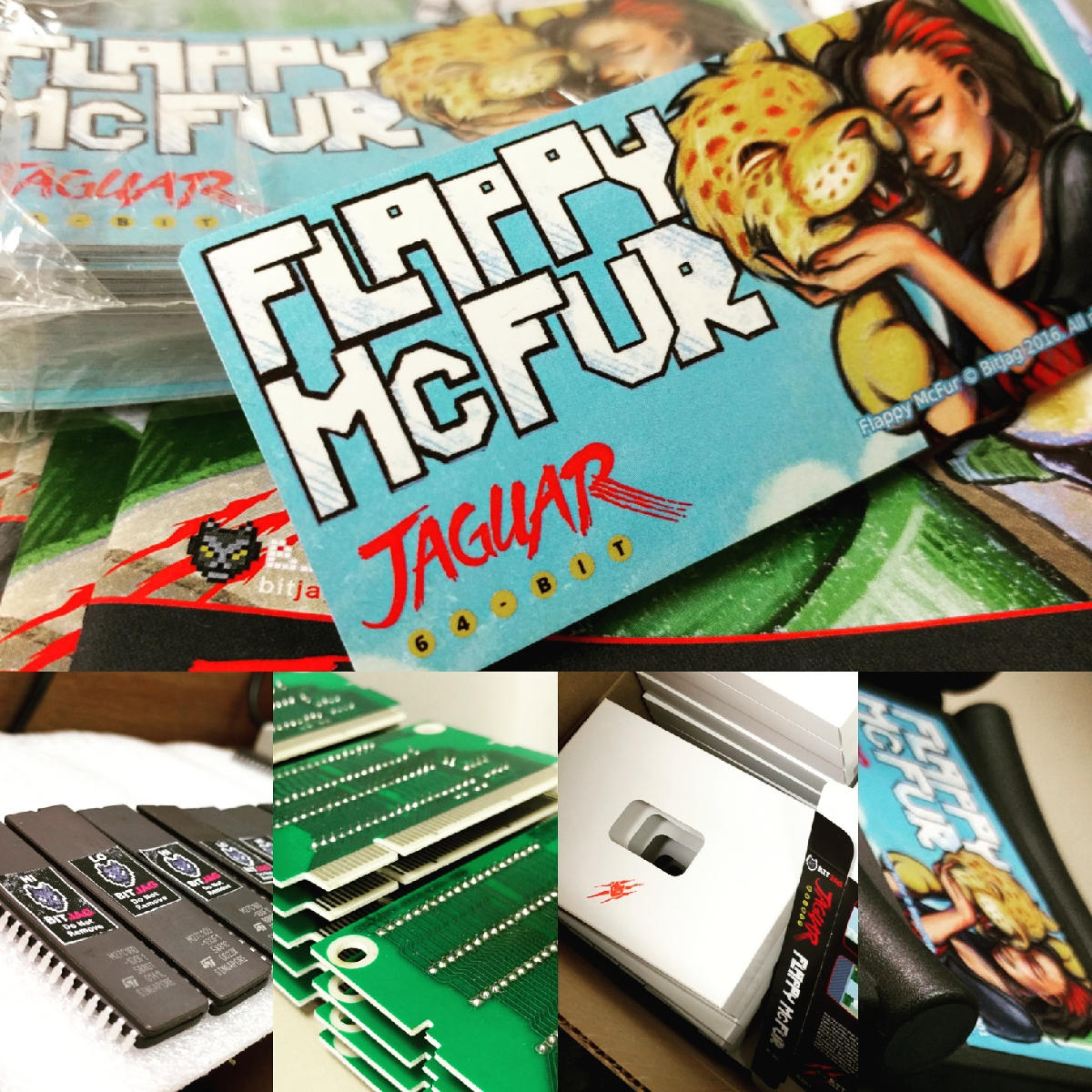
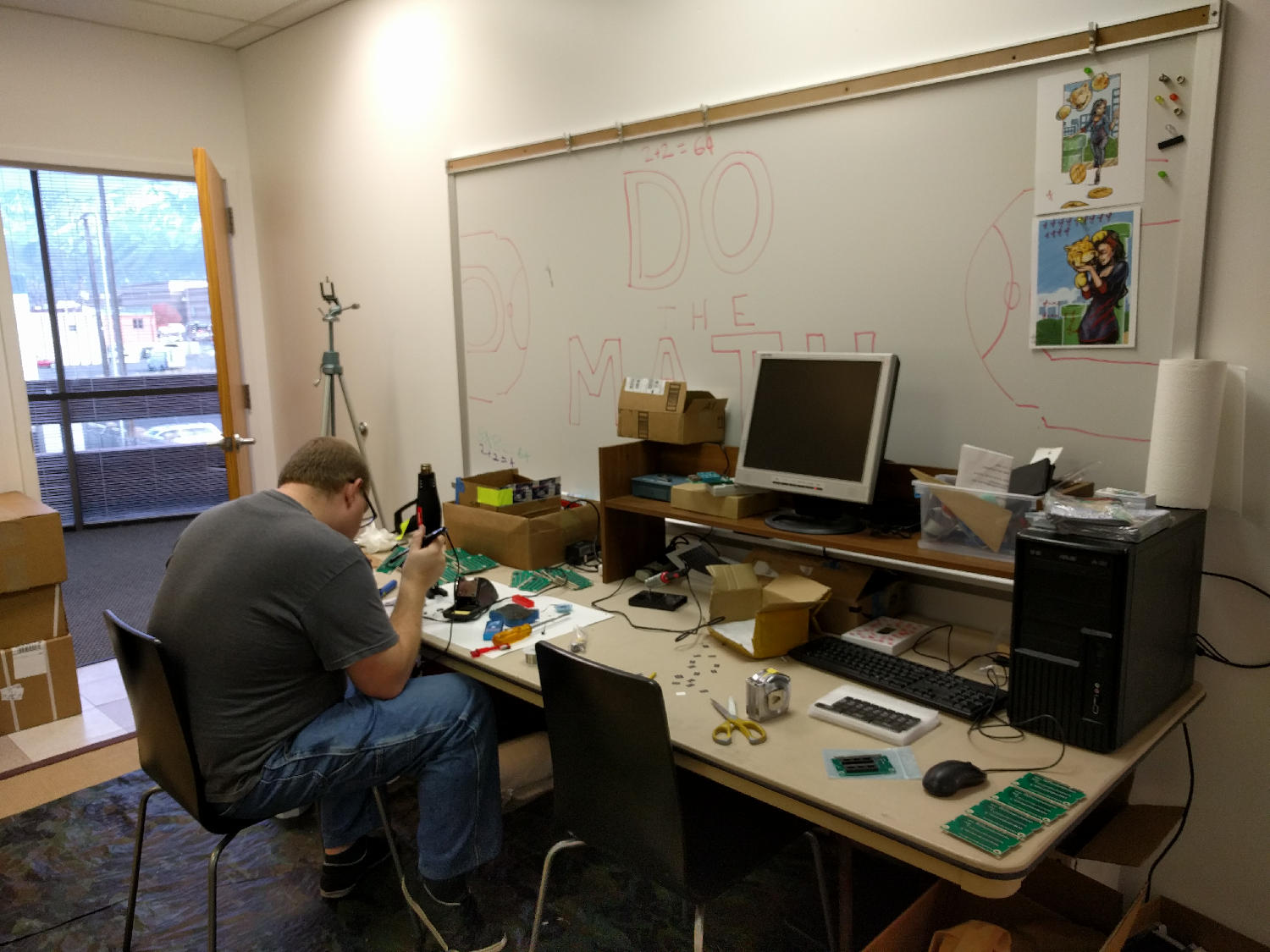
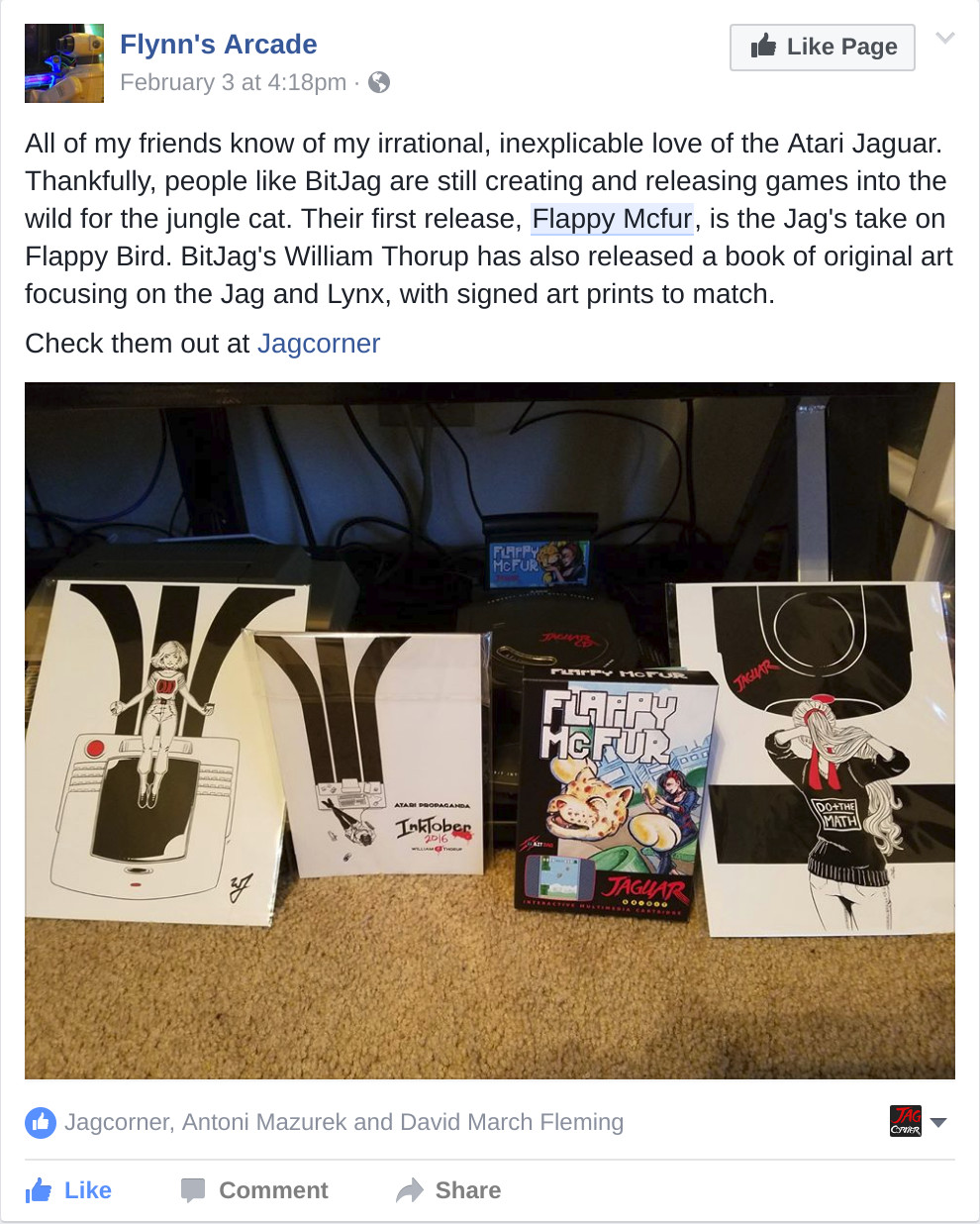
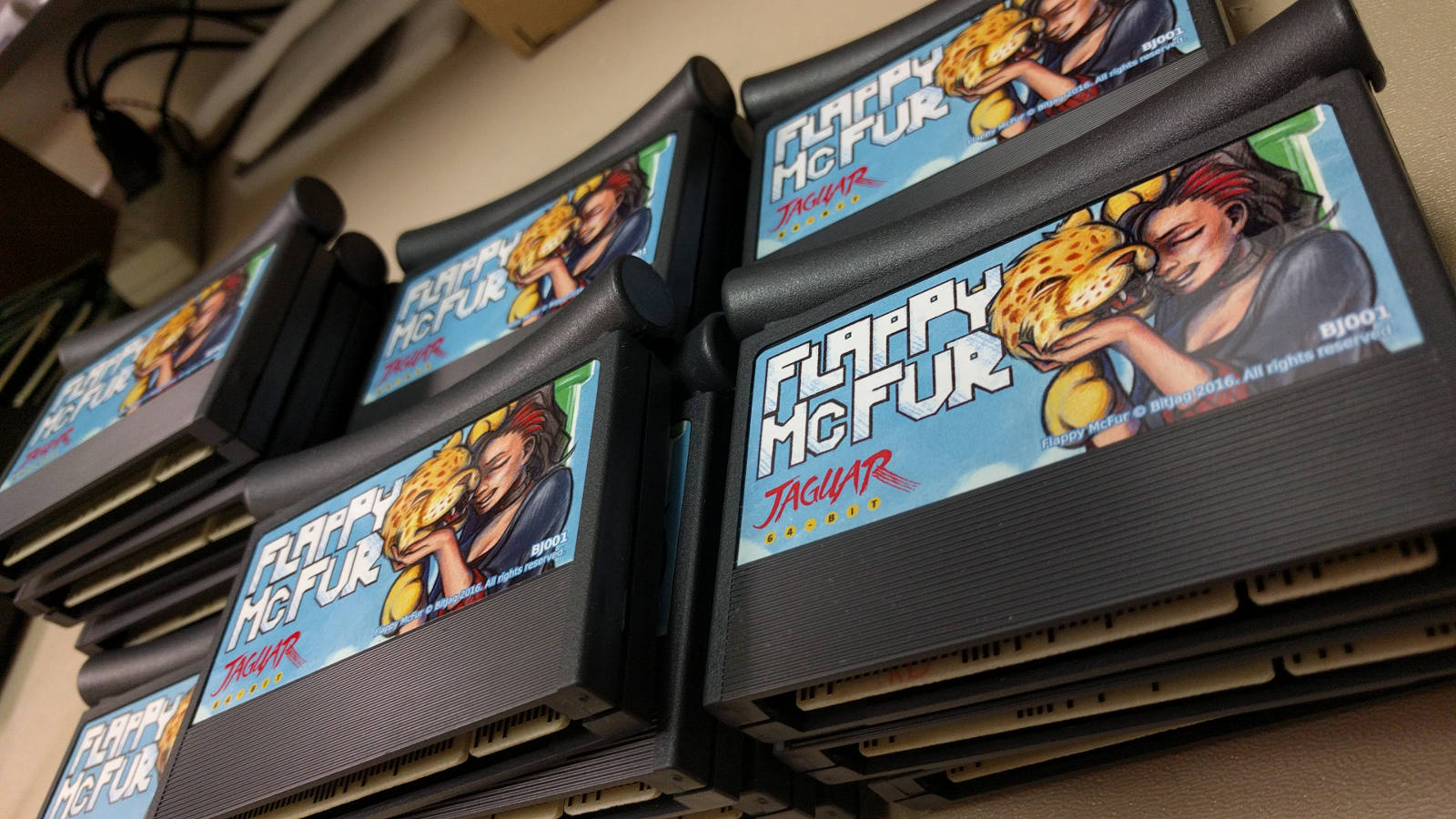
    Three years of learning. Three years of programming. Three years of drawing. And it all should have taken three weeks. Flappy McFur is finally in the hands of the masses, or at least the 80 or so individuals that were actually interested.

    The beginning

    Atari Jaguar programming has been something that my brother and I have been interested for years, and ever since returning from my church mission from Taiwan, I have made it a primary goal.

    With the formation, branding, and online presence establishment, all that was left was for me to learn a bit of programming, and start making games. To help facilitate the programming learning curve, we took on a request from Paul Westphal to put together a demo specifically for his booth at the Portland Retro Gaming Convention.

    Programming at this time wasn’t completely foreign to me, but C programming was. So this little demo was a great opportunity to start my C coding adventure, and it led well into Flappy McFur.

    Development

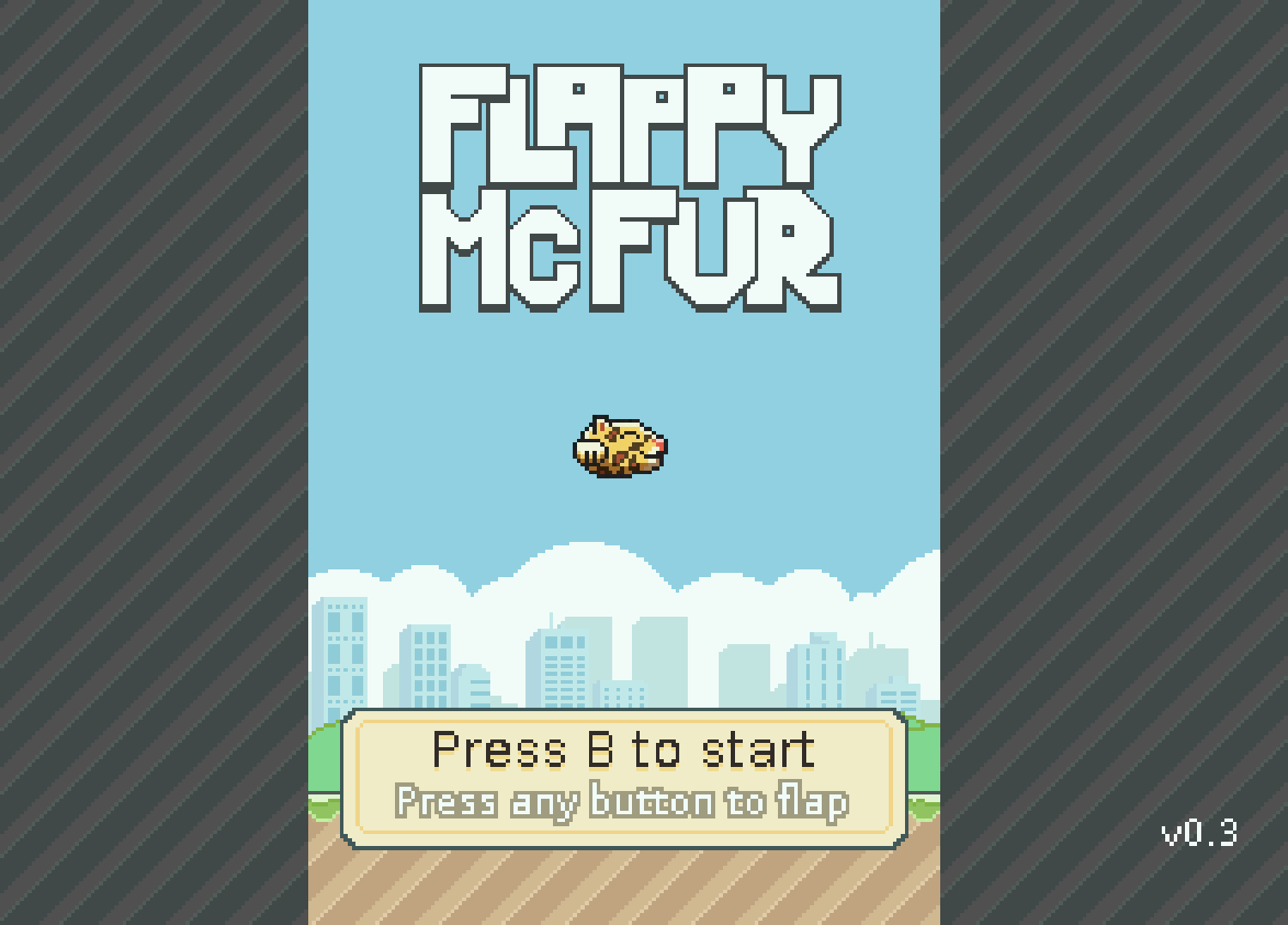
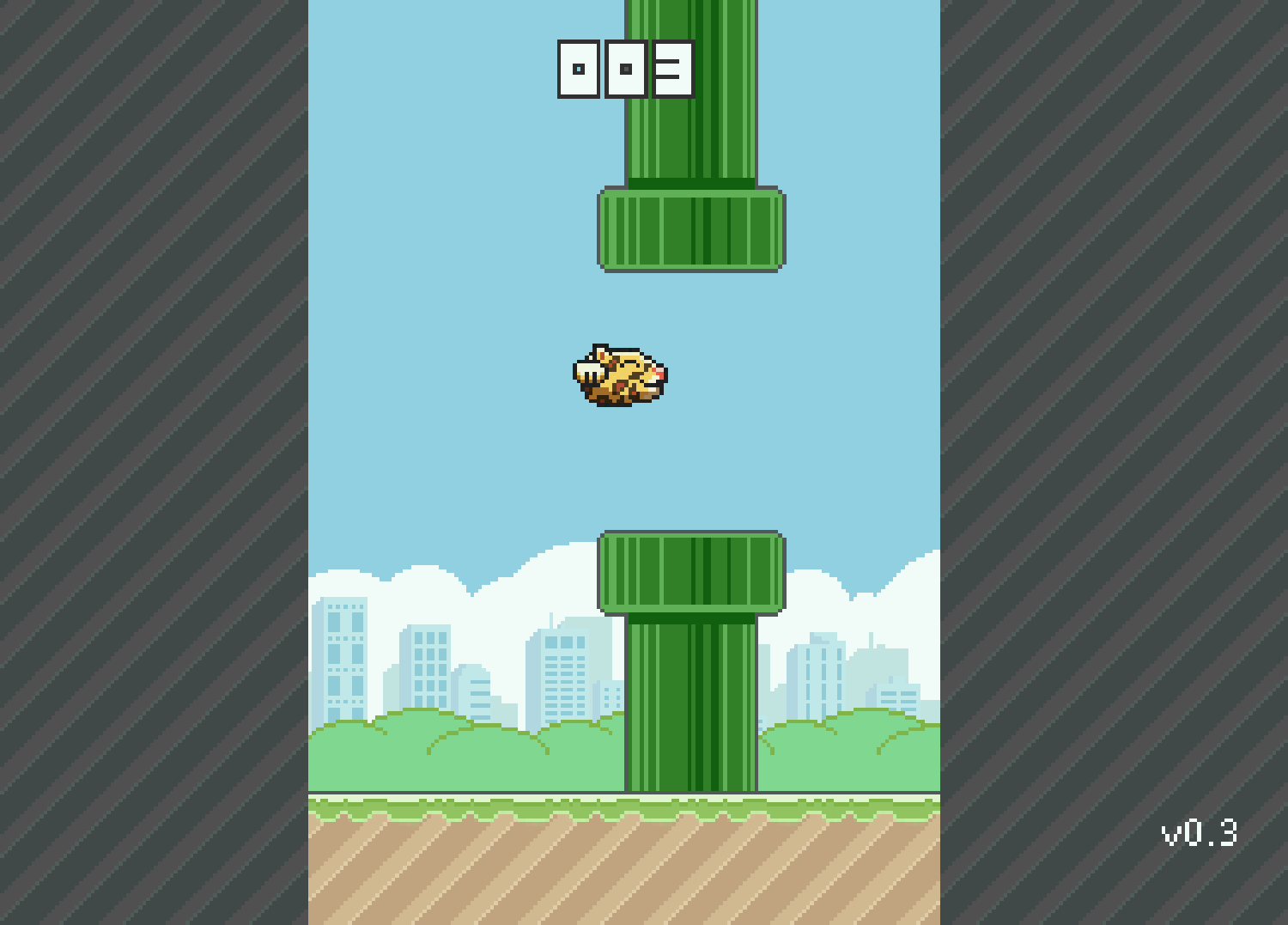
    Version 0.3 was the first fruit of my efforts, and the fruits were bearable. The gameplay was there, but it was far from enjoyable. McFur moved around more like a horizontally locked fly than a disembodied Jaguar head falling in style. But, the core gameplay was there, and this little demo was well received by those out there who look out for anything new for the Jag.

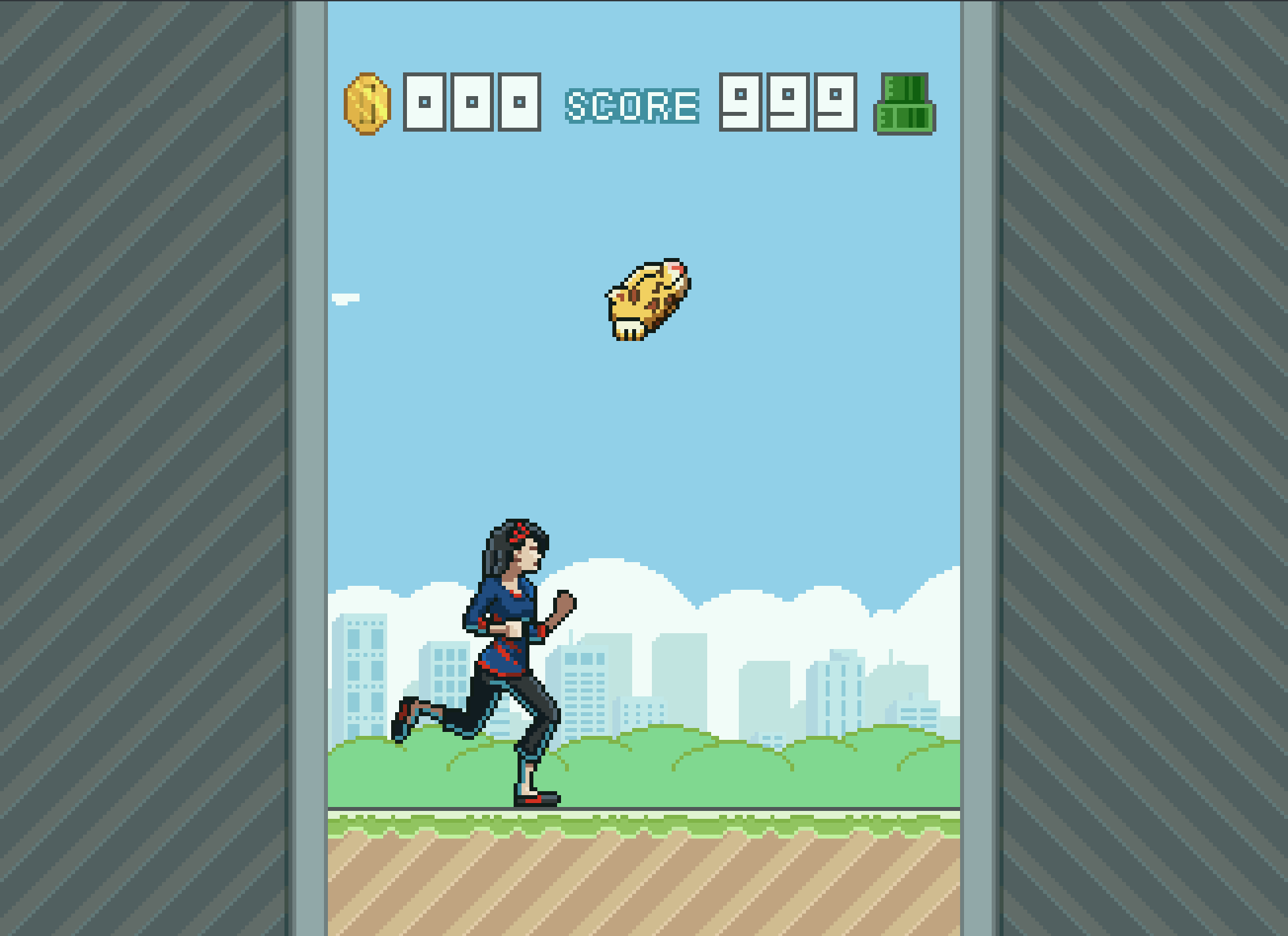
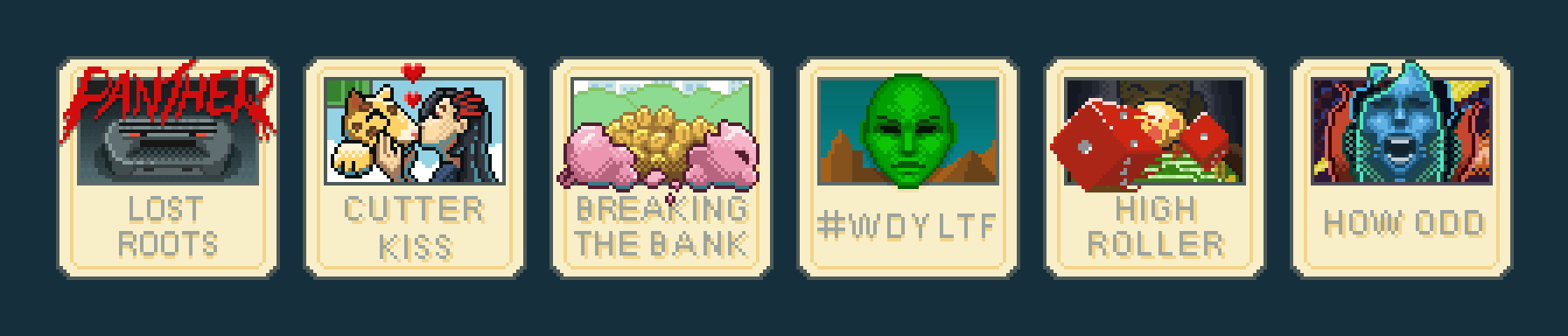
    After the demo though, there was polish. I planned out menu systems, with a simple achievement system. Worked out four different play modes that changed the speed of the game and how the pipes behaved. With Bryce’s help, a simple text engine was implemented to facilitate menus, and he also implemented the save code system. All of this along with an end game made Flappy McFur a much more noticeable product and a more enjoyable experience overall, with a bit of depth to the gameplay.

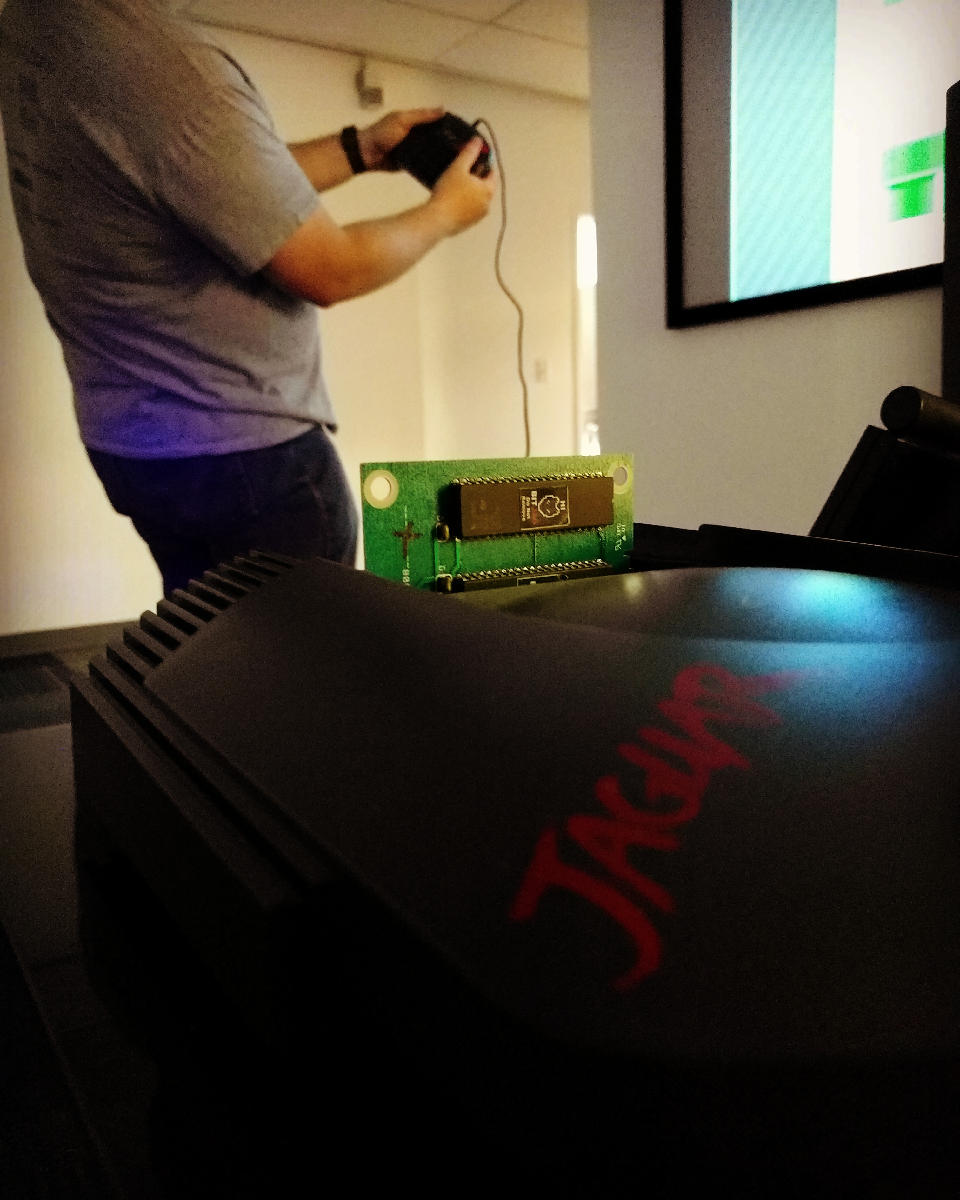
    Development also included some play testing. Usually I would setup our Jag-In-A-Box at family parties, Draw Nights with friends, or just let all the nieces and nephews have a go at it. It was interesting to see how some people caught into the gameplay really well, while others found it impossible. It made balancing the difficulty a bit of a challenge, this is one reason why the additional play modes were added. To try and accommodate a wide spectrum if players.

    Even though the game overall is fairly simple, there was a massive learning curve for me to overcome. Overcoming that learning curve has had its payoff though, and I feel much more prepared to takle our next project.

    Art

    Sprites and Palettes

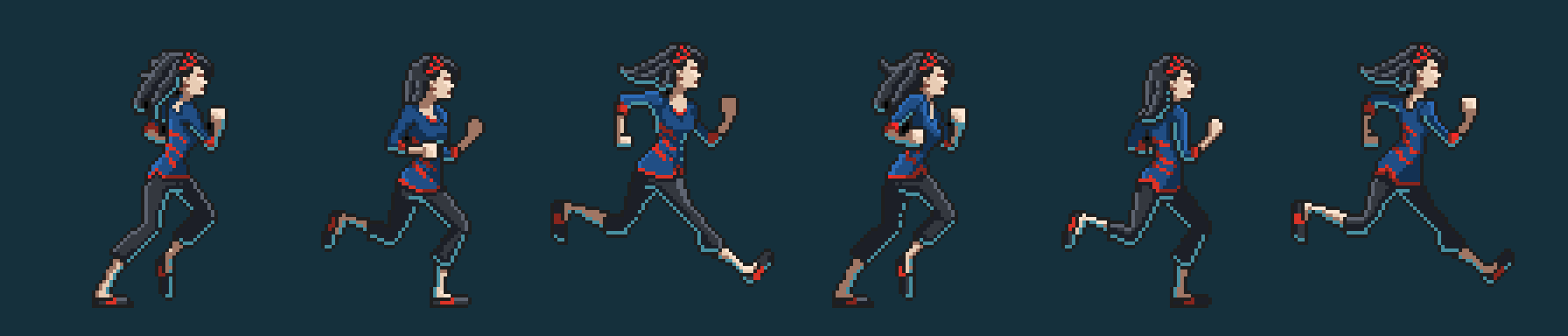
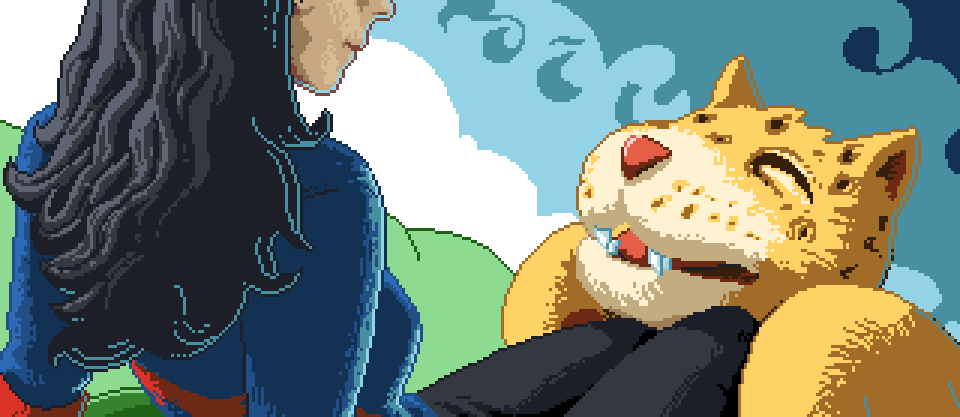
    Though few, painting sprites for this game was a highlight if the whole experience. Working with reduced color palettes and putting together simple animations like rotations of objects and the achievements, to more complicated animations like Cutter’s run cycle, all were a joy and remind me how much I love animation in general.

    We used the Gimp primarily for sprite work. I have been using the Gimp for nearly two decades now, and it is great support for paletted graphics with a more than adequate tool set. I did use Krita for Cutter’s run cycle animation because they had recently implemented a basic 2D animation tool set in Krita, but with the lack of palettes graphics support, I still needed ti pump those graphics through Gimp to prep them for Jag. Krita is supposed to have palettes graphics support in the near future, and I am looking forward to using Krita exclusively in my pipeline.

    With all that in mind, when I actually started putting together Flappy McFur, I was a bit lazy in figuring out how to do 8-bit paletted graphics. So, for a long time, I was dealing with performance issues, especially when music was implemented. It wasn’t until late in development that most of the graphics were converted to 8-bit paletted sprites for 16-bit sprites. This was a good switch though as it allowed us to do fade transitions easily.

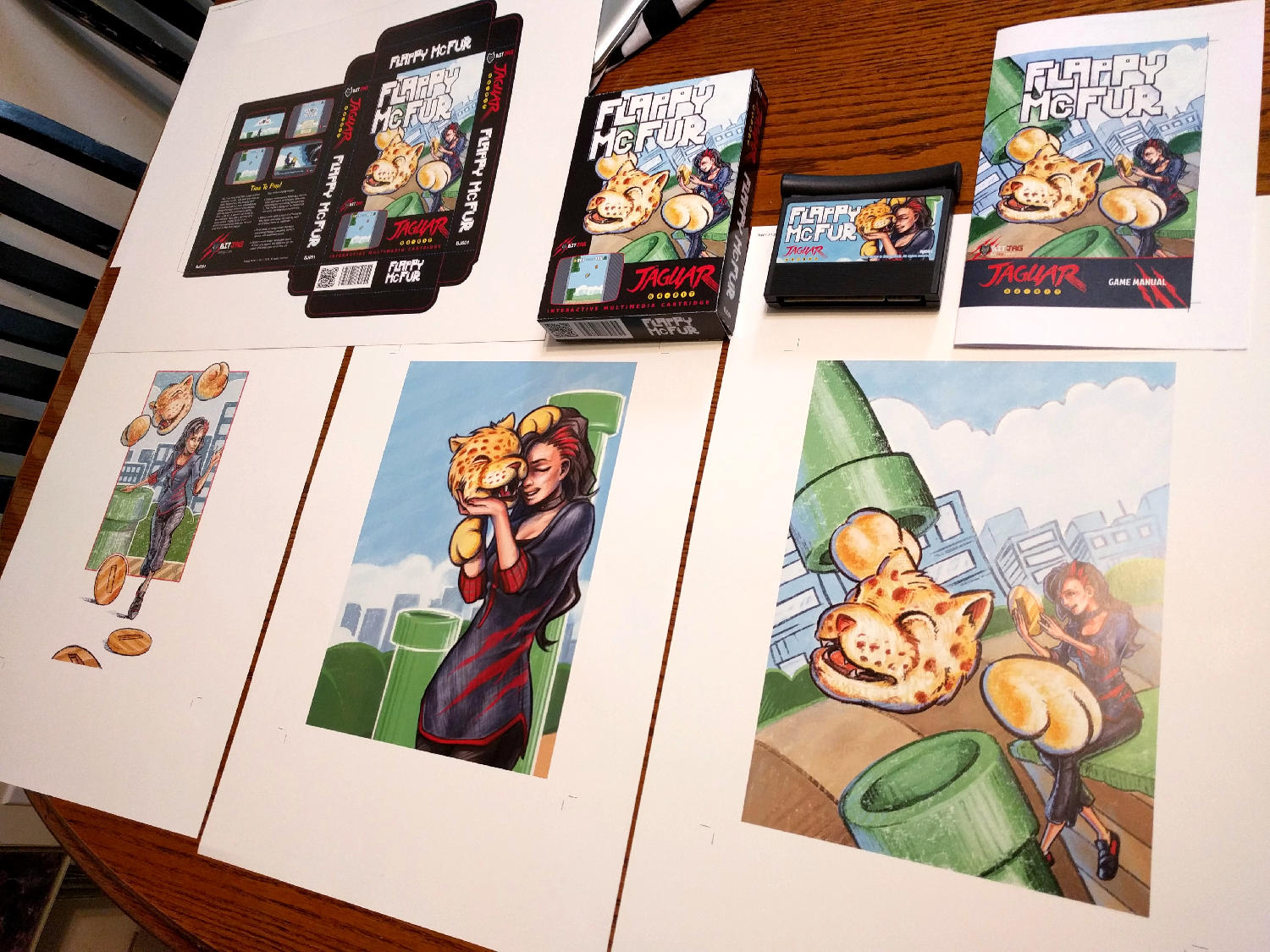
    Box and Manual Art

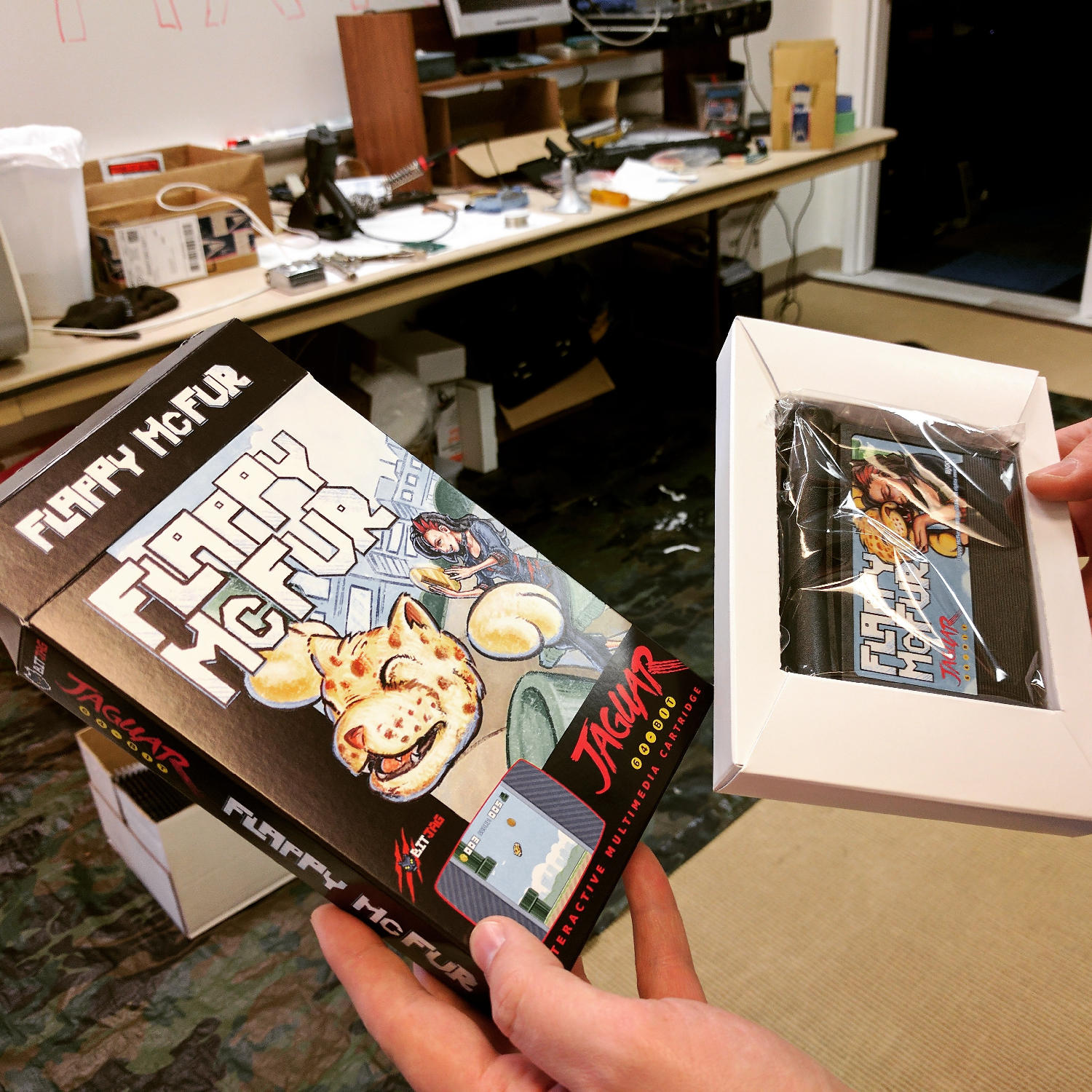
    I initially wanted to do more artwork for the game, but the 3 primary illustrations ended up working really well for our needs.

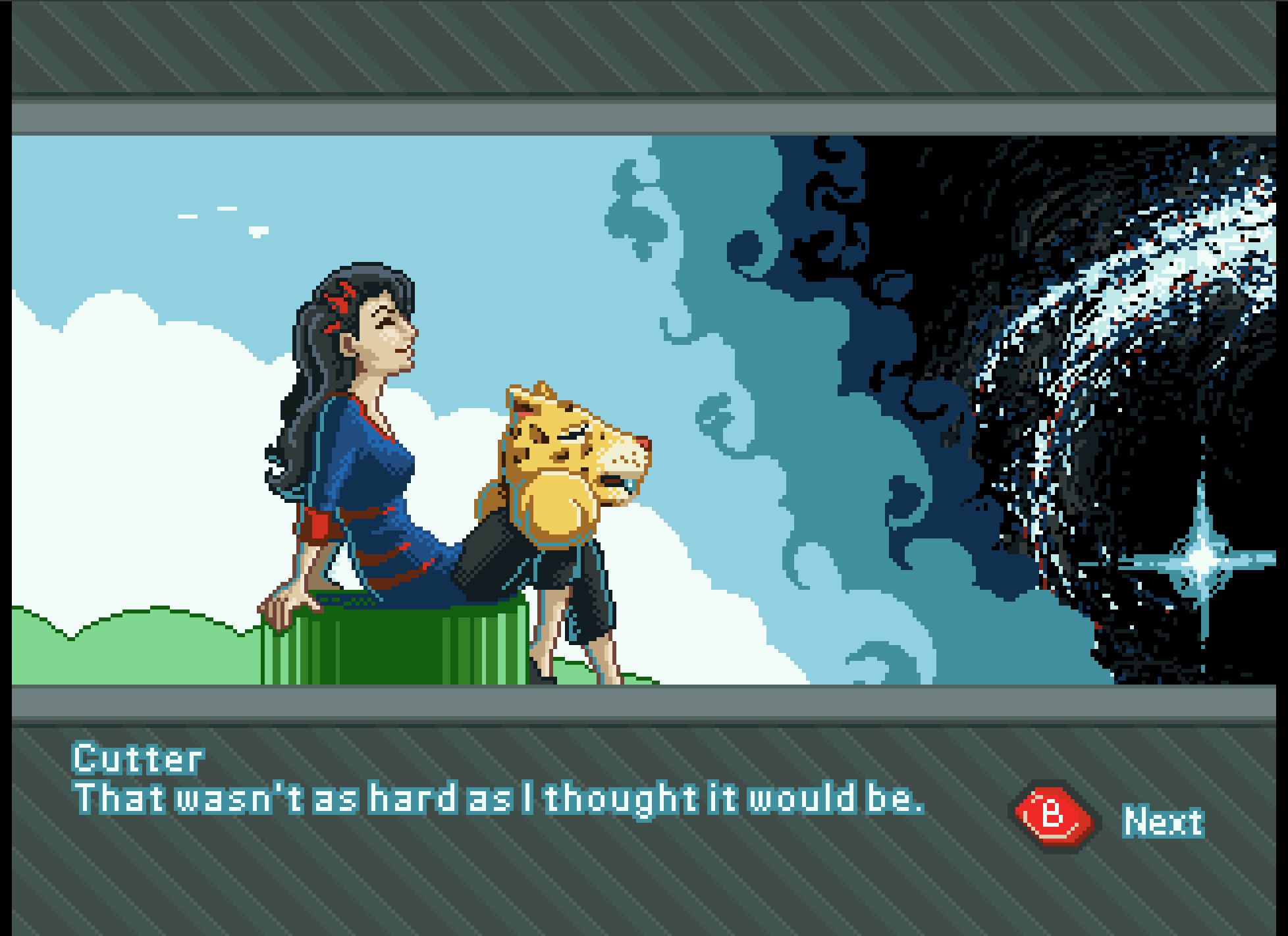
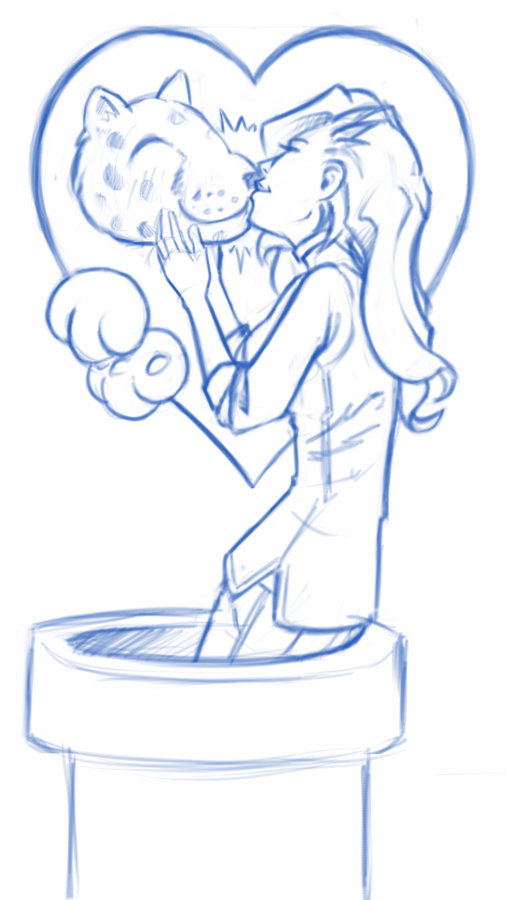
    The first illustration was used to establish the character relationship and heavily influenced the game in both tone and narrative. The colored pencil and crayon look of the artwork was intentional as well. It gave it an elementary, non serious feeling throughout, inviting everyone to come and pick up the controller and play.

    Video Content

    I tried to keep any video advertisement minimal since the beginning. Primarily because if how time consume it is, but also because of the uncertainty of actually releasing the game.

    When we decided to actually finish up the game and release, effort was spent to get a good video for advertising the game, and a good gameplay video. At the end of the day, I am not too sure how much these videos helped at the end if the day, but they were nice to have, and will be good to have for history’s sake.

    The release and marketing

    Newsletter

    In and effort to reward our mailing list subscribers, we made sure that everyone that had signed up knew about the game first, we also provided a small discount for them as well. The discount was taken advantage of by a handful of our subscribers, and is something that we will definitely do in the future.

    Press Release

    It was fun to actually learn how to put a press release together for news websites. I distributed to a handful of people, with little response. Again, this was good to get familiar with, and it serves a good historical purpose. You can read the press release here.

    AtariAge post

    We had a great response from the AtariAge community. With part of the press release and other details about the project, including videos, we began selling the moment the announcement hit the forum. AtariAge Forum Thread – http://atariage.com/forums/topic/258180-flappy-mcfur-homebrew-now-available-to-order/

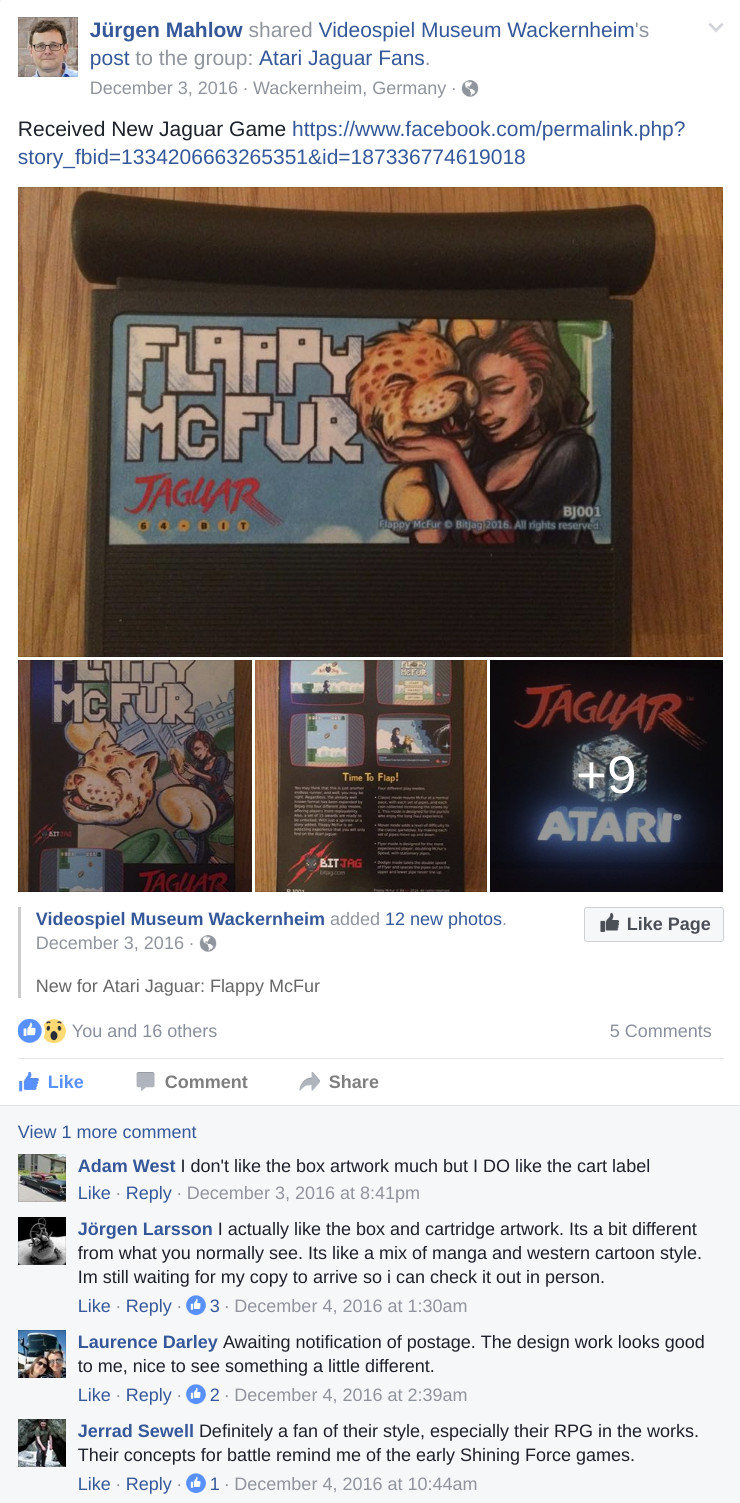
    Before people actually had the game in their hands, many of the comments were about the pixel art, and general support for the release. Responses to gameplay have been… mixed, maybe. Its hard to tell if people don’t want to say anything bad about it, or they are just a bit frustrated about its’ difficulty. Either way, below are a few reactions for the AtariAge forum thread.

    Hyper_Eye

    My wife and I enjoyed spending the evening playing Flappy McFur a couple nights ago. It’s certainly addictive. I found myself getting the controller back less and less. My wife and I probably haven’t played Jaguar together in 10+ years. She buys me Jaguar games as gifts and watches me open them. Maybe she’ll watch me play a bit. It was nice to actually play together. Thanks for the effort you put in to it!

    Swansea_Mariner

    Wow this game is hard, I just can’t get past pipe no. 9! I really like the dogger mode.

    Saturn

    Thank you (all) for this wonderful addition to the Jaguar library. Hope to see more.

    Reviews

    By way of reviews, we did have one website review and one YouTube review. Both favored the game. Thank you for the reviews! Links below.

    A small mention on the Retro New Roundup – https://youtu.be/FfeYMKsktFM?t=3m22s

    A more full written review on a more official news website – http://thegg.net/retro/atari-jaguar-gets-a-brand-new-homebrew-game-called-flappy-mcfur/

    A fairly thorough video review done by crusherbad64 – https://www.youtube.com/watch?v=5lo5AHXrhCU

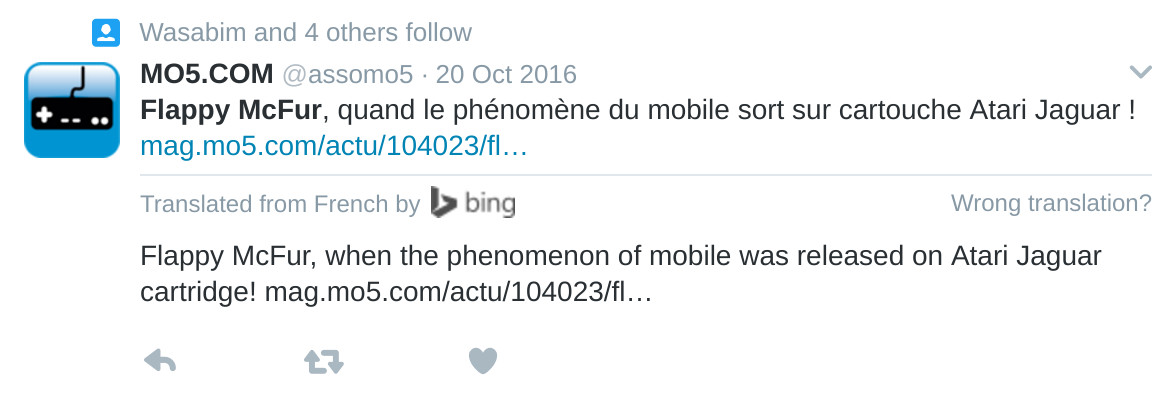
    A nice little mention of Flappy McFur on a French Jaguar fan blog – http://jagfan.canalblog.com/archives/2016/11/03/34517203.html

    Other Social Media Posts

    Links

    Flappy McFur BitJag Project Page – http://bitjag.com/project_5.html