William Thorup

Illustrator, Motion Graphics Designer, Animator, and VFX Artist

Category: Concept Art

  • Tales of a Jaguar Head | Flappy McFur Atari Jaguar Homebrew

    Tales of a Jaguar Head | Flappy McFur Atari Jaguar Homebrew

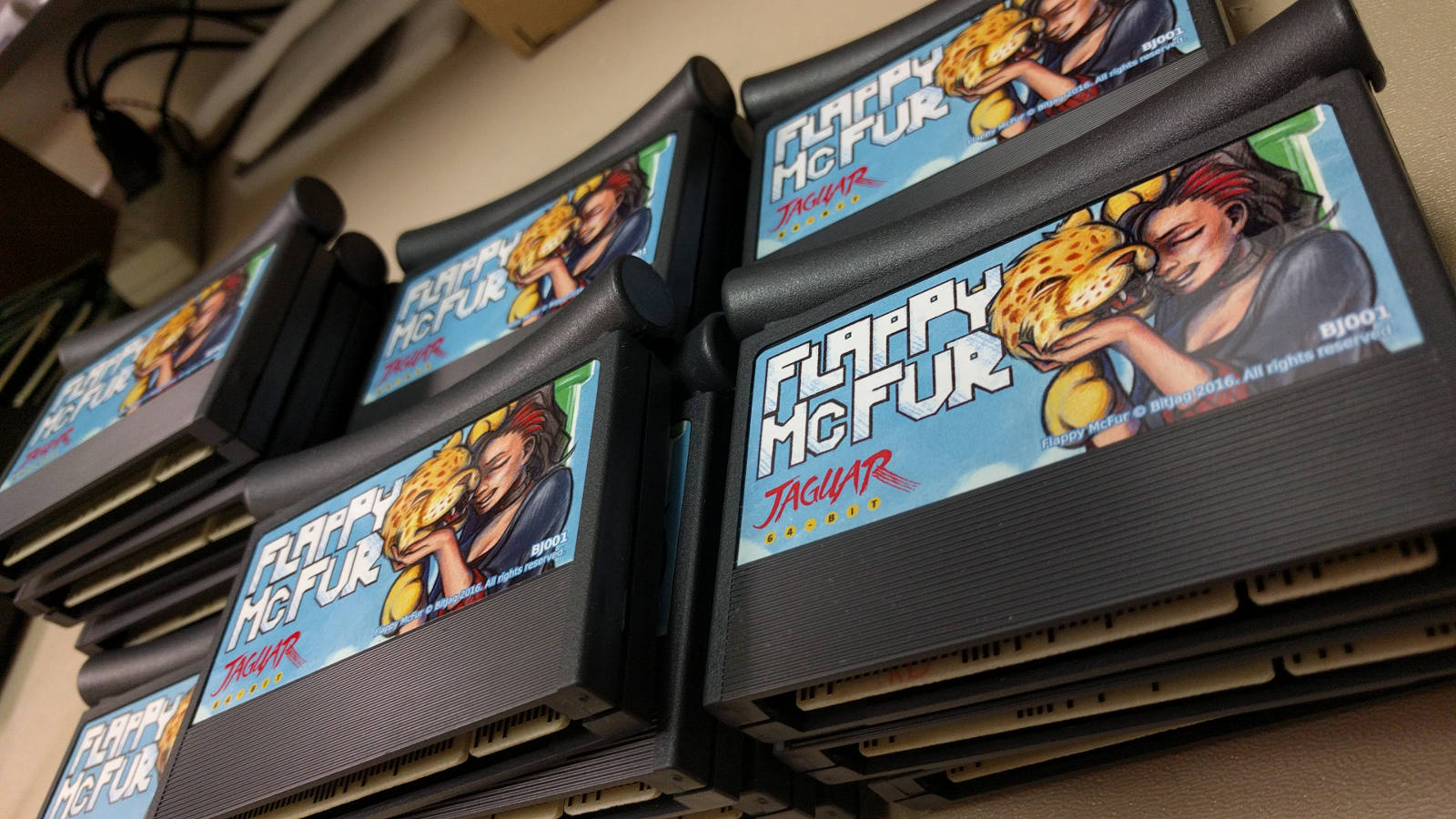
    Three years of learning. Three years of programming. Three years of drawing. And it all should have taken three weeks. Flappy McFur is finally in the hands of the masses, or at least the 80 or so individuals that were actually interested.
    The beginning

    Atari Jaguar programming has been something that my brother and I have been interested for years, and ever since returning from my church mission from Taiwan, I have made it a primary goal.

    With the formation, branding, and online presence establishment, all that was left was for me to learn a bit of programming, and start making games. To help facilitate the programming learning curve, we took on a request from Paul Westphal to put together a demo specifically for his booth at the Portland Retro Gaming Convention.

    Programming at this time wasn’t completely foreign to me, but C programming was. So this little demo was a great opportunity to start my C coding adventure, and it led well into Flappy McFur.
    Development

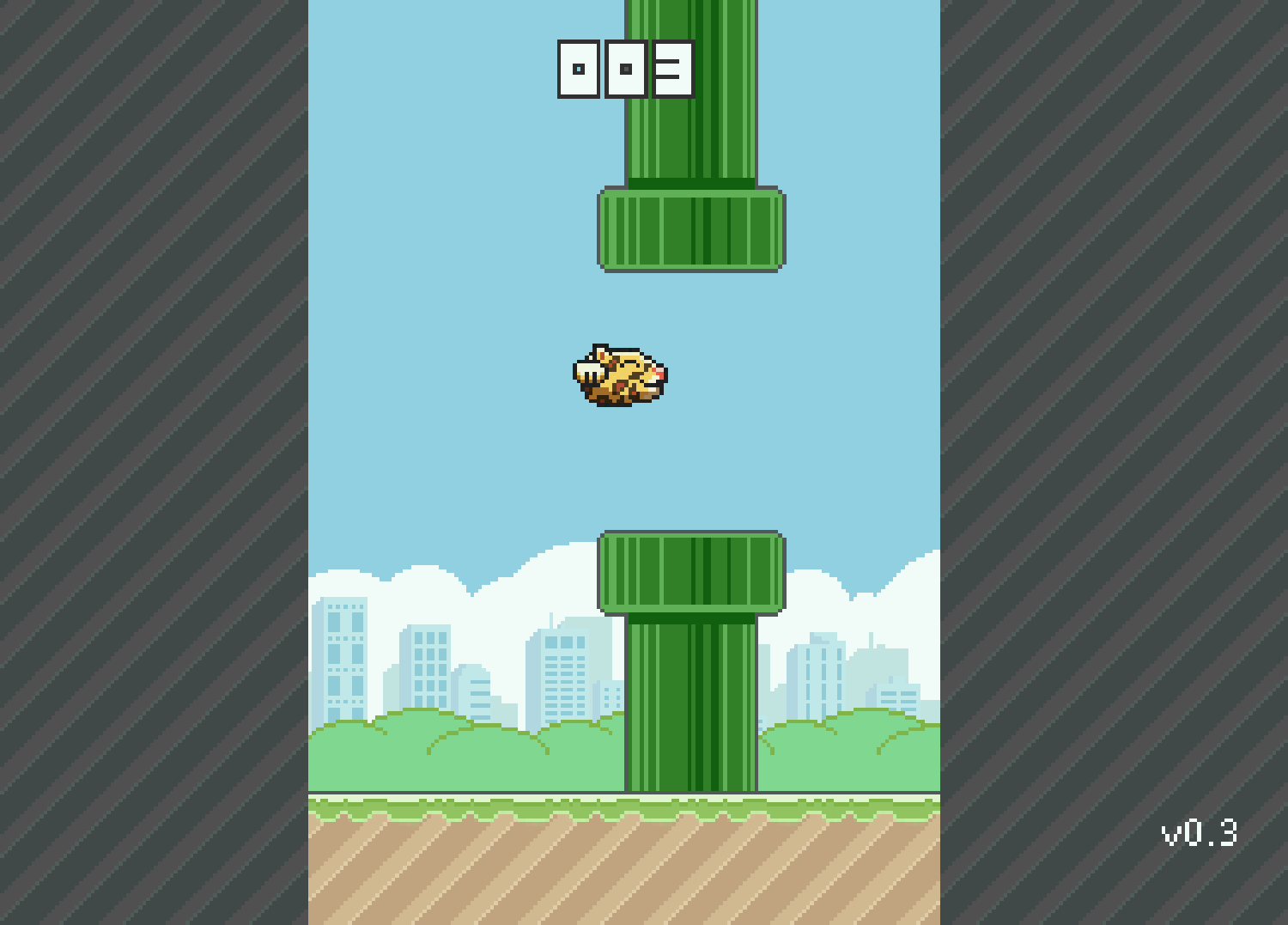
    Version 0.3 was the first fruit of my efforts, and the fruits were bearable. The gameplay was there, but it was far from enjoyable. McFur moved around more like a horizontally locked fly than a disembodied Jaguar head falling in style. But, the core gameplay was there, and this little demo was well received by those out there who look out for anything new for the Jag.
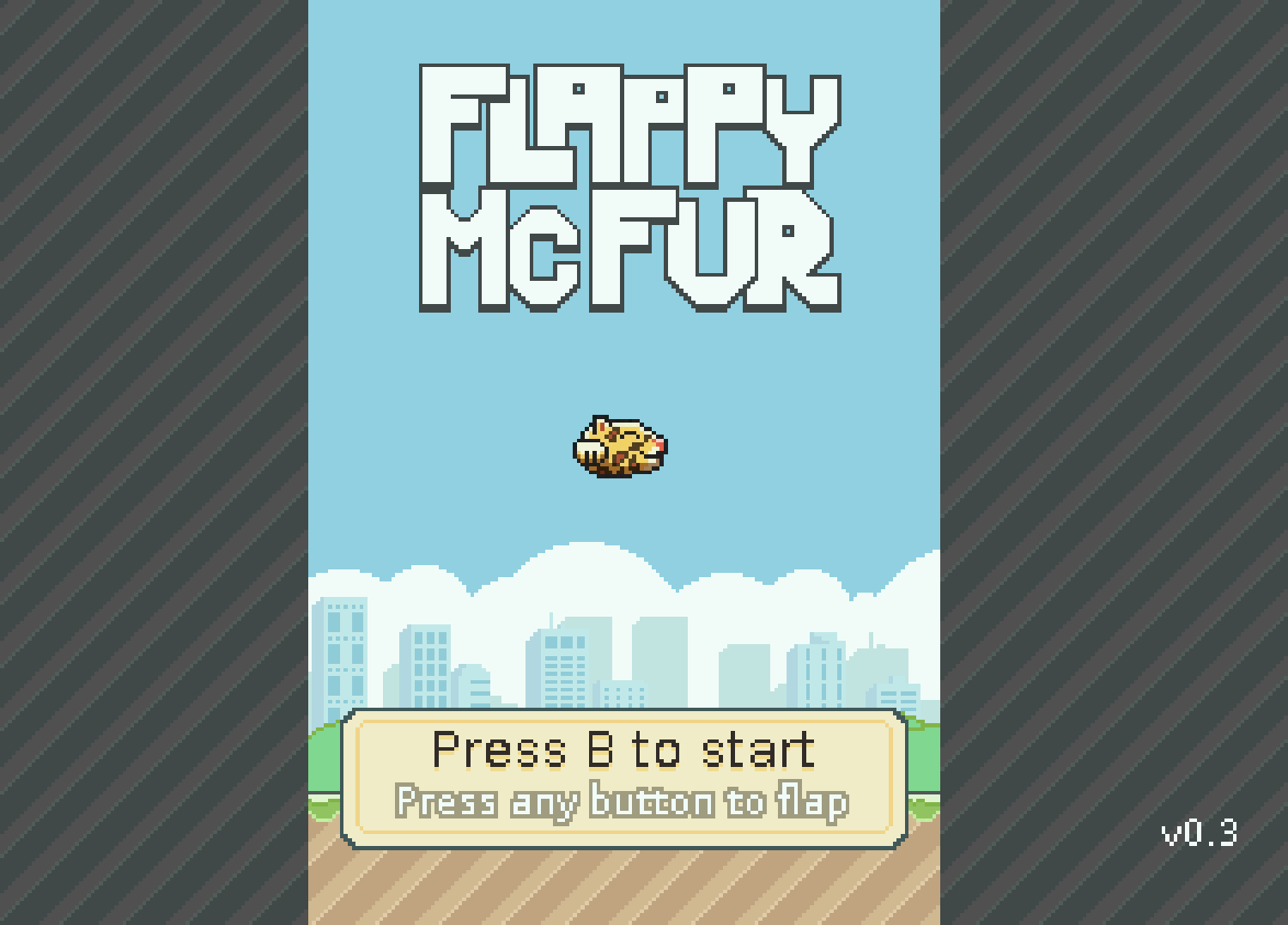
    After the demo though, there was polish. I planned out menu systems, with a simple achievement system. Worked out four different play modes that changed the speed of the game and how the pipes behaved. With Bryce’s help, a simple text engine was implemented to facilitate menus, and he also implemented the save code system. All of this along with an end game made Flappy McFur a much more noticeable product and a more enjoyable experience overall, with a bit of depth to the gameplay.

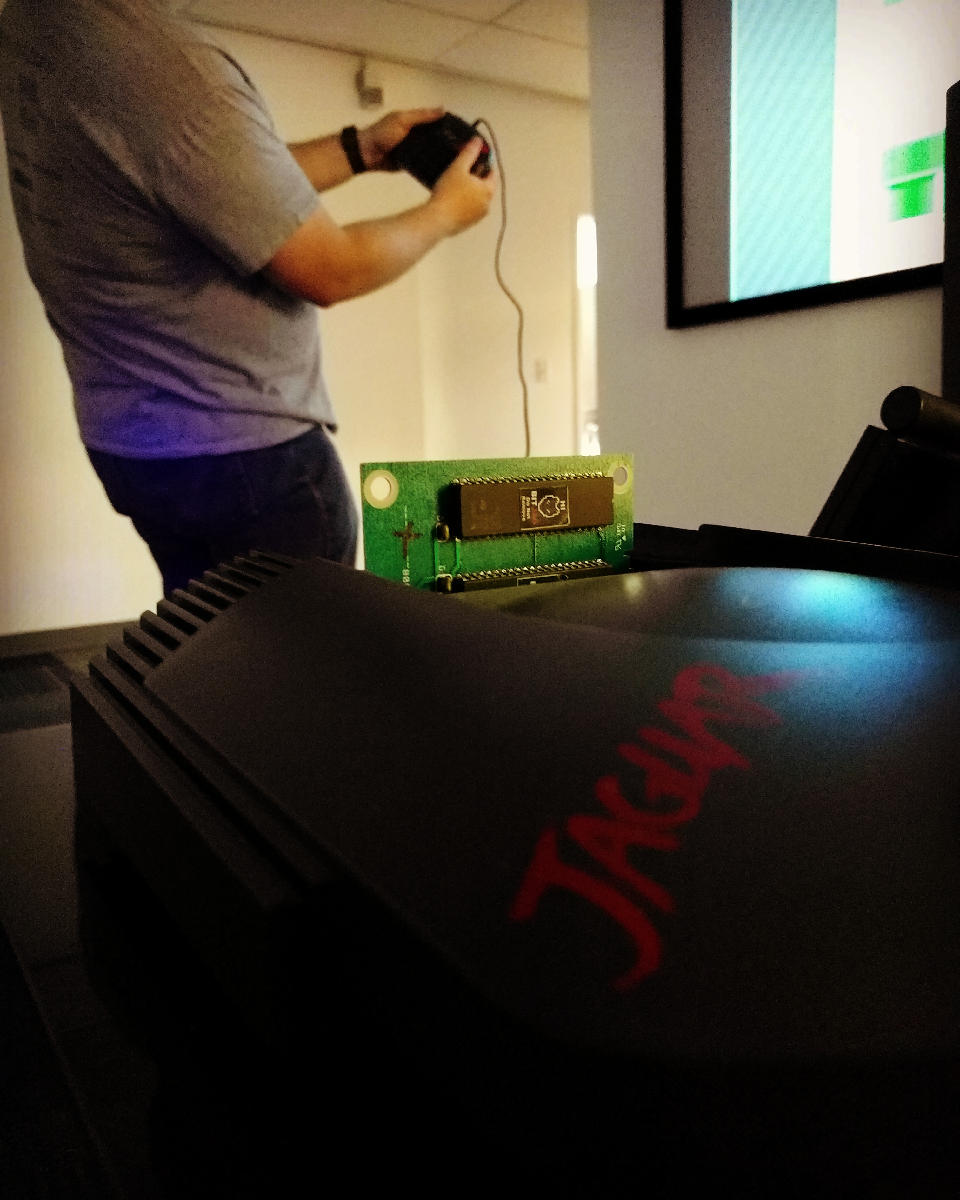
    Development also included some play testing. Usually I would setup our Jag-In-A-Box at family parties, Draw Nights with friends, or just let all the nieces and nephews have a go at it. It was interesting to see how some people caught into the gameplay really well, while others found it impossible. It made balancing the difficulty a bit of a challenge, this is one reason why the additional play modes were added. To try and accommodate a wide spectrum if players.
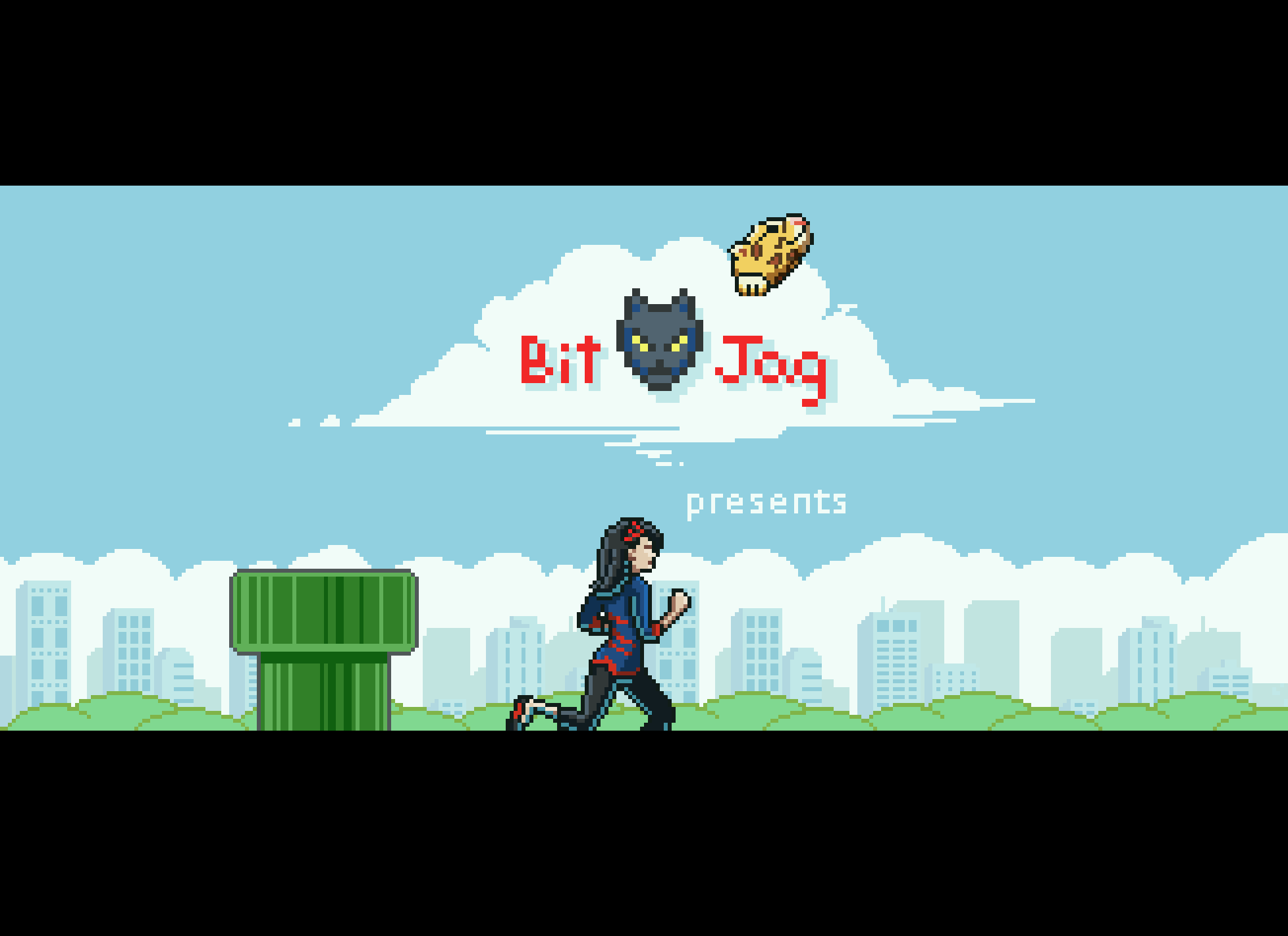
    Even though the game overall is fairly simple, there was a massive learning curve for me to overcome. Overcoming that learning curve has had its payoff though, and I feel much more prepared to takle our next project.

    Art

    Sprites and Palettes

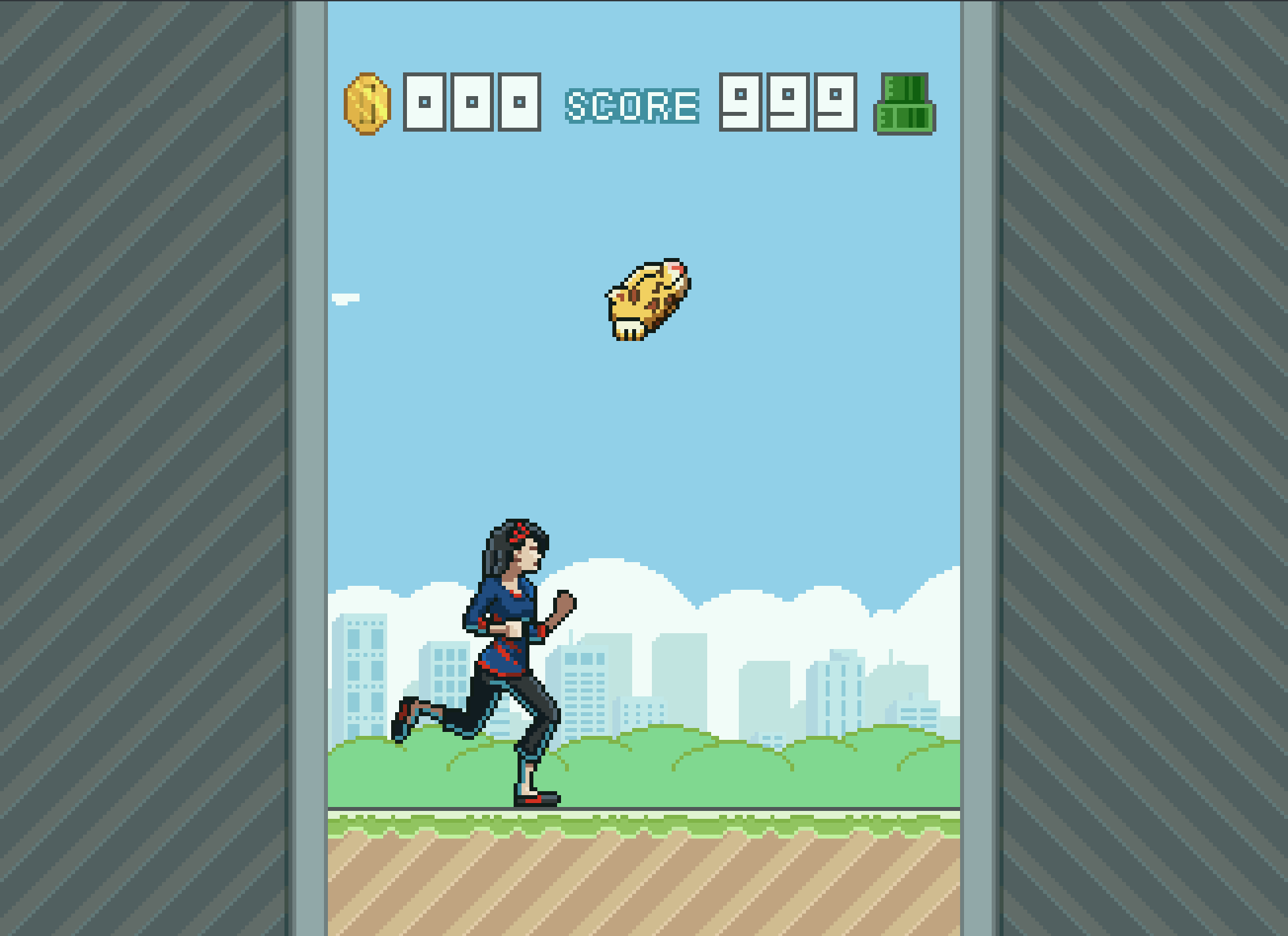
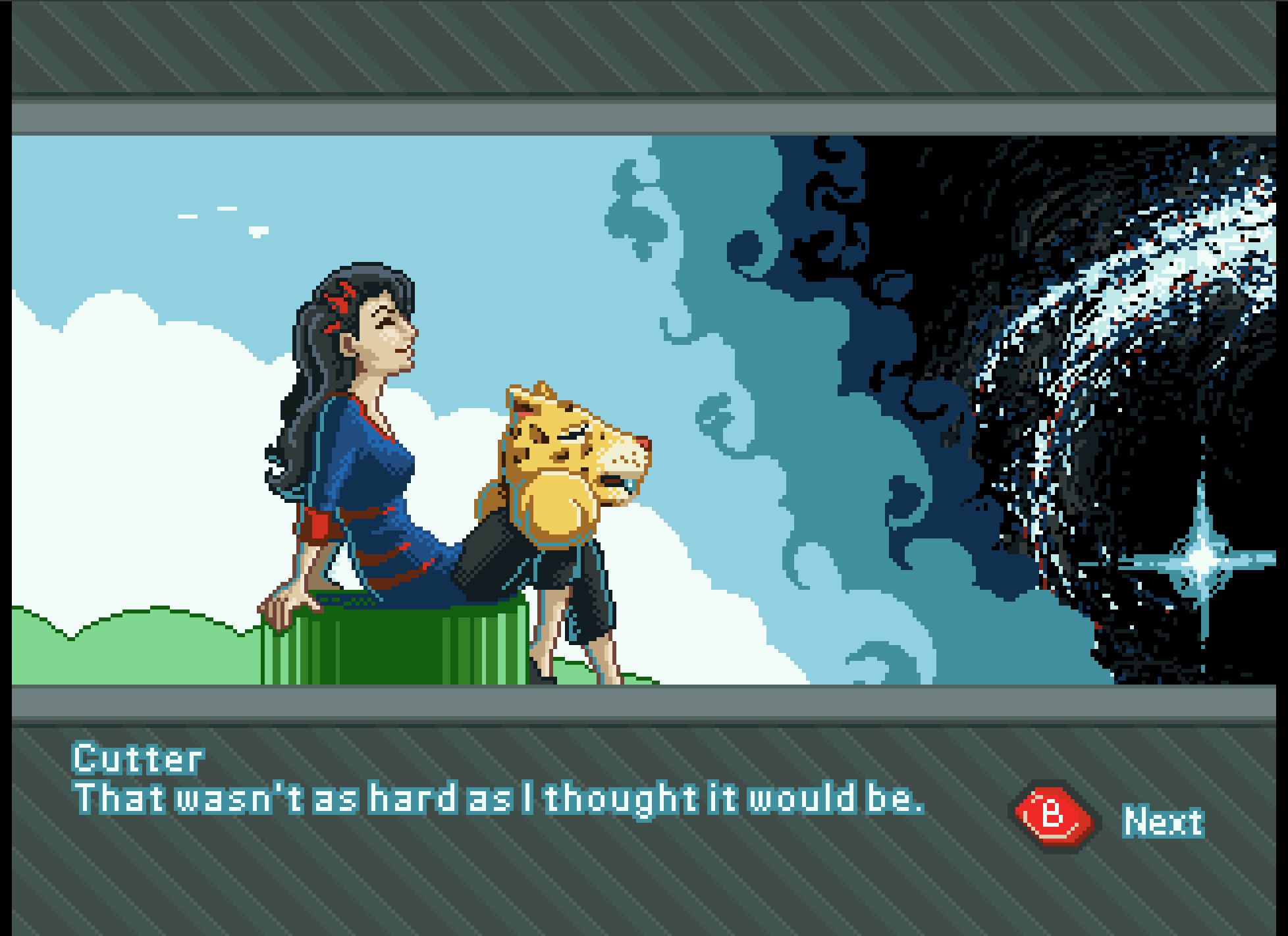
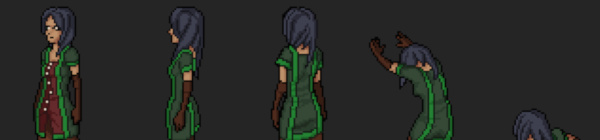
    Though few, painting sprites for this game was a highlight if the whole experience. Working with reduced color palettes and putting together simple animations like rotations of objects and the achievements, to more complicated animations like Cutter’s run cycle, all were a joy and remind me how much I love animation in general.
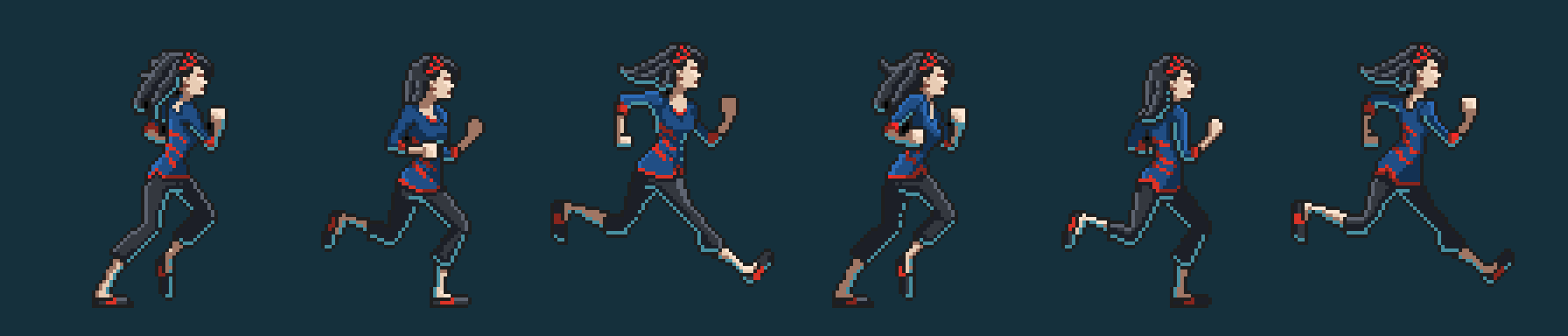
    We used the Gimp primarily for sprite work. I have been using the Gimp for nearly two decades now, and it is great support for paletted graphics with a more than adequate tool set. I did use Krita for Cutter’s run cycle animation because they had recently implemented a basic 2D animation tool set in Krita, but with the lack of palettes graphics support, I still needed ti pump those graphics through Gimp to prep them for Jag. Krita is supposed to have palettes graphics support in the near future, and I am looking forward to using Krita exclusively in my pipeline.
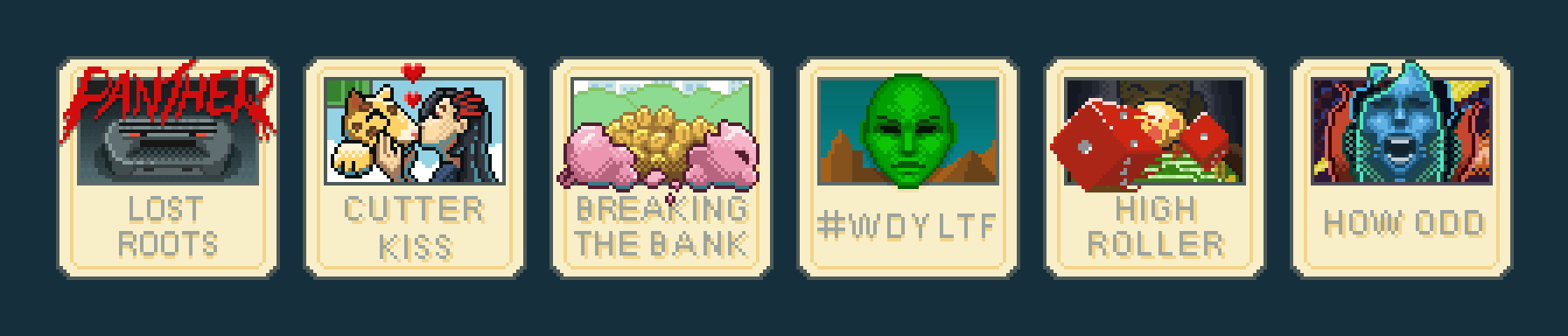
    With all that in mind, when I actually started putting together Flappy McFur, I was a bit lazy in figuring out how to do 8-bit paletted graphics. So, for a long time, I was dealing with performance issues, especially when music was implemented. It wasn’t until late in development that most of the graphics were converted to 8-bit paletted sprites for 16-bit sprites. This was a good switch though as it allowed us to do fade transitions easily.

    Box and Manual Art

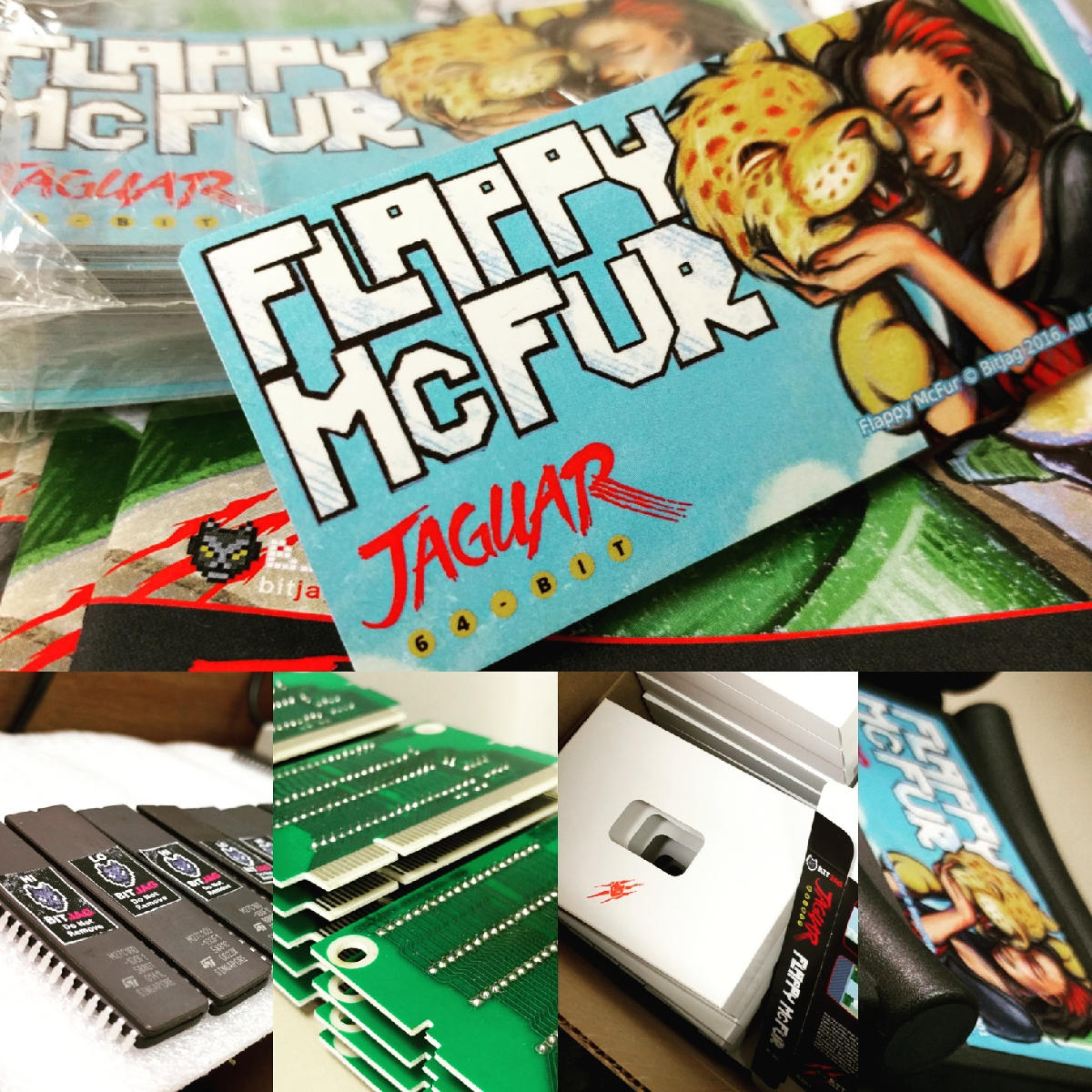
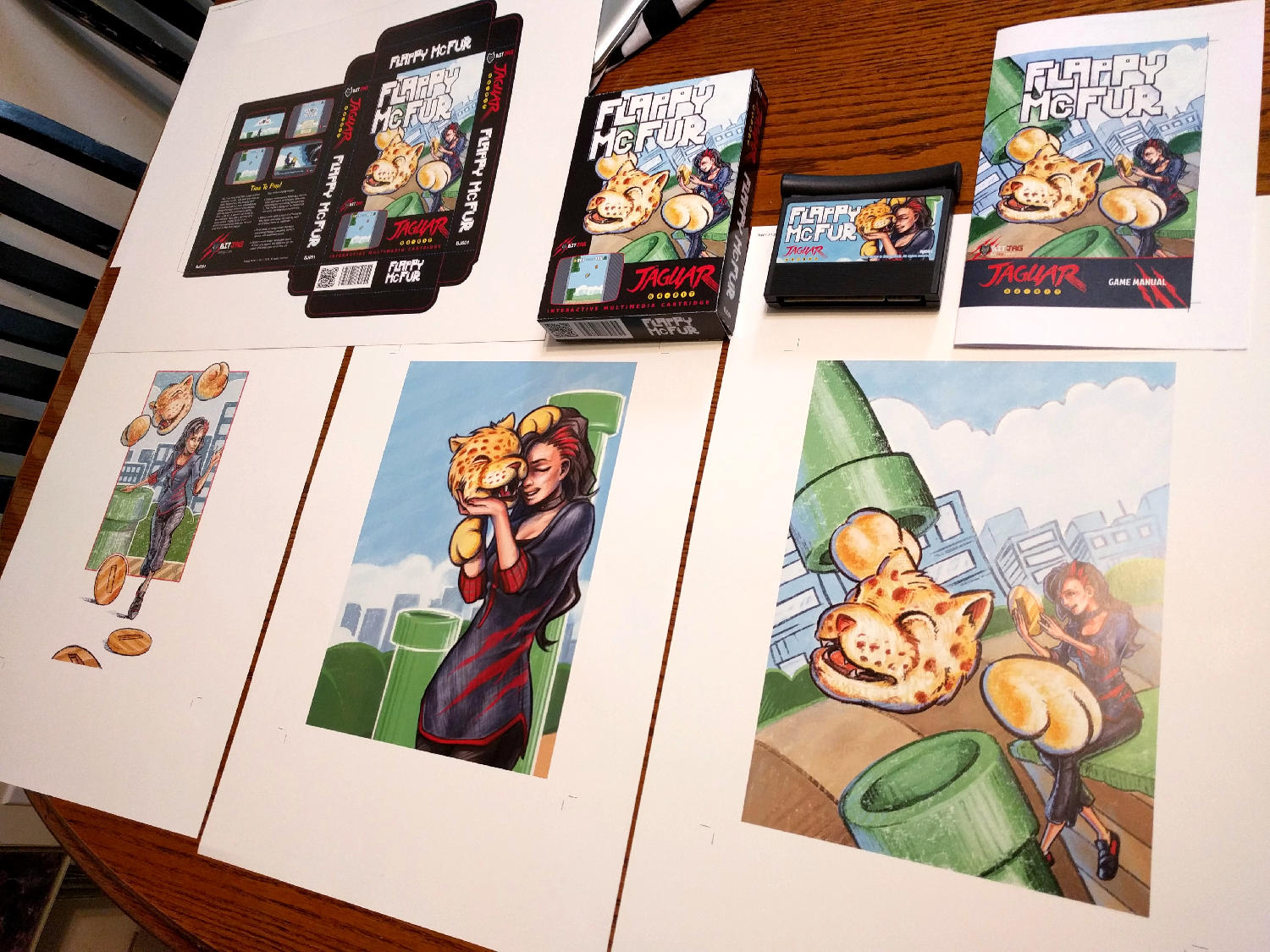
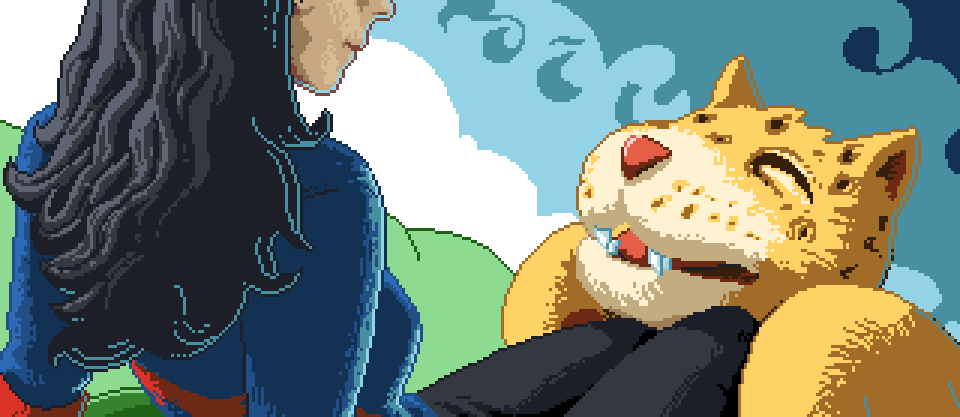
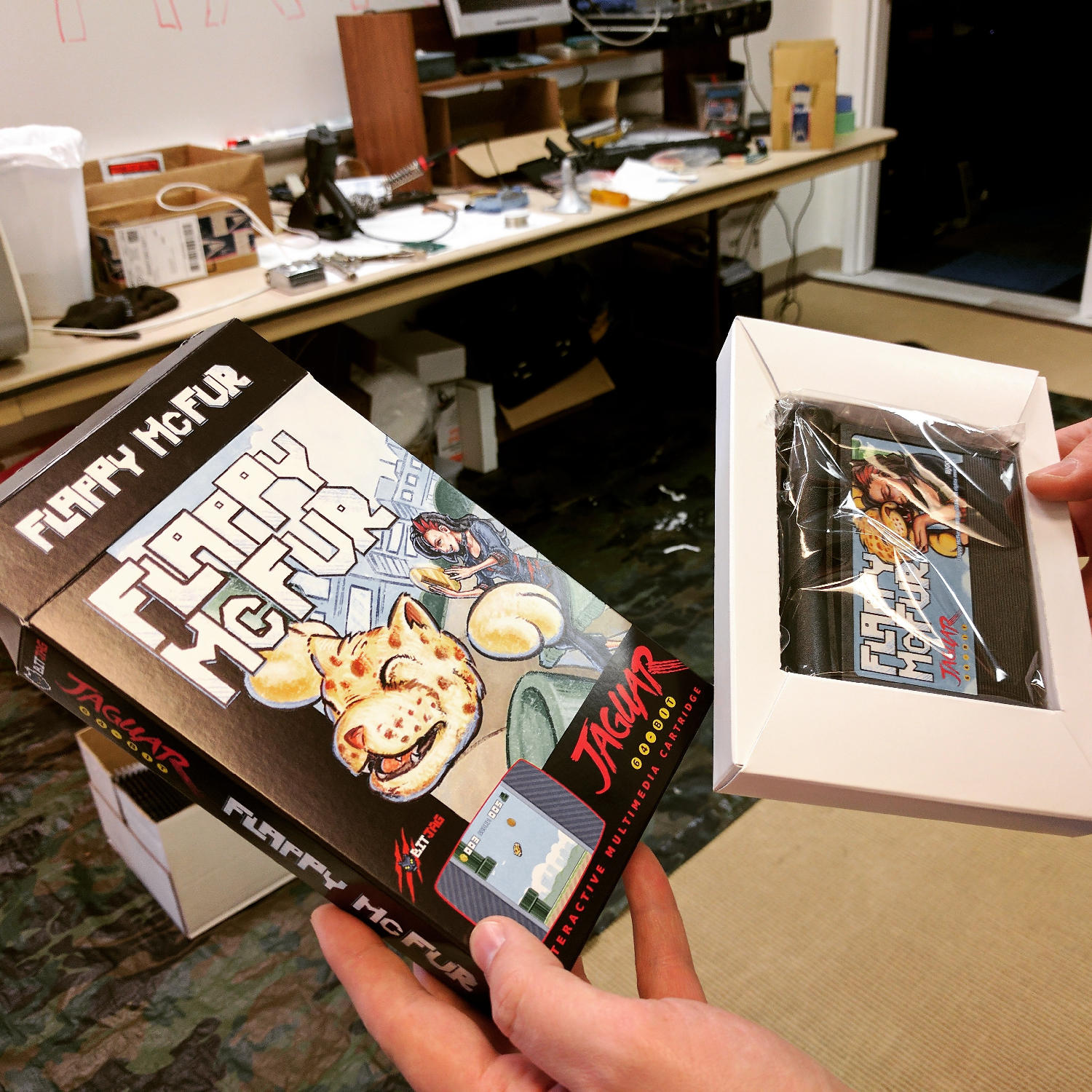
    I initially wanted to do more artwork for the game, but the 3 primary illustrations ended up working really well for our needs.

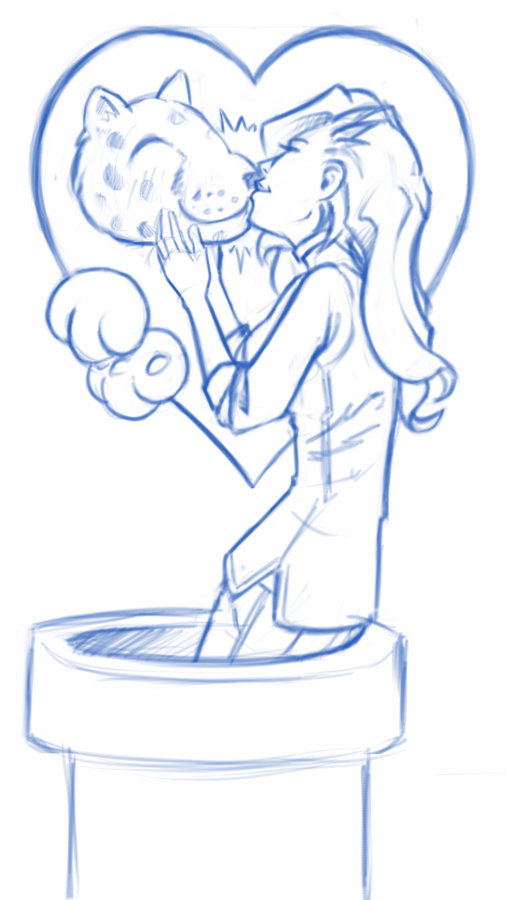
    The first illustration was used to establish the character relationship and heavily influenced the game in both tone and narrative. The colored pencil and crayon look of the artwork was intentional as well. It gave it an elementary, non serious feeling throughout, inviting everyone to come and pick up the controller and play.

    Video Content

    I tried to keep any video advertisement minimal since the beginning. Primarily because if how time consume it is, but also because of the uncertainty of actually releasing the game.

    When we decided to actually finish up the game and release, effort was spent to get a good video for advertising the game, and a good gameplay video. At the end of the day, I am not too sure how much these videos helped at the end if the day, but they were nice to have, and will be good to have for history’s sake.

    The release and marketing

    Newsletter

    In and effort to reward our mailing list subscribers, we made sure that everyone that had signed up knew about the game first, we also provided a small discount for them as well. The discount was taken advantage of by a handful of our subscribers, and is something that we will definitely do in the future.

    Press Release

    It was fun to actually learn how to put a press release together for news websites. I distributed to a handful of people, with little response. Again, this was good to get familiar with, and it serves a good historical purpose. You can read the press release here.

    AtariAge post

    We had a great response from the AtariAge community. With part of the press release and other details about the project, including videos, we began selling the moment the announcement hit the forum. AtariAge Forum Thread – http://atariage.com/forums/topic/258180-flappy-mcfur-homebrew-now-available-to-order/

    Before people actually had the game in their hands, many of the comments were about the pixel art, and general support for the release. Responses to gameplay have been… mixed, maybe. Its hard to tell if people don’t want to say anything bad about it, or they are just a bit frustrated about its’ difficulty. Either way, below are a few reactions for the AtariAge forum thread.

    Hyper_Eye

    My wife and I enjoyed spending the evening playing Flappy McFur a couple nights ago. It’s certainly addictive. I found myself getting the controller back less and less. My wife and I probably haven’t played Jaguar together in 10+ years. She buys me Jaguar games as gifts and watches me open them. Maybe she’ll watch me play a bit. It was nice to actually play together. Thanks for the effort you put in to it!

    Swansea_Mariner

    Wow this game is hard, I just can’t get past pipe no. 9! I really like the dogger mode.

    Saturn

    Thank you (all) for this wonderful addition to the Jaguar library. Hope to see more.
    Reviews

    By way of reviews, we did have one website review and one YouTube review. Both favored the game. Thank you for the reviews! Links below.

    A small mention on the Retro New Roundup – https://youtu.be/FfeYMKsktFM?t=3m22s

    A more full written review on a more official news website – http://thegg.net/retro/atari-jaguar-gets-a-brand-new-homebrew-game-called-flappy-mcfur/

    A fairly thorough video review done by crusherbad64 – https://www.youtube.com/watch?v=5lo5AHXrhCU

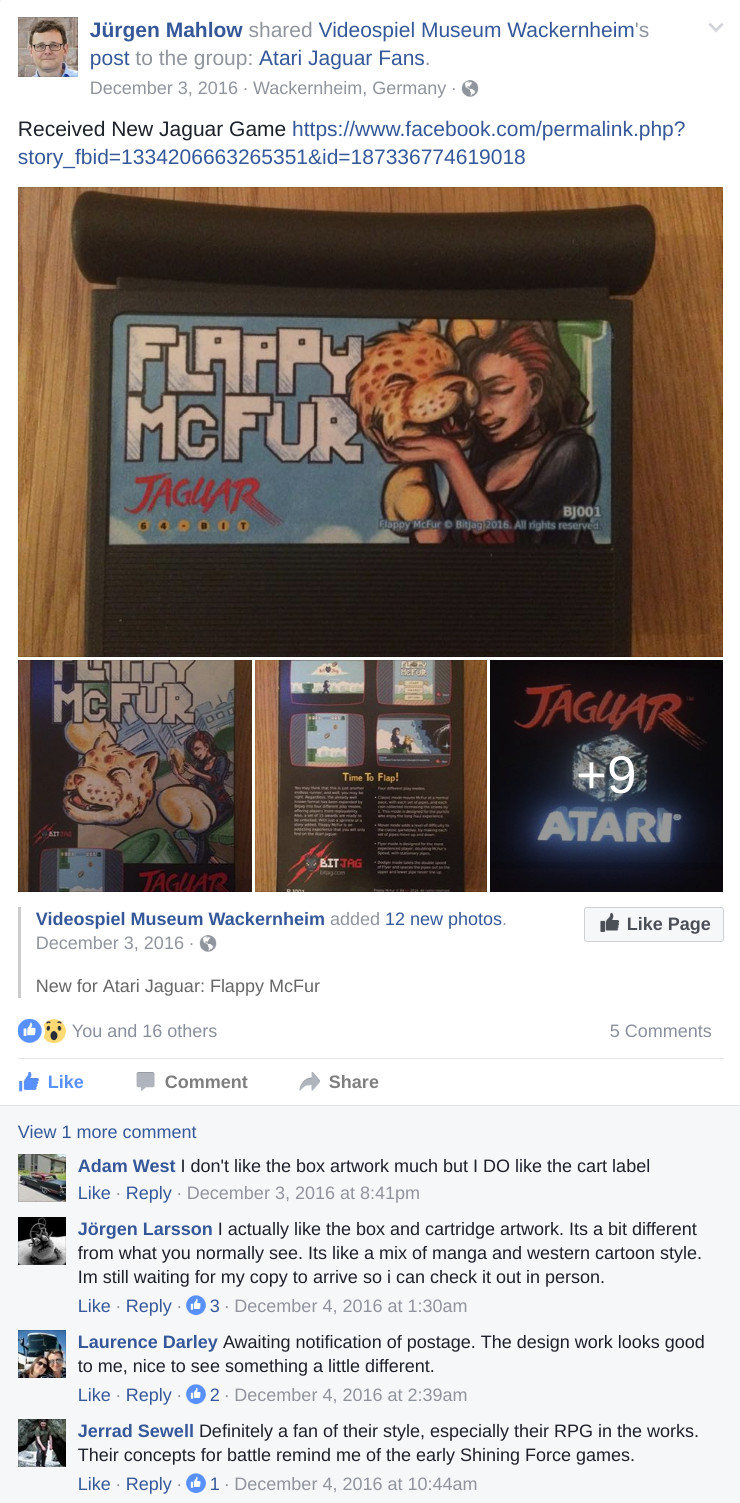
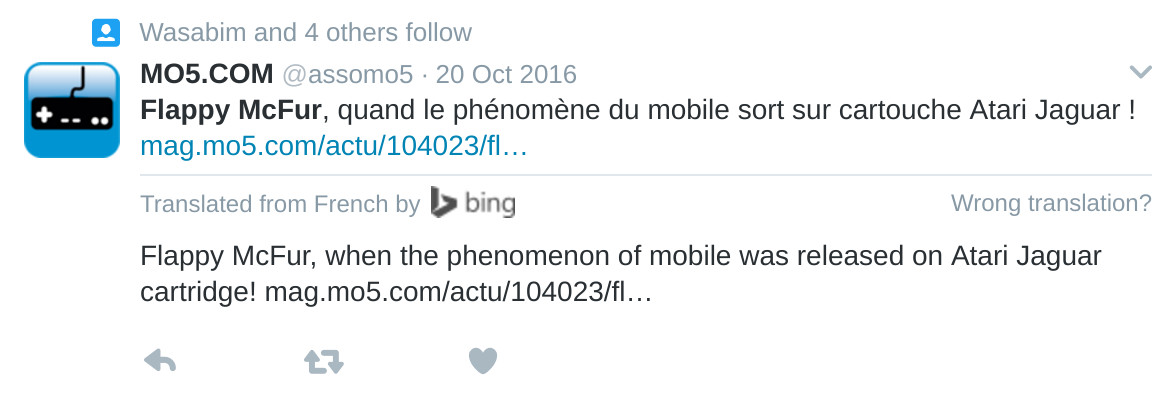
    A nice little mention of Flappy McFur on a French Jaguar fan blog – http://jagfan.canalblog.com/archives/2016/11/03/34517203.html

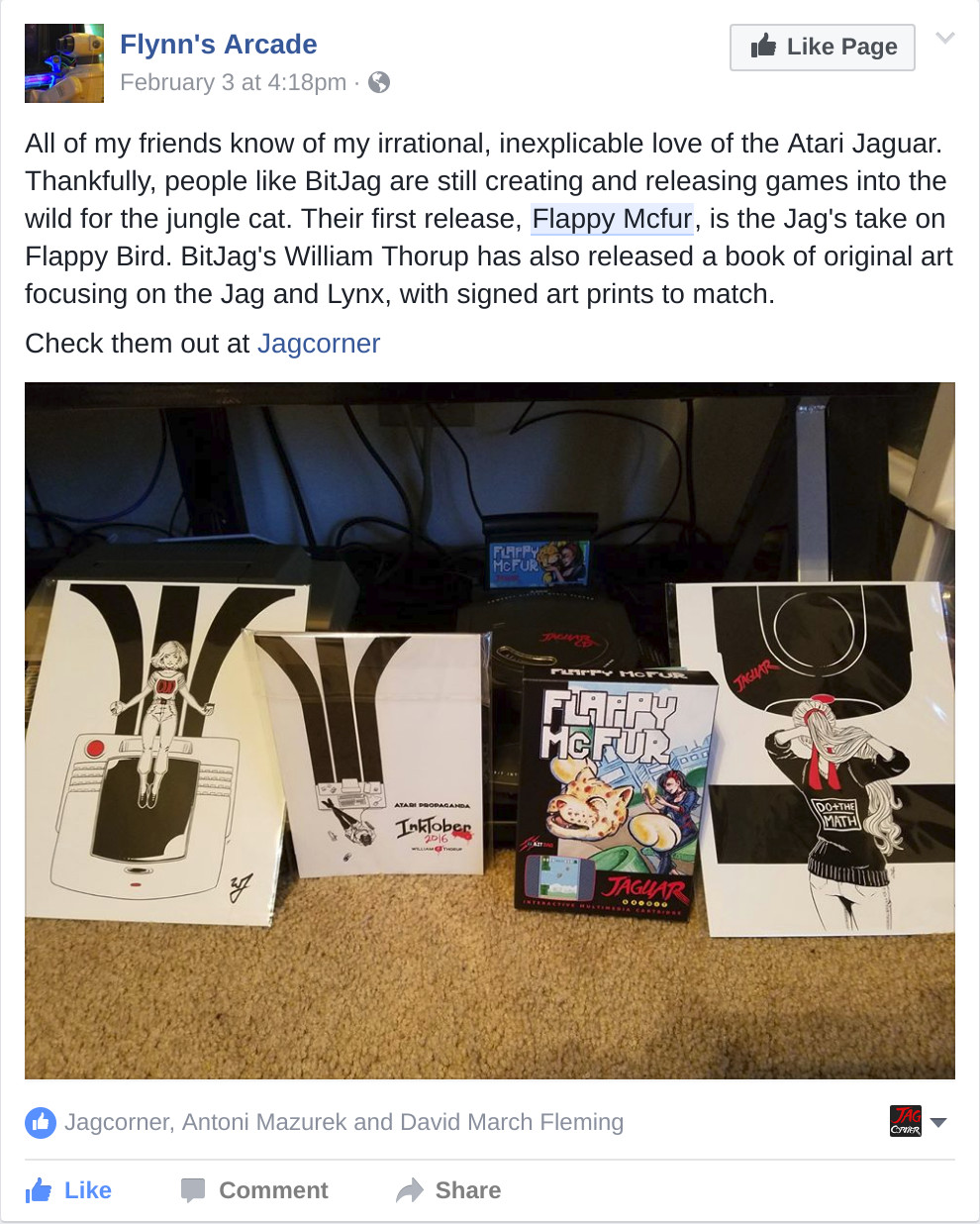
    Other Social Media Posts
    Links

    Flappy McFur BitJag Project Page – http://bitjag.com/project_5.html
  • Star Wars: Legacy of the Force – Fan film – Happan Ambush CG Sequence

    Star Wars: Legacy of the Force – Fan film – Happan Ambush CG Sequence

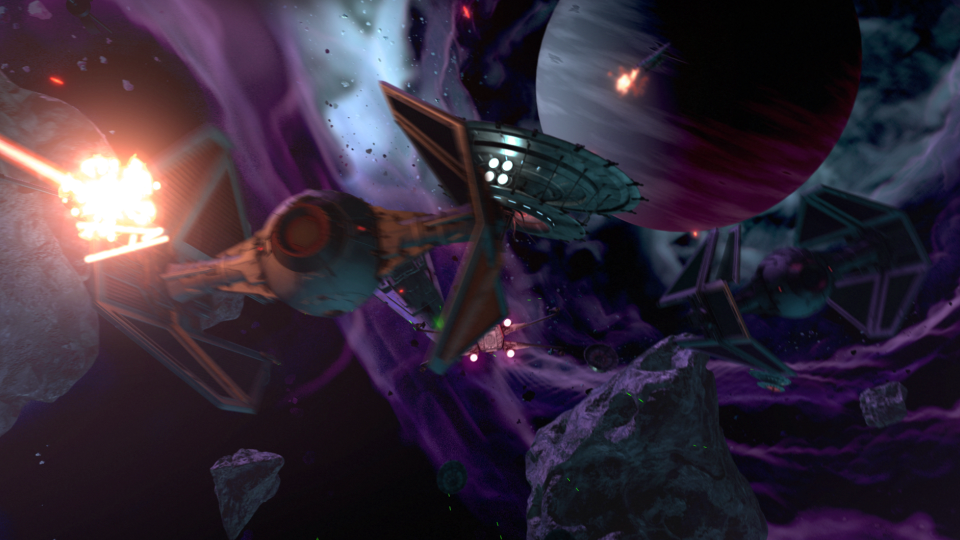
    This post has been a long time in the making. Some time around the beginning of February of 2015, we approached the James brothers ( a utah local film crew, and artists) who currently involved with a locally made Star Wars Fan film called “Star Wars: Legacy of the Force”, primarily produced by Tye Nelson and directed by Danny James. We asked if they might have something that we could work on in regards to VFX, and they had something big that needed work on.
    A quick thank you to Jacob Thorup and Bryce Thorup for letting me work on this at work, and also for providing critique. Micheal and Heather Buhler for their feedback. And finally Tye Nelson and the James brothers for allowing me to work on this project. Thank you!

    (Note, my details about what has happened in the production are very slim, I was third-party primarily, and most of my details come from conversations and emails from both the James brothers and Tye Nelson.)

    Be sure to watch the whole film at legacyoftheforcefanfilm.com

    The Proposal

    At this point in production of the fan film, everything was shot, and basic edits had been put together. This rough cut also featured a rough intro battle sequence which was strictly CG. You can see a what this looked like through this video at the 00:09 second mark, hosted on the creator’s channel. The producers and directors were not completely satisfied by this product, that was produced by another artists, other than myself. Because of this, the James Brothers offered to have me take a shot at it. I said yes.

    In case you don’t wish to spend the time to go through the rest of the article, I put together a quick video that goes through a bit of the development process, along with a break down of the final shot.

    Pre-Production

    So began a fun, frustration, enlightening, and enjoyable adventure of the most complicated CG shot I have done to date. I used Blender as my primary tool, and I eventually moved into After Effects for my final compositing.

    Based on some notes from the James Brothers I began reworking the current sequence to be something a bit more dynamic and interesting. I started off with just a small piece of artwork produced for the Star Wars official card game, and with some ideas of making it look like the fight was taking place just in upper orbit around a planet.


    animatic_1_1animatic_1_2animatic_1_3animatic_1_4animatic_1_5


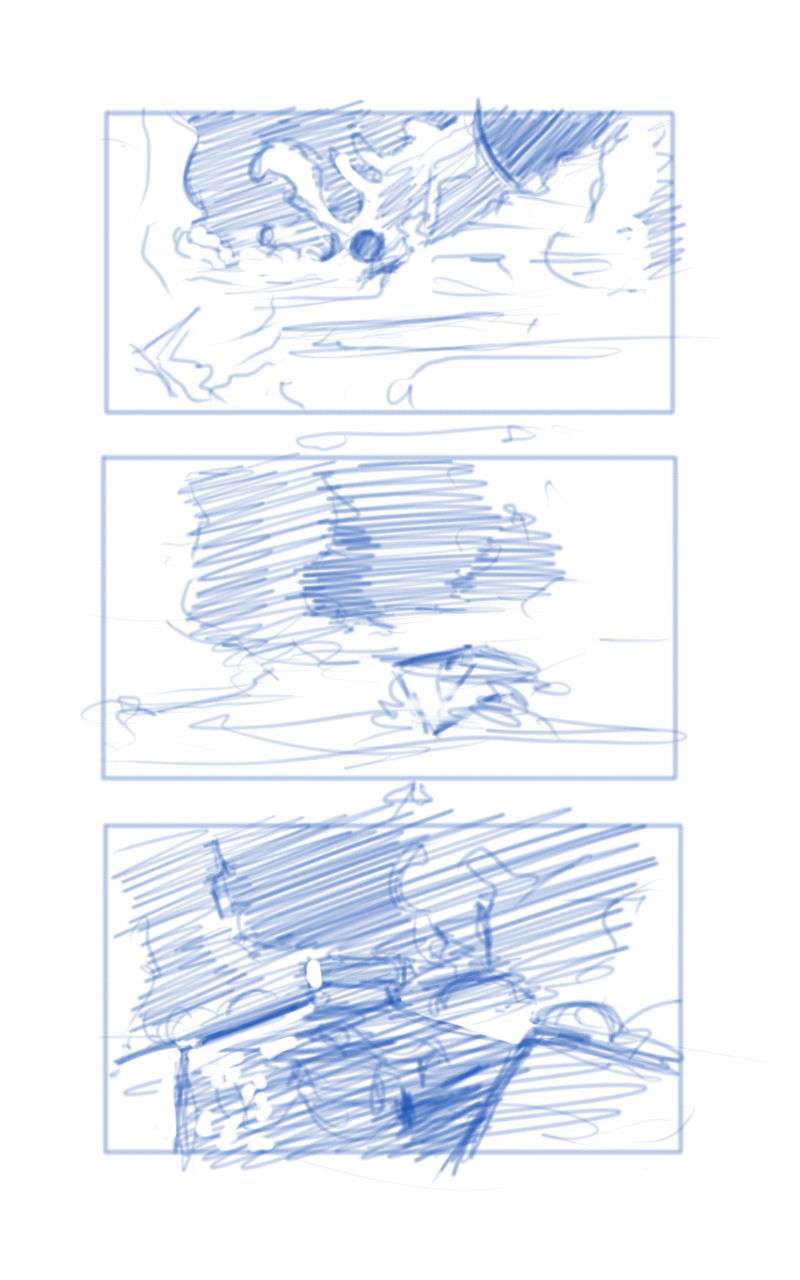
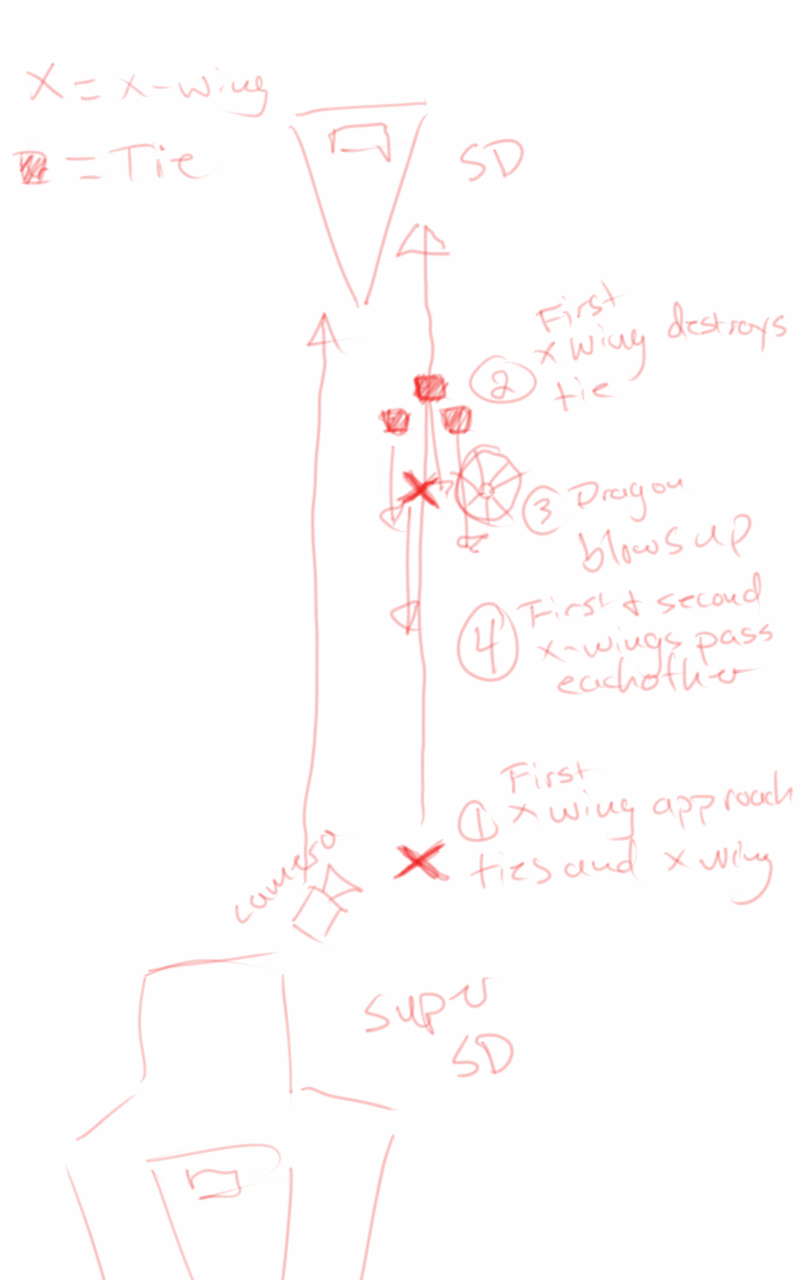
    This is where the first animatic came into play. This was largely shooting from the hip, and I put a little too much effort into the background and lighting, which should have been left for later in the process. I enjoyed this idea, but it wasn’t what the producer was looking for at the end of the day. It was ultimately scrapped.

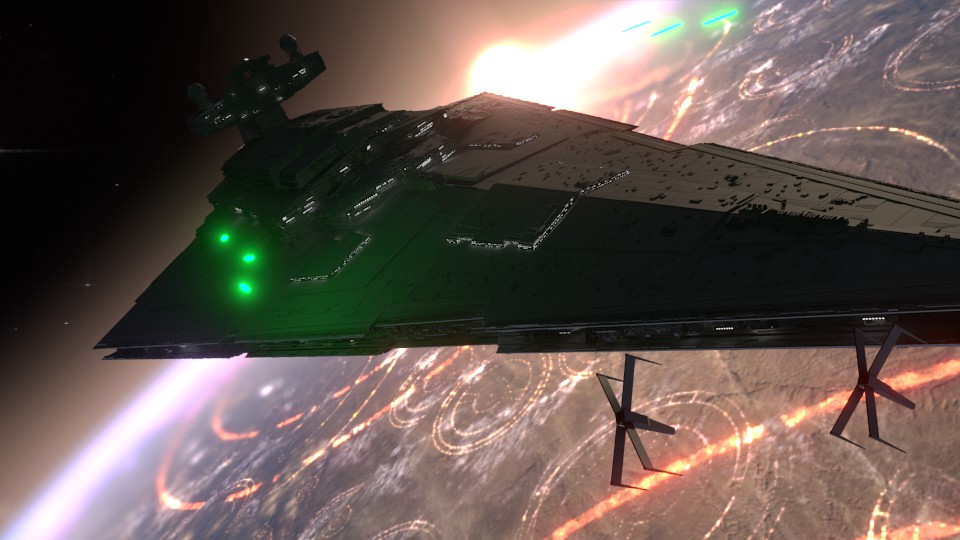
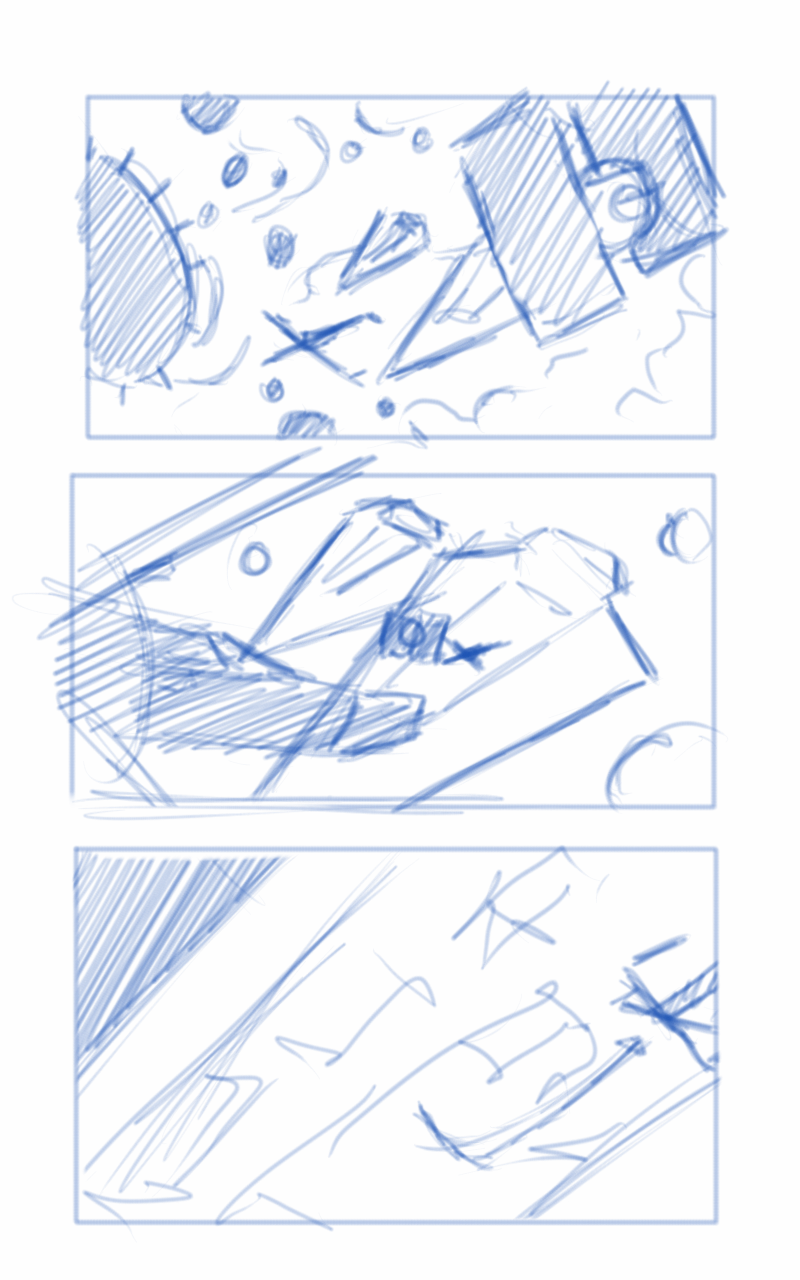
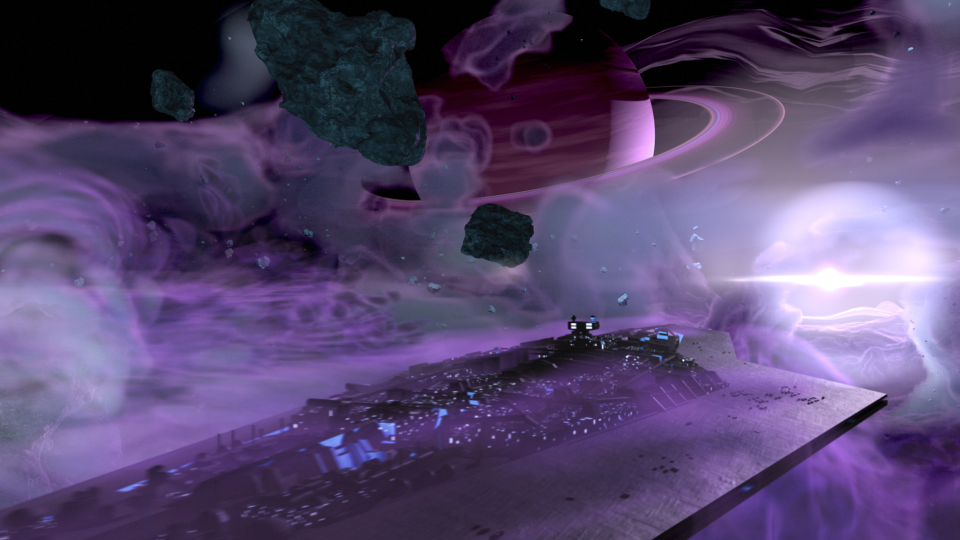
    The second animatic took to the original sequence, and basically mimics it for the most part. I decided to adjust the introduction of the Super Star Destroyer, as I thought a rising from the dark mists would feel a bit more ominous, and letting the viewer take in its vast size would help to maintain the brooding force that it is.


    conceptart_1conceptart_2conceptart_3conceptart_4conceptart_5


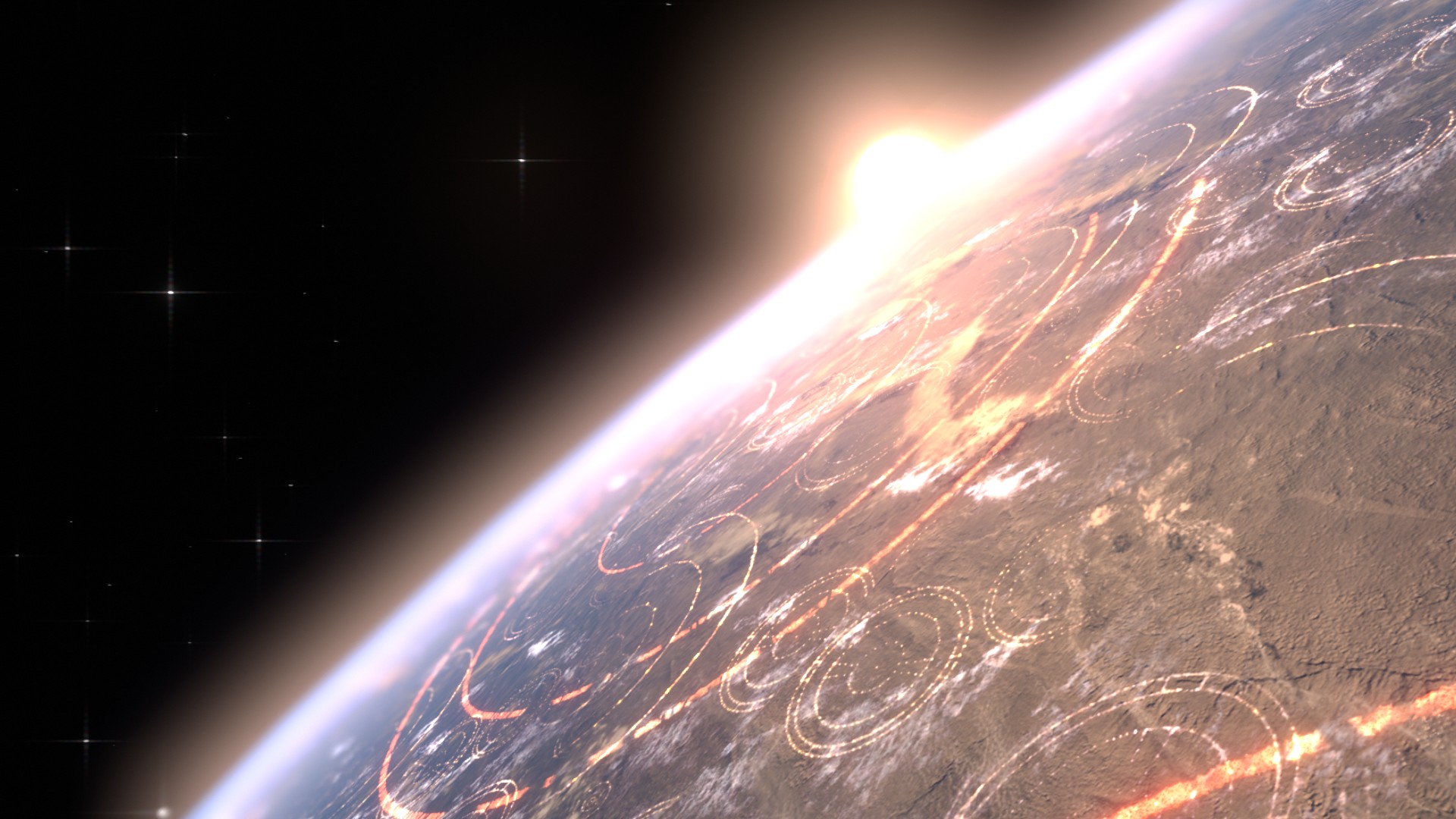
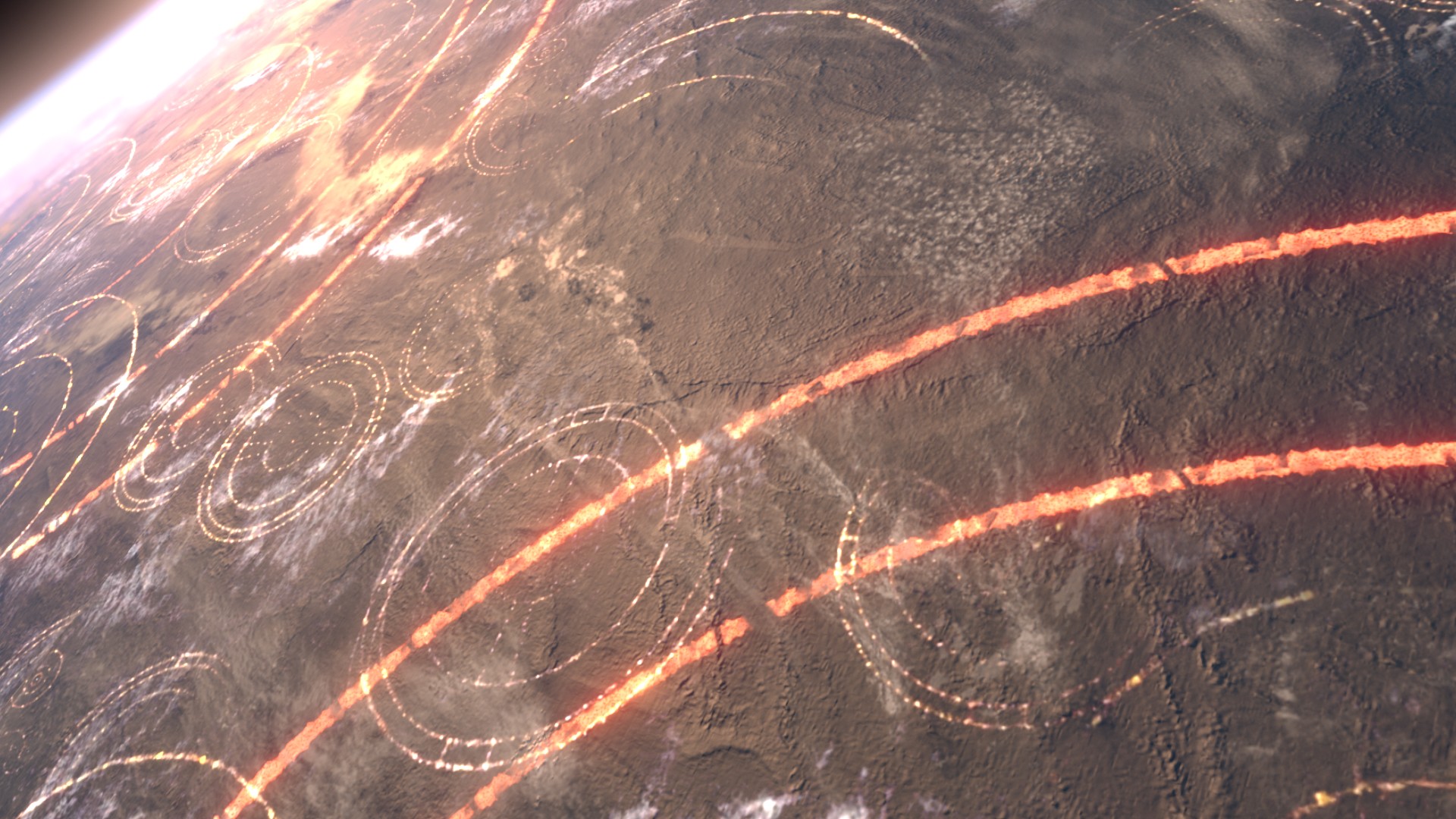
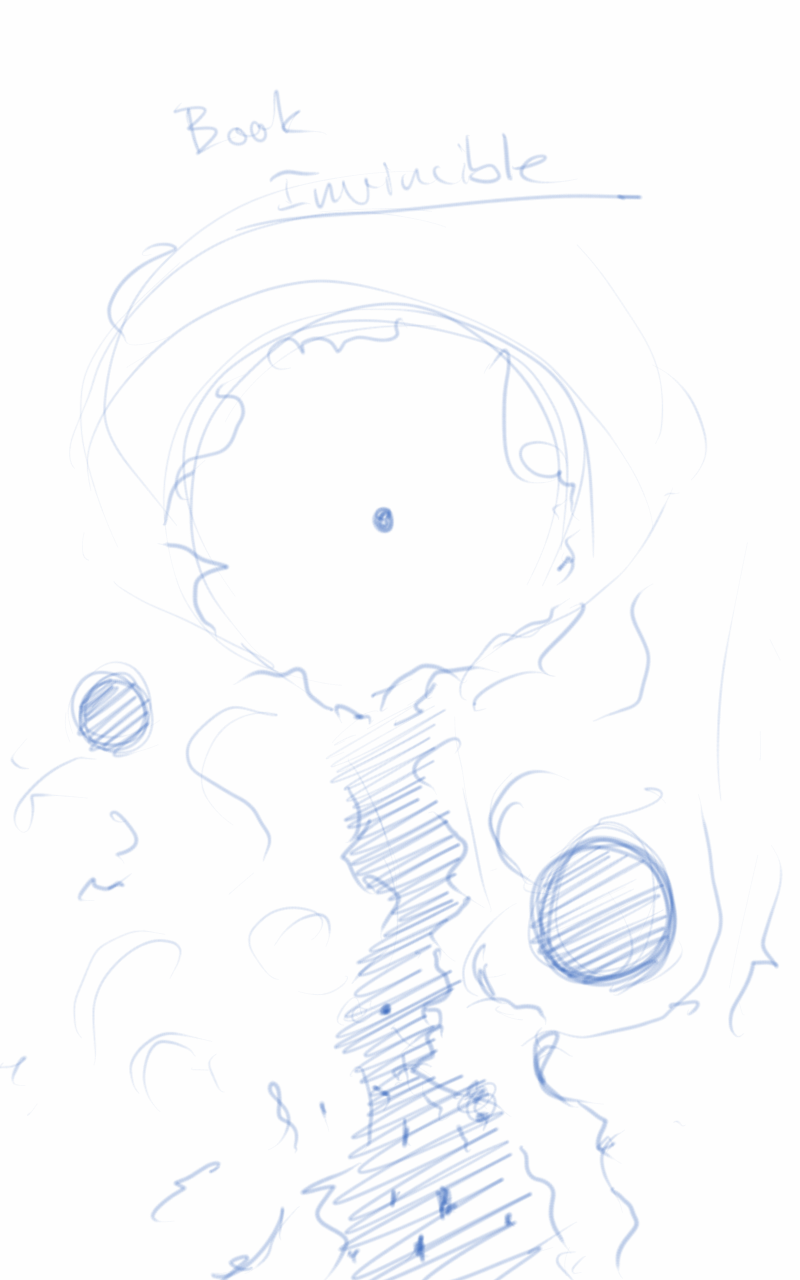
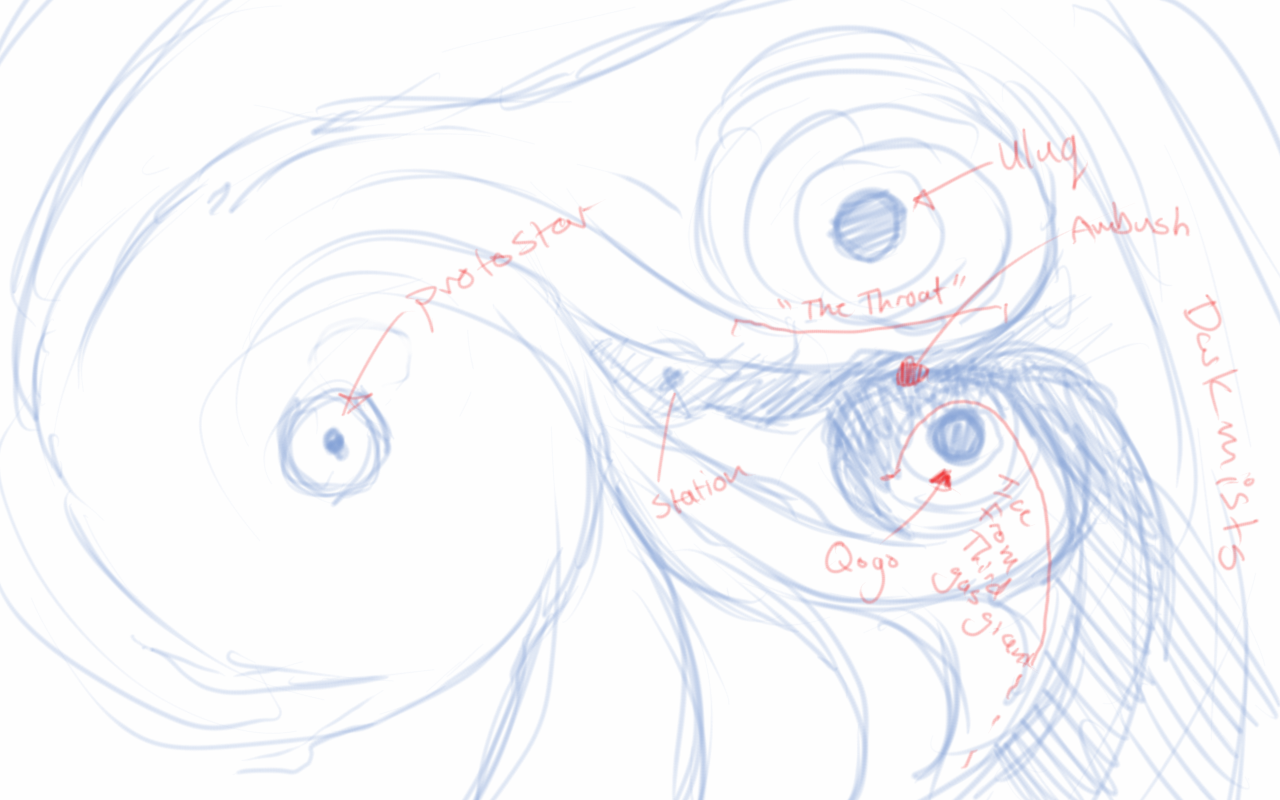
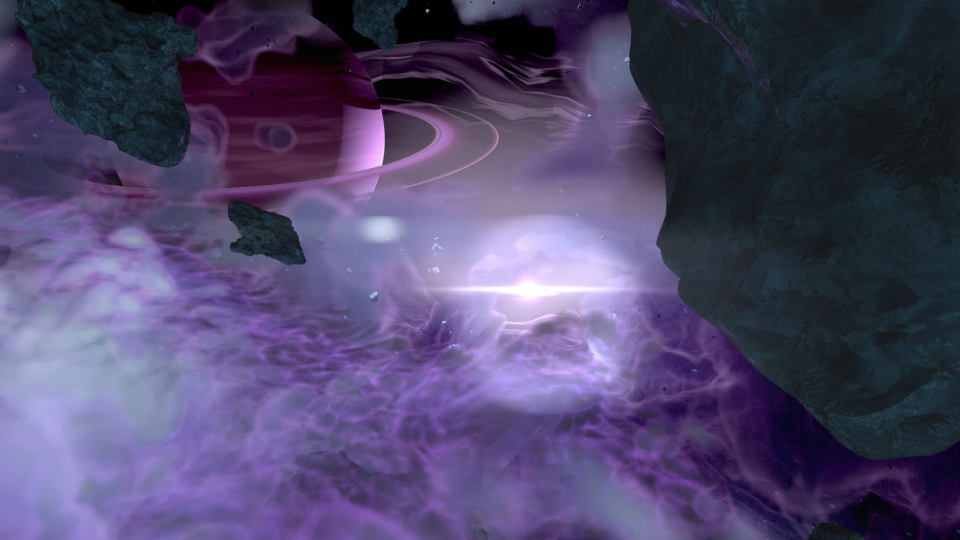
    The third animatic is much more refined. If I remember correctly, I had been given source material to work with, and I had already begun creating the environment at based on that material. In essence, the environment was created by one gas giant colliding with another, creating a large mass of debris and material between the remaining two gas giants. These all orbited around a proto-star. The source materials paints a darker environment on the page. I deviated from these details to help created a vast sense of scale with the nebula, and how small all the space craft were in relation to it. This required more light, so I made the star brighter than what is described in the book.

    After the movement of the main players in the sequence was locked down, and the animation for the main space craft was finished, I set to work on the actual spacecraft themselves.

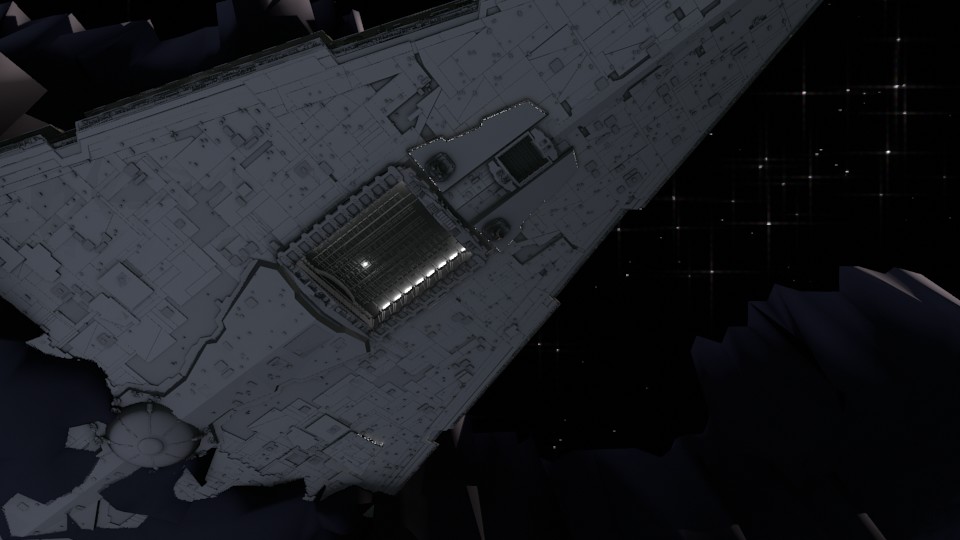
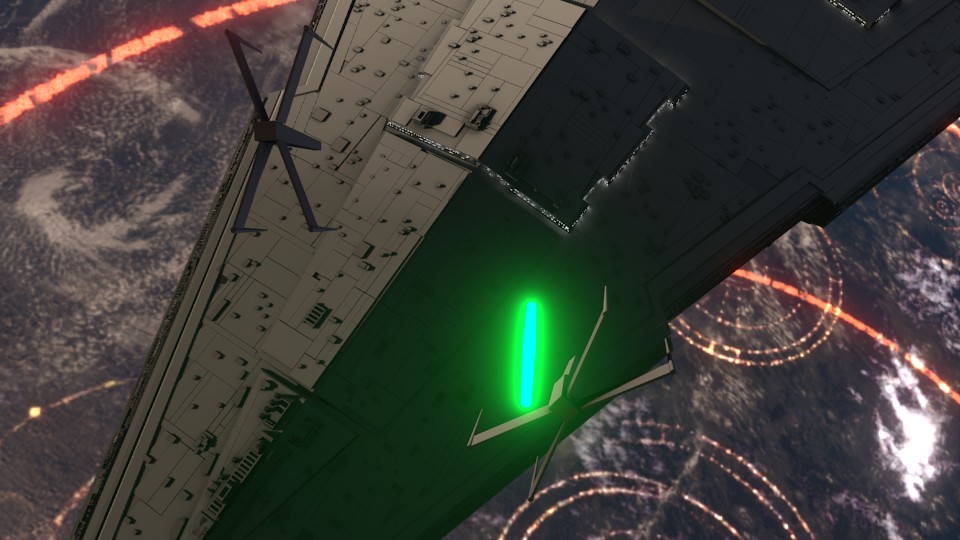
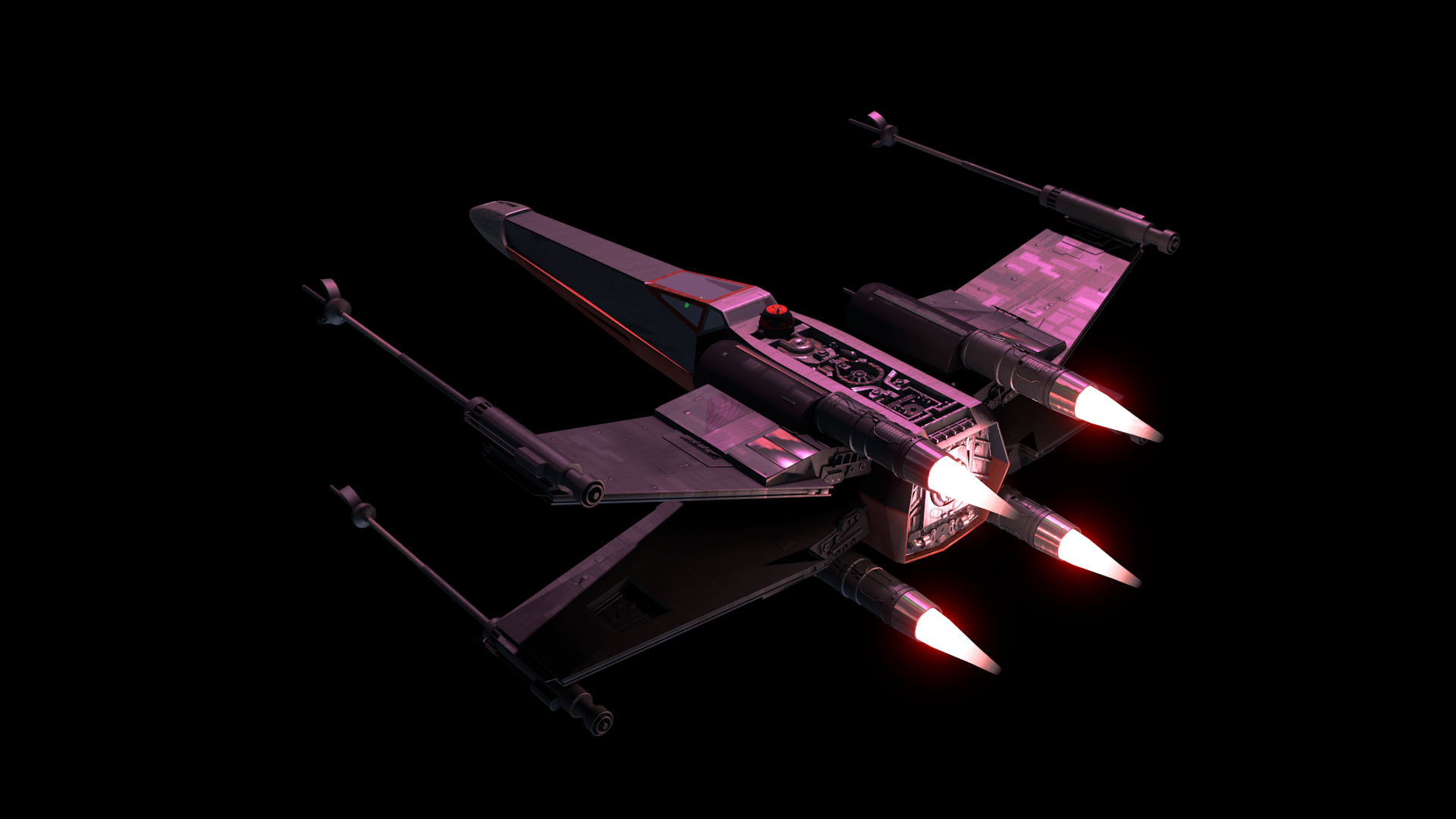
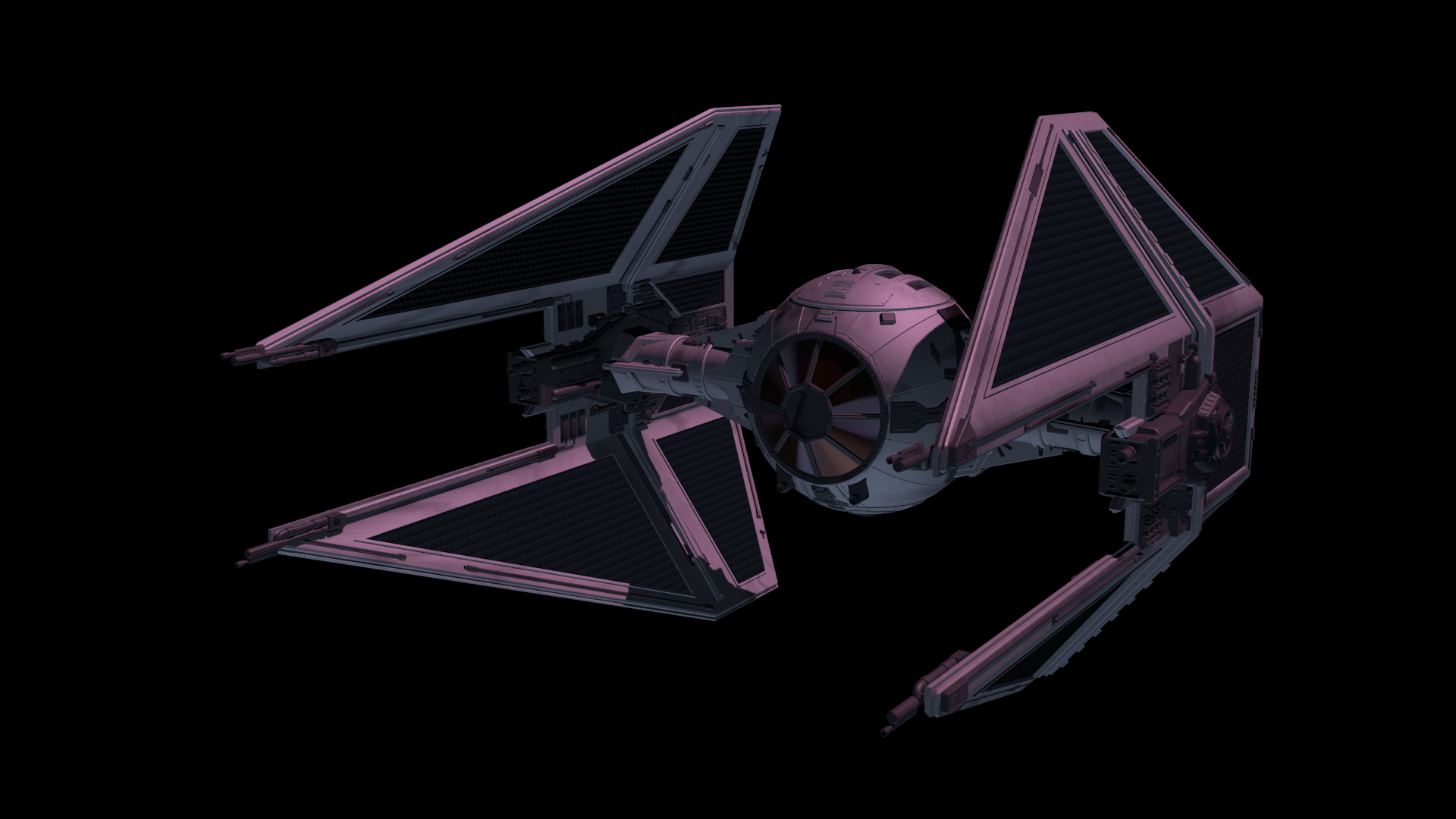
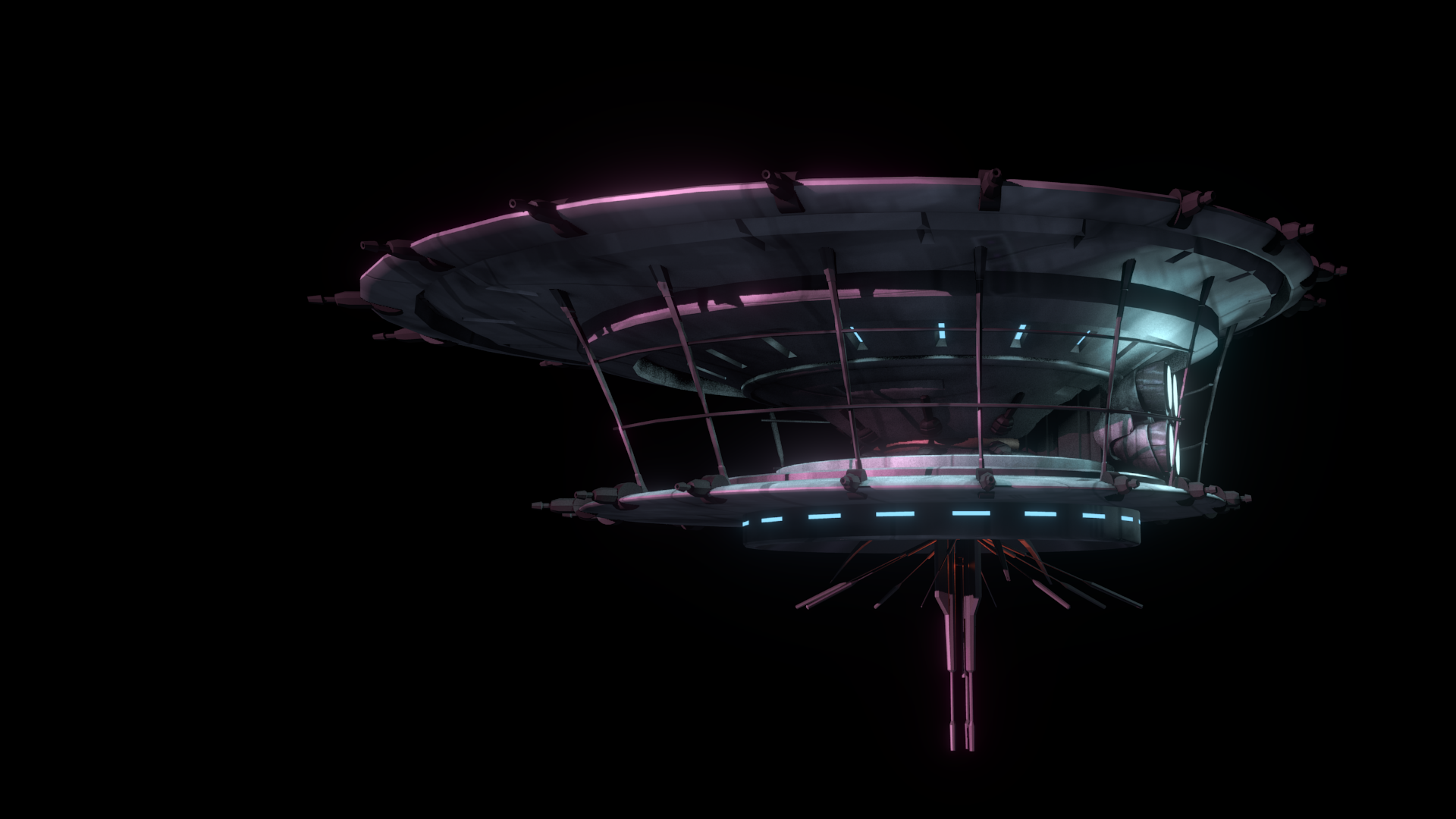
    The base models were downloaded from scifi3d.com. This site hosts donated models from a ton of different sci-fi universes, and it had everything I needed for the sequence. After getting the models, I spent a good chunk of time cleaning them up in Blender, texturing, and additional modeling, before bringing them into the final scene to replace the proxy models I used for the animatics.


    x-wing_5-15-15_2x-wing_5-15-15tie_5-15-15_1hapan_5-15-15


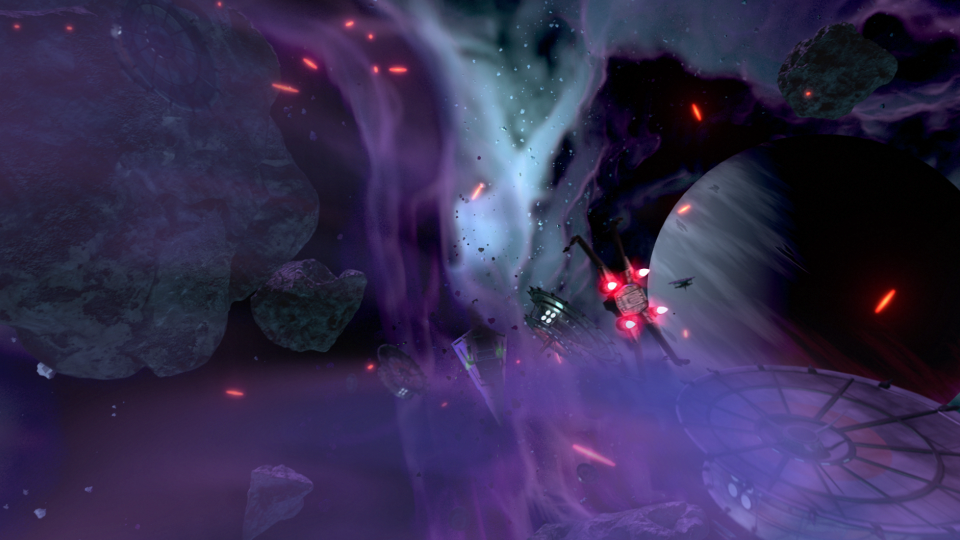
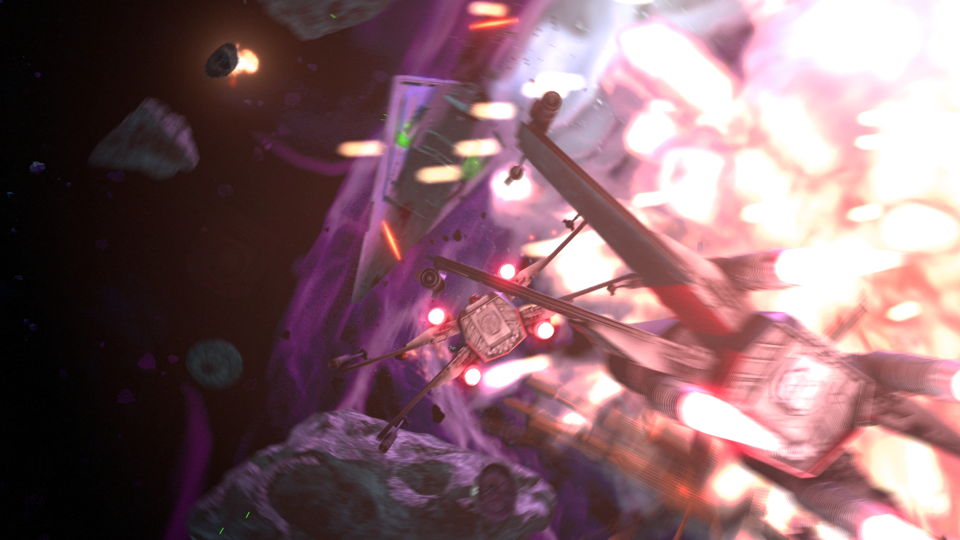
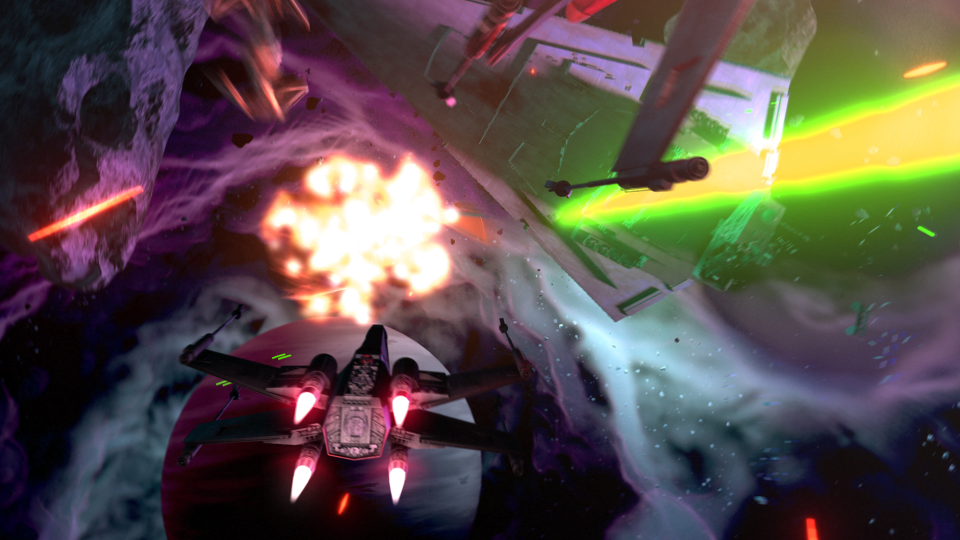
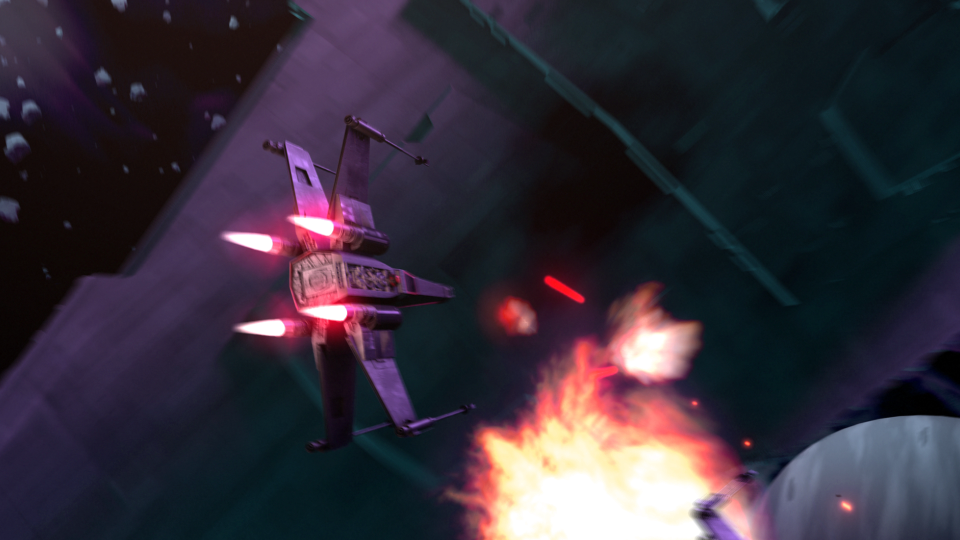
    After the models were brought in, simulations for fire/smoke and other debris were done, along with blaster fire. Then came rendering everything out for compositing.

    Each render layer was done separately. The x-wings on one layer, the tie fighters on one layer, the planets on one layer, etc… This was to accommodate any possible changes without having to render the whole scene again. The only requirement to this workflow was to make sure that the animation for the camera never changed. This allowed all the separate layers to match move with each other, and if a layer needed changes and rerender, all you needed to do was replace the frames for that single layer in the final composite.


    ambush_final_0ambush_final_1ambush_final_2ambush_final_3ambush_final_4ambush_final_5ambush_final_6


    I moved my scene layers over to After Effects to composite there. I was originally planning on compositing completely in Blender, but there was a possibility that I wasn’t going to be able to finish things myself. I needed to move into a program that someone else could use in case I couldn’t finish. This did help speed things up though, as I didn’t have to render motion blur out of Blender (really slow…), as I was able to replace this with a much quicker effect in After Effects called Pixel Motion Blur.


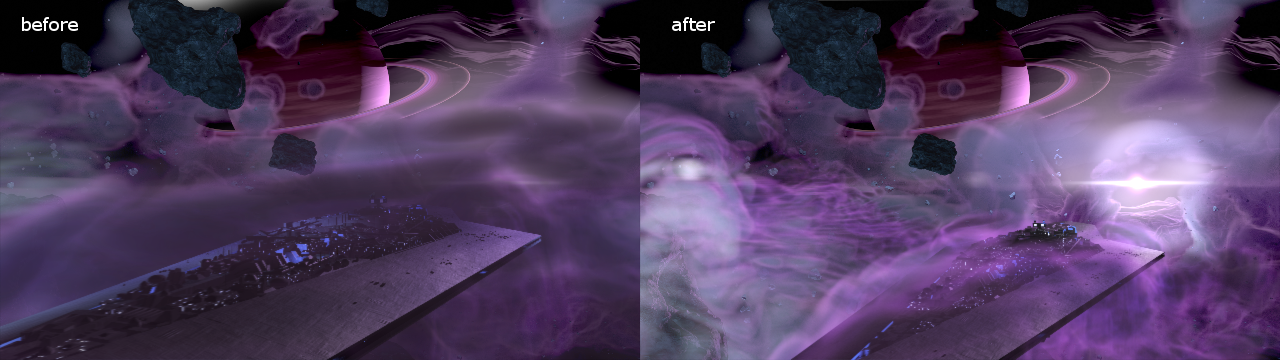
    SSD_before_after


    Due to time constraints, and because of the amount of time I had spent on the project, I wasn’t able to add specific post effects like heat distortion. But at this point it is time to move onto other things. Overall the experience was gratifying. I ran into a ton of situations I have not encountered before, and I was able to successfully navigate through them, and learn a host of new things along the way. I have gained a deeper appreciation for the work that goes into a shot like this, and I know why it takes more than one person to pull it off well.

  • Wendigo of Terror | Illustration/Concept Art

    Wendigo of Terror | Illustration/Concept Art

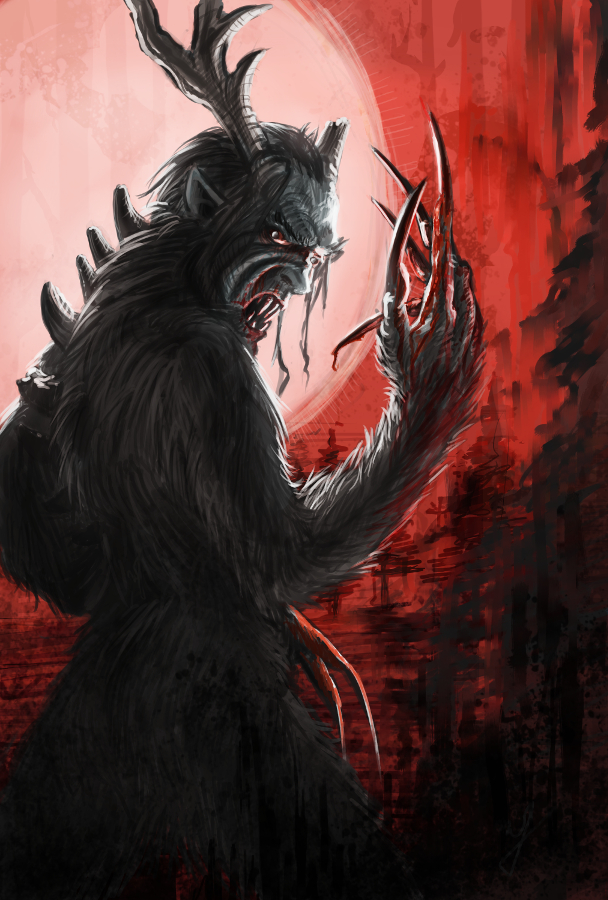
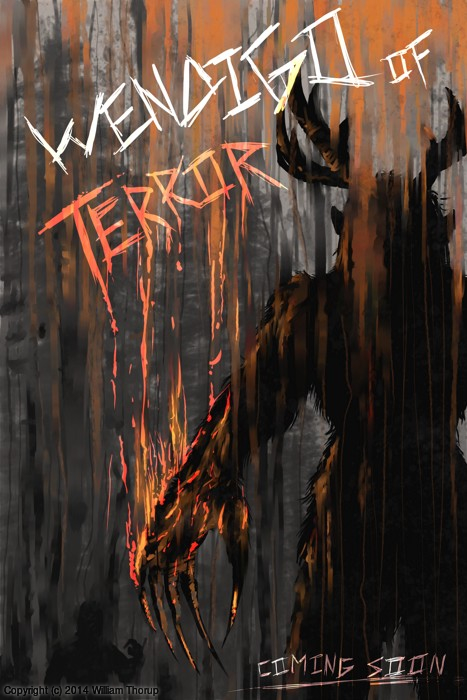
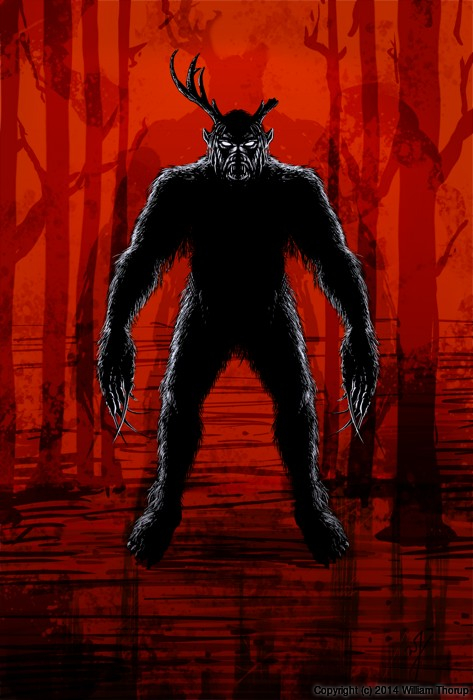
    Here is another piece for your eyes, a treat. You may be thinking to yourself that this isn’t the kind of work I usually do. You would be right in thinking that, this is definitely off the beaten path for me, and here is why.


    wendigo_colored_web


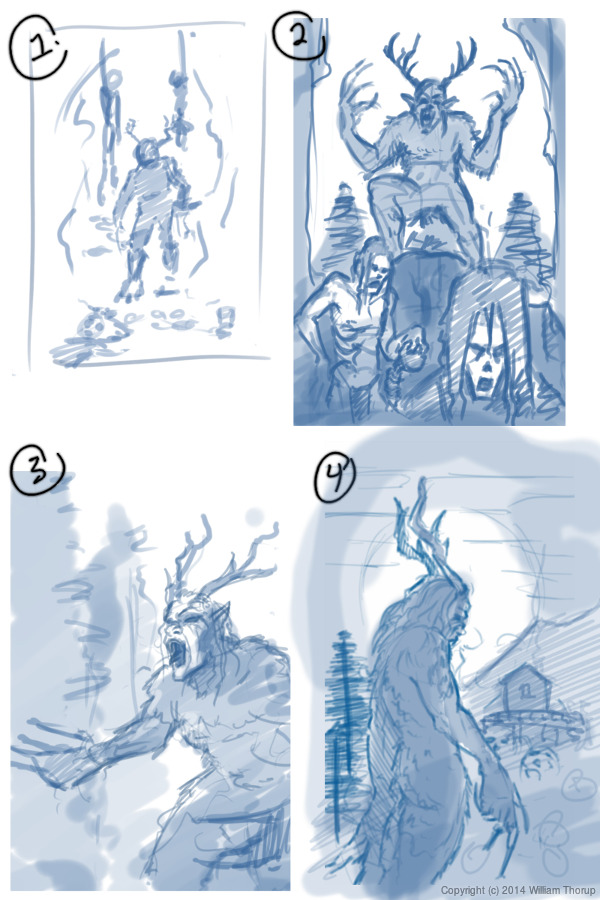
    Wedingo_Terror_thumbs_webwendigo_of_terror_poster_ideawendigo_2_tone_front_flattened


    We have been in some minor communication with someone who works at Arrowstorm Entertainment. A movie studio here in Northern Utah that focuses on fantasy and science fiction films. This person asked if I could put together a concept piece for a possible B horror film monster. A Wendigo creature that originates from the Great Lakes area of the United States, and is usually centered around myths that deal with the, pseudo, adverse effects of cannibalism. The content isn’t my favorite, but the job paid good, and it gave me a change to stretch out of my usual bubble.

    I did quite a few thumbnails for this piece (20+) and actually did three complete paintings, before we found what the client liked most. The process was very enlightening, and had allot of momentum. Really, the momentum is what made this painting fun. The client was in constant communication with me, and gave feedback when I needed it.

    Overall, I spent too much time on the painting though. I was trying to keep my total work hours under 6, but ended up going over 9. This was for a few reasons. First, and foremost, when I was first presented the job, I should have asked a bit more about the production and where it was currently at. This leads to the second problem. The project had hardly been refined, and the story, background, and other details about the creature, where watery. This is why so much time was put into thumbs and other paintings.


    I should have stepped back, asked the client to refine their ideas a bit more, and then approach the painting after a bit more forethought was applied.

    I am happy with the end result, and the client was as well. I hope to have a bit more work with them in the future, and hopefully work on some of their movie posters and other concept work.

  • “Look What I Found” – Illustration

    “Look What I Found” – Illustration

    I have been painting allot lately. Unfortunately, most of it I am not able to post on my personal blog or portfolio yet. I am involved in comic book project for someone else, and I am doing concept work for some films for Thor Media. So, at the the end of the day, I am all “drawn” out, and looking forward to dinner and an episode of Star Trek. But, I have been recording most of my work, so, hopefully that work will transfer into time lapse videos for everyone to watch and enjoy in later posts.

    With that being said, I am working on personal projects when I have the time, especially Jaguar stuff. And that is focus of today’s post.


    time guardians_web


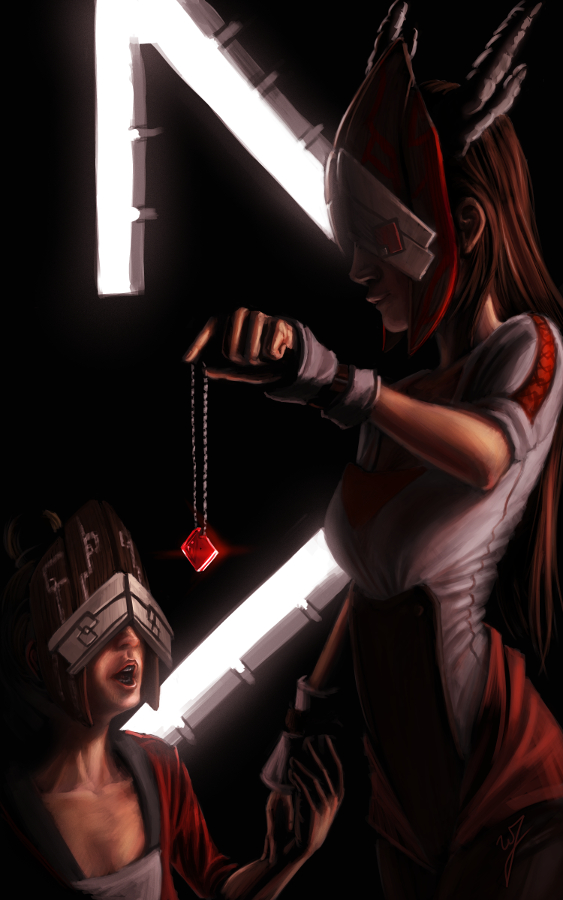
    This piece is a concept piece for an opponent in the Reversi game project called “Intellection”. In story mode, the main character will face off in a game of Reversi against all the gods in the current lore of the story. The lore consists of gods that are personifications of the different aspects of time. (i.e. past, present, future, eternity, etc…). I won’t spoil the story too much, but the primary goal of the main player is to return time to a normal state, by beating the gods in the game of Reversi. Sounds a bit better than an average game of Reversi right?


    When I am not drawing for work, I am working on game design documents and assets for our Atari Jaguar games. I really enjoy thinking about a game and its various functions. From game play, style, length, world, music, and characters. There is so much to consider when creating a game with a narrative, not including all the technical stuff, and it really is a challenge.

    We have 4 working projects (read more at http://bitjag.com/ out developer page). At this point I have two of the shorter games 75% fleshed out on paper. There will obviously be changes to certain details, but the documents give us a great starting point, and a fall back, if we don’t wish to explore possibilities and just get things done.

  • Iron Door Film | Concept Art

    Iron Door Film | Concept Art

    Through Thor Media, I was tasked with producing 3 pieces of concept art for our client, Adaptive Studios. The pieces were based on a semi-final script, with some direction from the director, and director of photography.

    traveling exhibit_web

    [column-group]
    [column]

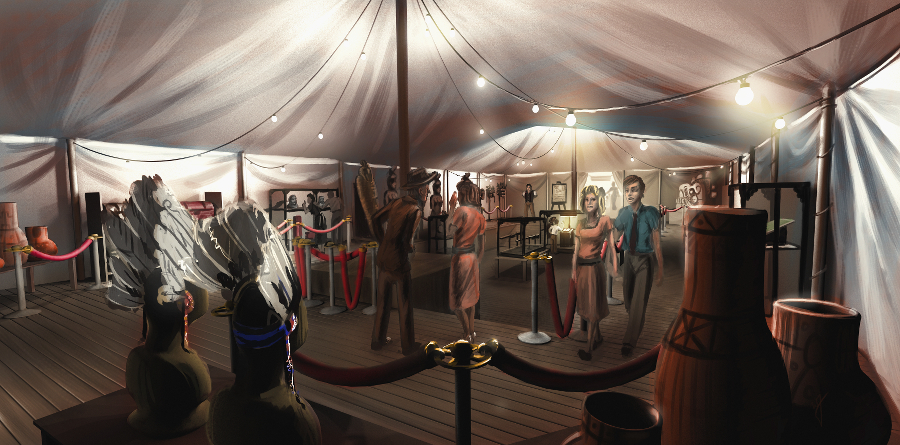
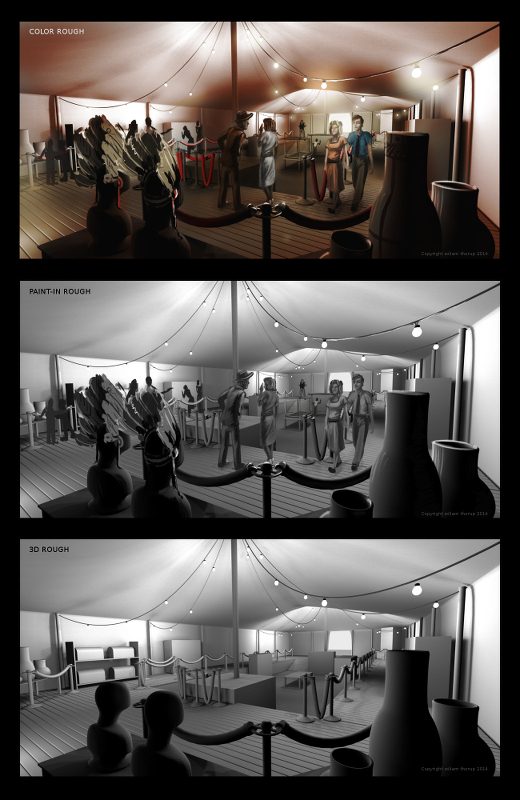
    The first piece was strictly an environment piece, based on a possible traveling exhibit around the 1940’s. This pieces primary purpose was to show potential investors that some effort and thought was being put into the production, to show that there was talent to help create the world of the story. So I tried to focus on the details of the objects in the tent, rather than characters, to see if I could just tell a basic story with the objects in the scene. This piece could be used for actual set design during production, but most likely not.

    Thieves cross_concept_web

    [/column]
    [column]

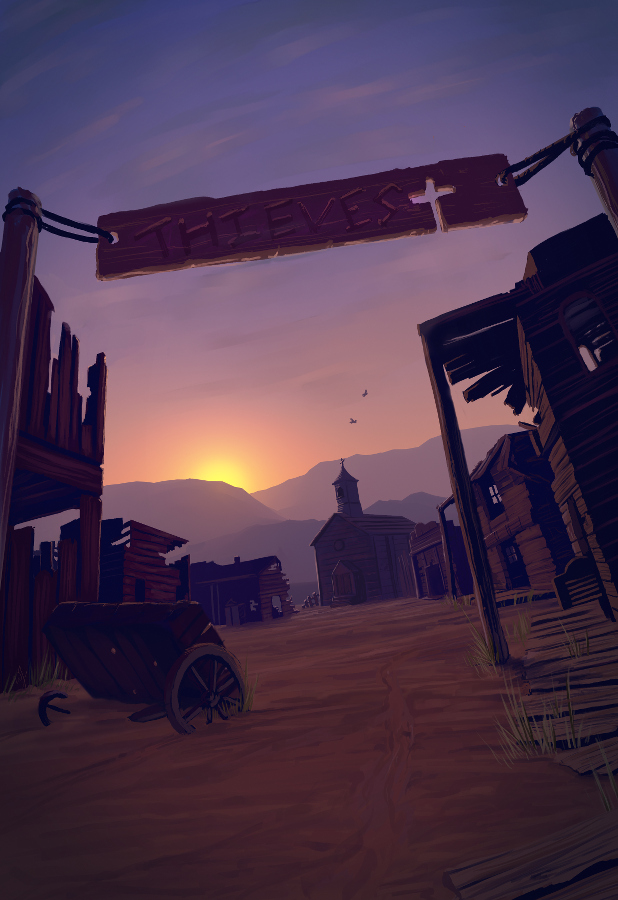
    The next painting was done for an area in the script called “Thieves Cross”. And old ghost town in the story where the main characters end up in, searching for clues. The town was originally a settlement for criminals, so, it didn’t have much in the way of development, except for the old chapel. I wanted to make the chapel the center of the image, so I set up my composition to perform this task. I used a dutch angle to add a bit of uneasiness to the scene. Like the painting before, I started with a 3D base done in Blender, and then moved into Krita for the final paint over. I have to say, working in 3D to begin with helps immensely with perspective and laying out the basic composition. It easily shave 1 or 2 hours off of each painting.

    [/column]
    [/column-group]

    [column-group]
    [column span=”2″]

    Art and the Specter_web

    [/column]
    [column]

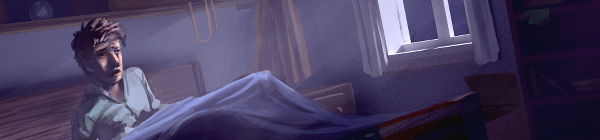
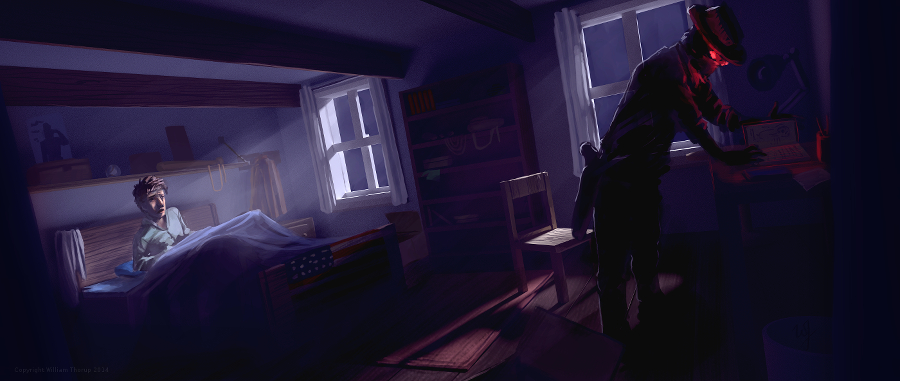
    The last painting was almost an illustration. Again, whether or not Art’s room will look anything like the painting in the final film is one thing, so, instead I focused on the mood and lighting of the moment given to me from the script. I feel that I got the composition right on in this painting. Every part of this painting just fell into place. For me, the color, lighting, composition, characters, mood. etc… just works! I love it!

    [/column]
    [/column-group]

    This was an awesome opportunity for me. I am grateful that I had the opportunity to work on some pre-production art work. I love to see written stories come to life visually, and to have some control over how that happens is incredibly gratifying. This work has spurred Thor Media to leverage mine and Michael Buhler’s skills in producing art. We are currently putting together service packages in the areas of Storyboards and Concept art. They got me working on the Thor Media website and a booklet that we can pass out to potential clients. This is something that I have wanted to do for a while, and I hope it turns out well.

  • Weekly Sketch Review | End of the Year Sketch Dump

    Weekly Sketch Review | End of the Year Sketch Dump

    I have neglected my blog a bit over the past few months, but I have good excuses. My brother and I have started to get more involved in the Atari Jaguar community, and that has been taking most of my time. I have been picking up C code, so I can do some work with my brother on that end.

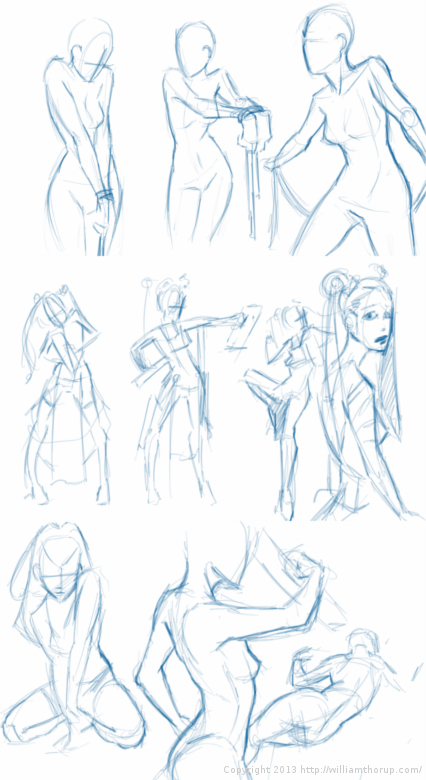
    angles_and_poses_1_edited

    heads_floating_smile

    faces_1_edited

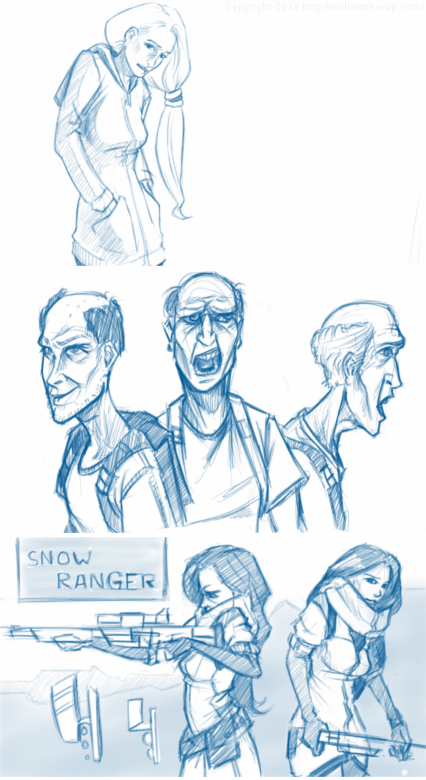
    collage_hospital girl_clothing

    I am really looking forward to learning how to code games. So far I have found it very fulfilling, and I believe my are will be able to reach more people through it. It is quite an enabling skill to learn, and I would recommend to anyone to take the time to learn to code.

    I also have had some things with work, and other end of year things in my personal life that take up my time. Through all of these things, though, I find time to draw, and having a very portable device that I am comfortable with make all the difference.


    pose_study_edited

    character_study_edited

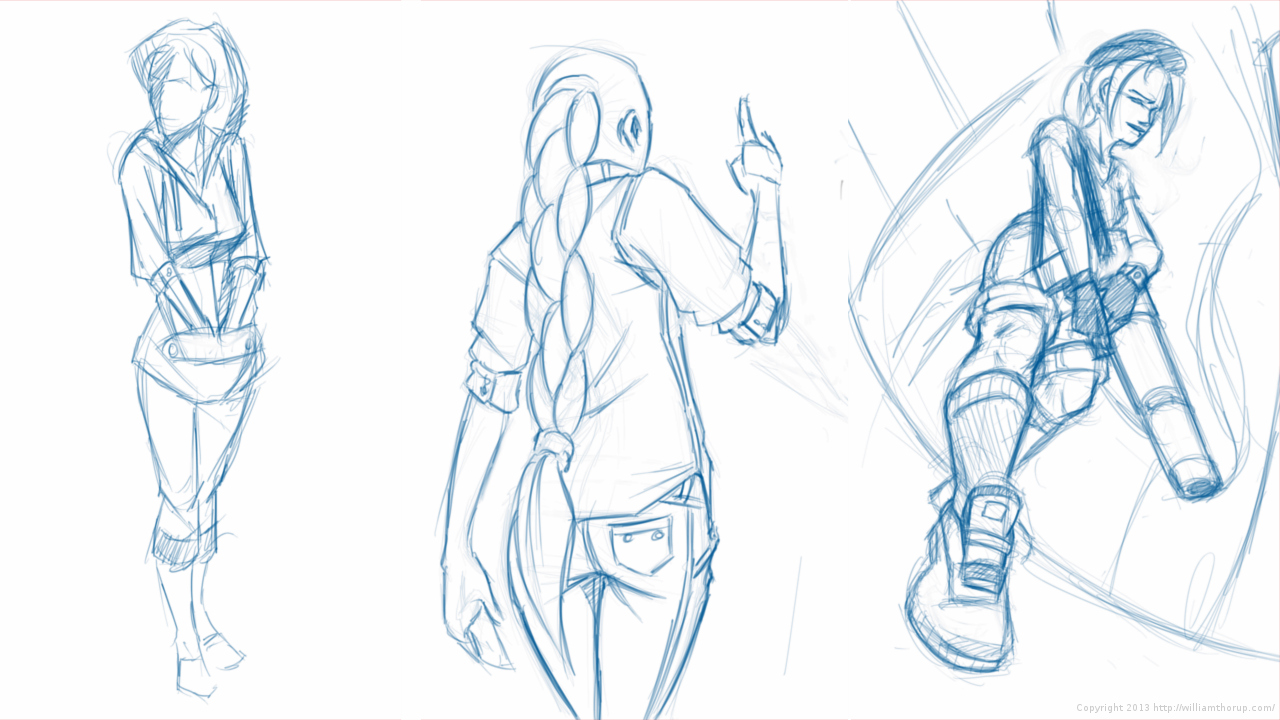
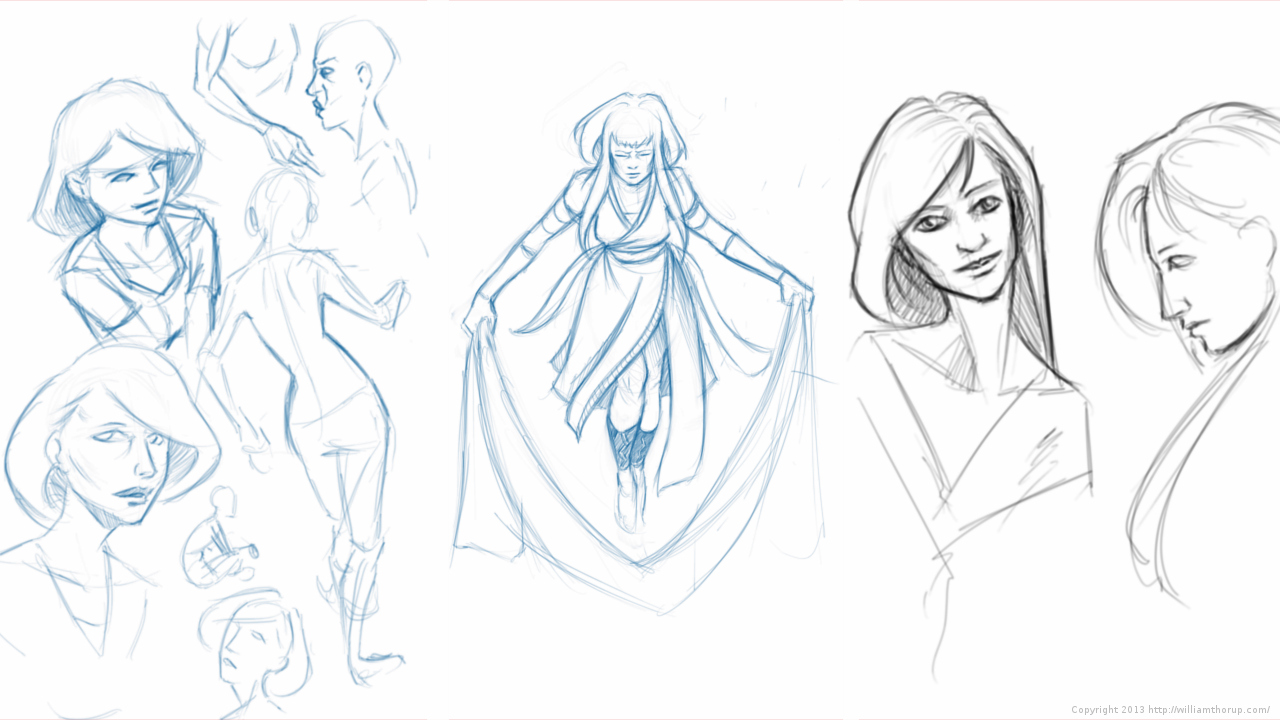
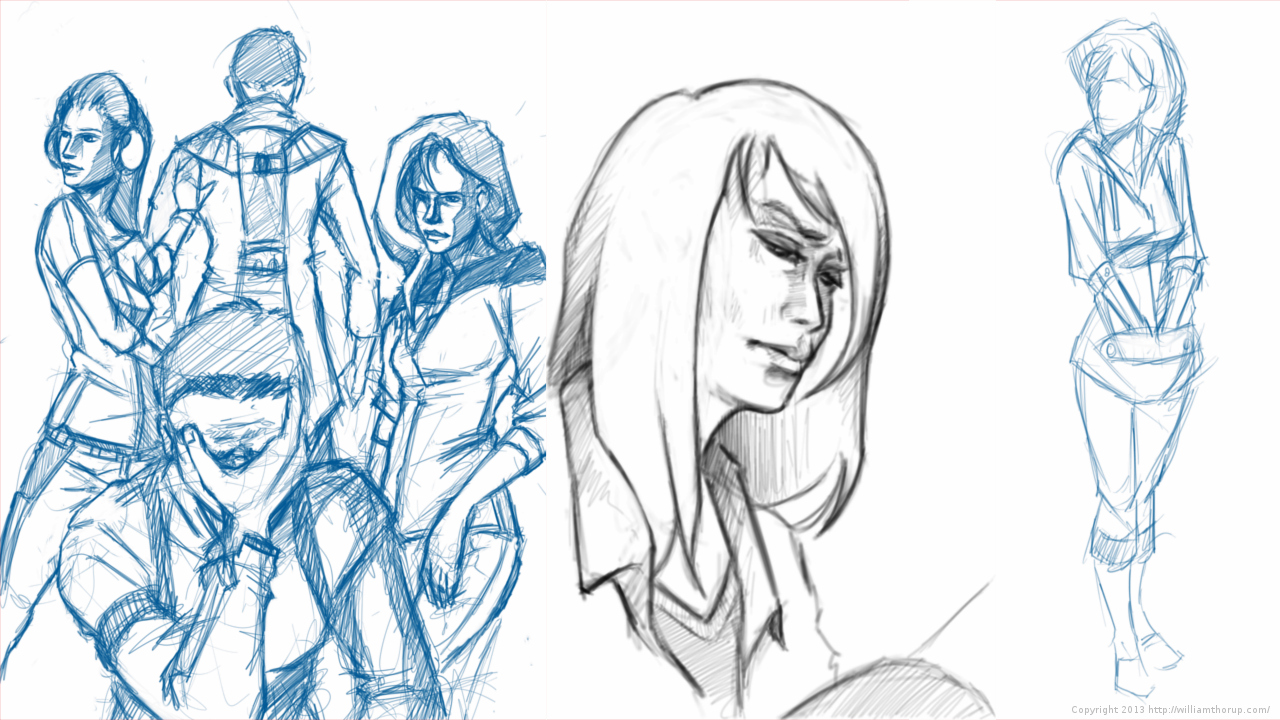
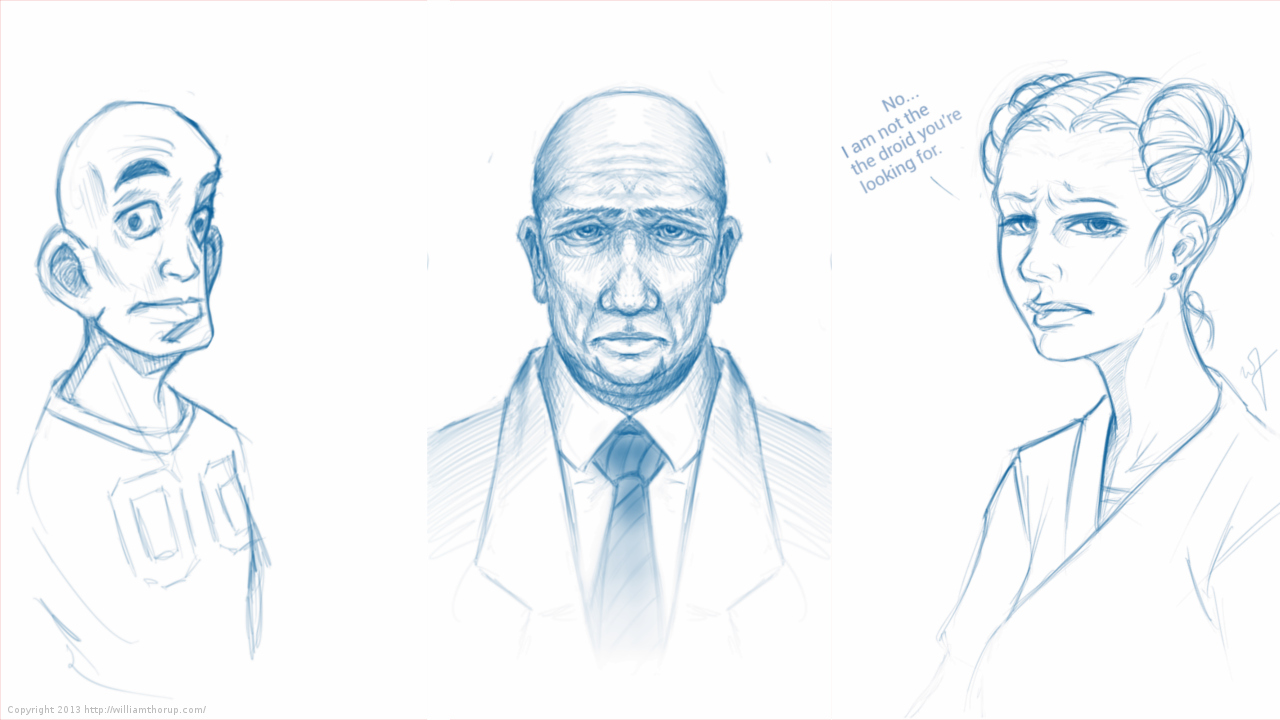
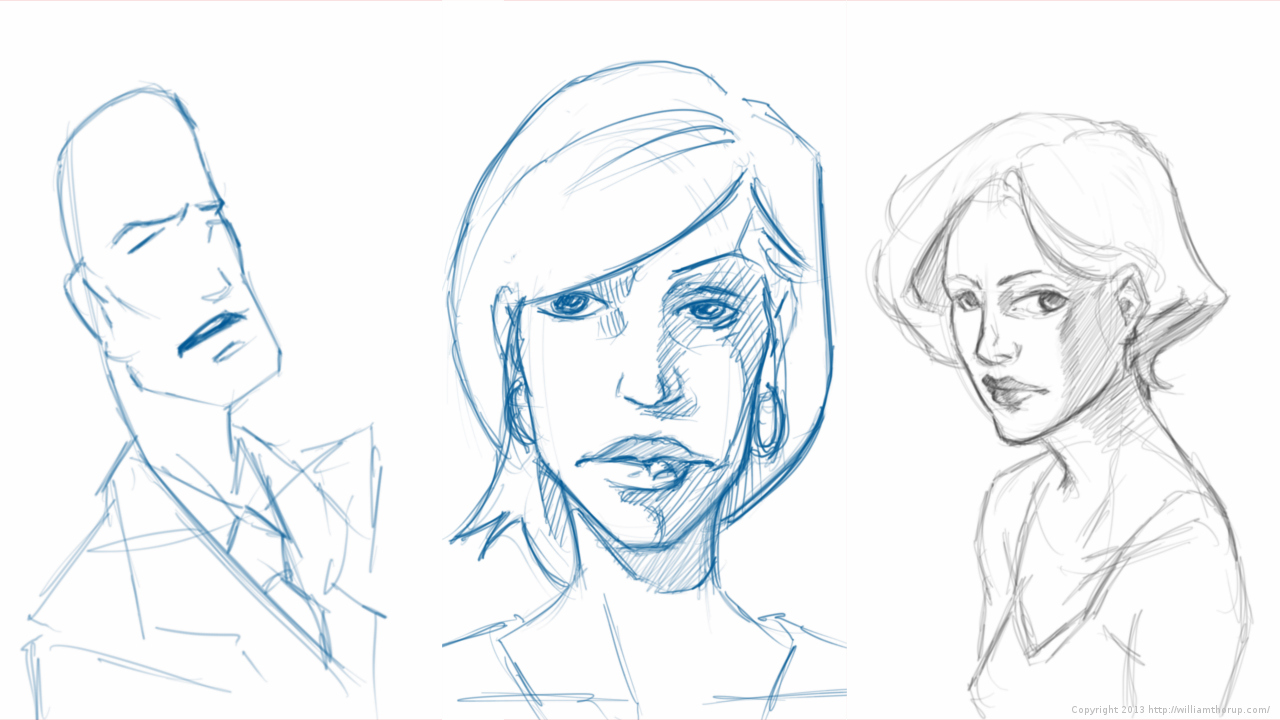
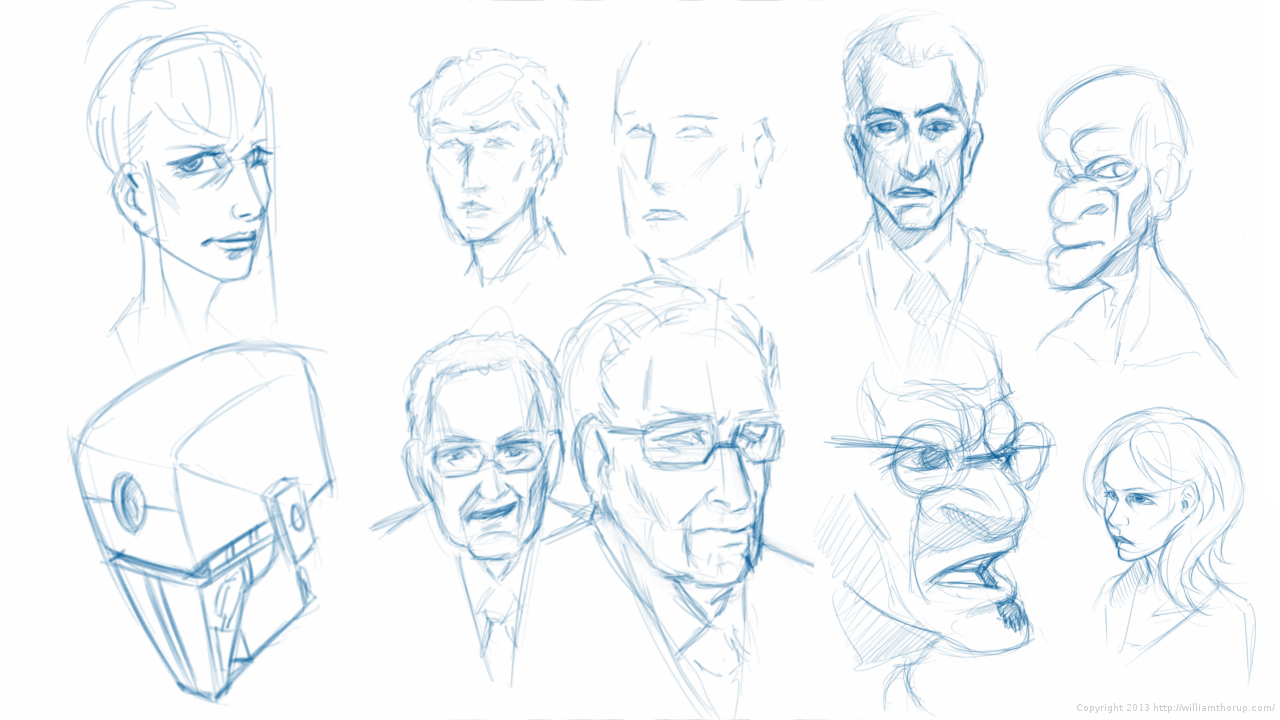
    Because it has been so long since I have done a Weekly Sketch Review, this will probably be the last one of the year, and it is much more like a “Sketch Dump”. I hope there is something here you will enjoy and comment on. I have had several down points in my artistic endeavors over the past few months, at it has been a good thing for me to look at some of my work over the last few months. I am still progressing, even though my focus has shifted in a different direction.

    This only represents the work that I have done on my Samsung Galaxy Note 8, I have done quite a bit in my Moleskin and on loose sheets of paper. There are also a few illustrations that I never finished, before I post those though, I would like to compile the screen recordings of them all, and put together a time lapse video. It is hard to believe how many pieces you start, but never finish.

    athlete_speaker_leia

    cartoon_heads

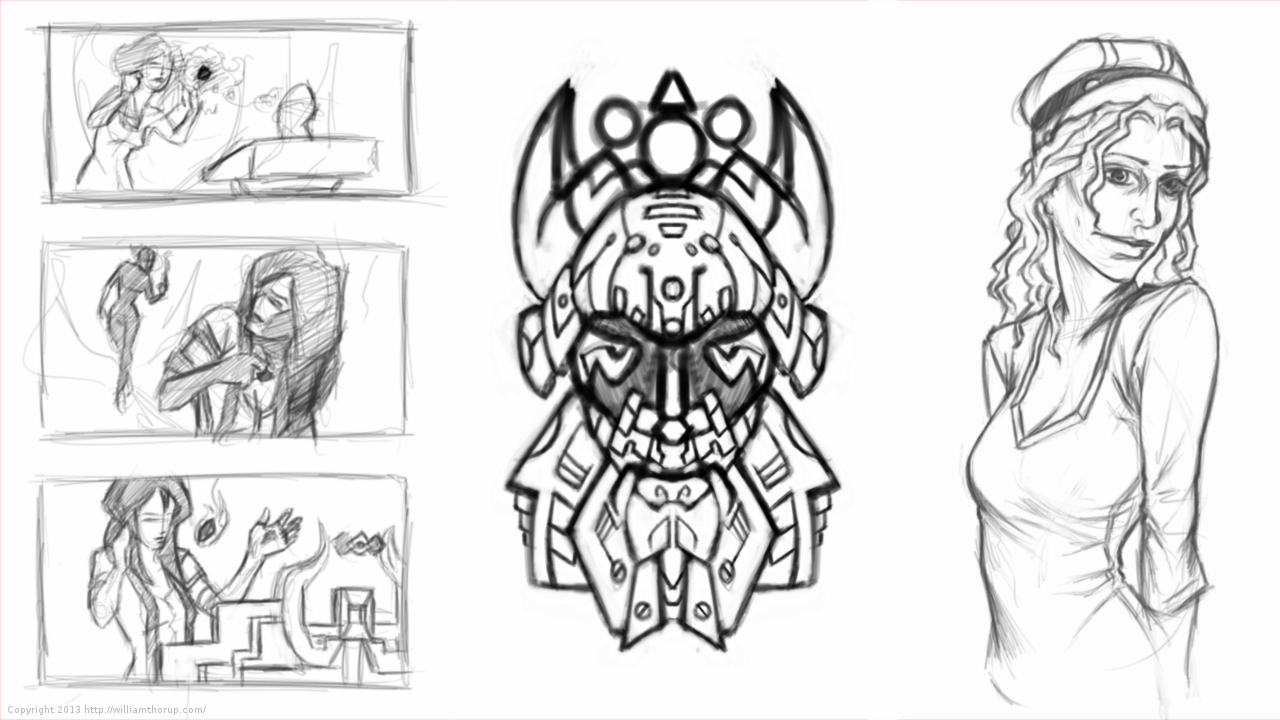
    thumb_mask_brawl_khloe

  • Atari Jaguar | Brawler – BitJag Game | Box Art

    Atari Jaguar | Brawler – BitJag Game | Box Art

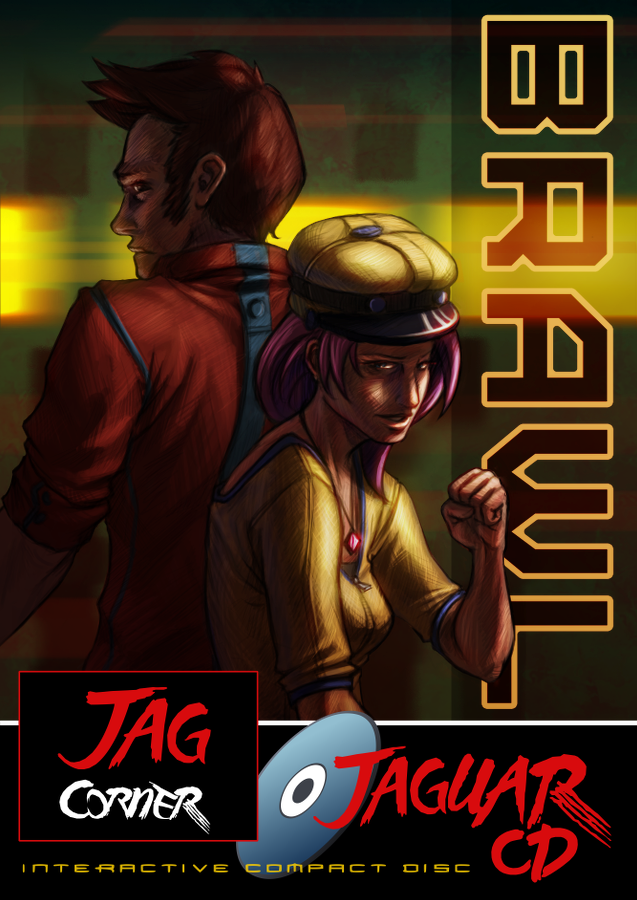
    The Jag stuff still goes forward. Project 3 final has a name, “Brawl”, and a start on the box art.


    Brawl_semifinal cover_WEB


    This was an awesome piece to work on. And I first need to thank Michael Buhler for his input on some final decisions on the background and title text. He is an amazing artist and you should check out his portfolio HERE.

    The lighting and color were my favorite parts of this piece, and all the pieces seem to fall in place, when I need them. Something that I should have spent some more time on, before starting this piece, was draw up some concepts for the male character. I like the way he came out, but I think a bit of forethought would have saved me some time in the long run.


    Again, enjoy the time lapse video, and check out the new update video at http://bitjag.com/. There are some updates to concept art on that page as well.

  • BitJag and JagCorner

    BitJag and JagCorner

    Please excuse my silence over the last few weeks, but I have been involved in some fun projects, and one of those is my brother and I have officially started our Atari Jaguar development.


    JagCorner_logo with bg

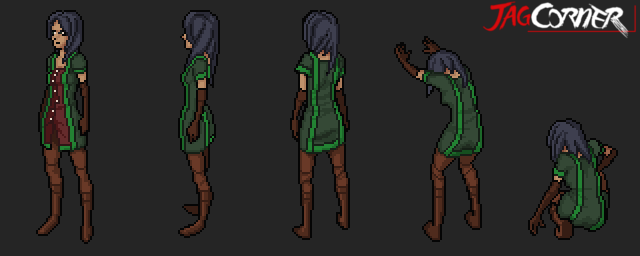
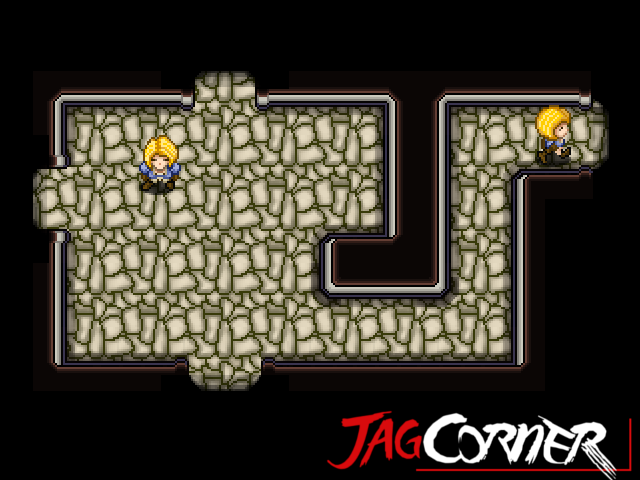
    character_battle_sprites_1project_1_level_layout_test_1


    bitjag

    Our dev name is BitJag, and we are using the JagCorner name for our YouTube videos and other media. I have mentioned in previous posts about the project that we have been working on for the Jag, but we have expanded, to three separate projects.

    We often find ourselves way over our heads, when it comes to the scale of projects that we do. So the other two projects, which are nameless right now, are much smaller, but will be used to stretch our abilities considerably. Check out the Projects page at http://BitJag.com/ to see some of the details for those projects.


    We also have our first development journal posted. It isn’t much, but there is some cool footage of an animated sprite character test on the Jaguar console. There is definately more to come. I have been working on some visual design concepts for the battle system, and working on story as well. We will be talking a bit about this stuff in the next dev journal entry, along with some more details about our other two projects.


  • Josh the Whale | Project Review

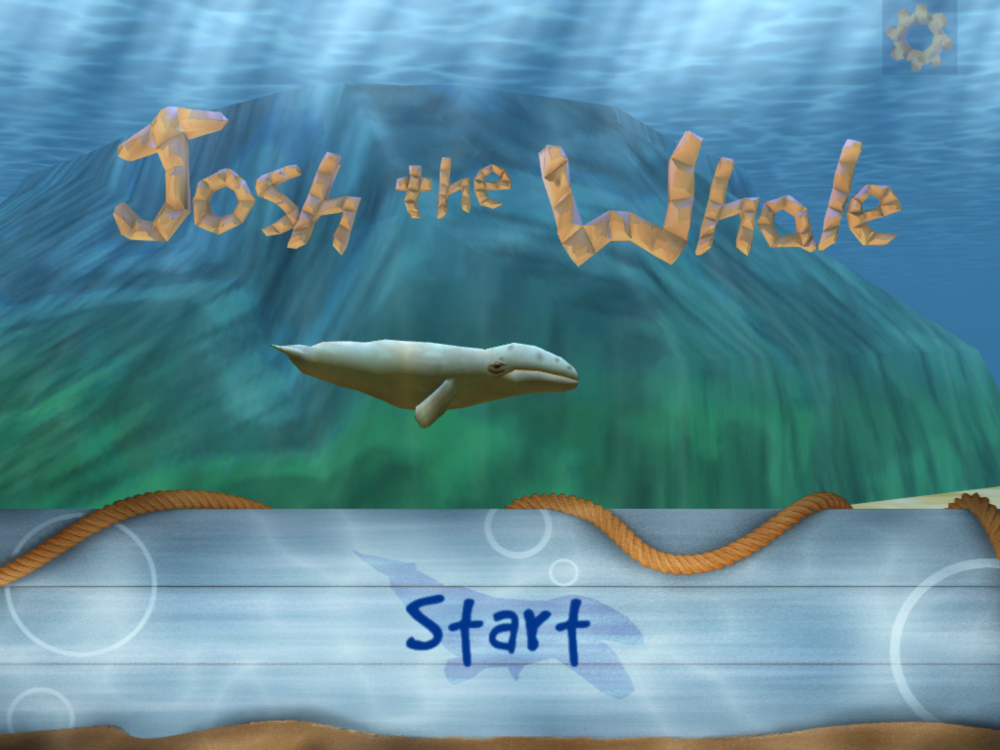
    Josh the Whale | Project Review

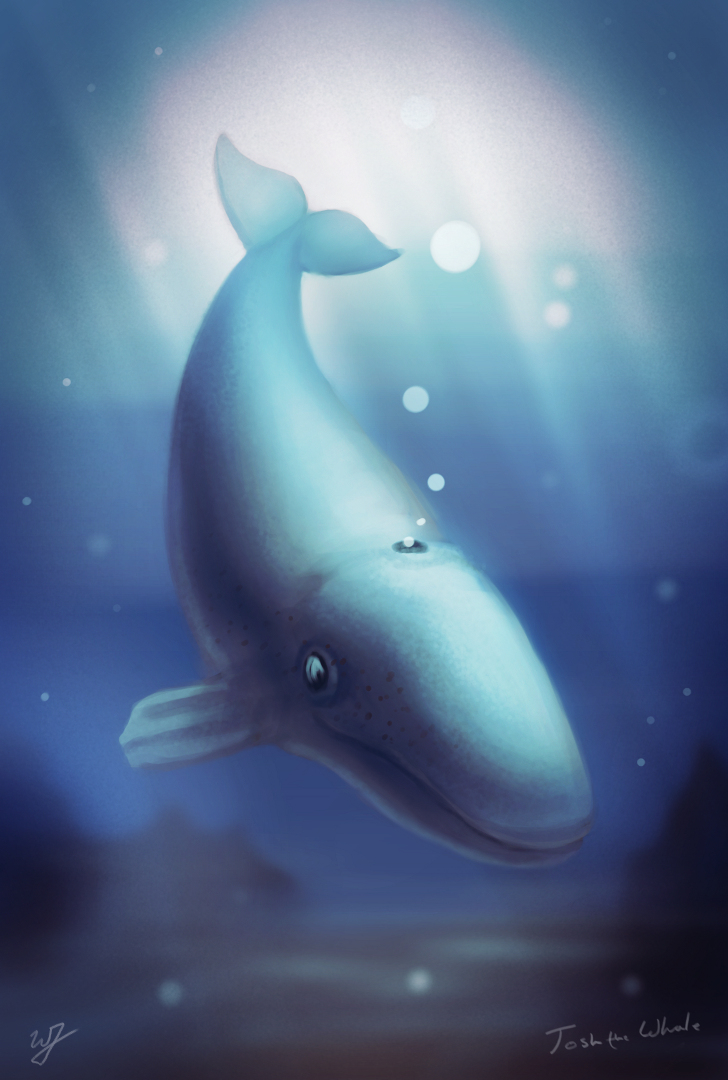
    Josh_the_whale_V3_FEATURE

    icon_128x128android app on google playApp_Store_Badge_EN

    My brothers and I really like video games, and we are trying to get to the point where we can bring our creative visions to life. The process of learning, building,  and refining has been great for us, and it’s not as easy as some may think.

    The project “Josh the Whale” started soon after trying to land another app project for another children’s story book and not getting it. We thought that kids books might be the way to get the attention of local children’s book illustrators and writers, and so we began the search for a story. We wanted a project that we could use, not only to attract clients, but to also use as a template for future projects. We also wanted it to be something that we really cared about in order to motivate ourselves to create a good finished product.


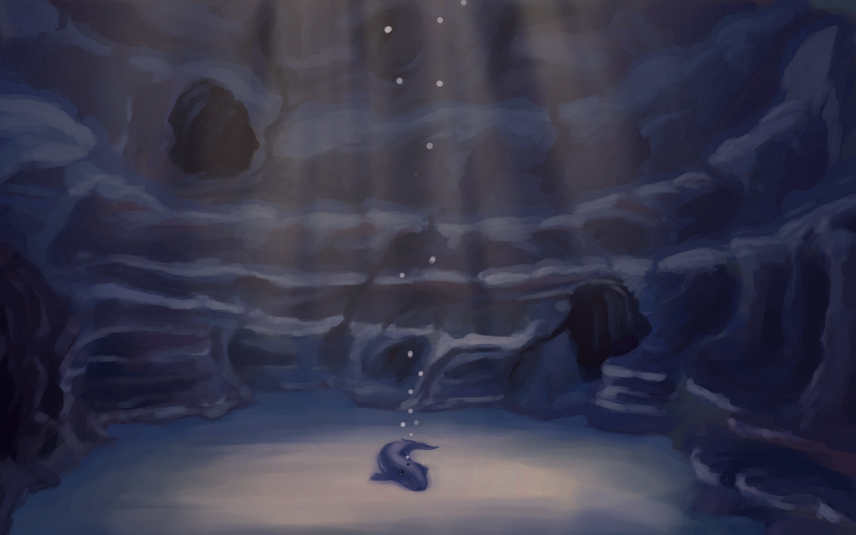
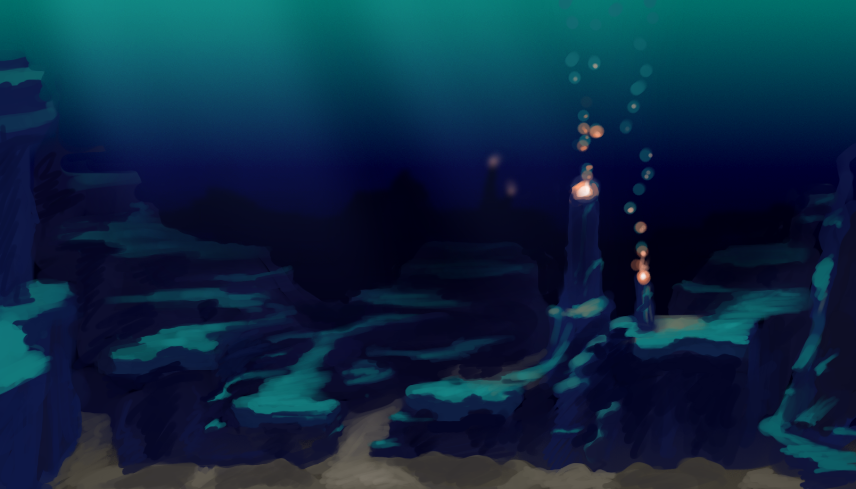
    Play cave Concept_1explore zone


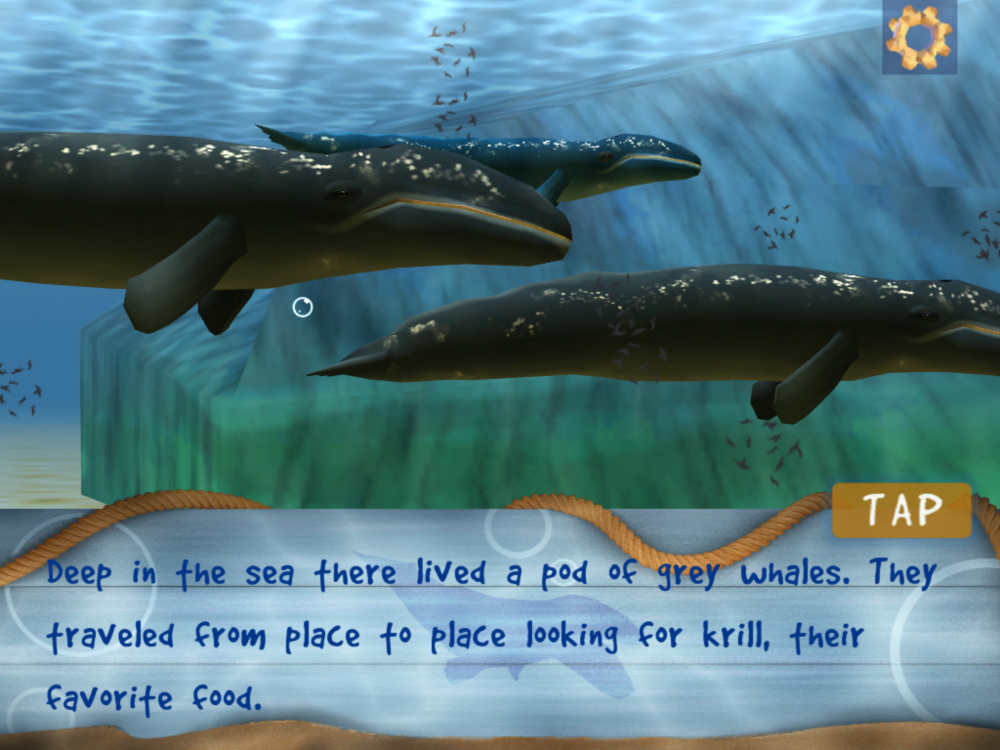
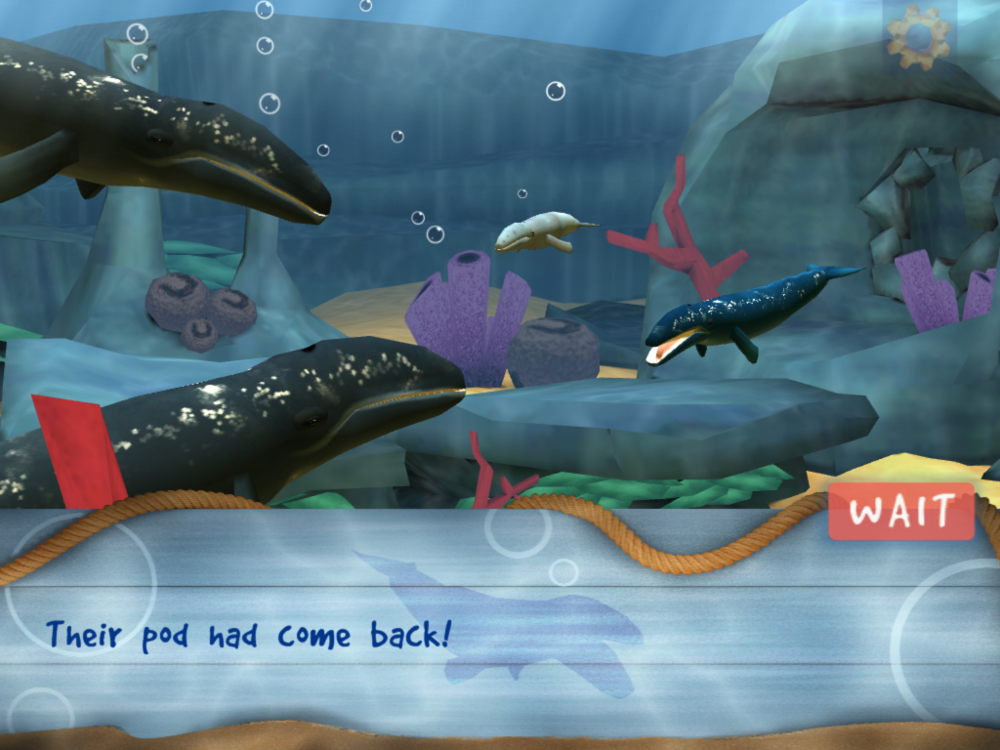
    This is really the reason that we chose Josh the Whale. Originally a short illustrated story that our older brother, Aaron Thorup, wrote when he was in the third grade, we thought that it wasn’t just a good story about self-worth and perseverance, but it also had a good selling point. Whales and underwater stuff seem to go well with children, so, not only were we planning on entering the kids entertainment market, but we also had an attractive theme that should sell.

    So we started. The first step was to get a solid script, based on the original story, written to base all the programming and visual aspects of the game on. The rewritten story, and the script, came together pretty fast, and with Aaron’s approval, I was able to begin on visual concept, and Bryce was able to start working with Shiva 3D (our 3D engine).


    josh concept_web

    Mainly because of a lack of experience on my part, we planned to have a finished product by December. Basically, we did not take into account the learning curve Bryce would have with Shiva 3D. Bryce was picking up the new API, which was quite a bit different from what we were using for our live wallpapers. So, it turned into 6 months instead. We also had other video projects mixed into that schedule, but overall it was just the amount of learning needed that extended the schedule.

    Concept work began, assets were being built, and Bryce began building code to use those assets with. Some specifics of that work can be viewed in previous posts HERE and HERE. Though progress was slow, it was steady, and from the beginning to the end of the project, there were no real stressful moments in the production. Just allot of trial and error in figuring out workflows in relation to the programming and asset creation.

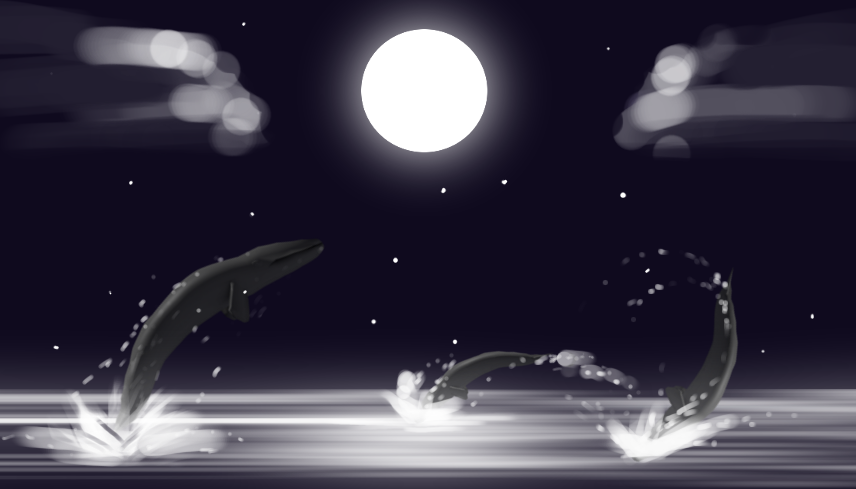
    Only minor changes were made to script and the original sequence of the game during production. In fact, only one scene was taken out of the game for programming reasons. Here is a really basic concept image of that scene. It had to do with the whales jumping out of the water at night, and the player helps Josh jump high enough to touch the moon.

    Page 3_a


    Recording the narration was fun. Bryce and I decided that we wanted to have Aaron do the voice acting for the narration. This was a great choice because Aaron’s voice seemed to fit right inside Josh’s world, and complements the whole feeling of the book very well. This also made the project feel allot more personal to me, turning it into a family project. Jacob helped us out with the recording in a quite room over at my Grandma’s and Grandpa’s home. We used Audacity for the audio, and it all came out beautifully.

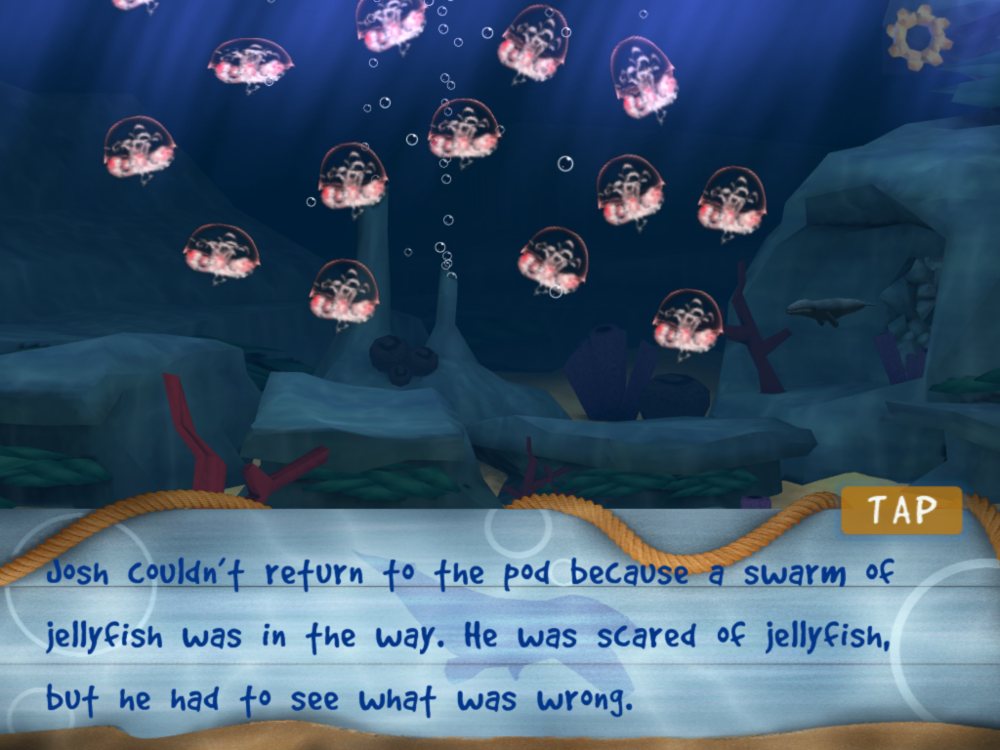
    jellyfishpodreunitedtitle

    A little side note about the audio recording, most of the interactive moments of the game were conceptualized when I was preparing a script for lines that needed to be rerecorded or new lines, our second recording session. I felt that the game wasn’t quite balanced enough between the strictly narrative moments and the interactive moments of the game.

    The music was done by April Thorup. She is not a professional composer, but she did a wonderful job on the music. Her playful styling fit into Josh’s world so well, and keeps the app interesting for kids. When we first started to drop the music into the app itself, the feeling of Josh’s world completely changed. Suddenly this small lonely whale had a story to tell, not only by the narrator, but by the music as well.


    When it came to testing the app during the project, we usually just had one of our nieces or nephews take a peek at what we had, and payed attention to their reactions. Because of this “bug testing” we knew from the start that children responded well to the visual style and game play. And, towards the end of the project, we had an official bug testing session, that also brought back good results from children, and assured that we had a solid app structurally.

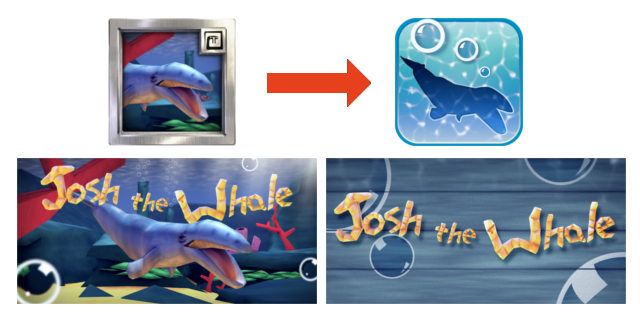
    The app icon and other graphics were interesting to put together. The original thought was to stick to the same icon template and banner styles that we had used for our previous live wallpapers. As you can see from the images below, they weren’t the most impressive images to look at. But, after sifting through Google’s and Apple’s quality guide lines, we decided to redo all of the graphics for the app, creating a simpler style for the icon and banners.

    old graphics to new graphics


    For the final steps of the project, like marketing, I was put in charge. Gathering information on review websites that tailor to the audience we wanted to reach was important, and putting together a trailer and other material to show the app in action was done as well. This moment was probably the most educational for us as a company, mainly because I had never really done any marketing before, and because we have learned that hiring someone to handle the marketing is probably the best way to make sure that it is executed effectively.

    One of the huge pluses to this whole project though, was the cost. I believe that the cost for a Shiva 3D license was $200, which covered porting the game to bother Android and iOS. Marketing was about $1000, but besides that there was no additional cost to the project besides our time. We used open source software for all asset creation and editing. This includes Blender, Gimp, Audacity, and Inkscape. Software that we have allot of experience with, and are all great programs.


    We have only just released this app, and we have had a really good responses from reviewers, family, friends, and strangers, so far. We are proud of Josh the Whale, and so thankful for everyone that helped make it a reality. It represents our commitment to making products that we can be proud off and that others can enjoy. It represents our first step into the game development realm. And most of all, it shows that even a small whale can do great things, our goal for the future.


    Josh the Whale on our corporate page: http://goo.gl/lWhtT

    Josh the Whale on Google Play: http://goo.gl/RQEXe

    Josh the Whale on iTunes: http://goo.gl/kyTDD

  • Krita | Character Concept | Void

    Krita | Character Concept | Void

    Void_web

    Sorry about no weekly sketch reviews. I have been doing allot of sketching, just haven’t taken the time to put some posts together. Maybe Friday or Saturday perhaps.

    Been busy with things, looking to get Josh the Whale released, other video production projects, etc. In my free time though, I have been doing written and visual concept for mine and Bryce’s Jag game. The visual stuff is easy, it’s the writing part that is kicking me in the butt.

    I would never confess to having any real skill in writing. I am hoping that these side projects, along with company projects, will give me the practice I need to change that.

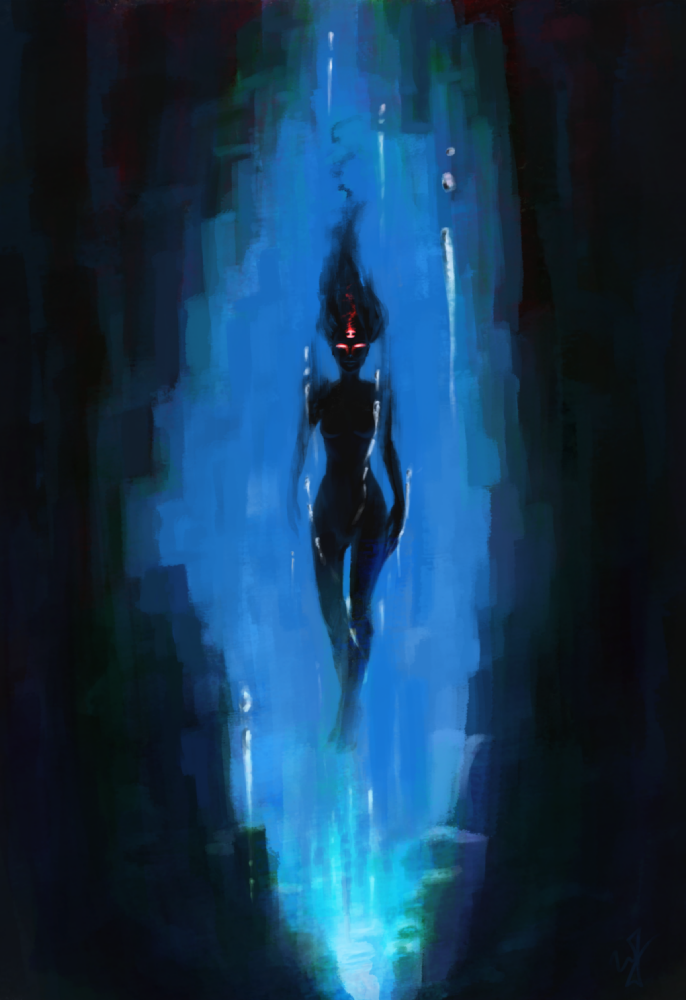
    So to give you a bit of an introduction to this piece, without diving into undeveloped ideas. This character is one of 6 gods that govern the world and it’s time. She is the very essence of the absence of time. The opposite of existence.


    That is the idea that drove this painting, and that is all that I have so far. Maybe I will post more about these characters in future paintings. Yet again, maybe not. This is just a side project, so we will see how far it goes.