The holidays hit and time was placed elsewhere for about a week. My brother and I have kept busy with “Josh the Whale”, and are making good progress on that front. We are looking at a release date around January 15th. Been having fun modeling, texturing, and animating whales, but I am looking forward to finishing it, and moving on to another project.
Speaking of which. We are working with a talented story teller, Ryan Thatcher, and getting a RPG/Action Adventure game together. We have developed some good ideas for story, and for game play mechanics, and are very excited to get more involved in that project.
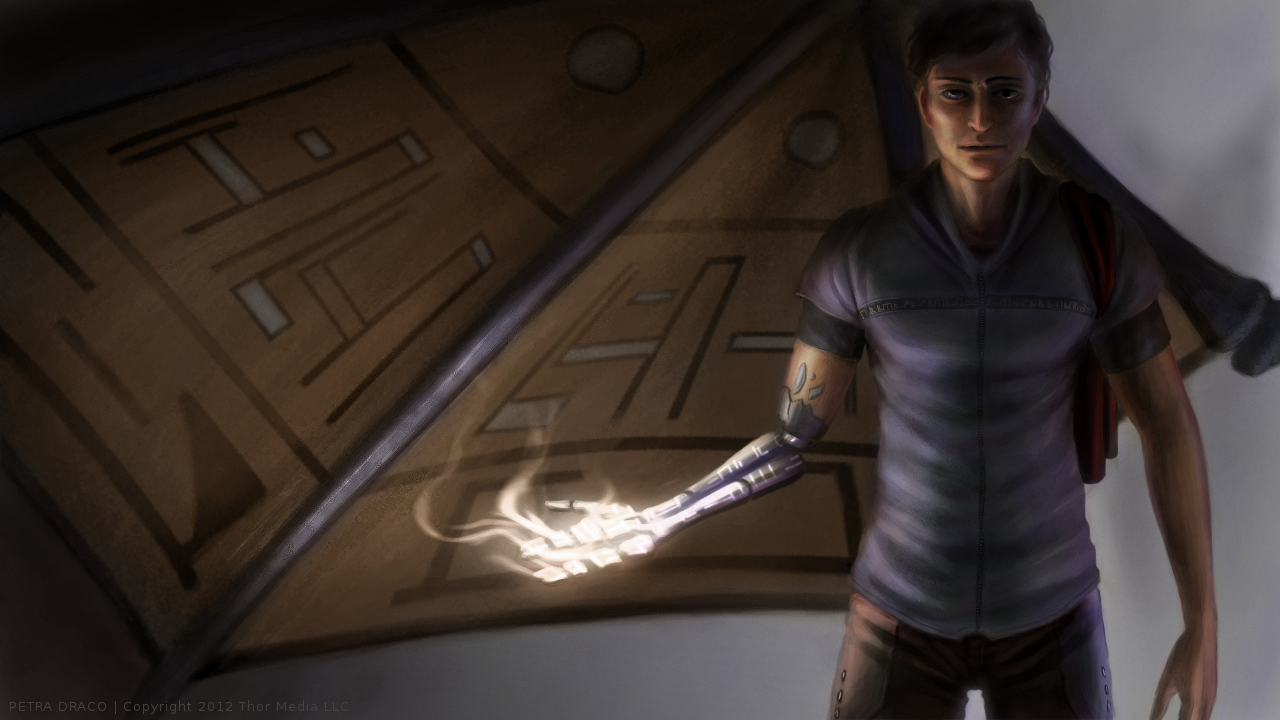
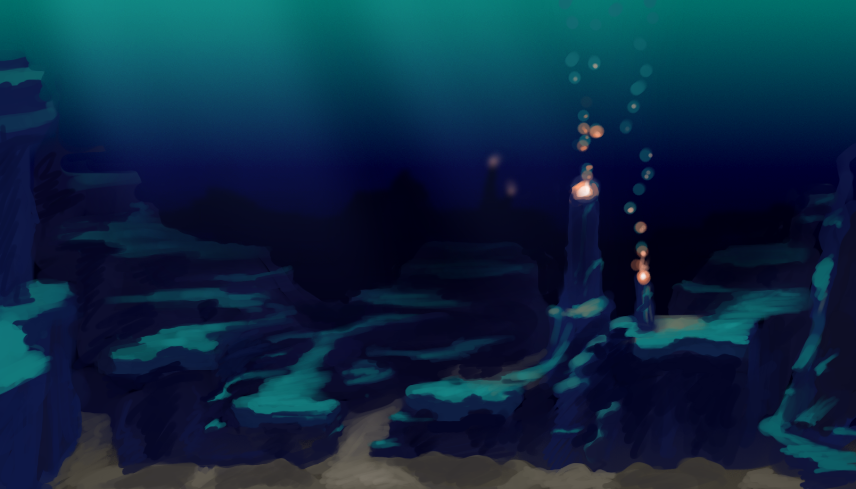
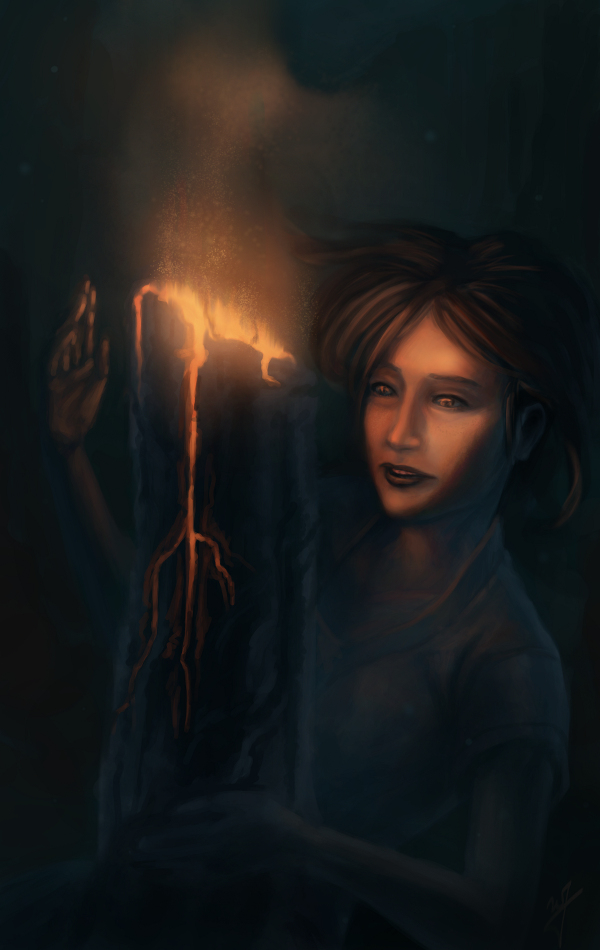
But in my free time, I have been looking at other planned projects, both personal and work related, in search of some room to develop concepts or just produce some art for those ideas. That is where this illustration came from. This a project that Thor Media has put on stand still for the moment, but still in the concept stage. I can’t talk too much about the project, since allot of the details aren’t concrete yet, but sharing a little of that development, visually, can’t hurt. Sorry, no video this time around, but If you haven’t taken the time to see some of my other time lapse videos, I encourage you to watch and comment on my YouTube Channel.
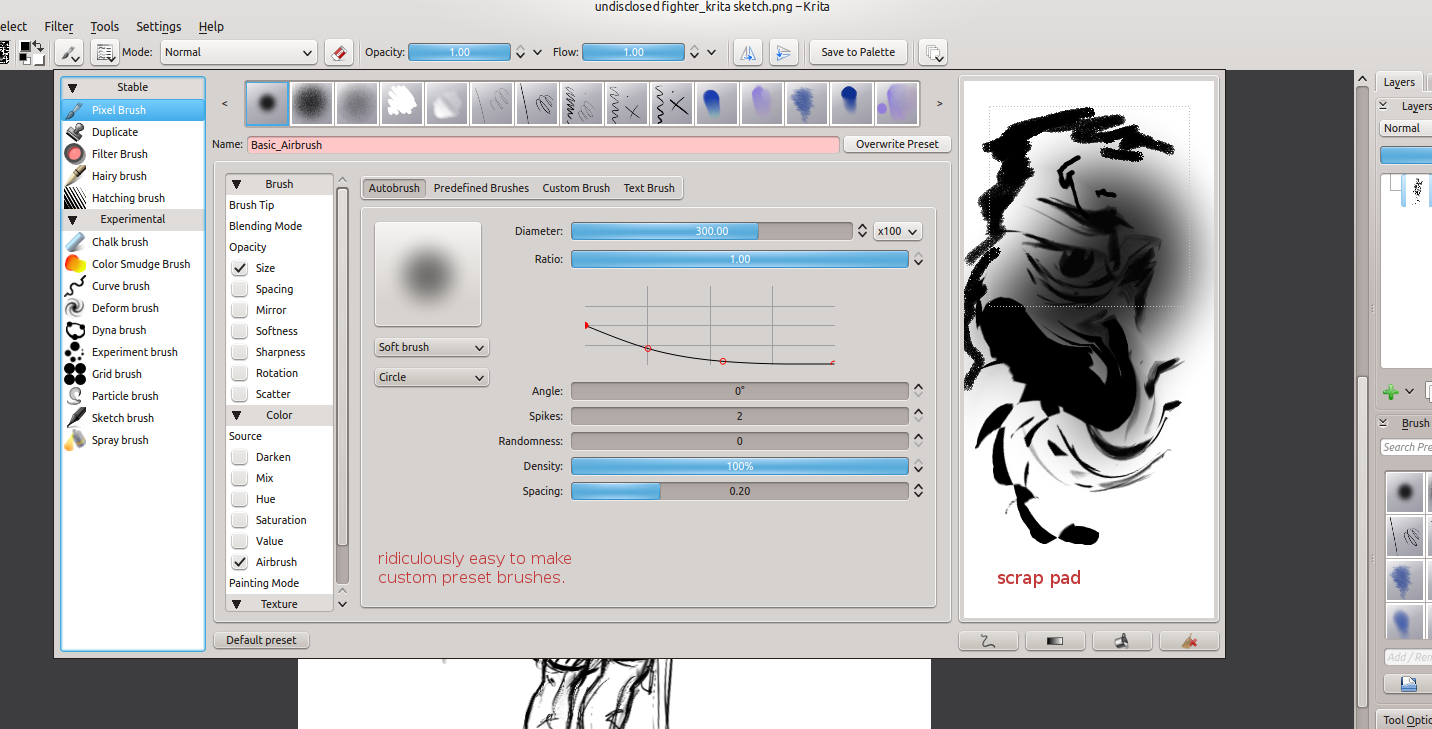
I have been seeing allot of stuff done in Krita lately. Also, I have been reading allot about over at David Revoy’s blog. And I finally took the time to get into it and learn some things. And my initial impressions are good.
The brush engine is fantastic. It’s fun to just go in and play around with the variety of brushes and different effects.
One of the things I liked the most about Krita was the little sketch pad they have in the “Edit Brush Settings” dialog. With the wide variety of tools, it’s good to have something that you throw a line down on, to see how it will look on your canvas, without having to actually put it on your canvas.
Plus, this is almost a necessity with this program, because this dialog takes up a good portion of the screen, and to go in and out of this dialog would take allot of time if you could only test tools on the canvas. This also feels great for those who work with real mediums, as artists will often test a stroke, color, or tool on a separate scrap piece before painting or drawing on the actual artwork.
Shift+left-mouse-buton dragging for brush size is invaluable, and saves allot of time in the long run. I wish the Gimp had functionality like this. But I understand why it doesn’t. This also reduces the interface.
Another leg-up that Krita has over Gimp is multiple color depths. Most concept artists, or illustrators will never use over 16 bit, but since I get into the film and 3D stuff every once in a while, it’s comforting to know that I will be able to work with 32 bit images on an open source platform. Gimp will be getting this functionality soon enough, but for now Krita is the only user friendly way of handling 32 bit images on the open source platform right now.
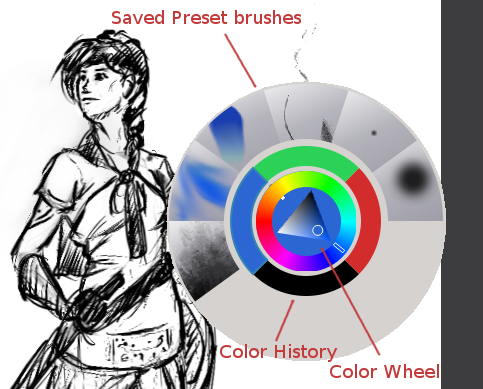
The last thing that really stuck out was the right-mouse-button menu. This brings up a color wheel and color history. Also, you can save preset brushes to this menu, making it faster to get to the brushes you will be using often on a given piece of art.
I have only scratched the surface of what this program can do for the concept artist or illustrator. But I see myself using this program, along with the Gimp, to do my illustration work in the future.
Josh the Whale is moving along nicely. Bryce is figuring out the new engine and we have already put together some proof of concept work. While he’s figuring out how to get this all put together in an application, I am trudging forward, getting other areas of the game designed and finished.
This is a time lapse video of the cave entrance where a few pages if the book will take place. This video is especially long because all the interface movement would be too distracting if I compressed it down to 4 minutes. So, if you don’t want to spend 20 minutes watching this video, watch for about 1 minute and then skip ahead 5 minutes, this will give you a good feel for the whole process.
As you can see, the difference between the concept art and the finished result is dramatic. And I predict that there will be more changes in the future, as we test on different platforms. This is partly because of my lack of planning, but also because plans change as you continue to consider your market and what ideas you wish to express visually within the story.
And there are also limits with polygon count amount other things. I try to avoid thinking that way when doing this kind of work, because even with restrictions you can usually get what you want out of it, if not stubble upon a few good things you wouldn’t have seen without the restrictions.
The processes that I go through to hash out these designs are simple:
Brainstorm and Sketches (What colors, what environments, visual style)
Concept art (Hardest part, because you are trying to develop a visual style and language that best fits the idea)
3D’ize the Ideas (Modeling, Texturing, Rigging, Animating, and other asset creation)
Troubleshooting (testing to make sure that the colors are sending the right visually messages, the main character sticks out enough, etc. Often the longest part of the job)
It’s allot of work, and can be very daunting when you first approach it. But as the artwork comes, the assets get animated, and those assets are placed into an interactive state, it can be very exciting and encouraging.
I will continue posting about this app, since it looks like we are still a good month away from a final product. But I do have other things lined up.
I am currently putting together a personal project video series, that should carry on for a few months. I got a few ideas in mind on things I might be able to contribute from my limited experience. And placing some of that experience into a fun video series will help keep me motivated in my work, and hopefully motivate some of you as well.
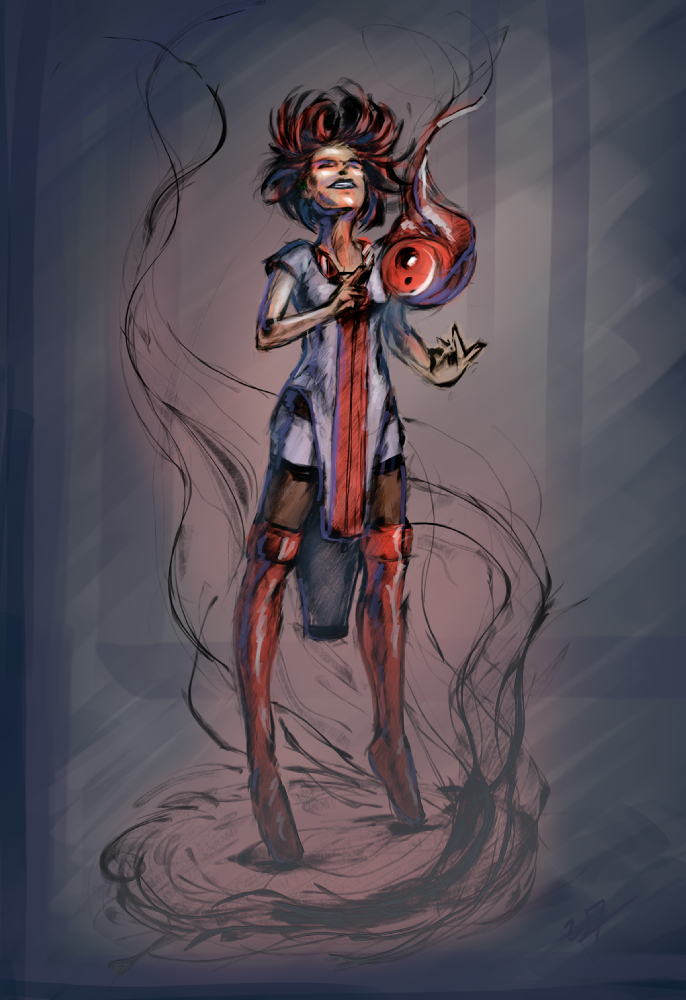
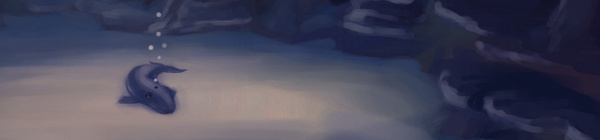
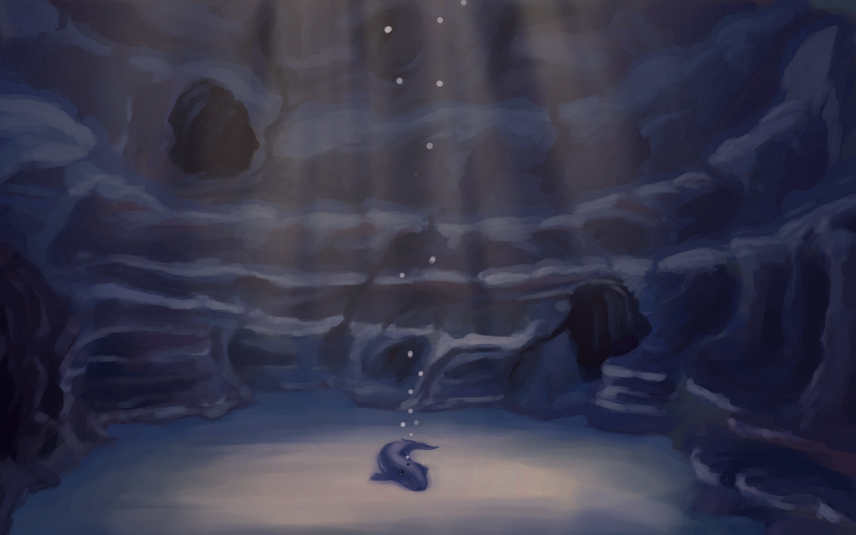
Another illustration. Inspired by all of the underwater stuff that I have been doing lately. Plus, I have been thinking of these colors quite a bit lately, since it is similar to the color scheme of my website.
For anyone that might be interested in what I use to record my desktop, and how I go about editing. I use a simple bash script with ffmpeg to record. Nothing too fancy. The script records at 24 frames a second into an h.264 codec, keeping the file size small. But whats special about this script is that it records for 7 minutes, saves that file, and then starts recording again to a different file. It names the files acording to the date and time they were created. Here is the script.
The problem with recording to video is that if you are recording for an hour or two, and ffmpeg crashes, you lose that entire recording. And there usually isn’t anyway to recover that data. This is a problem I ran into several times, and it ruined a few paintings because I would just get frustrated from losing all that recorded work. Making a consistent time lapse video impossible.
But, if you record in shorter segments, for example 7 minutes, then you can never lose more than 7 minutes of work. This takes my mind off of worrying about my recording so I can just focus on painting.
Right now the script is setup for Linux, but I believe it can be easily adapted for Windows.