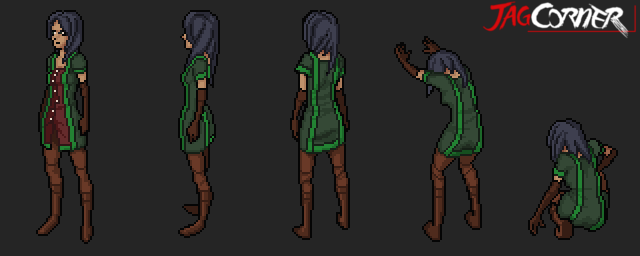
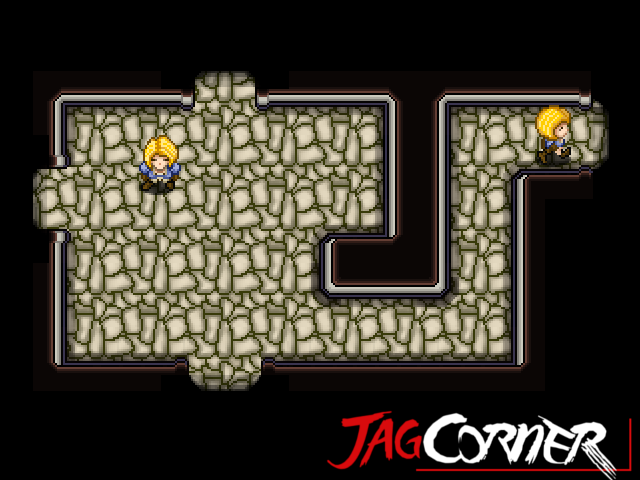
Please excuse my silence over the last few weeks, but I have been involved in some fun projects, and one of those is my brother and I have officially started our Atari Jaguar development.
Our dev name is BitJag, and we are using the JagCorner name for our YouTube videos and other media. I have mentioned in previous posts about the project that we have been working on for the Jag, but we have expanded, to three separate projects.
We often find ourselves way over our heads, when it comes to the scale of projects that we do. So the other two projects, which are nameless right now, are much smaller, but will be used to stretch our abilities considerably. Check out the Projects page at http://BitJag.com/ to see some of the details for those projects.
We also have our first development journal posted. It isn’t much, but there is some cool footage of an animated sprite character test on the Jaguar console. There is definately more to come. I have been working on some visual design concepts for the battle system, and working on story as well. We will be talking a bit about this stuff in the next dev journal entry, along with some more details about our other two projects.
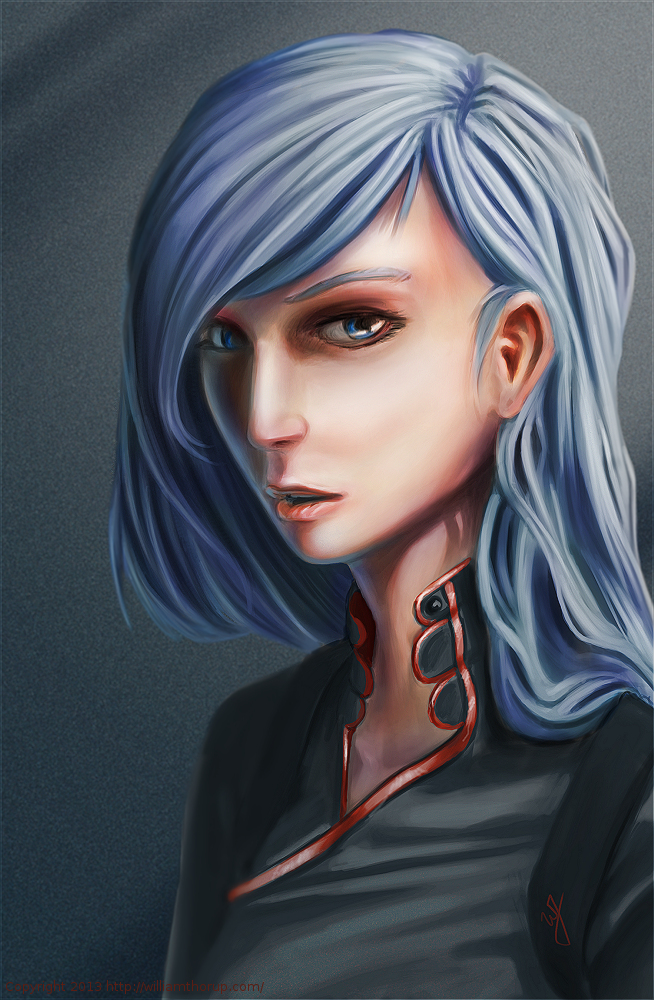
I have been trying to get this painting posted for over a week. Ran into issues with my computer and work has become really busy. But, the excuses can be annoying, so, here it is.
This painting was very much spontaneous. During a digital sketching session, this face came out, and I decided to push it to a finished rendering.
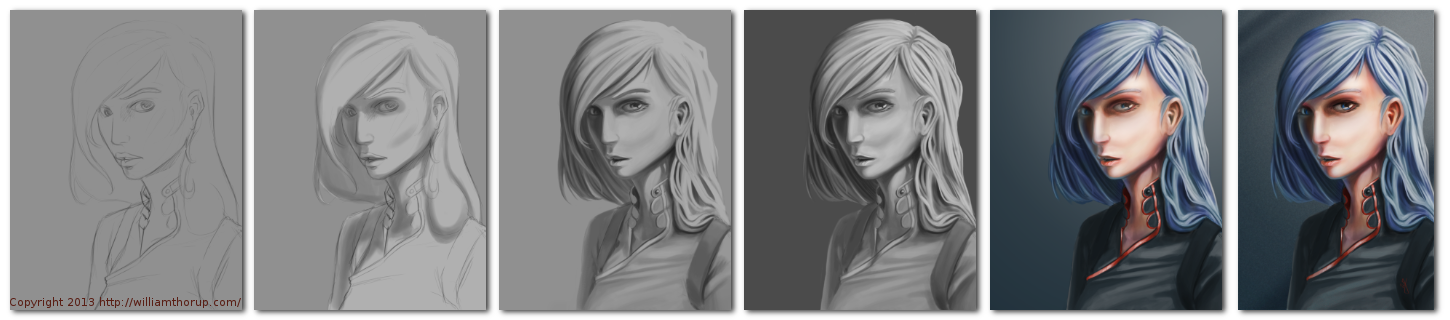
This painting got me a bit worried, since it had been a while since I tried to tackle realistic lighting. Rendering correct lighting has always been a bit intimidating for me, but I seem to have handled it well. I first broke down the steps. So, instead of trying to take on both color and light at the same time, I decided to do a grey scale painting first. Simplifying the process overall, and allowing myself to focus specifically on how light is interacting with the form.
Digital art really makes coloring an image easy. I pick a color, slap it on a with a different layer in “Overlay” blending mode, and if I ever need to change it, no problem. Just use a Hue/Saturation/Value filter to adjust the color. As you can see in the video (3:40 and 3:52), I did this for her hair and her clothing.
I love painting skin. The key to making skin look alive, are the areas where light transitions into shadow. Because skin isn’t completely opaque, light will enter the upper layers of the skin, hitting blood underneath, and will bounce back oranges and reds. The is particularly prevalent in the transitional areas between light and dark.
A good example of this in this painting, is her chin, starting at 4:17 in the video. A few other things to keep in mind when painting skin is to play with other colors on top of the skin with a layer set to an “Overlay” blending mode. Colors like green and yellow can add healthy variety to lighter areas of the skin, while violets and blues can saturate your shadows making them appear more realistic. At 3:39 in the video, you can see I added a light layer of blue to under the jaw line.
One thing that was unexpected in this painting was her hair. The hair that falls down her neck turned out to be much more complicated than I originally planned at the sketching phase. I had fun spending the time rendering it, and I feel it adds a certain level of detail that the painting wouldn’t have otherwise.
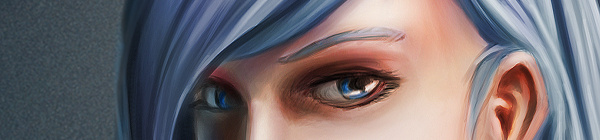
I feel a bit silly mentioning this, but her ear is something that I am proud of. I didn’t spend as much time rendering it than I did other portions of the painting. The structure is very much convincing, but still has the brush strokes that I like to see in my work. One other thing I enjoy about this painting are the facial proportions. I am still far from being a master when it comes to proportions, and that can be clearly seen in my work. But the scale of her mouth compared to her eyes and nose are pleasant, and seem to go well with the piece as a whole.
These paintings that I do without reference always surprise me ounce they are done. I find it fascinating to think pack on my processes and ask myself why I did something a certain way. It helps me to see what I do well, and what I still need work on.
The last week I have been working on some initial marketing stuff for Armored Empire, our next app project at Thor media. If you want to learn more about the game, and take a look at the wordpress site I put together for it, check out the official website.
This is another Blender and Gimp project, with audio done in Audacity. The one thing of any real note it the imitation of an old CRT monitor. This was the challenging part of this little project. I wanted to simulate a zoomed in shot, so using things like the scan-lines and dust on the glass seemed to pull off the effect well. The flickering of the text and the diagonal line that passes by make it feel old and worn a bit.
Overall I think that everything about this small teaser fits well with each other, thanks to some initial story boarding. The visuals and audio fit really well and help make the view curious. The doors closing are a good surprise, and just about everyone that has viewed the teaser liked the feeling that it makes.
My brothers and I really like video games, and we are trying to get to the point where we can bring our creative visions to life. The process of learning, building, and refining has been great for us, and it’s not as easy as some may think.
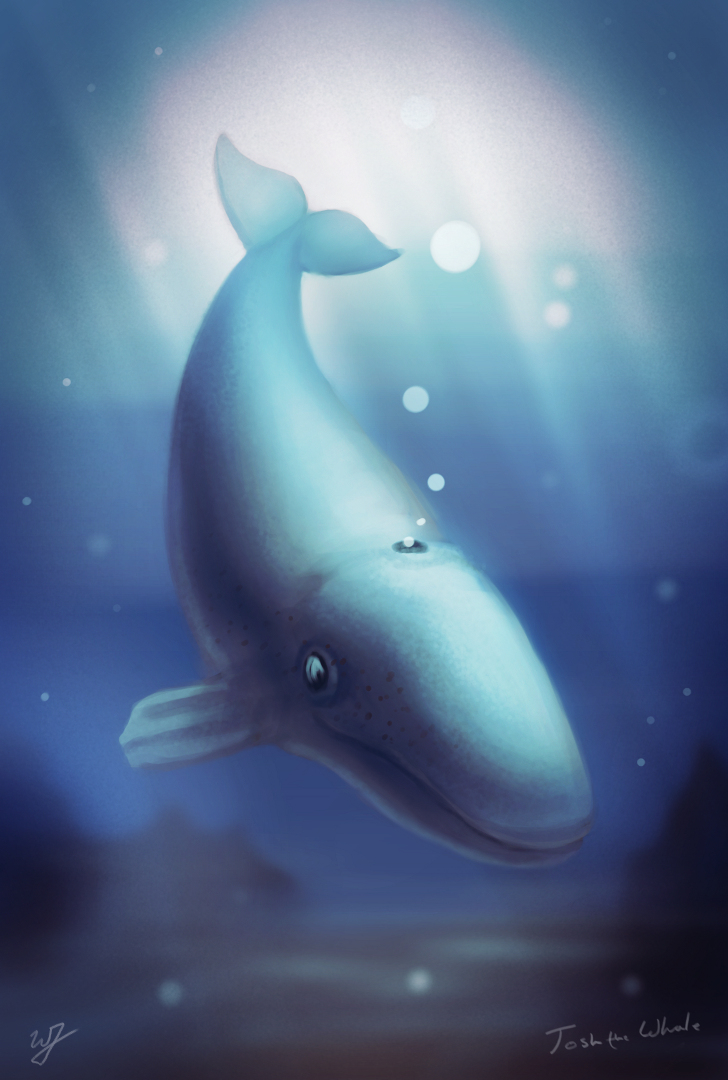
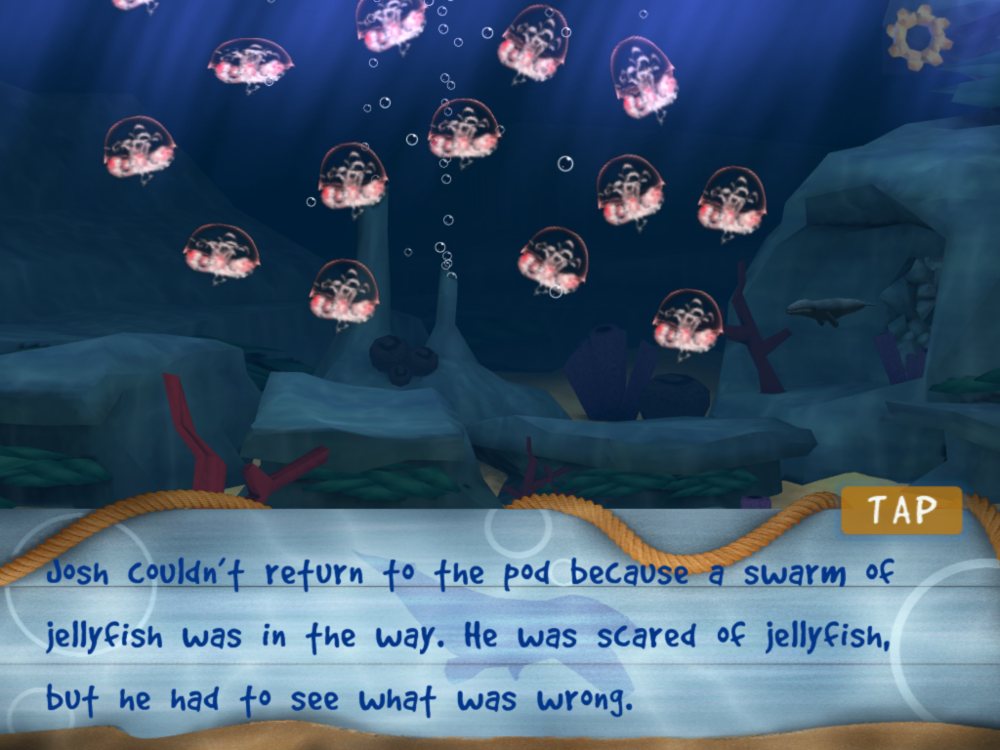
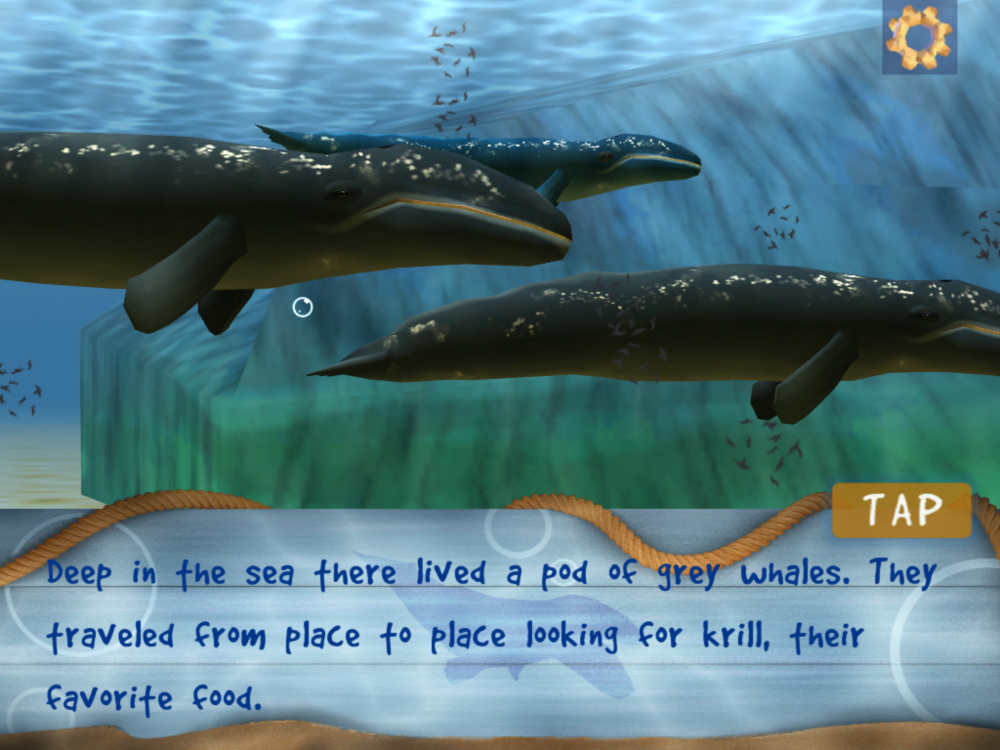
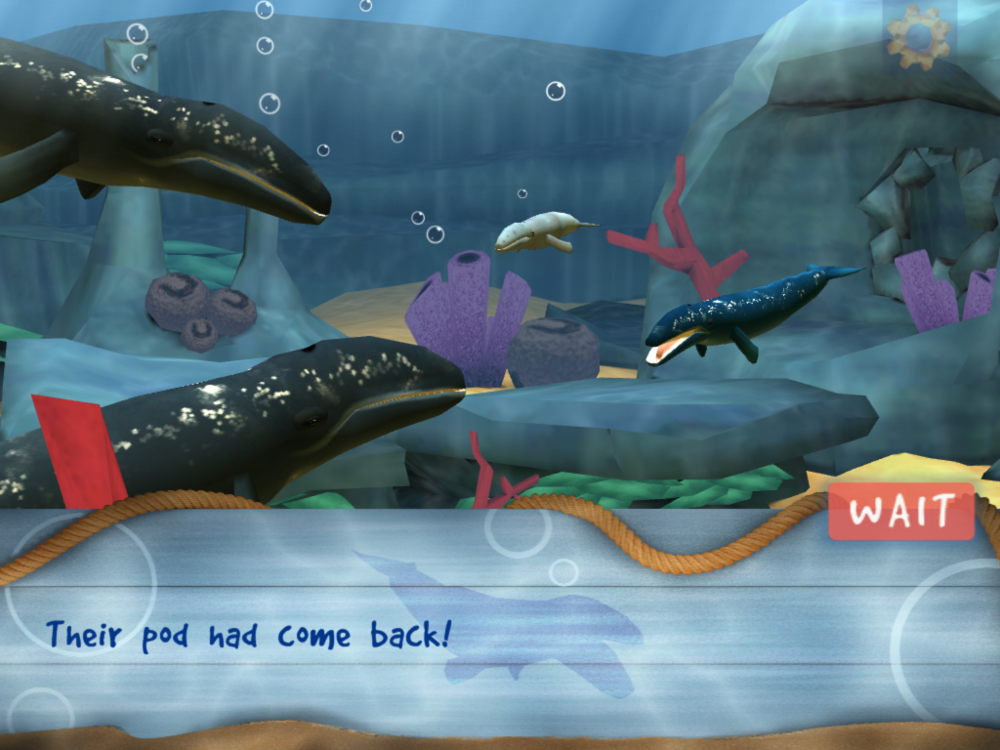
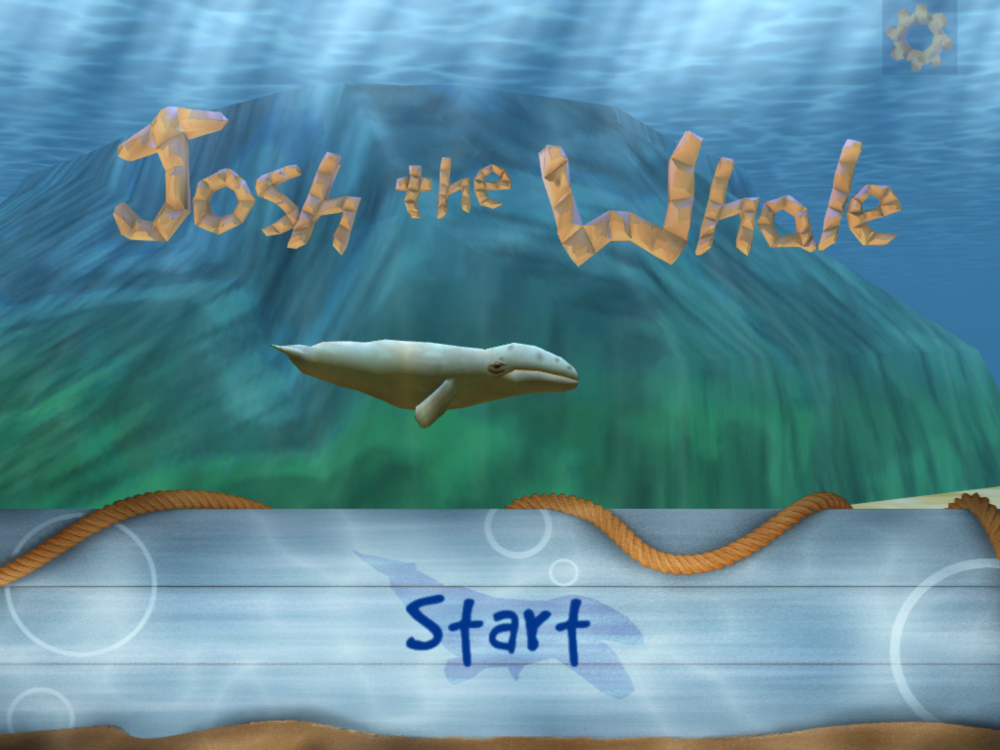
The project “Josh the Whale” started soon after trying to land another app project for another children’s story book and not getting it. We thought that kids books might be the way to get the attention of local children’s book illustrators and writers, and so we began the search for a story. We wanted a project that we could use, not only to attract clients, but to also use as a template for future projects. We also wanted it to be something that we really cared about in order to motivate ourselves to create a good finished product.
This is really the reason that we chose Josh the Whale. Originally a short illustrated story that our older brother, Aaron Thorup, wrote when he was in the third grade, we thought that it wasn’t just a good story about self-worth and perseverance, but it also had a good selling point. Whales and underwater stuff seem to go well with children, so, not only were we planning on entering the kids entertainment market, but we also had an attractive theme that should sell.
So we started. The first step was to get a solid script, based on the original story, written to base all the programming and visual aspects of the game on. The rewritten story, and the script, came together pretty fast, and with Aaron’s approval, I was able to begin on visual concept, and Bryce was able to start working with Shiva 3D (our 3D engine).
Mainly because of a lack of experience on my part, we planned to have a finished product by December. Basically, we did not take into account the learning curve Bryce would have with Shiva 3D. Bryce was picking up the new API, which was quite a bit different from what we were using for our live wallpapers. So, it turned into 6 months instead. We also had other video projects mixed into that schedule, but overall it was just the amount of learning needed that extended the schedule.
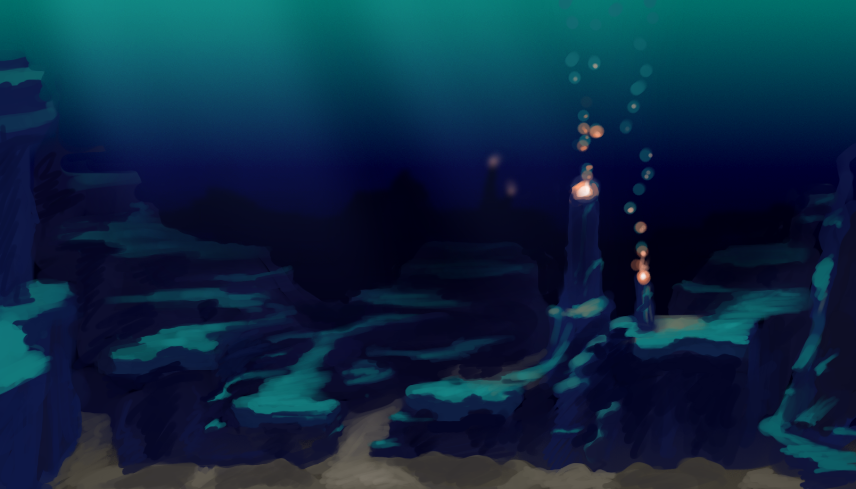
Concept work began, assets were being built, and Bryce began building code to use those assets with. Some specifics of that work can be viewed in previous posts HERE and HERE. Though progress was slow, it was steady, and from the beginning to the end of the project, there were no real stressful moments in the production. Just allot of trial and error in figuring out workflows in relation to the programming and asset creation.
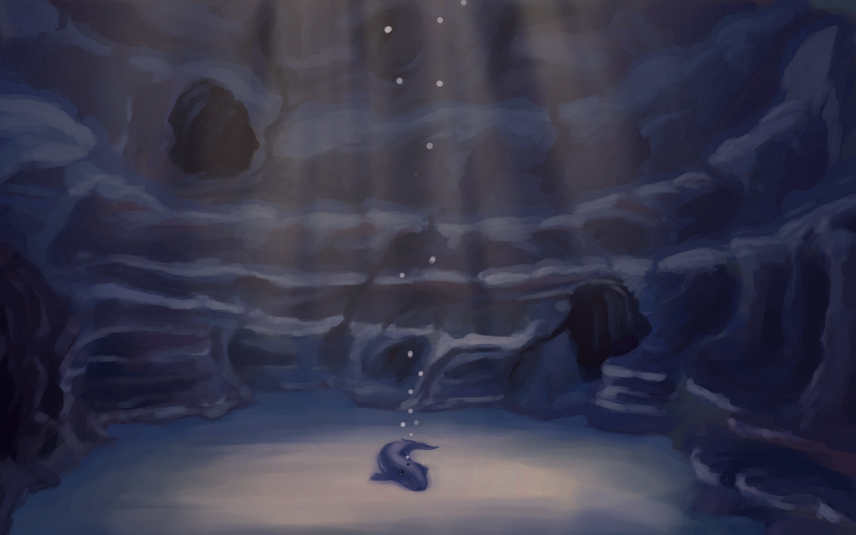
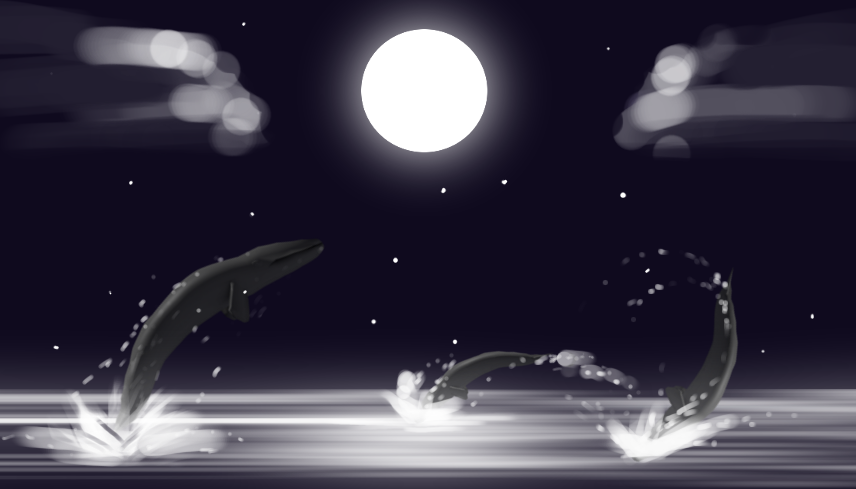
Only minor changes were made to script and the original sequence of the game during production. In fact, only one scene was taken out of the game for programming reasons. Here is a really basic concept image of that scene. It had to do with the whales jumping out of the water at night, and the player helps Josh jump high enough to touch the moon.
Recording the narration was fun. Bryce and I decided that we wanted to have Aaron do the voice acting for the narration. This was a great choice because Aaron’s voice seemed to fit right inside Josh’s world, and complements the whole feeling of the book very well. This also made the project feel allot more personal to me, turning it into a family project. Jacob helped us out with the recording in a quite room over at my Grandma’s and Grandpa’s home. We used Audacity for the audio, and it all came out beautifully.
A little side note about the audio recording, most of the interactive moments of the game were conceptualized when I was preparing a script for lines that needed to be rerecorded or new lines, our second recording session. I felt that the game wasn’t quite balanced enough between the strictly narrative moments and the interactive moments of the game.
The music was done by April Thorup. She is not a professional composer, but she did a wonderful job on the music. Her playful styling fit into Josh’s world so well, and keeps the app interesting for kids. When we first started to drop the music into the app itself, the feeling of Josh’s world completely changed. Suddenly this small lonely whale had a story to tell, not only by the narrator, but by the music as well.
When it came to testing the app during the project, we usually just had one of our nieces or nephews take a peek at what we had, and payed attention to their reactions. Because of this “bug testing” we knew from the start that children responded well to the visual style and game play. And, towards the end of the project, we had an official bug testing session, that also brought back good results from children, and assured that we had a solid app structurally.
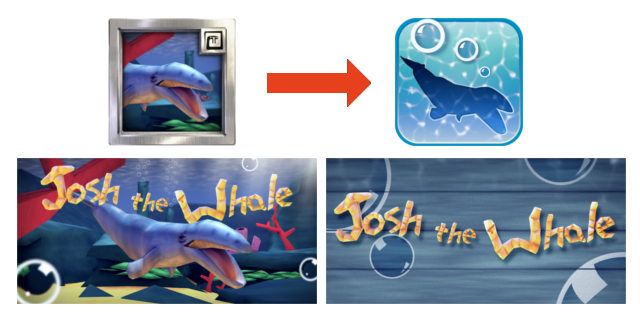
The app icon and other graphics were interesting to put together. The original thought was to stick to the same icon template and banner styles that we had used for our previous live wallpapers. As you can see from the images below, they weren’t the most impressive images to look at. But, after sifting through Google’s and Apple’s quality guide lines, we decided to redo all of the graphics for the app, creating a simpler style for the icon and banners.
For the final steps of the project, like marketing, I was put in charge. Gathering information on review websites that tailor to the audience we wanted to reach was important, and putting together a trailer and other material to show the app in action was done as well. This moment was probably the most educational for us as a company, mainly because I had never really done any marketing before, and because we have learned that hiring someone to handle the marketing is probably the best way to make sure that it is executed effectively.
One of the huge pluses to this whole project though, was the cost. I believe that the cost for a Shiva 3D license was $200, which covered porting the game to bother Android and iOS. Marketing was about $1000, but besides that there was no additional cost to the project besides our time. We used open source software for all asset creation and editing. This includes Blender, Gimp, Audacity, and Inkscape. Software that we have allot of experience with, and are all great programs.
We have only just released this app, and we have had a really good responses from reviewers, family, friends, and strangers, so far. We are proud of Josh the Whale, and so thankful for everyone that helped make it a reality. It represents our commitment to making products that we can be proud off and that others can enjoy. It represents our first step into the game development realm. And most of all, it shows that even a small whale can do great things, our goal for the future.
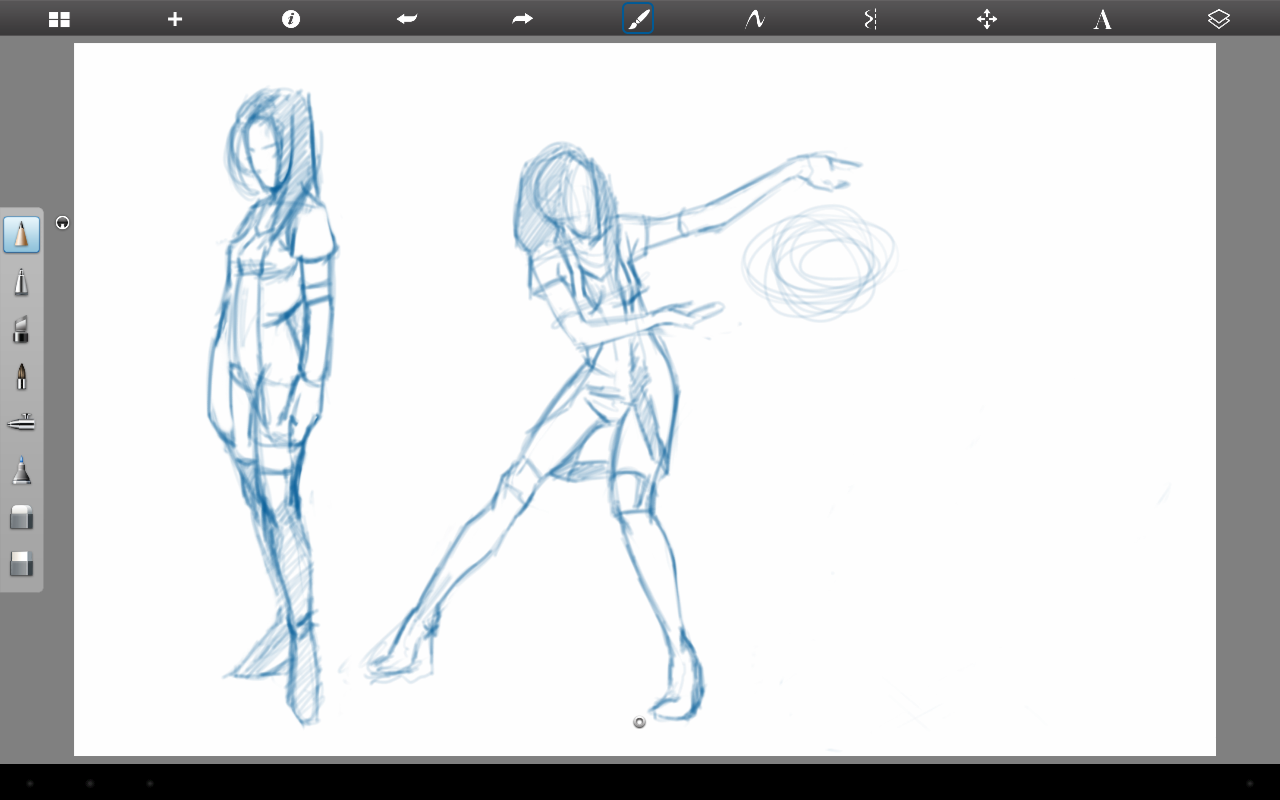
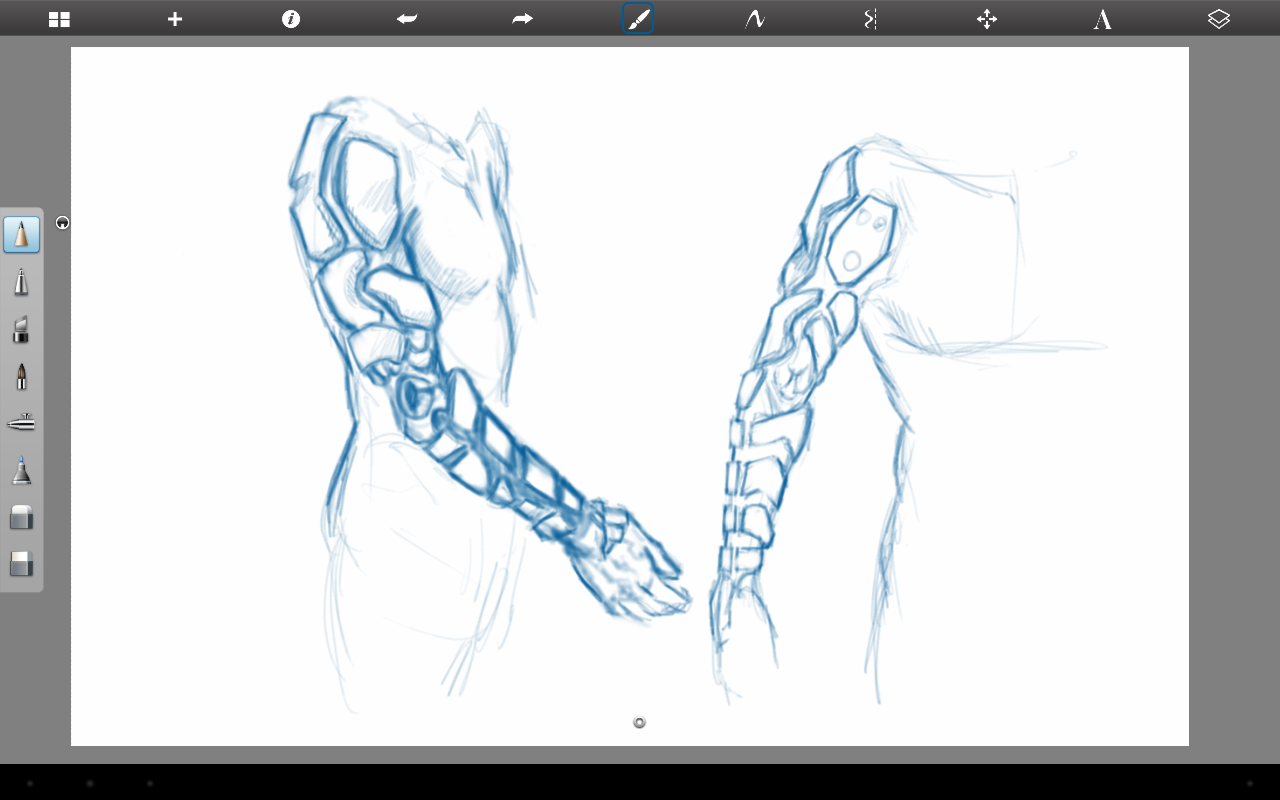
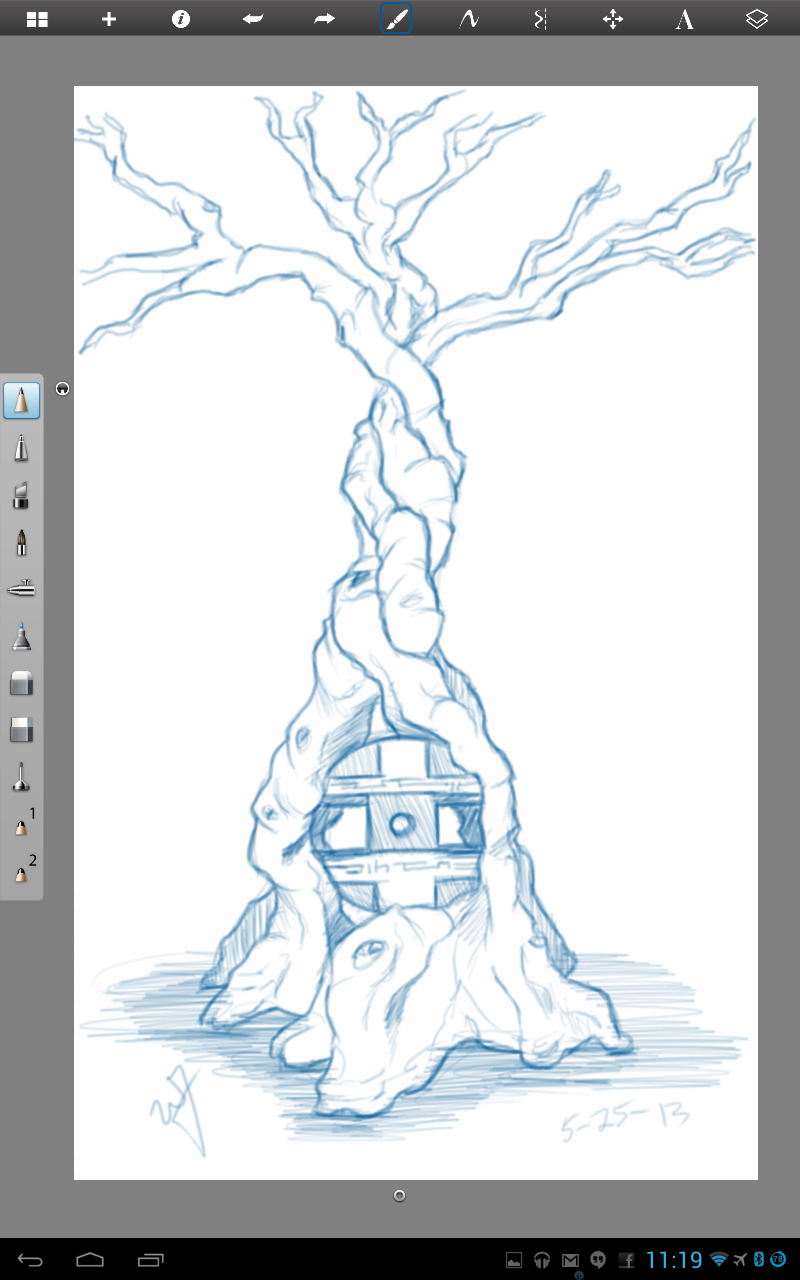
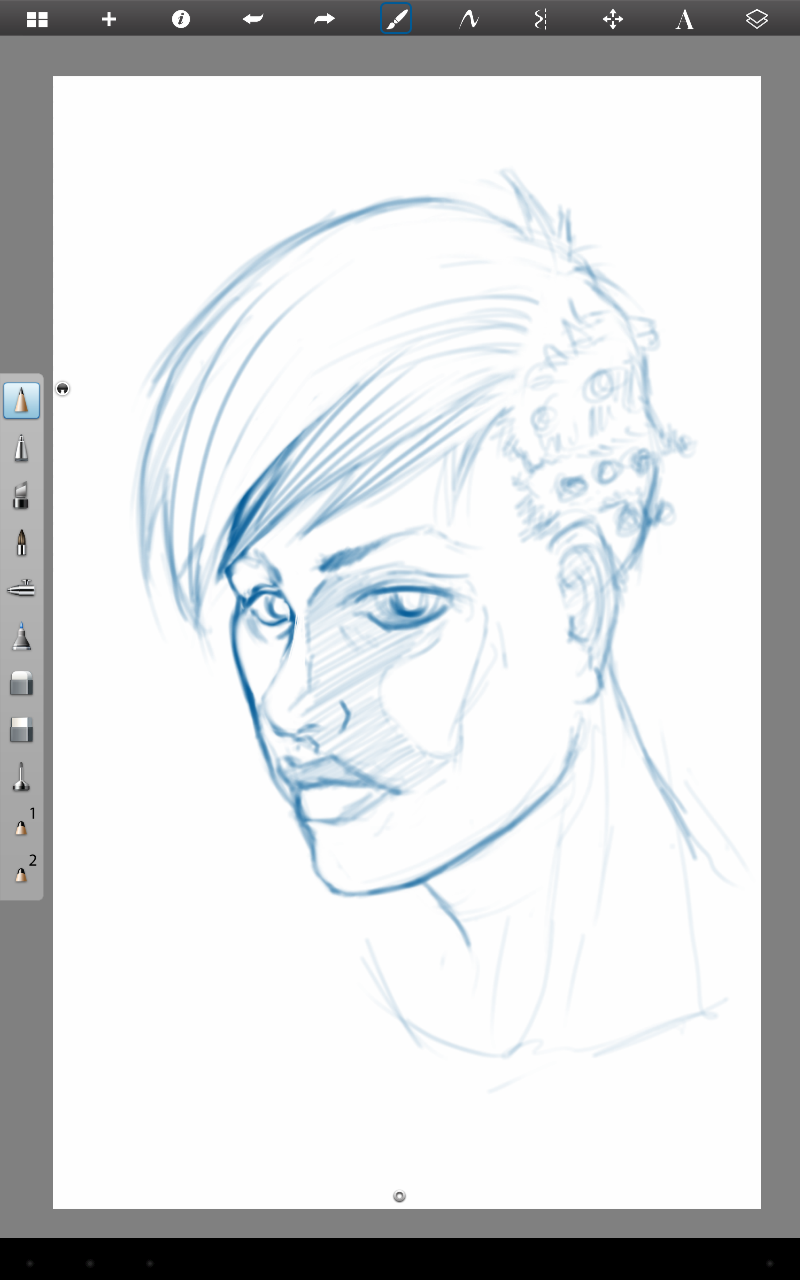
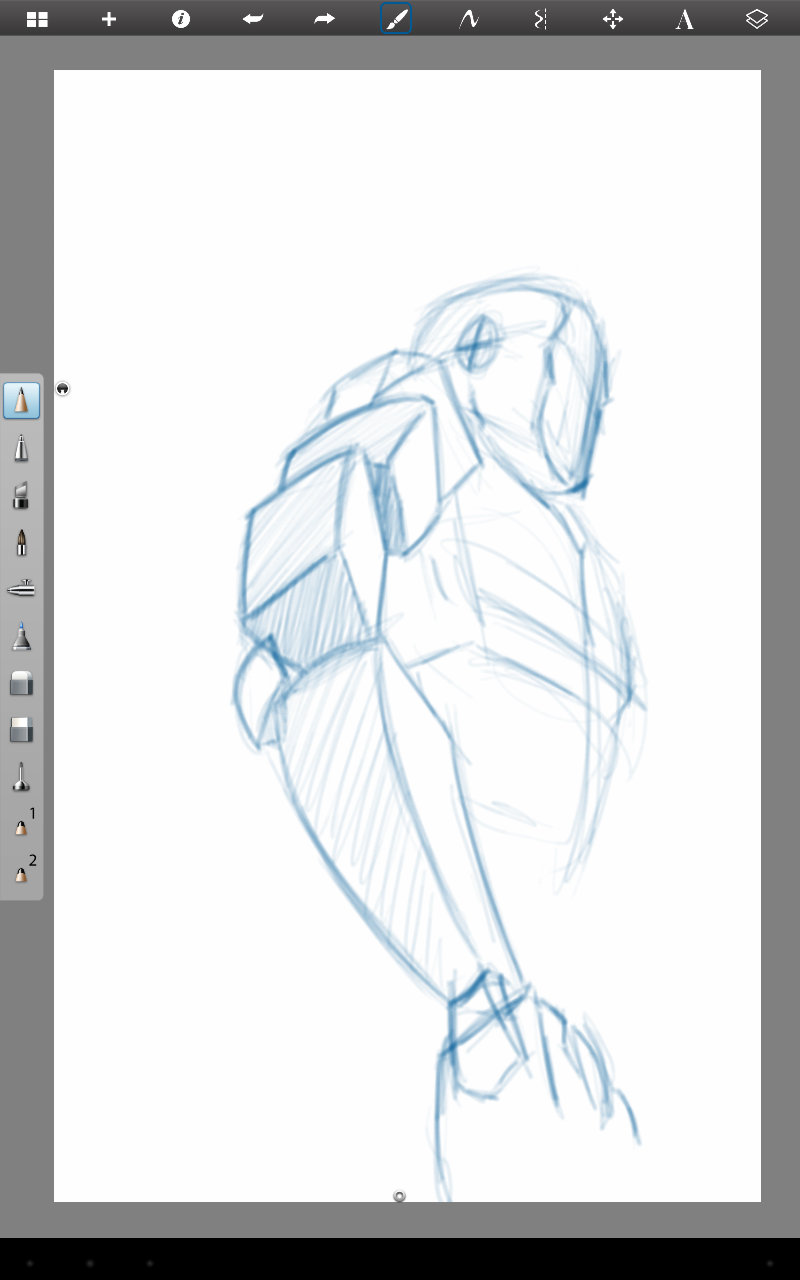
I have been able to do some casual sketching here and there, and I would like to just share a few sketches that I have done over the last few weeks. No real focus, but I am sure you will enjoy them anyways. These where all done through Sketchbook Pro on my Lenovo Thinkpad tablet.
The portrait sketch above isn’t completely mine. At Draw Night, Michael, Ethan and I began talking about how difficult it is to draw the eye, furthest from the viewer, in a 3/4 portrait. I handed my tablet over to Mike, so he could adjust my handiwork. Thanks Mike!
I am going to brag a little bit, only because this is such an awesome device. But before that, I apologize for the lack of posting. We have officially started our next project, so, I have been doing allot of writing, organizing, and discussions, to make sure we give this project a good start.
This Cintiq 13HD has been very fun to work on. Having worked on an Intuos for such a long time, it takes a bit to adjust to working on a display, but it comes with some advantages.
The first thing that I noticed was how much easier it is to do line work. It is more accurate. The reason for the increase in accuracy is because the disconnect created by drawing on one surface while looking at a different surface, is gone. This makes it more like a traditional medium, which, for some artists, can be very attractive.
Pro number two, is how portable this thing is. It is the same width and height as my 15.6 HP ENVY 15, and they easily fit side by side in my bag. I take it between work, Draw Night, parent’s house, and my house with out worrying about it at all. It does add a few extra cable to my bag, and is slightly heavier than my medium Intuos 4 tablet.
Which brings me to my next point. This device is deceivingly light. And, even thought I don’t do this often, I can easily draw with it sitting on my lap. This is the big plus to this device, light and portable.
Now some down sides. The screen is a bit dim. Most of the time I don’t mind it, just because it is still brighter than most LCD’s. I heard somewhere there is a way to adjust this, but I haven’t been able to find a service manual to adjust brightness. There isn’t anyway to change the brightness with Wacom software unfortunately.
This one isn’t really a con, seeing it will be resolved soon. Getting it to work in Linux was a bit of a chore. Because of how new the device is, native support won’t be around for a little while. I was able to build the latest driver from source, and then I have had to trouble shoot the Settings GUI so I could map the buttons. A bit frustration at first, but I eventually got everything working right, and it works great in Kubuntu 13.04. It also works great in programs like the Gimp, MyPaint, and Krita.
The one big downside to this device is the connector for the proprietary cable, and how it connects to the device. It is a bit flimsy, and one good bump would definitely render it useless. With some extra care though, this can be avoided, and shouldn’t be a problem for most people.
Overall, it has been a joy to use, and for the price point it is a very good device. Great color, great portability, and a great price. I would definitely suggest it to anyone interested in getting a Cintiq, and not wanting to spend more than $1000.
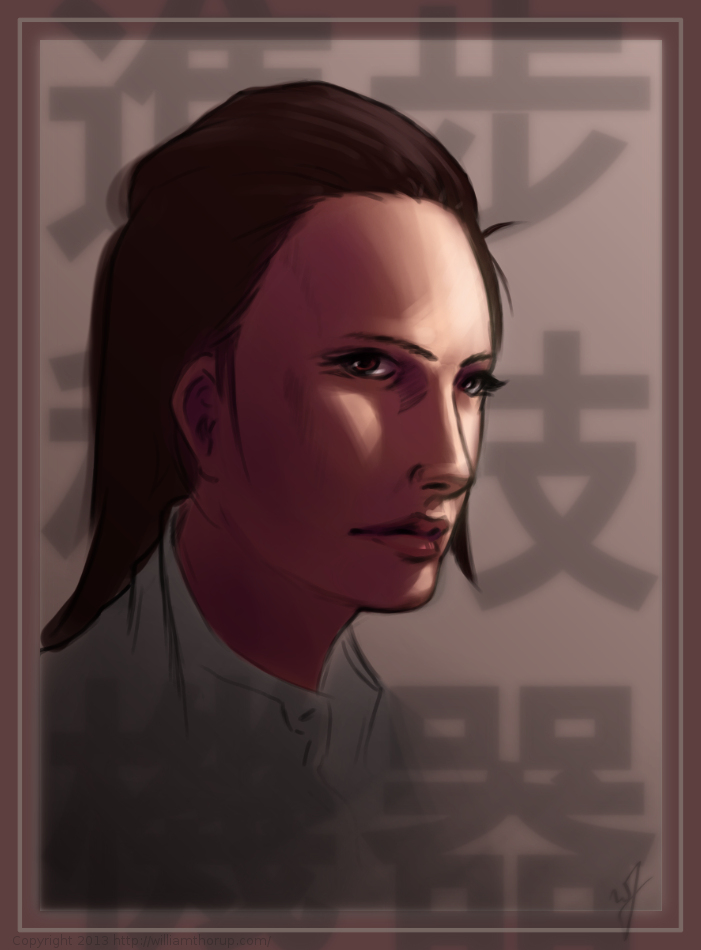
This one might count as a weekly sketch review, since it was really just a study in lighting. This face was actually from a sketch session of many faces I started a couple weeks ago. I decided to go back and pick one of those faces and push it a bit further.
I think that I have been using Krita a bit too much. The shortcuts, like the shift+drag to adjust brush size, have spoiled me. I keep thinking that they should include the option in the Gimp. But I also understand that Krita is more geared for an artist like me, while Gimp is more built for photography. Both programs have their good and bad qualities, and I still enjoy using both programs.
A little about this painting though. I have been studying a bit about photography and lighting for portraits, and I wanted to try my hand at a Rembrandt lighting. Using this kind of light seems to create allot of depth in the subjects face. I wanted her to feel more ominous by dropping the bounced light, creating a starker contrast between the right and left sides of the face.
I like her somewhat “I’m better than you.” expression, adds to the character. The background says things like “Science” and “Progress”. Her character kind of reminded me of something that you might see in a Final Fantasy game. Overall, I believe the portrait does it job. Enjoy the video!
Sorry about no weekly sketch reviews. I have been doing allot of sketching, just haven’t taken the time to put some posts together. Maybe Friday or Saturday perhaps.
Been busy with things, looking to get Josh the Whale released, other video production projects, etc. In my free time though, I have been doing written and visual concept for mine and Bryce’s Jag game. The visual stuff is easy, it’s the writing part that is kicking me in the butt.
I would never confess to having any real skill in writing. I am hoping that these side projects, along with company projects, will give me the practice I need to change that.
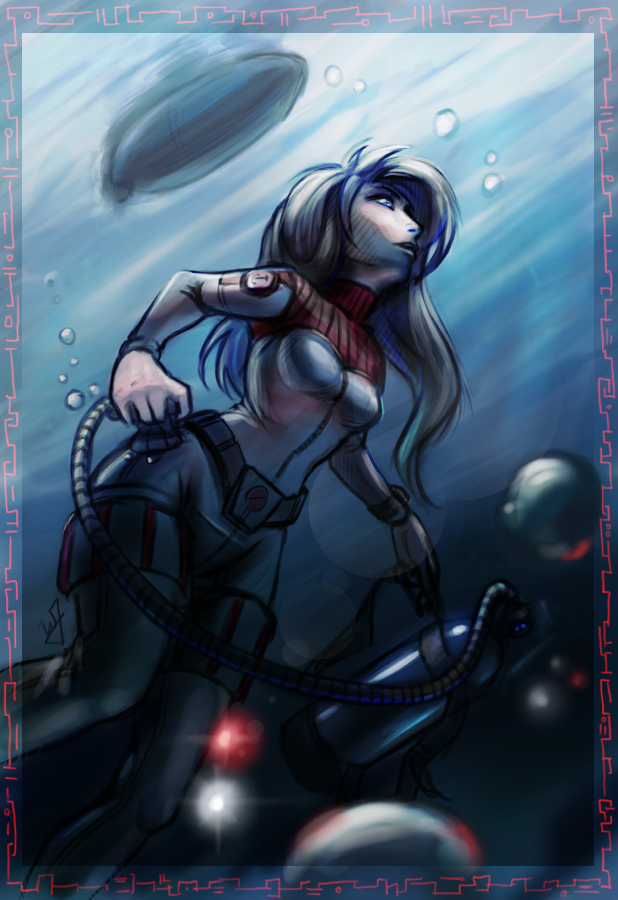
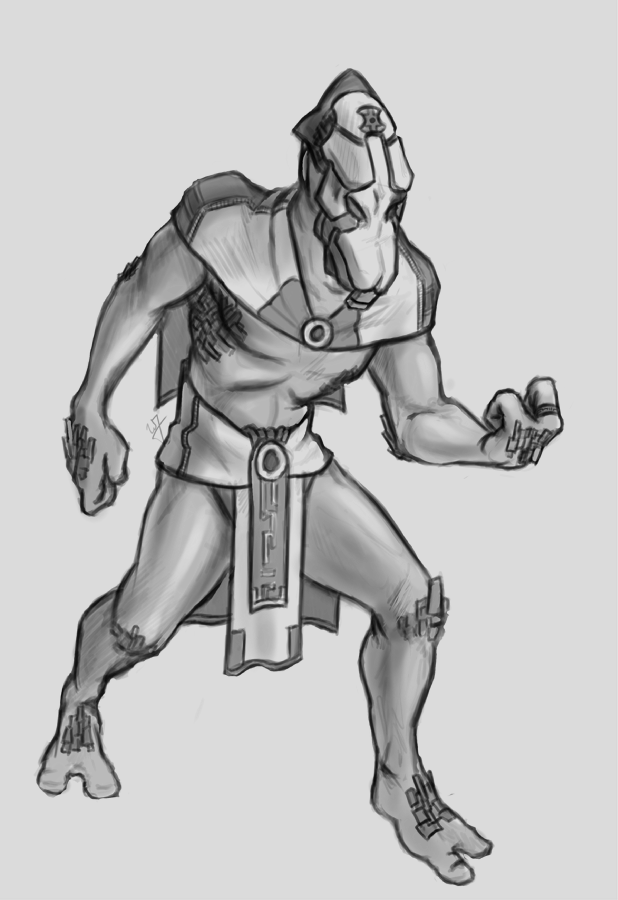
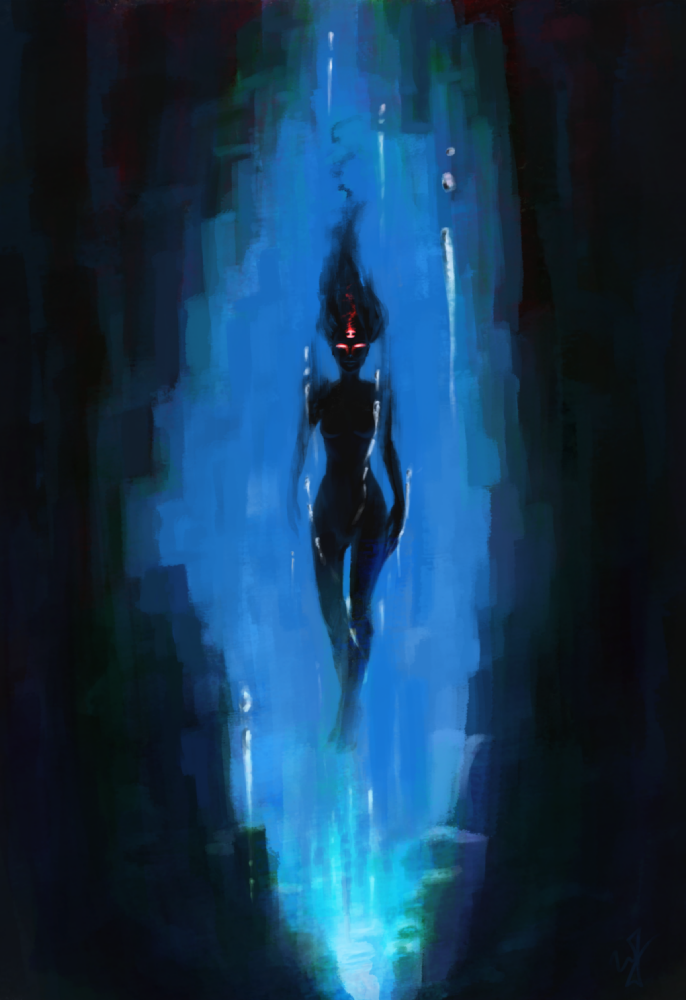
So to give you a bit of an introduction to this piece, without diving into undeveloped ideas. This character is one of 6 gods that govern the world and it’s time. She is the very essence of the absence of time. The opposite of existence.
That is the idea that drove this painting, and that is all that I have so far. Maybe I will post more about these characters in future paintings. Yet again, maybe not. This is just a side project, so we will see how far it goes.
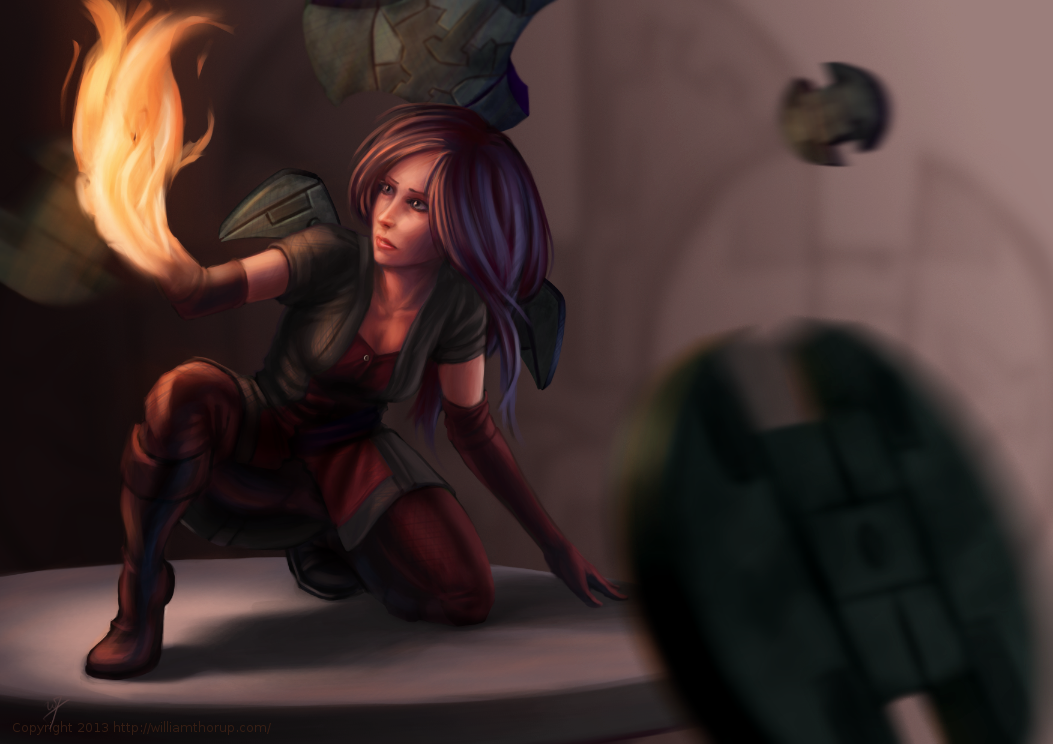
My brother Bryce and I are putting together a game for the Atari Jaguar, and I have been working on character design, game assets, and getting a story together for the project.
This piece was spontaneous, coming out a sketch session. It was also very fun to work on. I want to thank my a few of my friends, Ethan, Micheal, and April for the critique. Your help is needed and always appreciated.
One part a really enjoyed was additional programs, on top of the Gimp, to get to the final piece. You will notice that in the video, I just out to Krita and Blender. I used Krita’s mirror functions to come up with a concept for the weapons spinning around the character, and I used Blender to model, place, and light the weapon. I have used similar processes in the past, although this time felt like it was really good decision making on my part. It sped up the overall process of the painting, and I think I achieved a better result than if I had done it all in the Gimp.
There will definitely be more of about this game in the future. I have already put together some turn based battle mock-ups with sprites, and Bryce has been putting some of these assets to use with actual programs on the Jaguar. It’s awesome to see this stuff actually turn into a playable form.
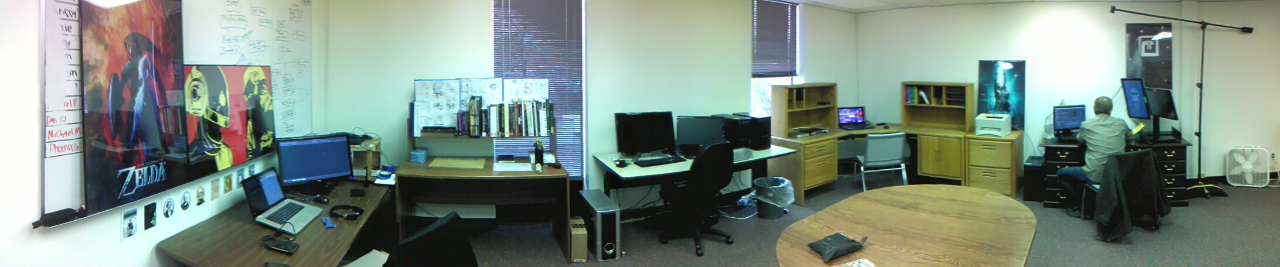
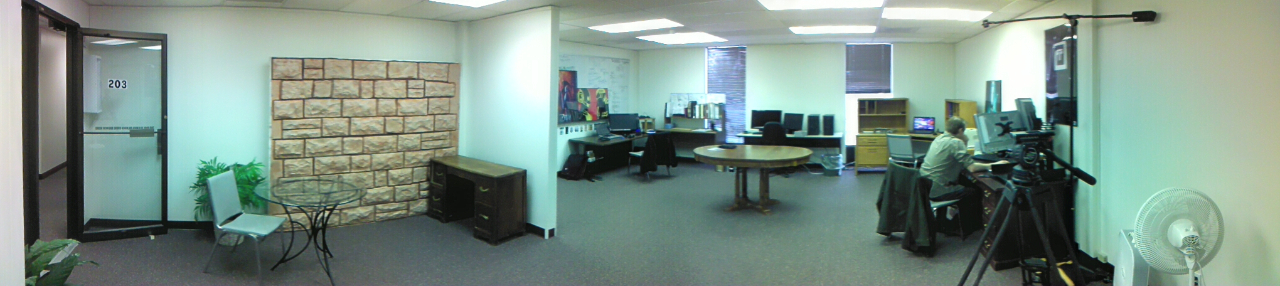
This is a quick post just to show off Thor Media’s new office. Nothing special, but it should help bring a new focus to our work and help us make better plans for the future.