William Thorup

Illustrator, Motion Graphics Designer, Animator, and VFX Artist

Category: All

  • Atari Jaguar – Cover Art & Packaging for Last Strike

    Atari Jaguar – Cover Art & Packaging for Last Strike

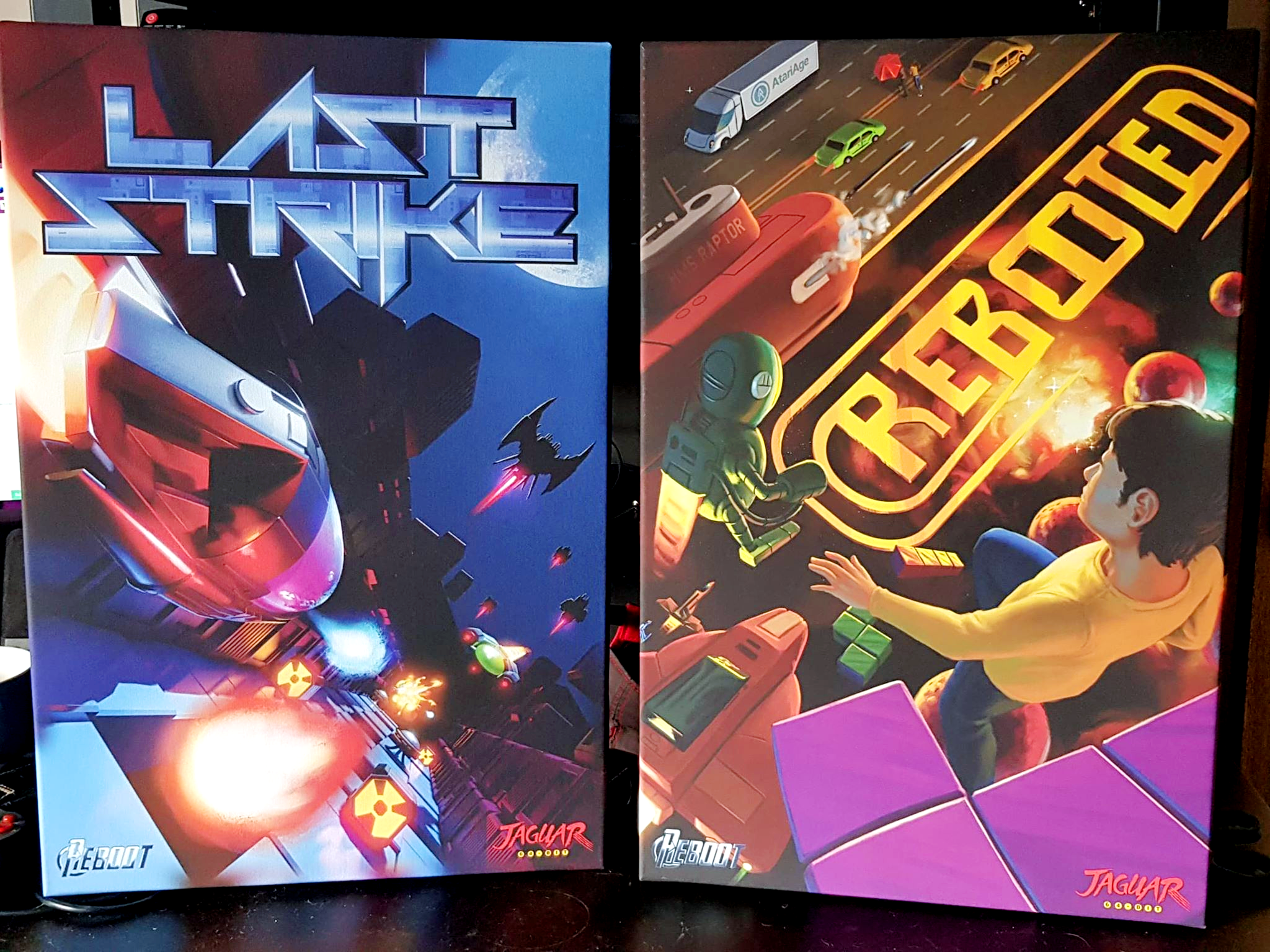
    With customers on the verge of finally getting their copies of Last Strike, I thought I would do a post on a bit of the background on how the packaging for this great piece of Atari Jaguar homebrew came together.

    Digging through 3 years of emails, it’s interesting to see how much you tend to forget on these long term projects. My involvement with Last Strike started with helping Albert at AtariAge in 2018 with some banner artwork for his booth for Portland Retro Gaming expo.

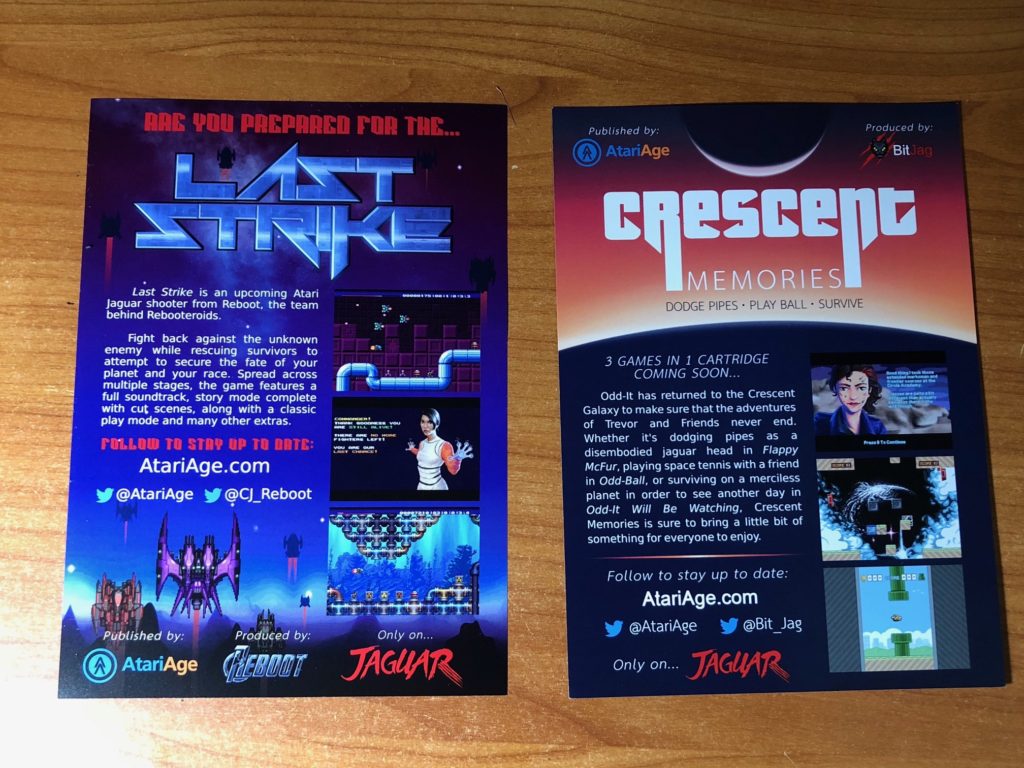
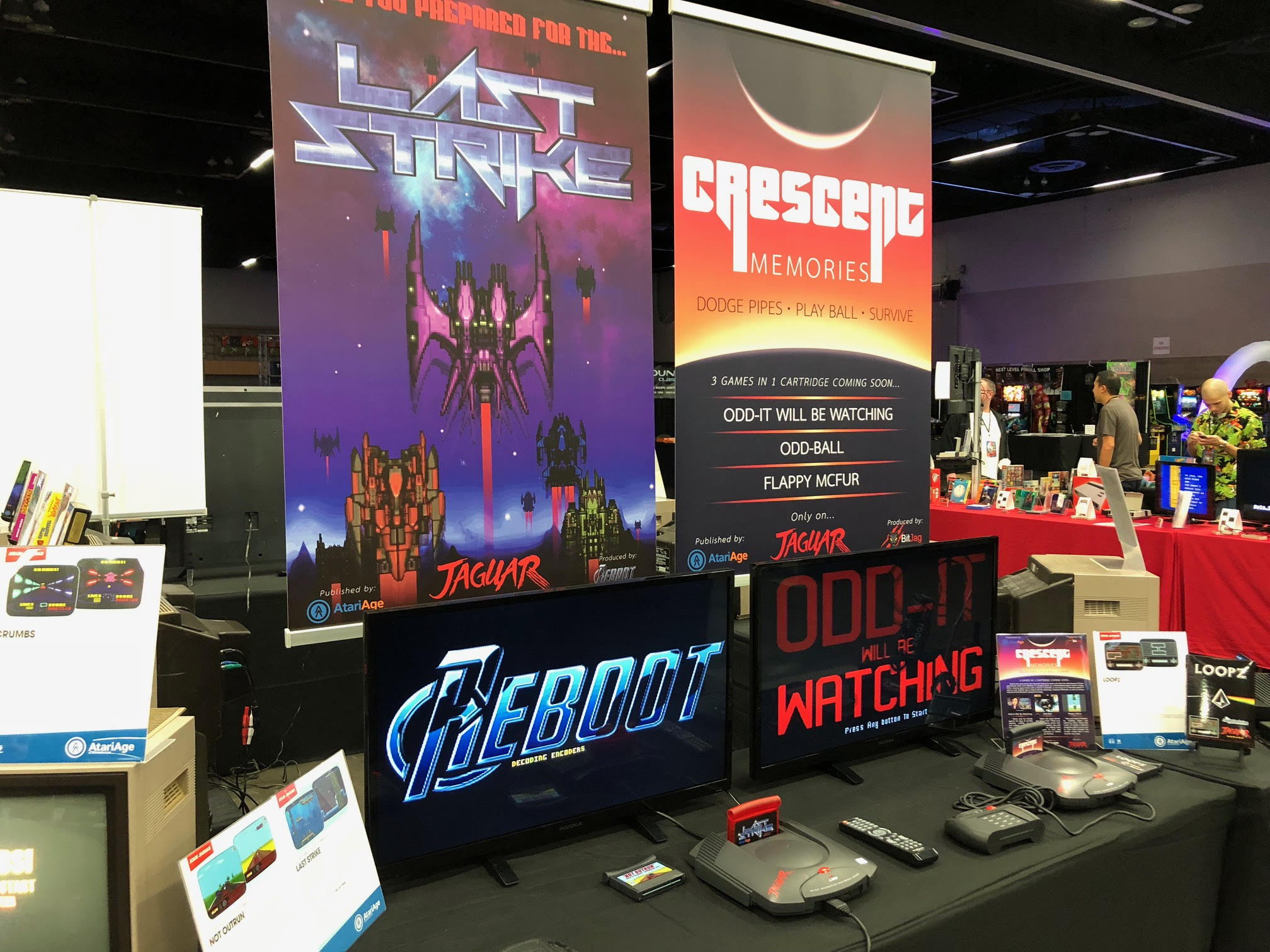
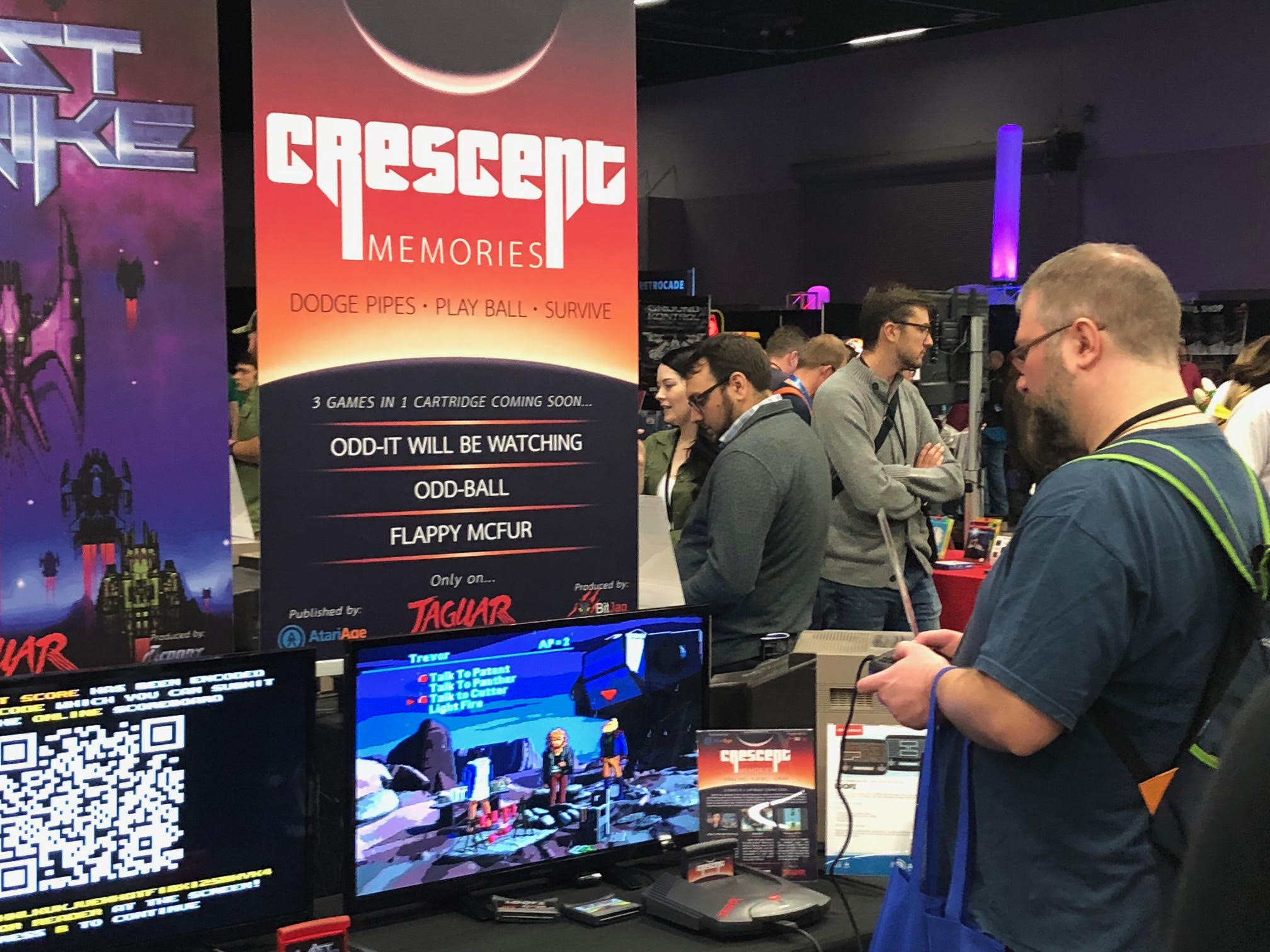
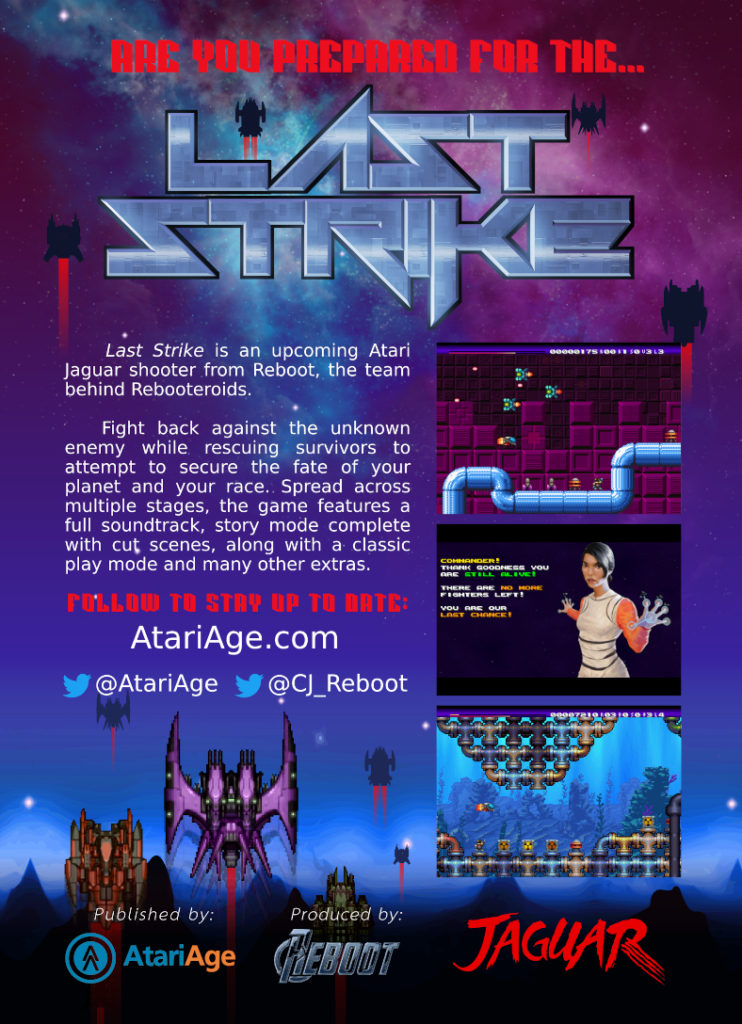
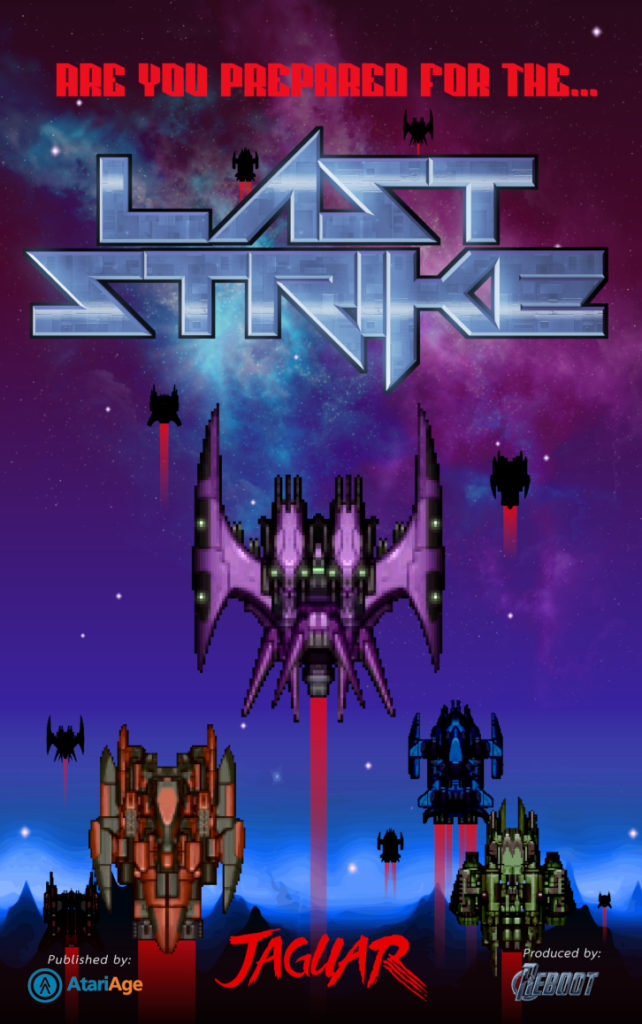
    I have actually never see these booths in person, and with the lockdowns, that chance may not come any time soon. Based on pictures posted by AtariAge though, it’s an honor to have some of this quick graphic design work show up at conventions where thousands of people get to see it. Along with the banner, I had put together a flyer that was available for pick up by potential AtariAge customers. Last Strike was printed back-to-back with the flyer for BitJag’s Crescent Memories game. The sprite artwork for the spaceships is from https://opengameart.org/.
    After the convention wrapped up, along with the holidays, work started on the cover art for Last Strike. April 2019 is when the emails started, along my usually first step for work like this. Thumbnail sketches.

    I decided to bypass pencil sketches and go directly to color sketches. A couple reasons for this. Reboot didn’t have much in regards to direction except for pointing me towards previous content generated for marketing and assets for the game. This makes picking a color palette fairly easy. Just stick to what is used in the game and the banners/flyers that were used for Portland Retro Gaming Expo.

    For the content and composition of the boxart, I decided to take inspiration from other shooters. One in particular was used as inspiration, and that was the cover art for Raiden on the Atari Jaguar.

    Raiden’s box art takes a very simple but effective approach of extreme perspective to create a good sense of depth and movement. With the nose of the aircraft pointed towards the obstacles that the player must face in the game they are about play, we are given a good tone for the game without needed to plug and play.

    With these thumbnail sketches I decided to take the compositional ideas and translate them into something new for Last Strike. I also decided to play with a few different camera angles to see if the client might want something not quite on the beaten path.
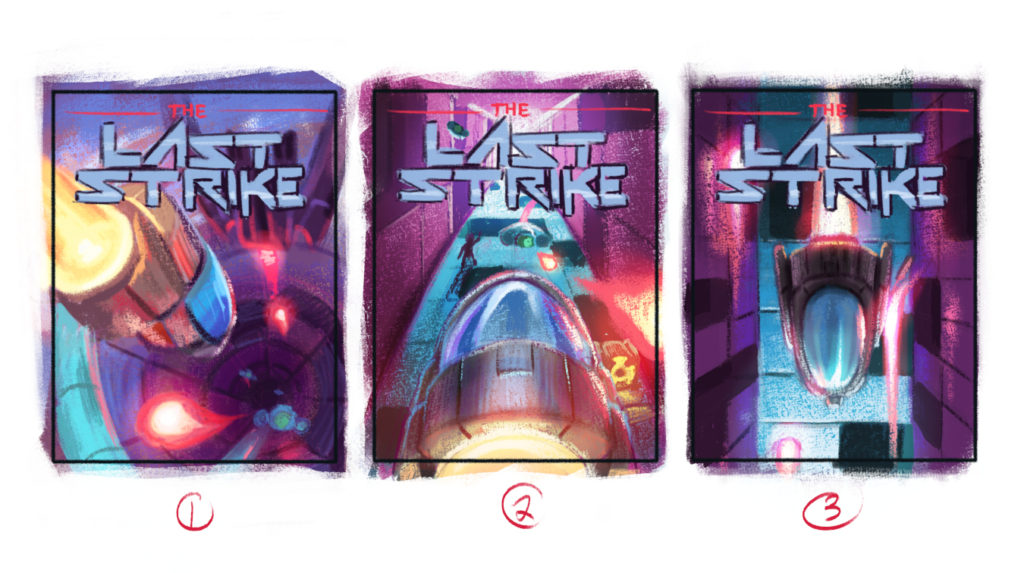
    After a few suggestions for changes the first thumbnail was the direction chosen. Before moving onto the final illustration, and because of the feedback, I decided to do a one more thumbnail sketch. Working in the adjustments and to refined the composition accordingly.

    Along with this new sketch, I was also needed to look forward to how this might look on actual product packaging. I had developed some templated 3D renders for testing artwork on for previous projects I have done for Jaguar games. I felt that we were far enough along with this final sketch to get a good feeling of what the final cover art and overall package would be like.
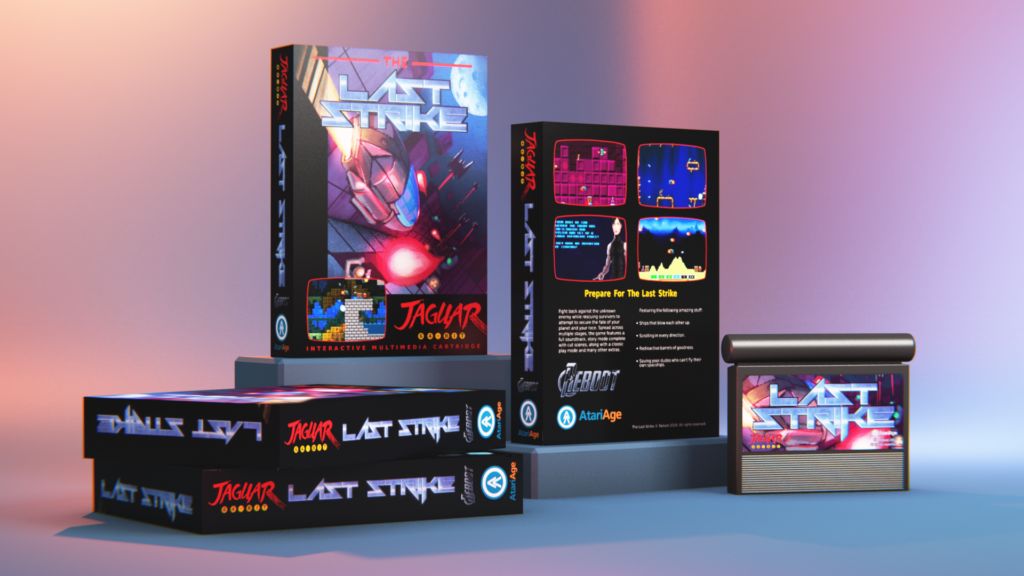
    With a go ahead for the artwork and confidence that the cover art would work well for box, manual, and cartridge label, I moved forward to the final illustration.

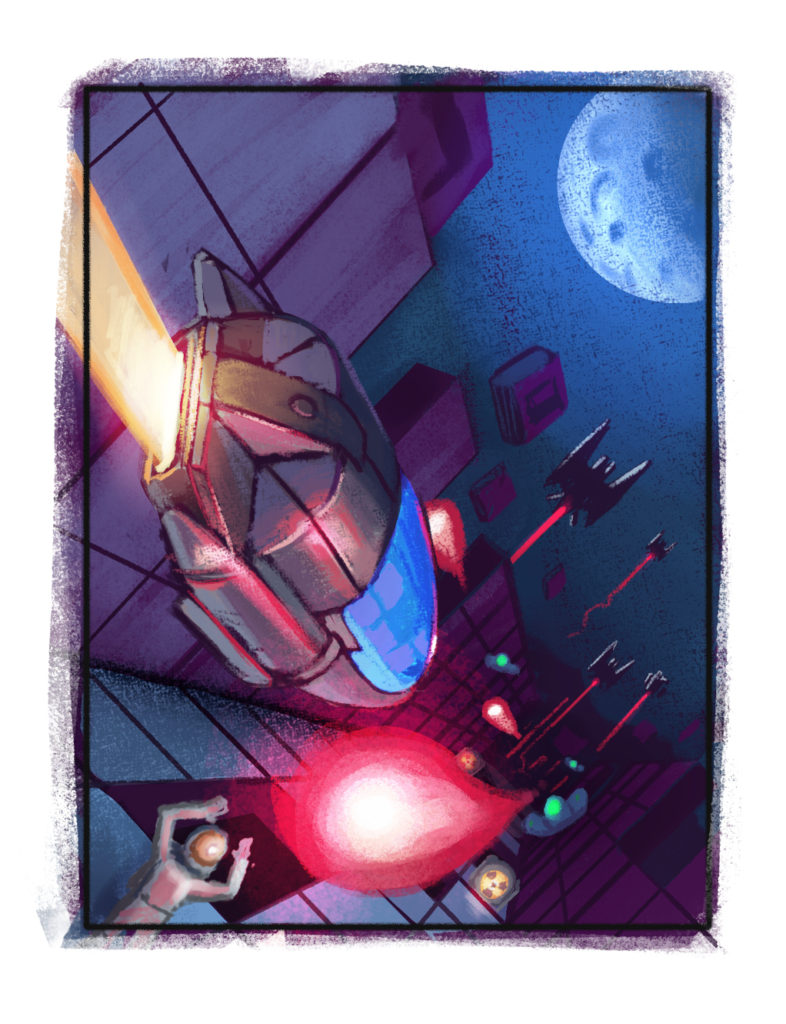
    I decided not to go with a strictly painted process and instead decided to use Blender to generate a pre-rendered base to work from. Building the models for the ships, the corridor, and other objects ended up taking up as much time as it would have taken just to paint them from scratch in Krita. But I believed that starting with a very clean and synthetic base to paint from would lend itself to the sci-fi feel of the game, while still giving me the freedom to add more organic edges here and there. Organic things like the people, blasts of energy, and the moon, contrast in form and silhouette with the more refined edges of the walls, floor, and ships. Creating a nice tension that plays well with the action of the scene.

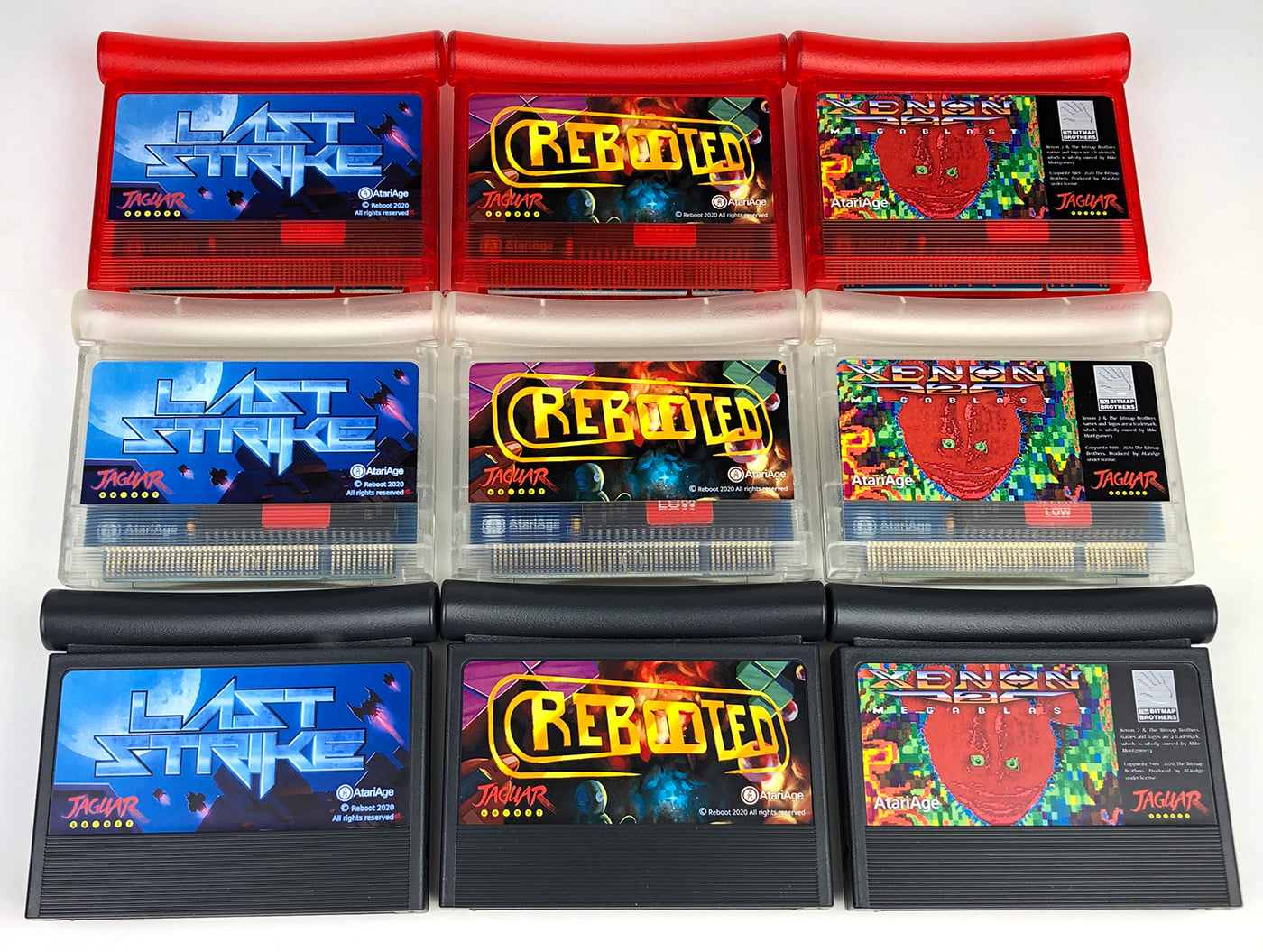
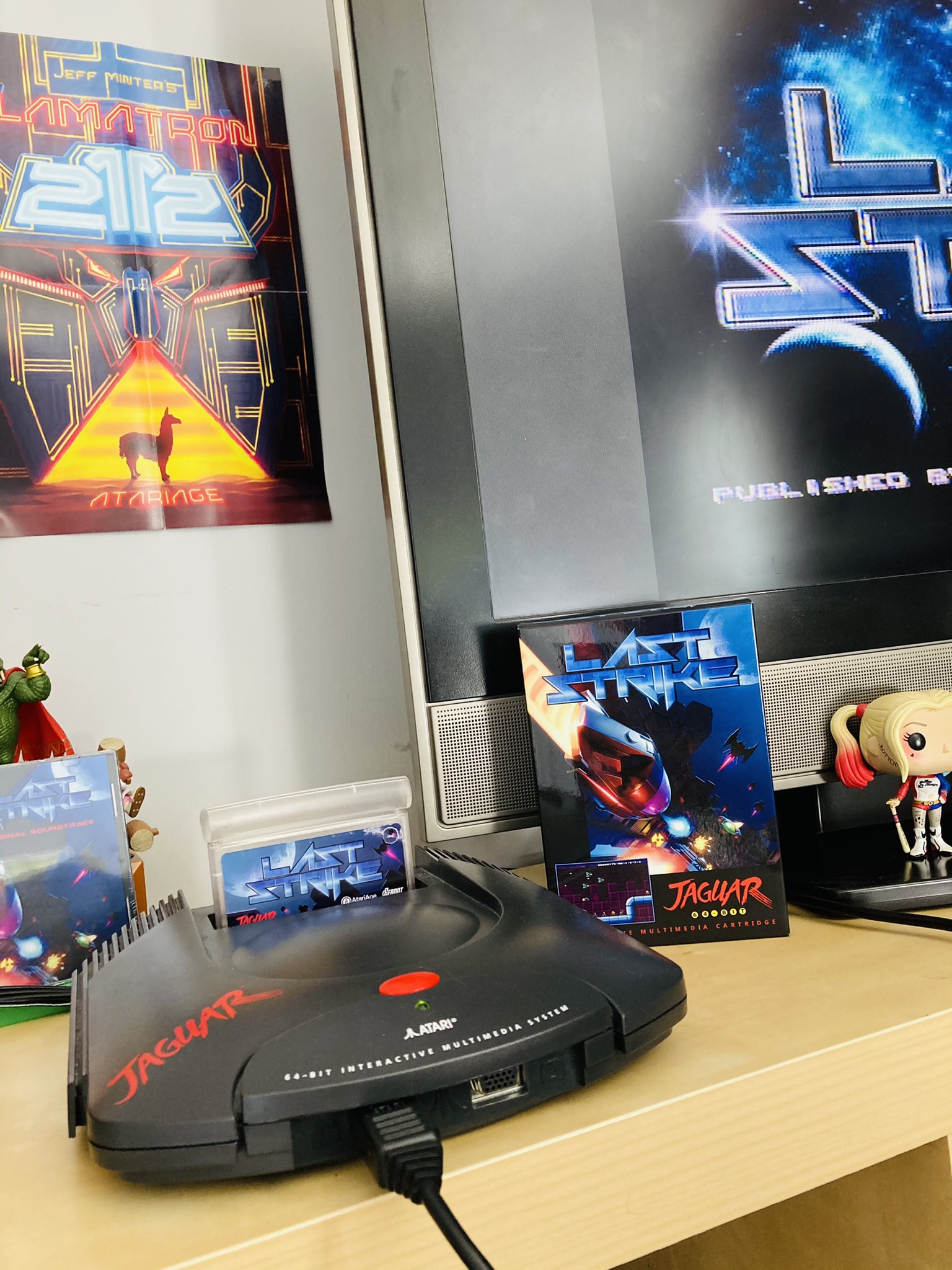
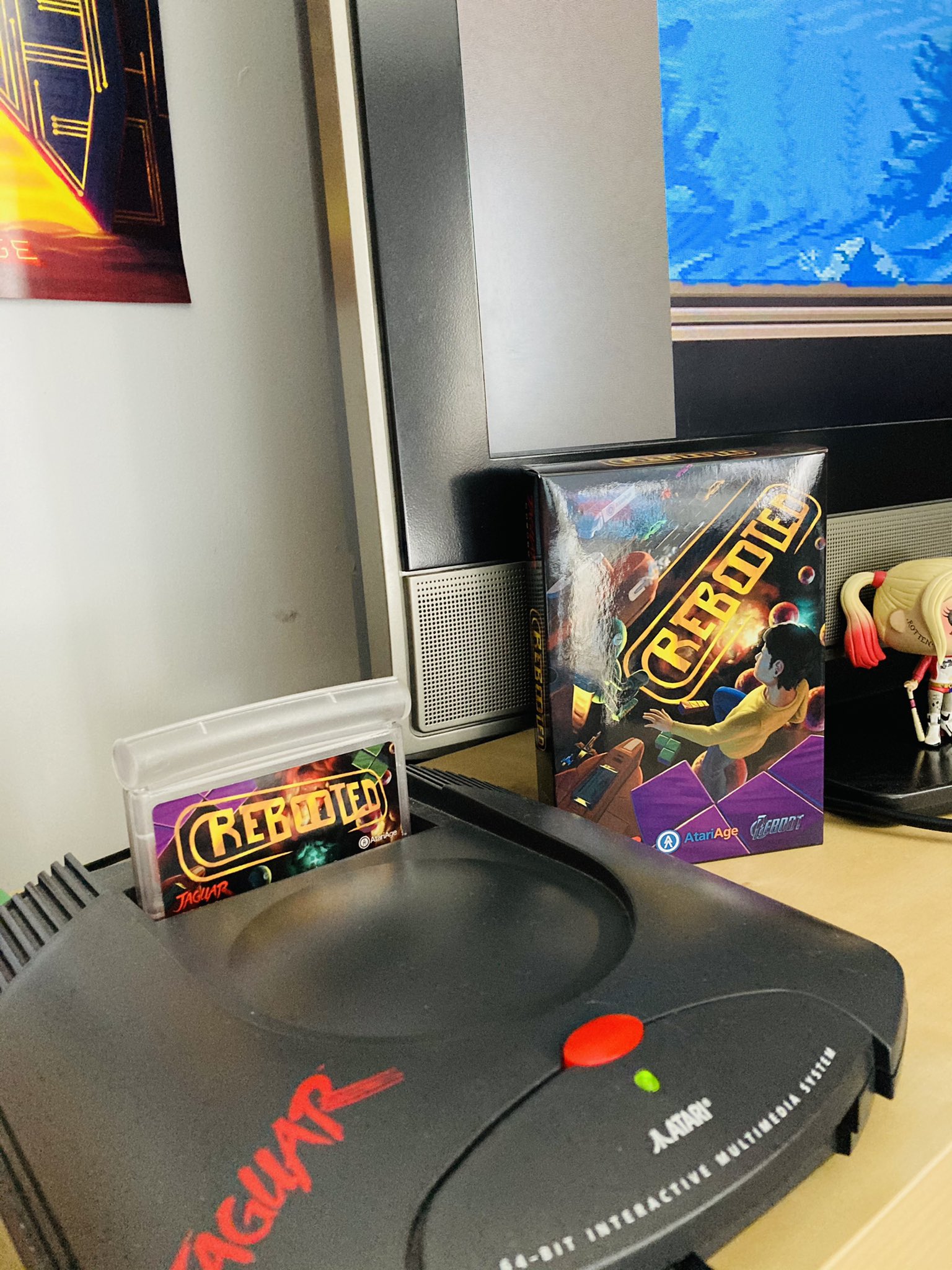
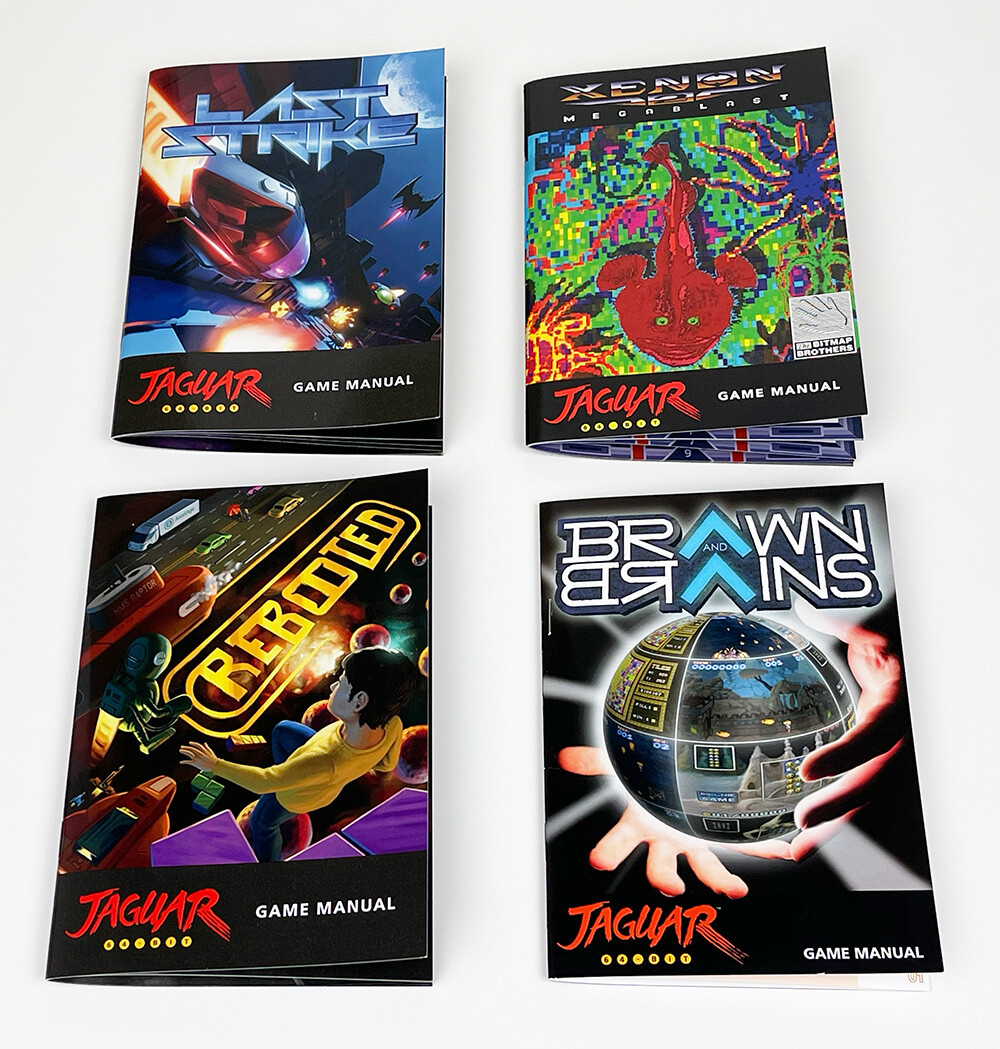
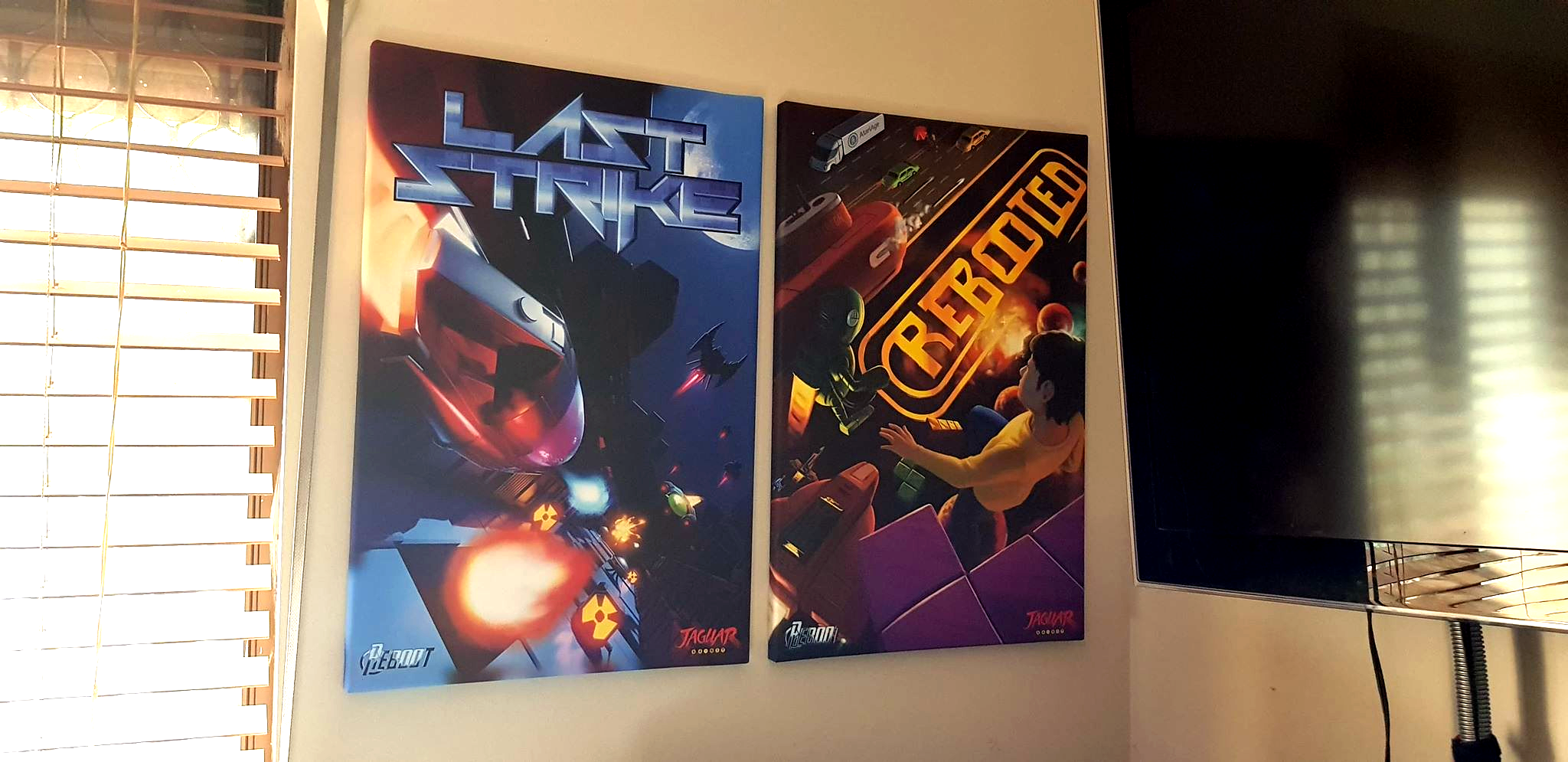
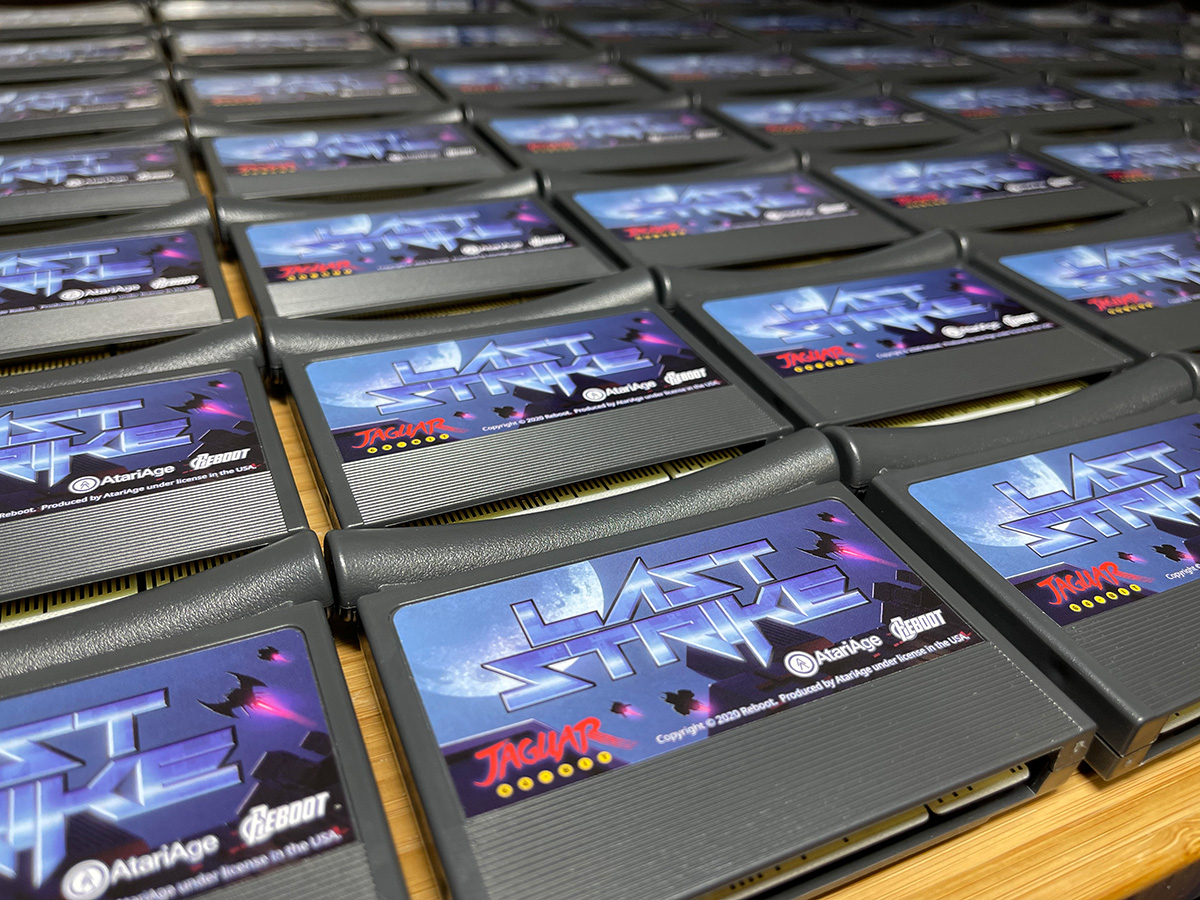
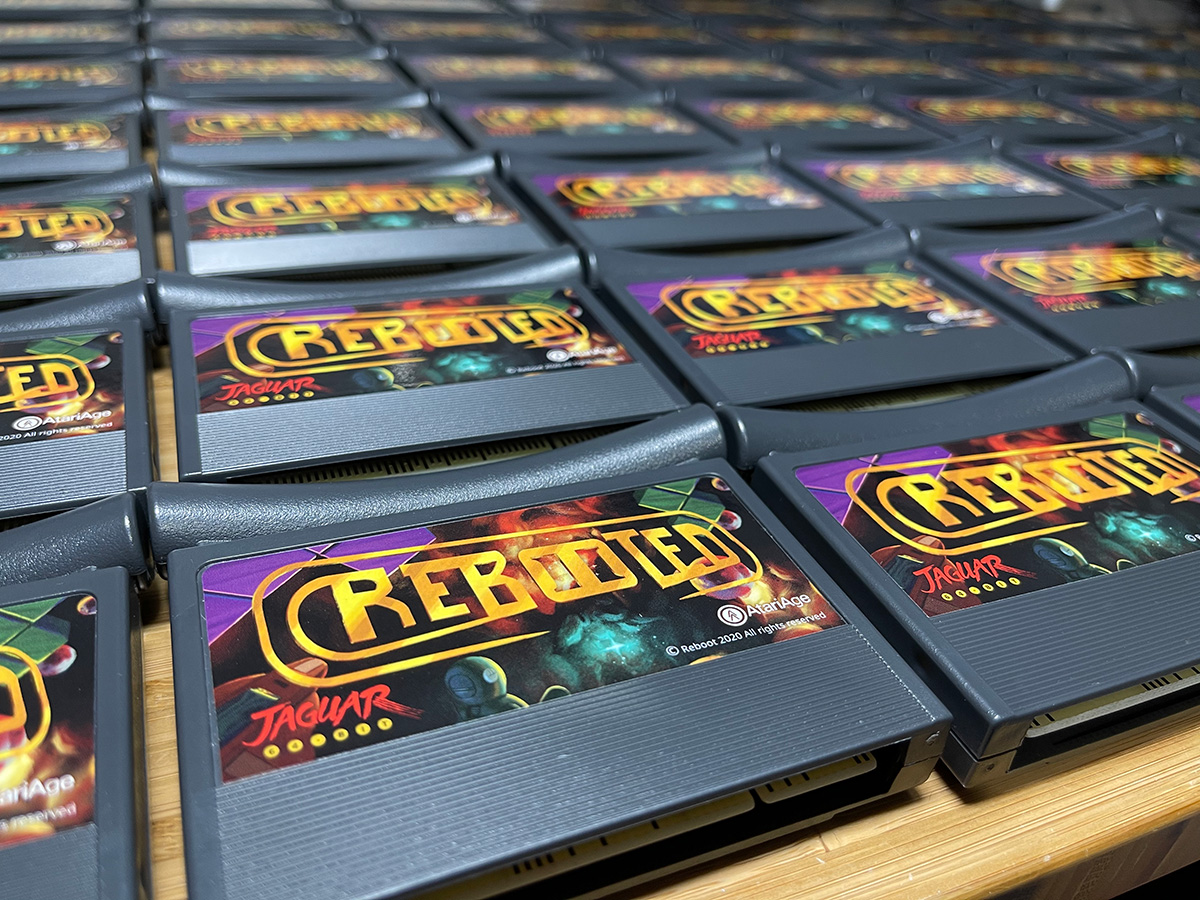
    I want to avoid posting final artwork here, but here is a render of that same 3D template that was used in previous steps of this process along with a time lapse of the process after the final thumbnail sketch was produced. Along with the box and cartridge label, I also assembled the manual for the game along with some basic cover art for the CD soundtrack. Also below are some pictures taken by Albert of AtariAge, Lawrence from Reboot, and a few people on Twitter who have already received copies of the game.
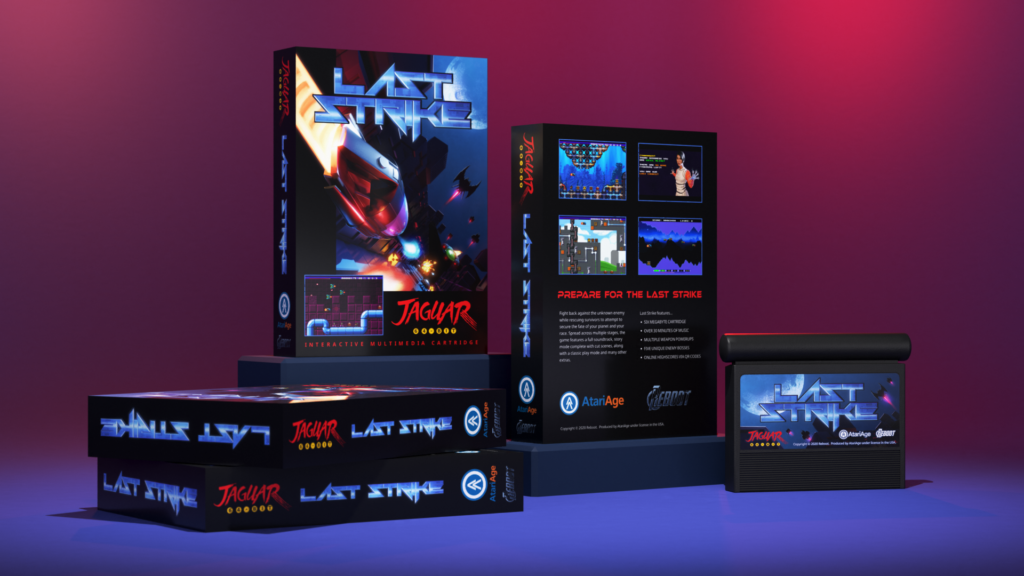
    I did have the opportunity to play the game during play testing. I want to avoid doing a lengthy review, since I am sure the game has gone through some changes since then, and my unavoidable bias due to my involvement. I do highly recommend the game if you like shooters though. In regards to variety it is much better than Raiden, but it is not quite as serious in tone. Having a fun edge to it, along with some good boss fights, it’s definitely worth adding to the collection. It gave me strong vibes of Blood Money for the Atari ST, one my childhood favorite games. Reboot knows how to make fun, high quality release, and it was great to be a part of that.
  • Cutter Portrait | Timelapse

    Cutter Portrait | Timelapse

    Over the last month or so I have been collecting my digital artwork and sketches into a collection of books. I will do a post specifically about this soon, but going through the process of laying out the last decade of my artwork has been thoughtful process.

    Something that became obvious quickly looking at my artistic habits over the years is that I love to do full color, highly rendered illustrations, but there has been a fear, doubt, something holding me back from doing more of that kind of work.

    So, in response to that, I have made what you might call a late New Year’s Resolution. Simple to paint more, as opposed to line drawings, and treat it as an education instead of “sell-able artwork”.

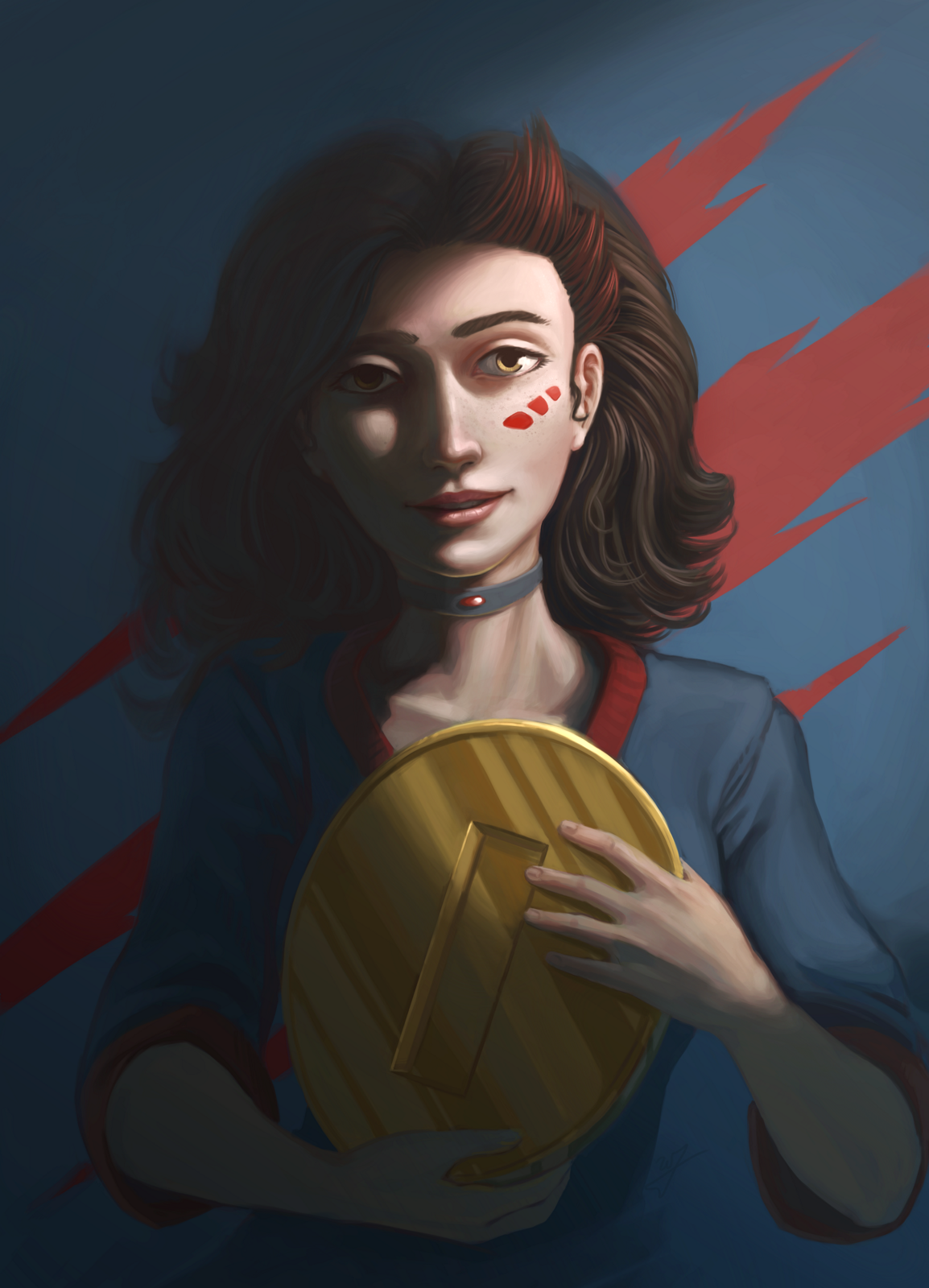
    In an effort to satisfy this goal, this portrait of Cutter, from BitJag’s Flappy Bird Clone, Flappy McFur, is the first fruits of that effort. Also, I recently re-coded Flappy McFur from the ground up, so this piece is a way to celebrate the nearing end of that work.
    Along with this, I want to setup some criteria to reexamine myself after I finish a piece. So, I’m approaching more time lapse videos for each piece I produce. I want to do a written examination through blog posts, focusing on specific things I learned or practiced, and how I might do things differently if I started over on the same piece. Lets do it.

    Things I Learned or Practiced

    Defining My Process

    I recently watched this video by Marco Bucci talking about painting greyscale and then moving into color after you have the value painting established. The primary idea that Marco presents that this process actually removes some of the benefits that can come to your artwork if you start with color from the start.

    Working in greyscale is something I have done in the past, and I plan on using this approach in the future. But he does make a convincing argument for why you should not do this all of the time. When starting this portrait of Cutter, I paid special attention how I pick colors, and how I could use a variety of colors in skin tones to enrich the piece. Especially for areas in shadow. Using a diversity of color in the shadows, along with ambient reflective color created more richness than I have experienced in my work before.

    Start By Anchoring Your Values

    If you watch the timelapse, you will see that I do make some dramatic value adjustments using some global color adjustments to brighten the image. I started this picture far too dark. What I learned from this is that when starting a piece, I need to keep in mind that whatever values I start with become the anchors for any new values that I introduce.

    This means that when starting a piece I need to determine one thing. If I have any direct lighting, I need to properly determine the mid tone for that light as first value that I add to the canvas. This approach can be applied to ambient lighting and any light in the piece.

    This anchor value will help determine the proper contrast between light and shadow that I may be looking for, for any future pieces that I work on.

    Work With Reference

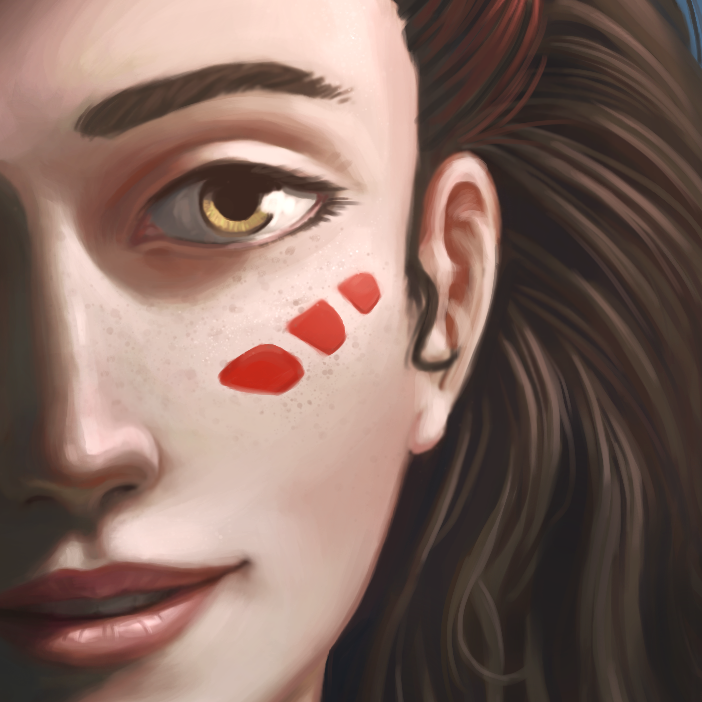
    Probably the most embarrassing part of the timelapse is how many times I make adjustments to Cutter’s face. I have heard from many experienced artists that spending extra time on the face is natural, and important because that is what people typically focus on first when looking at artwork. I would like to hide behind this reasoning, but I don’t think it completely addresses why I came back to the face to adjust overall placement and shape of the face. What is really sad about it is, even though the end result came out good, I am still not completely happy with it. Why did this happen?

    First, proportions were off from the very beginning. And adjusting proportions later in the process is almost always more time consuming when compared to properly establishing proportions earlier in the process. I believe the root of this problem is because I am not practicing from reference enough.

    Even though Cutter doesn’t exist in real life, therefore there is not reference to work from for this piece, by practicing more from reference in my studies, my “imaginary” artwork with be better informed. Having an appropriately oriented visual library established in my mind, I can better extract from that well practice to better in form my ideas in my imagination.

    Conclusion

    Cutter’s portrait is attractive, but took longer than needed to paint, and shows a lack of foundation in my visual library. What are some things I can do to improve?

    The obvious solution is practice with reference. This will solve both the problems of appropriate proportions for whatever subject your are painting, and it will help me become more efficient in my painting process. Resulting in saving time, and creating more attractive pieces.

  • Battle Angel Alita | T-Shirt Design Contest

    Battle Angel Alita | T-Shirt Design Contest

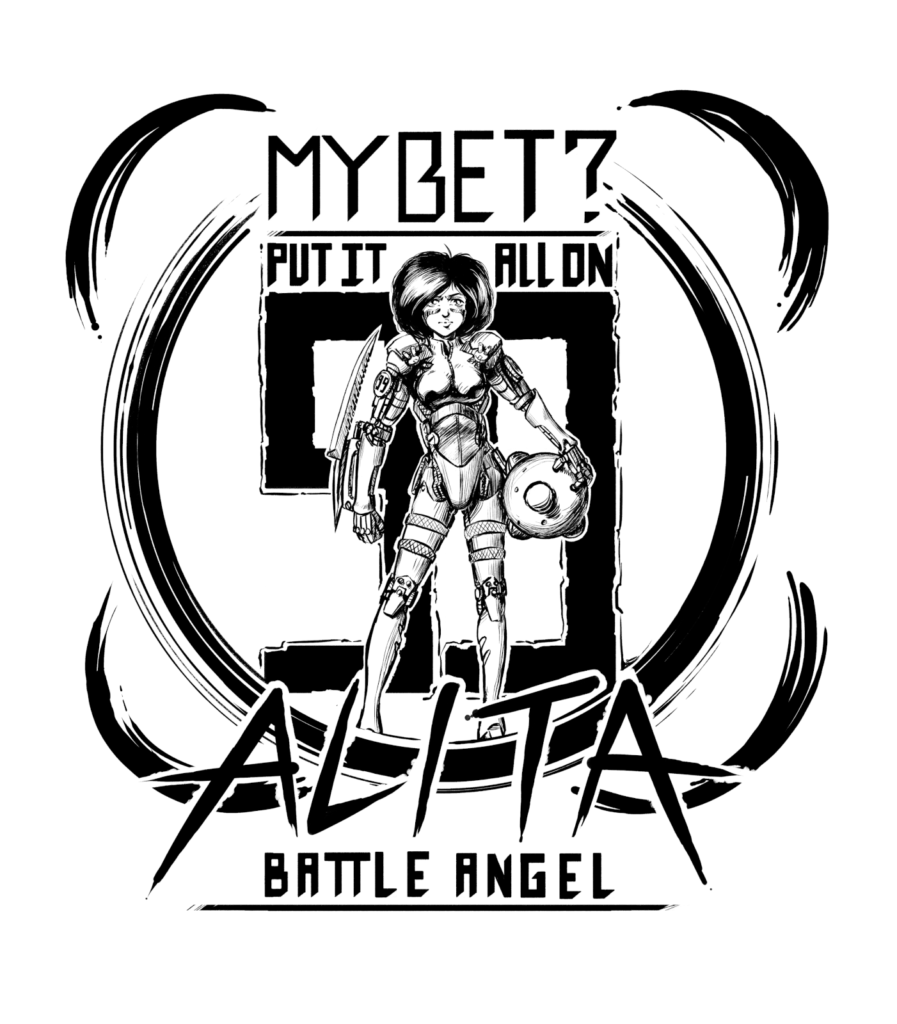
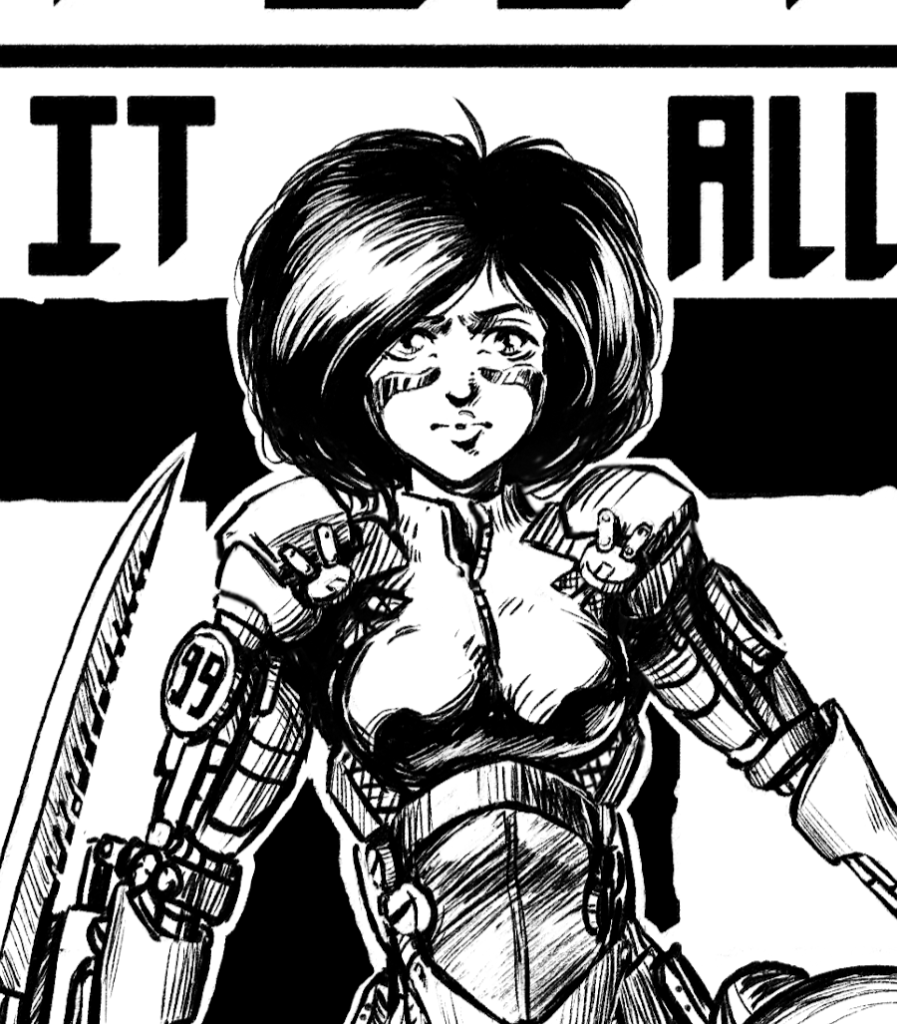
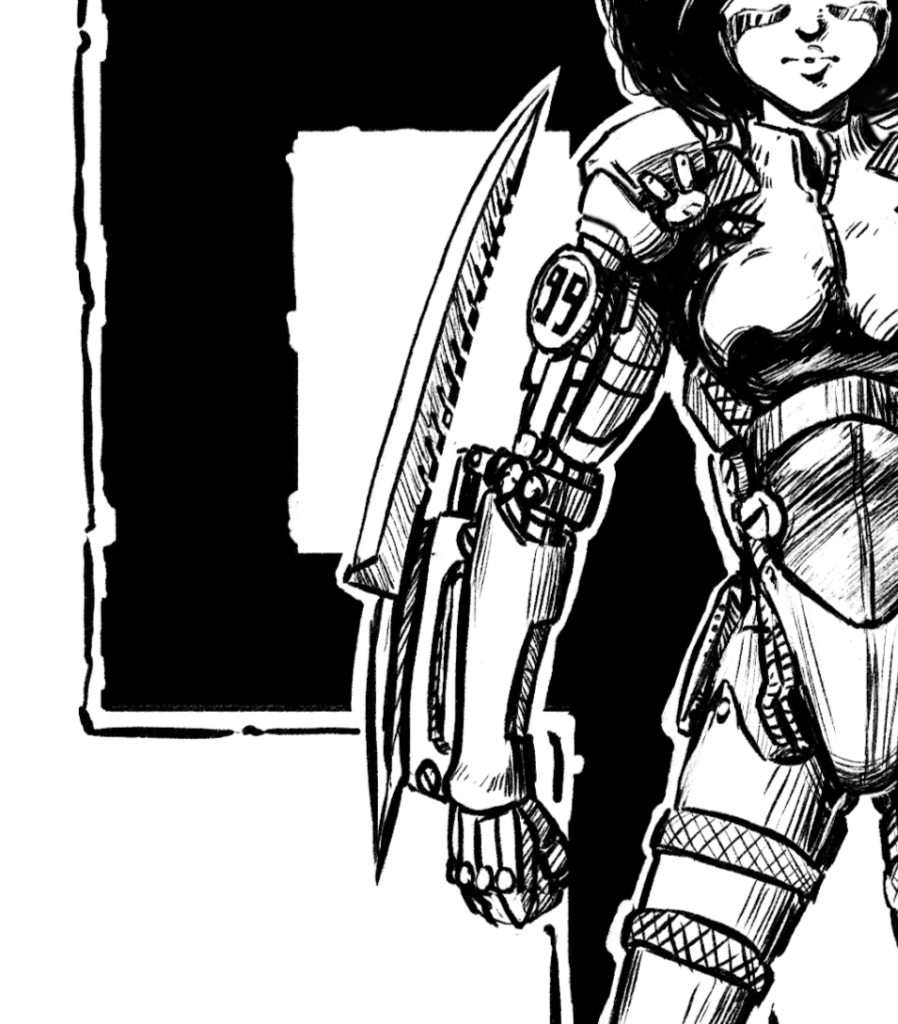
    My relationship with Battle Angel is an odd one. When I was young I saw the anime (which I definitely shouldn’t have had access to that young). Despite the violence and other… unsavory content, I really enjoyed the characters and the world that they inhabited. I found it cool, but strangely more relatable as I have gotten older, and had to deal with past mistakes and how face a future that was in part created from those mistakes.

    For those who don’t know anything about Battle Angel Alita. In a nutshell, a young cyborg woman is brought back to life, with no memory of her past life. As she takes in the future post apocalyptic cyberpunk world around her, she slowly takes her place and questions her place in that world. Yes, it’s basis is the amnesia trope, and yes, it fits the fascination pop culture had with post apocalyptic and cyberpunk themes.

    The way the original creator approaches these tropes is unique and causes the reader to question and face their past, and how that past influences our place in the spheres of influence that reside in throughout life. Most importantly it forces us to question the power we have and how we use that to help or hurt those around us.

    Back to my story. When James Cameron started talking about doing a Hollywood adaptation back in the early 2000’s, you can an imagine the teenager version of me being excited about this. Keep in mind this is long before Ghost In The Shell, Dragon Ball Z, Speed Racer, etc… Basically, before any of the half baked or awful adaptations we have been given over the past 2 decades. So, any news of a Hollywood adapted anime was pretty incredible for the time.

    It only took about 20 years, but the movie is just a few weeks away now. Seeing something like Battle Angel getting this kind of a treatment is still a bit unbelievable, considering how far off the beaten path this franchise is. And I am glad to contribute a small part to celebrating something that had a stronger impact on my life than I realized.

  • Atari Consoles | 3D Illustrations

    Atari Consoles | 3D Illustrations

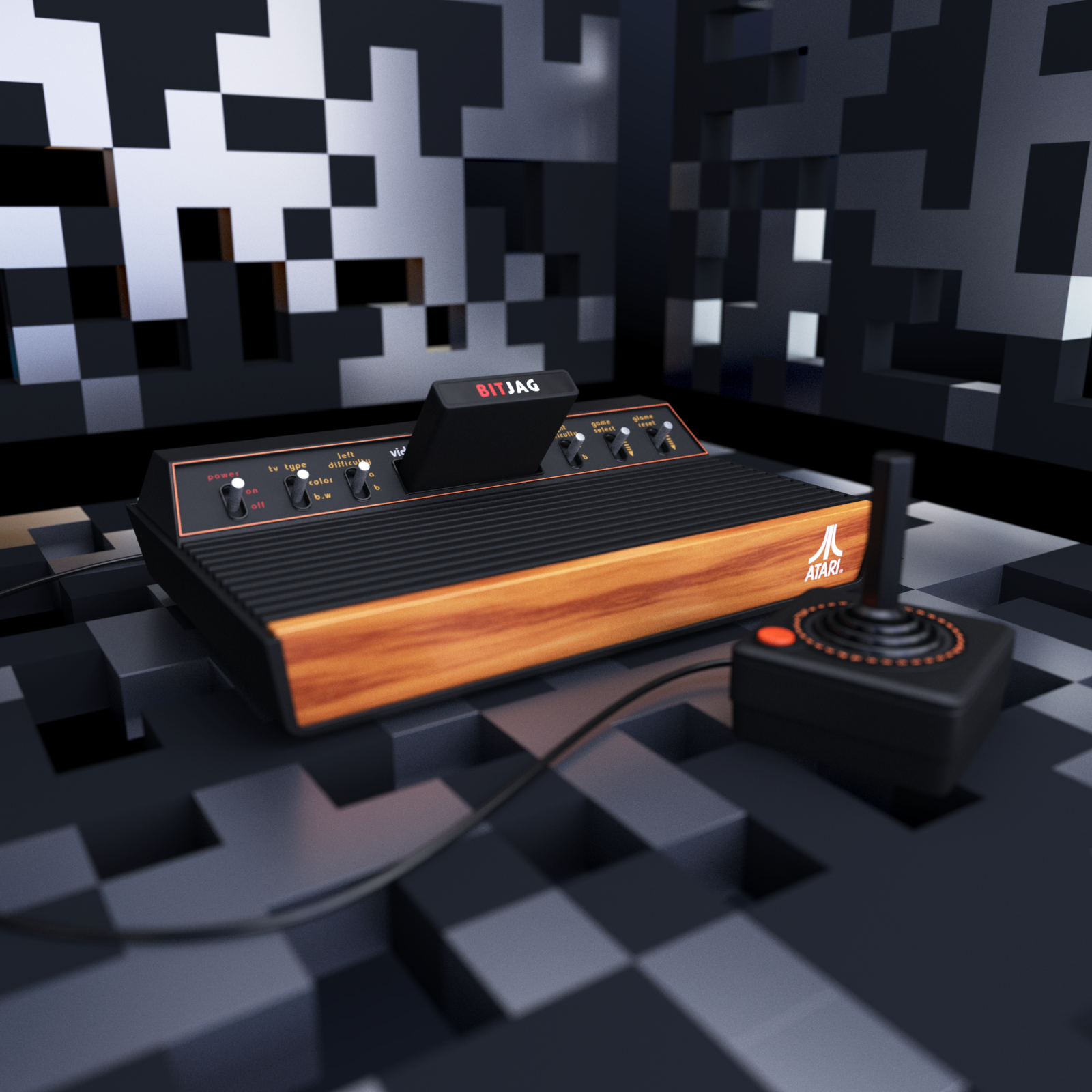
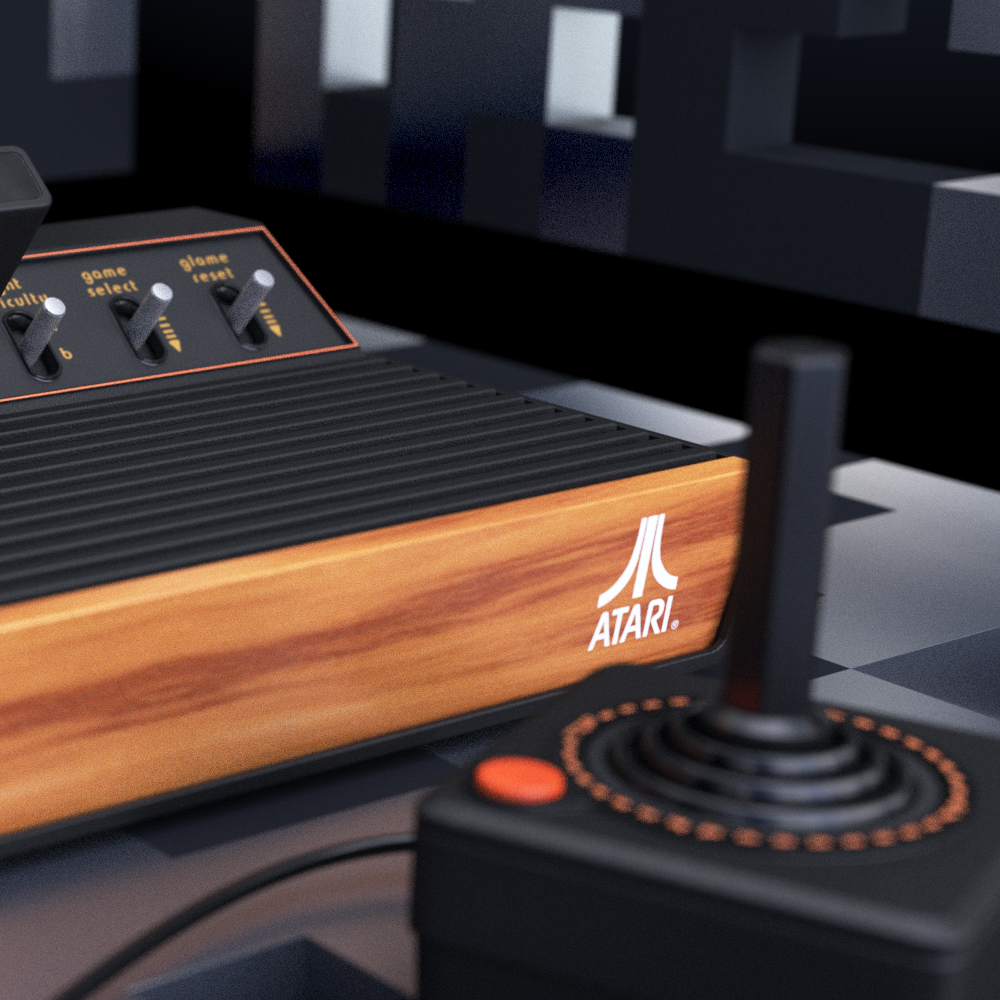
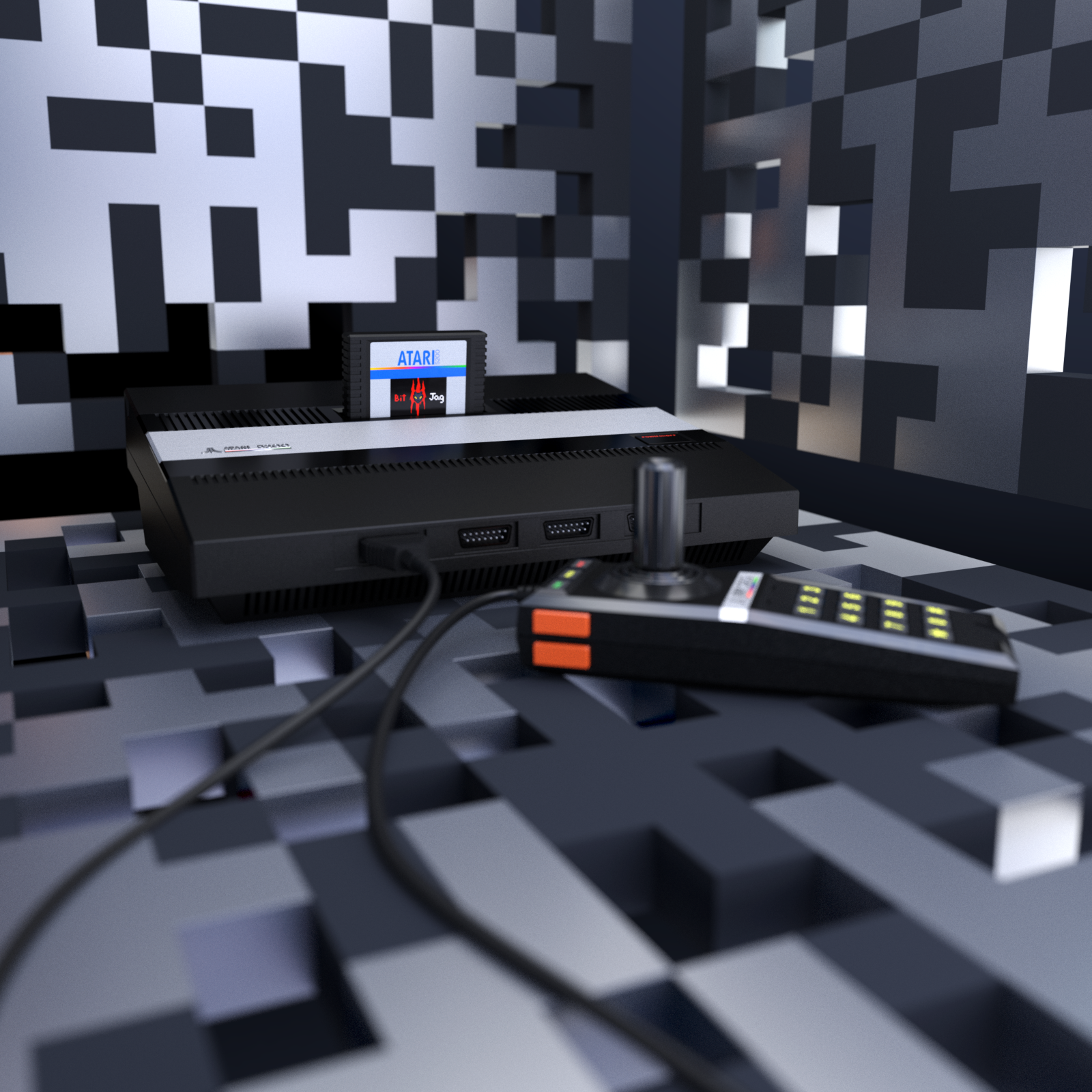
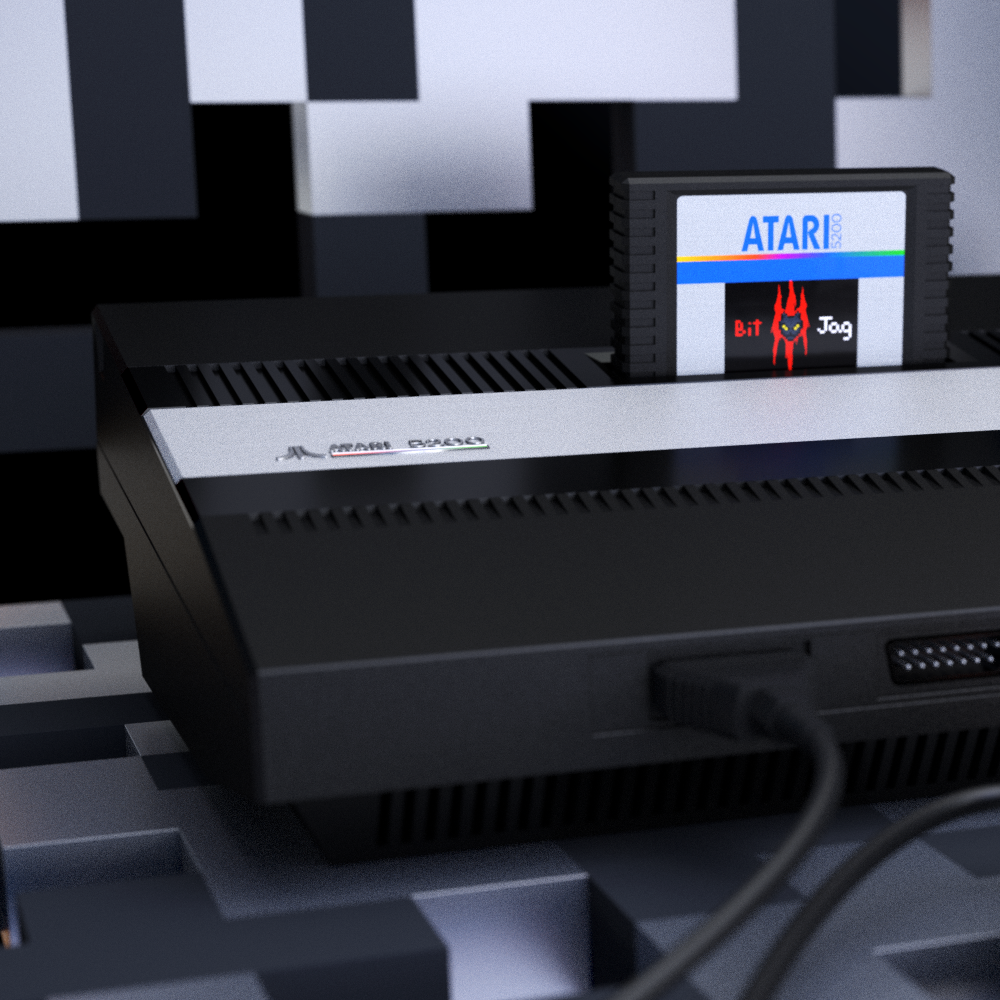
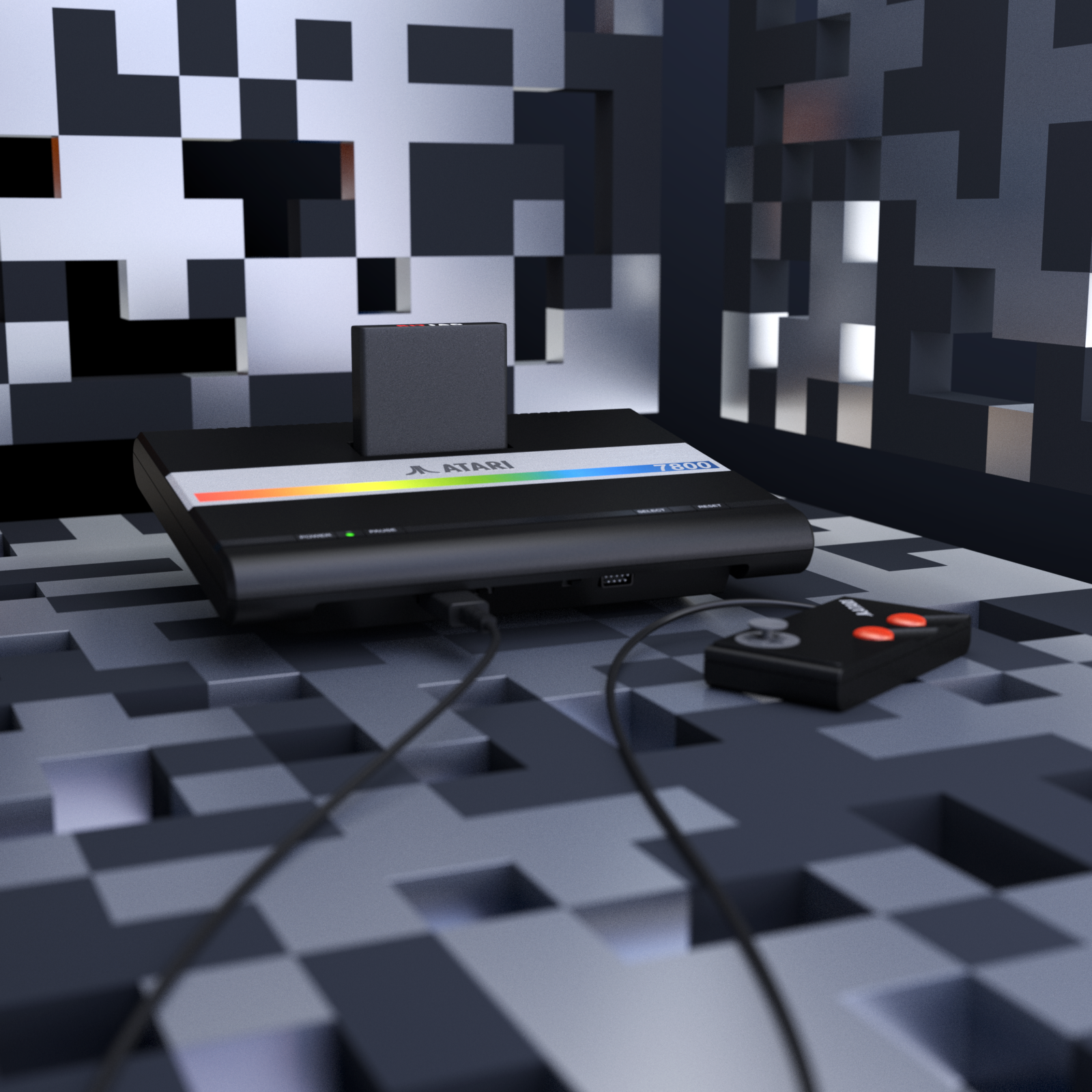
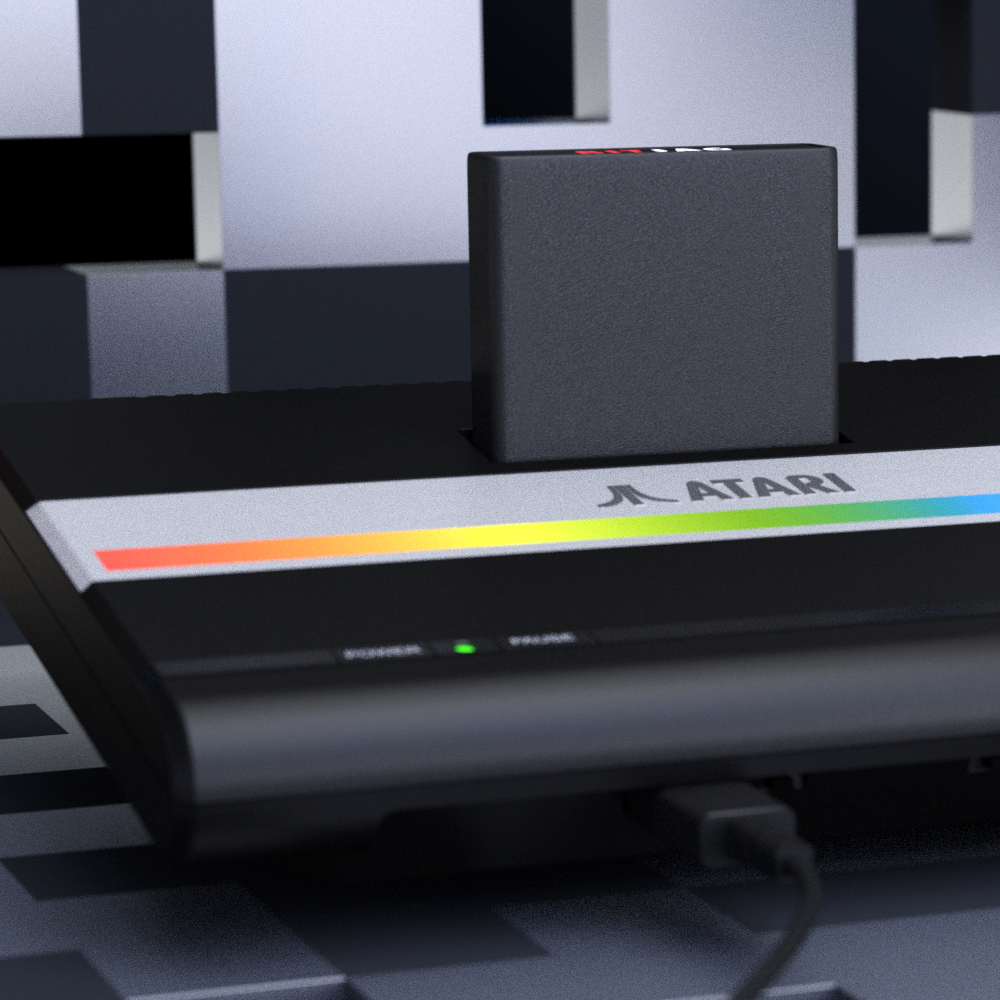
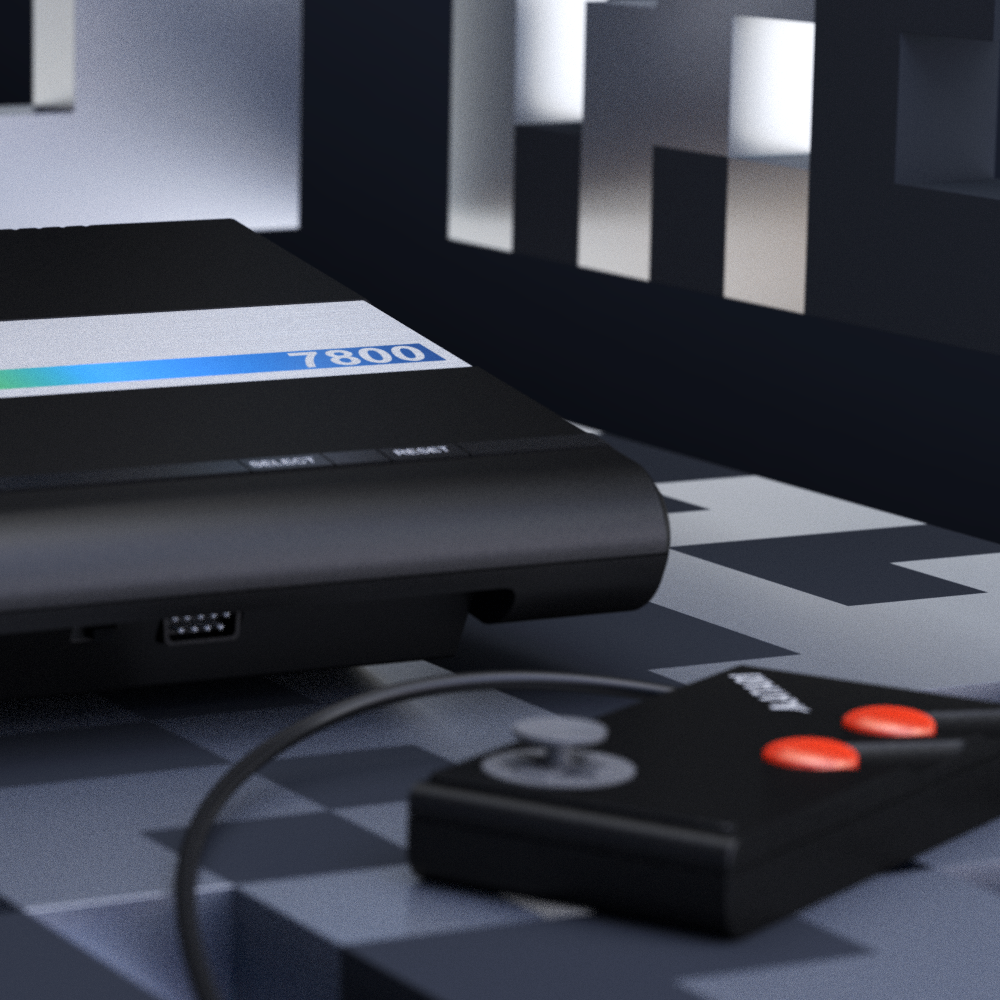
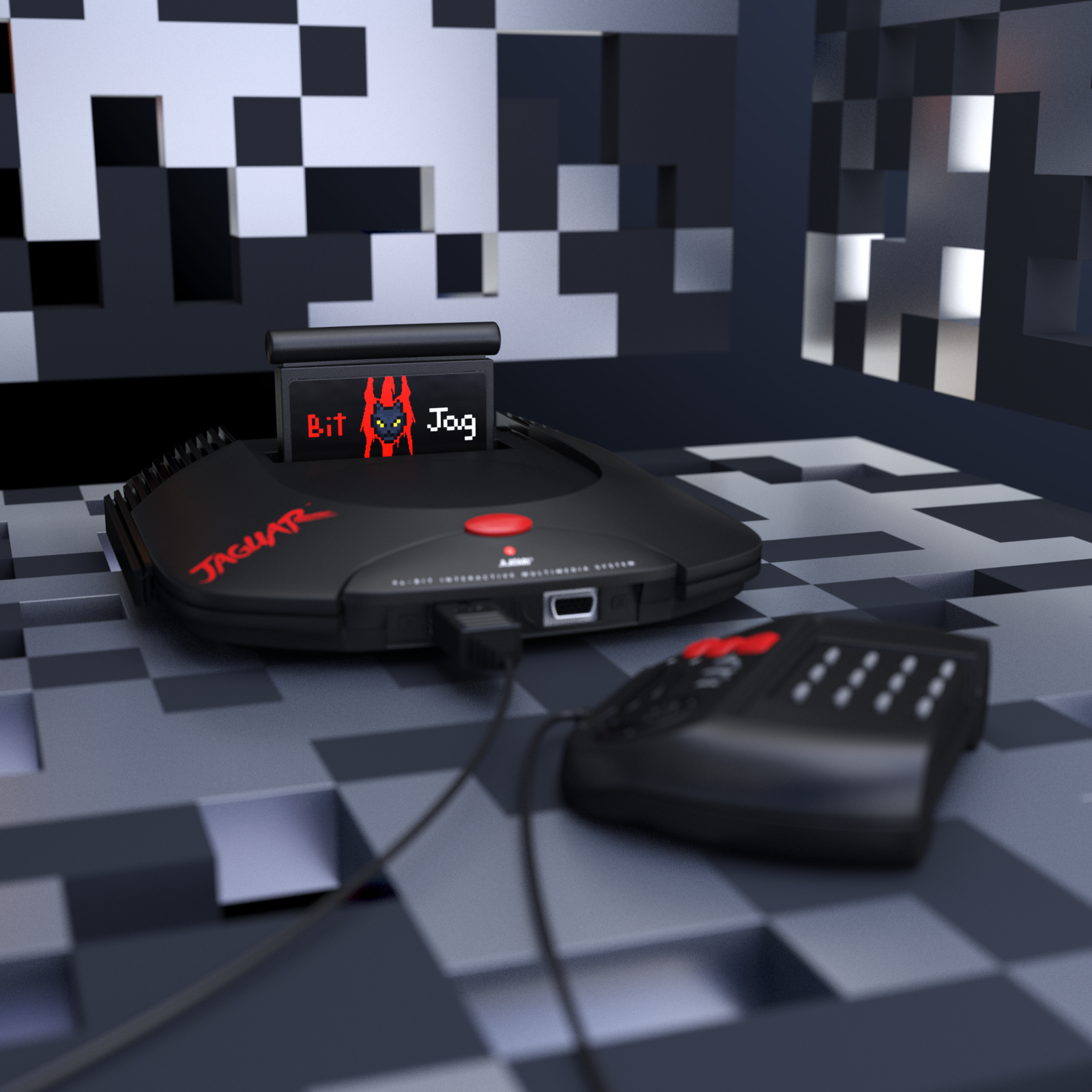
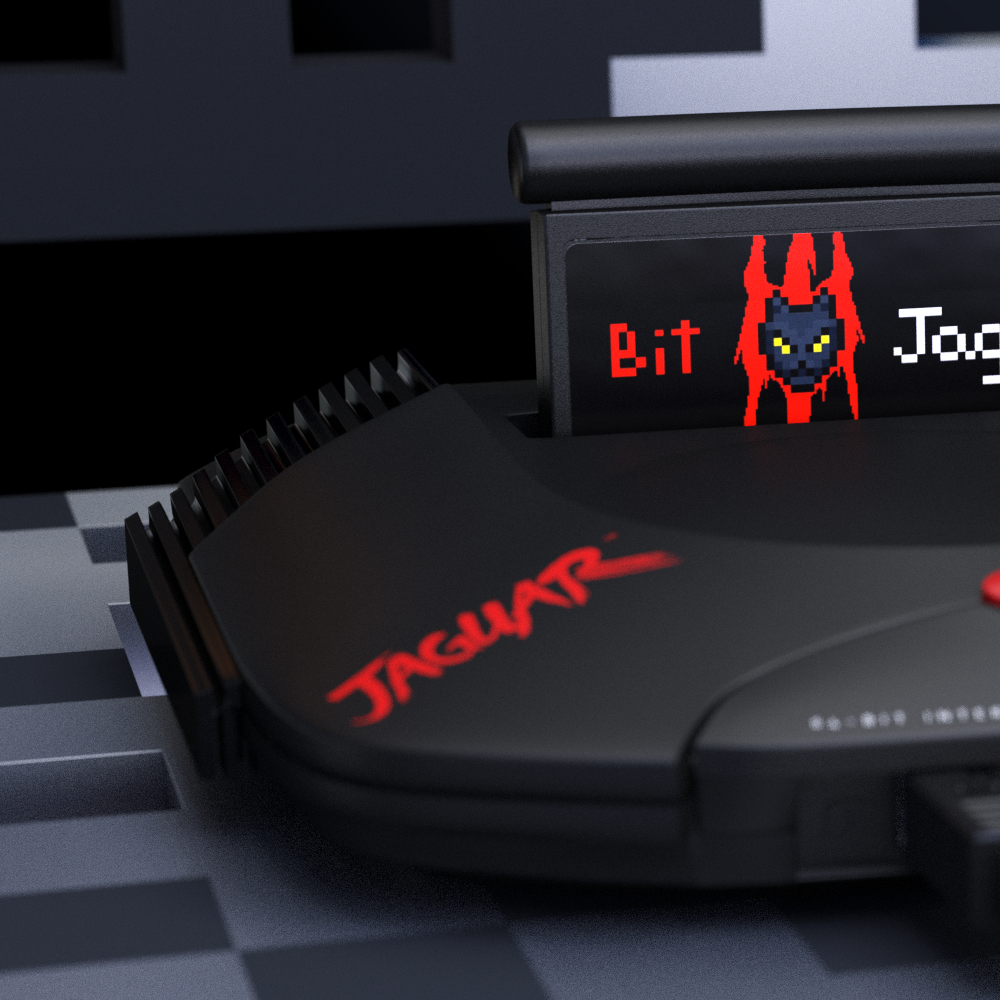
    These have been a long time coming. A set of 3D renders in Blender for (almost) all of Atari’s classic gaming consoles. Atari 2600, 5200, 7800, and Jaguar consoles. I have had an Atari Jaguar model for years now. I have used that for past videos for JagCorner and BitJag, but I have also used it as a tracing aid in some of my illustrations. For example, my 2016 Inktober book | Atari Propaganda.

    Why Model These Old Consoles?

    As mentioned, I have used my Jaguar model for my video work and illustration work. I also want to produce illustrations for everyone of these consoles eventually, and even approach video work for myself and others. I eventually want to get to the Atari Computer line (400, 800, ST), and the Atari Lynx, but that will have to wait for another day.

    Another reason for modeling these consoles is that I don’t get to do this kind of work very often. Pure modelling, from real or photo reference. Most of my work entails some highly simplified character design, to basic symbols, to title motion and visual design.

    Notes About My Approach

    Since I only own two of these consoles, the Atari 2600 and Atari Jaguar, coupled with the goal of creating a realistic facsimile, this presented a unique problem that I haven’t approached before. Having to model from poor photo reference, and extrapolating form and textures from that bad photo reference.To combat this, I forced myself to keep the geometry as simple as possible. This had advantages, and a few disadvantages.

    The biggest advantage was relatively minimal time spent. Each model from start to final render took about 4 hours a piece. Because I was building all geometry, materials, and textures from scratch, I knew I could spend more time than I would want if I didn’t adjust my approach to avoid spending unnecessary time. The other advantage was that simple geometry forced me to get the overall form of the model as correct as possible. Things like angles of the form, proportions between the console/controller/cartridge, and materials all received special attention. So, even though the poly count is small, the final result would be attractive to those who see these shapes more often than I do, and are generally convincing to newcomers to these consoles.

    “Minimalism is nice when you want to get the big picture things right, but you can quickly paint yourself in a corner if you aren’t planning on moving into more geometry eventually.”

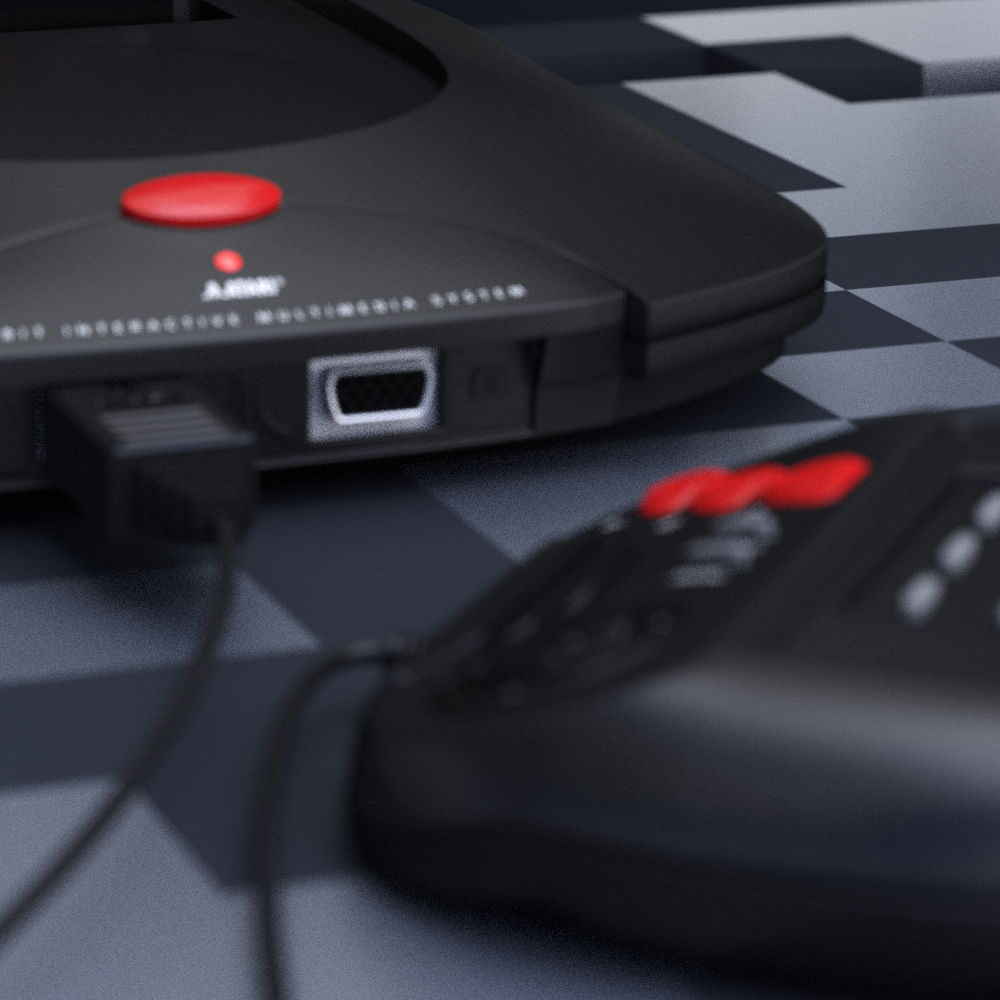
    The disadvantages? Even though most of the consoles are fairly minimalist in design, the Jaguar in particular require extra geometry to accommodate the hybrid of natural curves and angles that occur in its design. Both in the console and the controller. Minimalism is nice when you want to get the big picture things right, but you can quickly paint yourself in a corner if you aren’t planning on moving into more geometry eventually.

    The most obvious disadvantage is the limited polygon count. This keeps me from getting too close to specific parts of the these consoles for renders.

    Conclusion

    Modelling definitely falls into the same category as sculpting in clay or carving somethings. I enter a sort of trance or meditative state of mind. It is hard for me to justify the time to do this kind of work though. I will eventually get to modelling allot of Atari’s other hardware, but I will need to wait until I have work that justifies the time that will need to be spent to produce those models.

  • Legends Boxing 30 Second Commercial

    Legends Boxing 30 Second Commercial

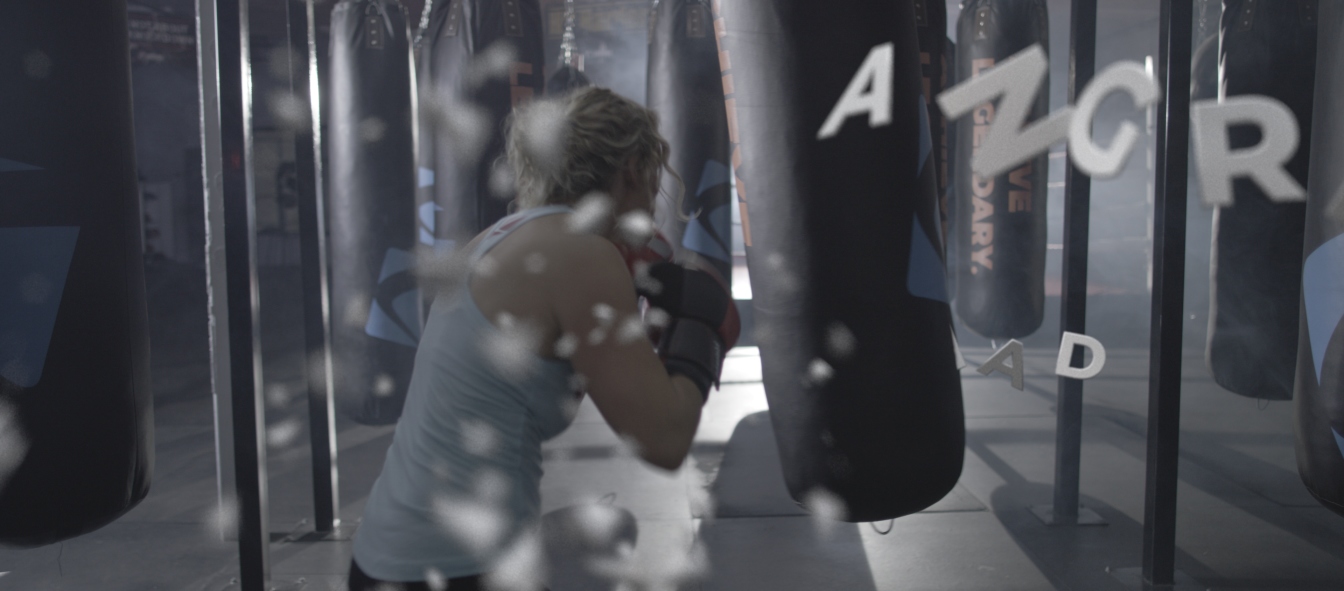
    Working with Bryce Media, I was brought on as an on-set VFX consultant and as the post-production VFX/Motion Graphics artist for a 30 second web spot for Legends Boxing.

    The Prompt

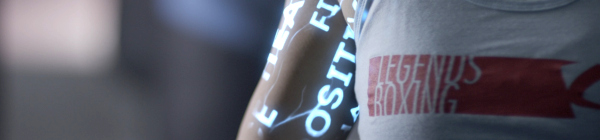
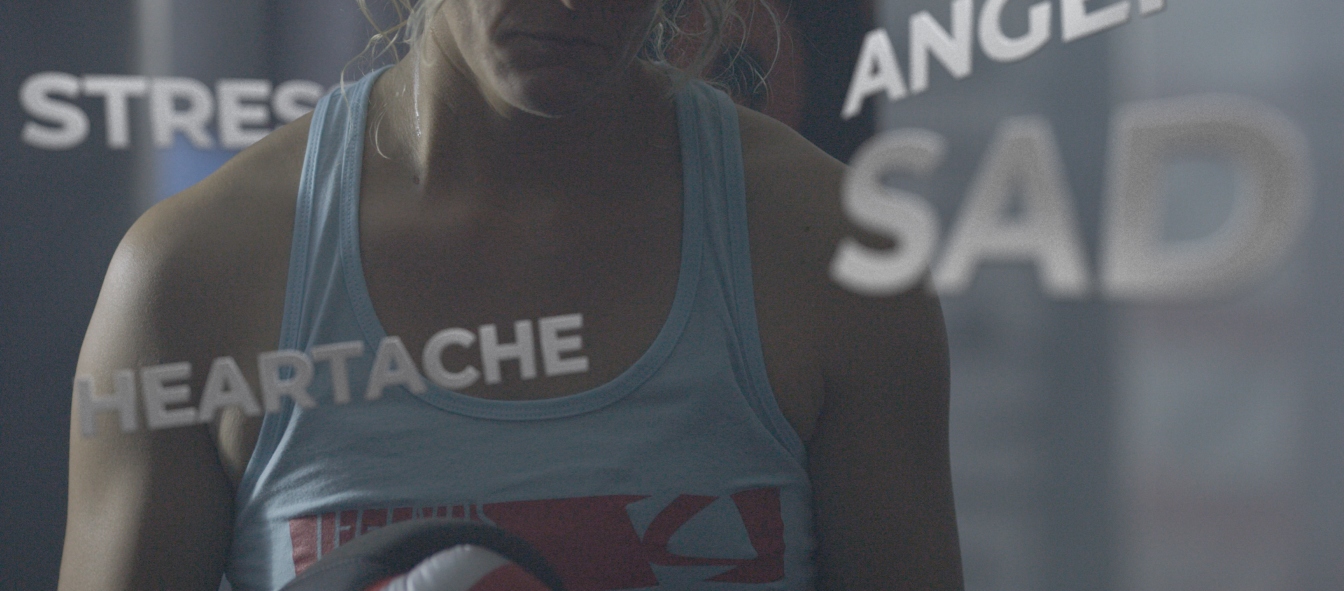
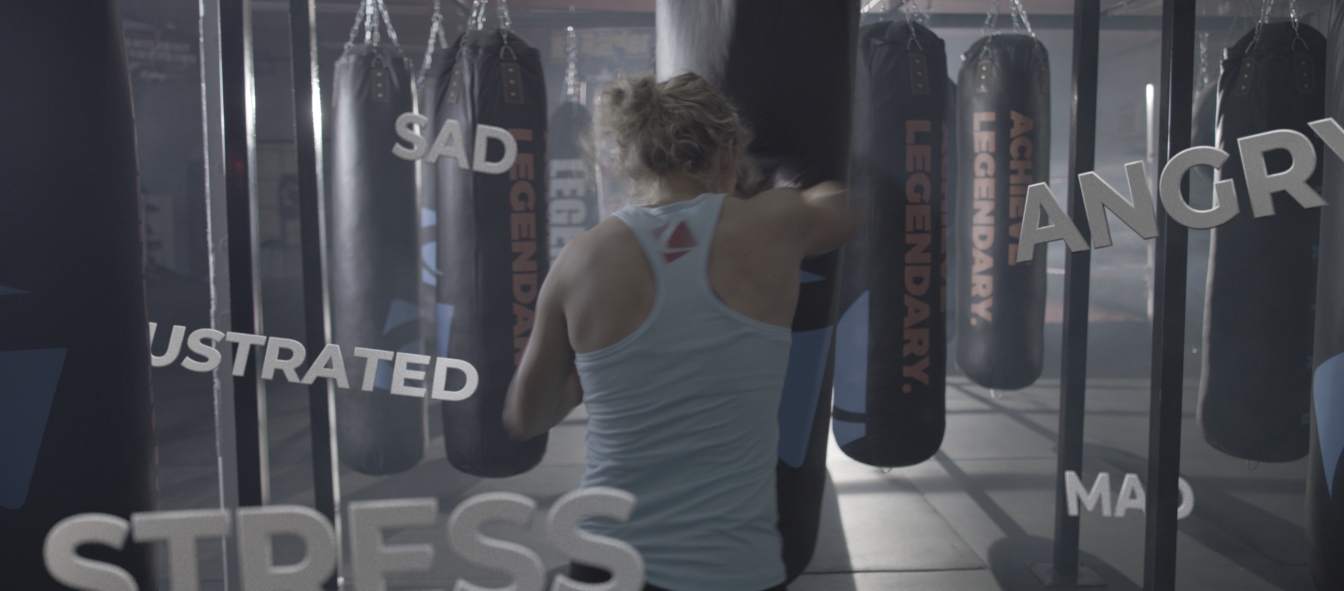
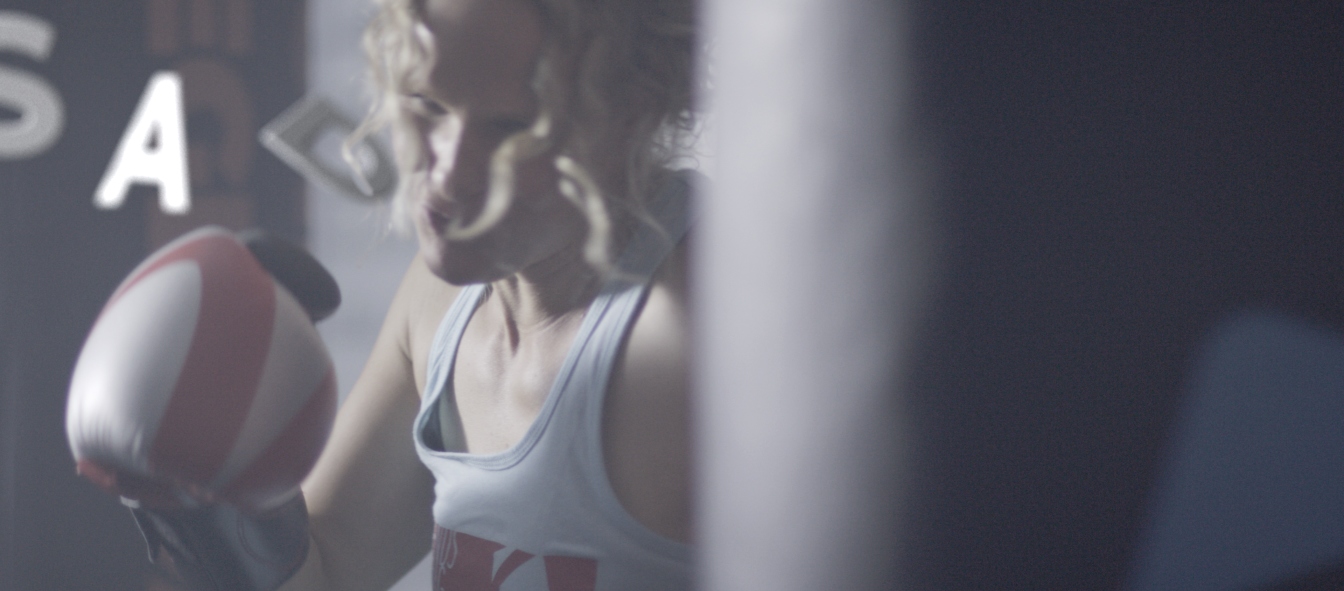
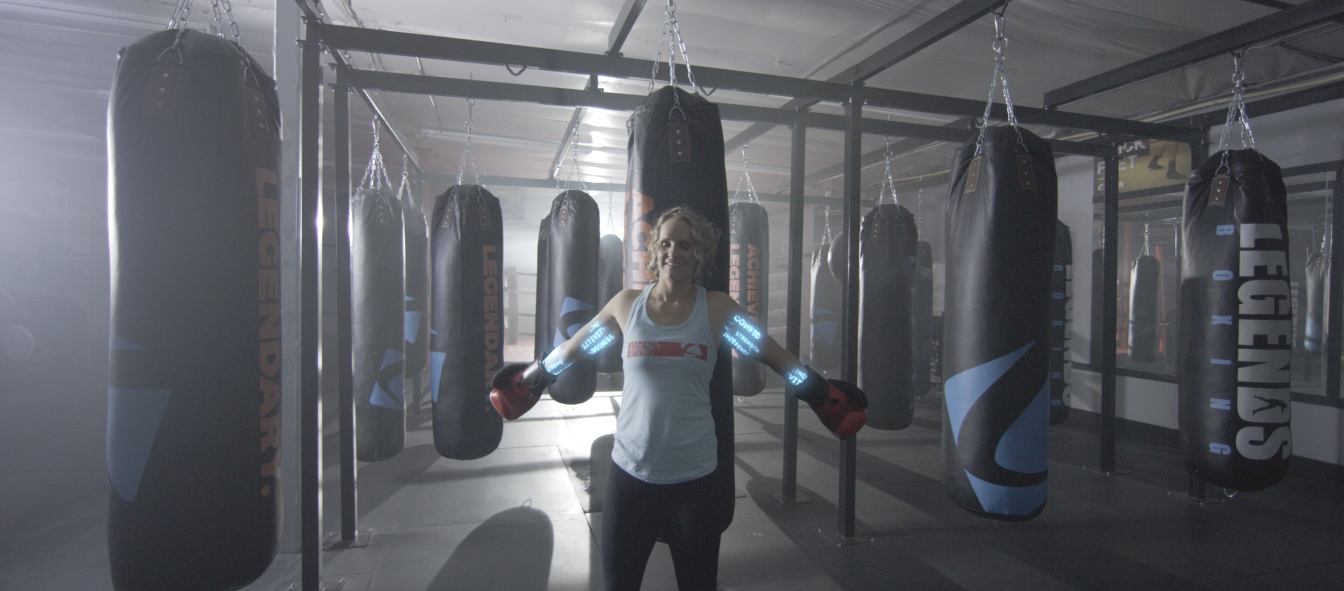
    The primary goal of the spot was to show how Legends Boxing can be used as a tool for empowerment. With this prompt Neil Bryce and one of the owners of Legend Boxing scripted a 30 second spot featuring a woman between 35 and 40 reviewing the daily struggles that she and many other face. 3D text/graphics would be incorporated inside the real space of several shots, words representing these negative feelings. Throughout the spot, this woman would be punching a punching bag, and at the same time destroying these negative words floating around her. The spot continues, the words finally all destroyed, the woman “resolves” these negative emotions, with a visible sense of relief. Graphically, positive words are illuminated on her arms and travel upwards.

    On-Set Production

    On-set, Neil and I decided to simplify our shots as much as possible in order to fit the available budget of the job. Our primary tool for this was to stick to lock-off or on rail shots in order to eliminate any 3D camera tracking that would be needed otherwise.

    Beyond these suggestions, I stayed on-set to act as director of photography and help setup lighting and shots for Neil. Just a second pair of eyes to get ensure attractive and usable shots.

    Post-Prodcution

    All post VFX work was done in blender. Most shots were locked off, so it was just a matter of matching focal lengths, and figuring out approximate height of the camera and other distances for masking our punching bags and other objects in the scene. Then, just placing animating and exploding text where appropriate.

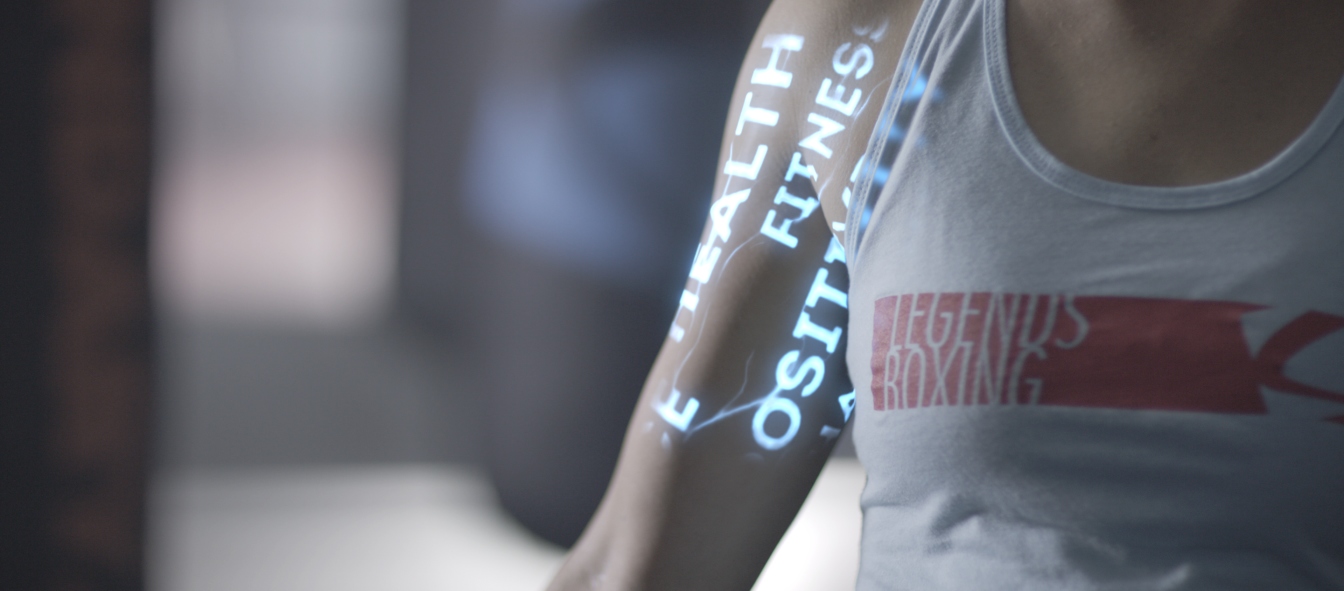
    The tricky shots were the arms and the blue glowing words on the woman’s arms. I had to create 3D maquettes for the arms, and then manually rotoscope the maquettes to match the movement of her arms. Besides a single 2D track to get the basic movement of the arms, this needed to be an entirely manual object track.

    The maquettes where rigged and modeled as closely as possible to the real arms, but 2d masks for the silhouettes of her arms were still needed to restrict the textured glowing letters to the positive space of the woman’s arms. After masking and animating the maquettes was finished, I was able to add and composite anything on the the arms of the woman. At this point I did a 2D animation of the veins and words that would appear on the arms, and then applied this has a texture on the 3D maquette.

    The composite on top of the real footage was simple to approach. Blurring and film grain in Blender’s compositor was added. With one special case of the last close up shot, near the clavicle where her shirt covers some of the text, I needed an additional mask to blur and diffuse the light of the text to simulate it passing through the cloth of the shirt.

    All graphics went through about 3 revisions to get to their final product.

    Wrap Up & Telly Award

    The entire production of the spot has about a month turn around, and I believe was re-edit several times to multiple social media posts for the company

    Me and Bryce Media were both happy with the final result of this spot. We decided to put this in for a Telly Award and won Bronze in General Online Commercials.

  • MojiLife M3 Product Reveal Video

    MojiLife M3 Product Reveal Video

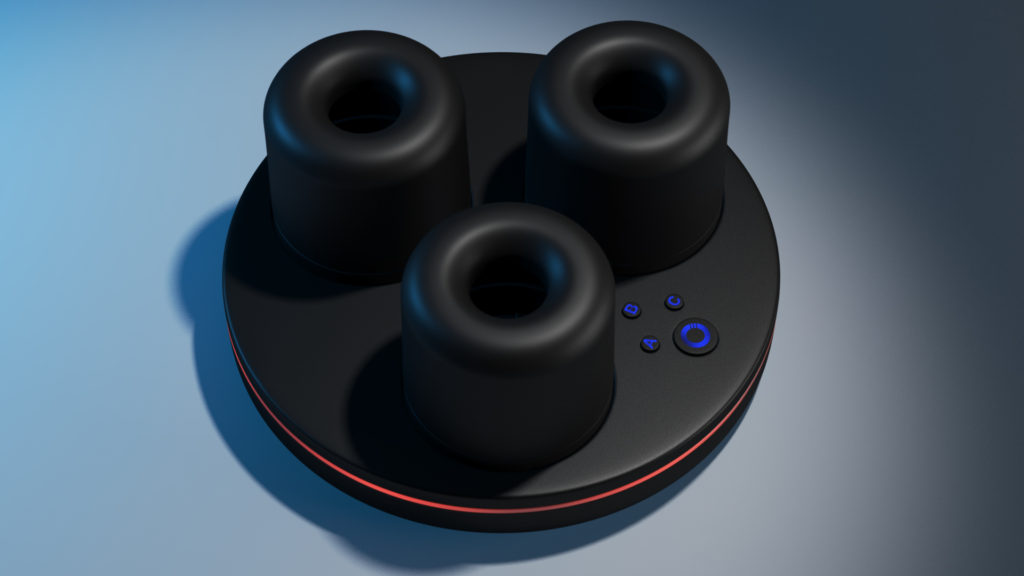
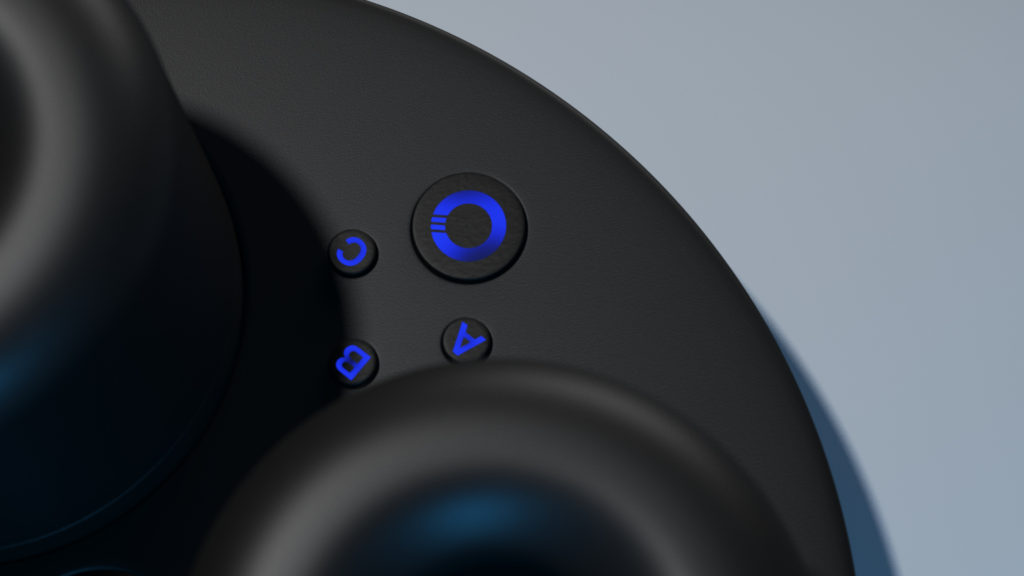
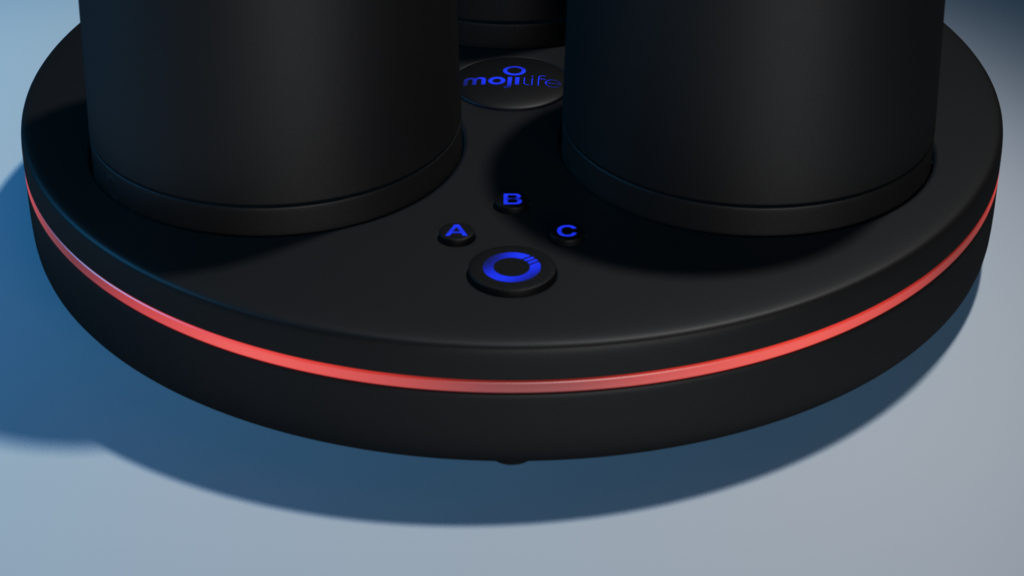
    It’s not everyday I get to do a from-scratch product render. Also, taking that product and producing a short intro/promo video to make it as sexy as possible isn’t par-the-course for me either.

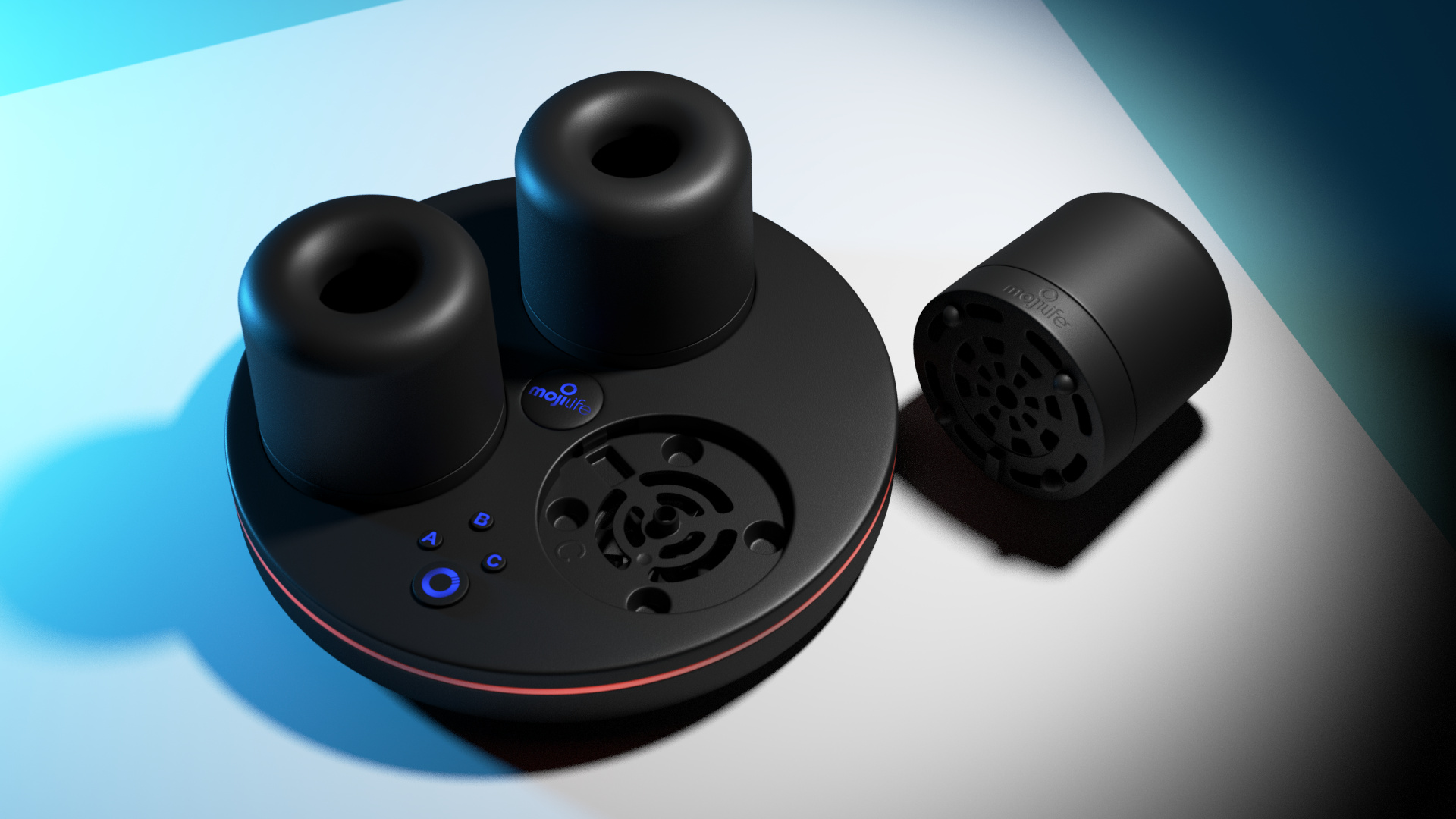
    Product Preview Render Before Animation Work Started

    This small projects had a very short deadline. Everything was created and finalized in less than a week for a MojiLife conference. I wasn’t at the conference myself to see the video in action, but I was told it was used as the reveal video for their new product, and the video received a good reaction.

    Most of the time was spent on modeling the product itself, with lighting, animation and rendering done in just a couple days. Because of time constraints I wasn’t able to spend as much time as I wanted on materials and textures for the objects, but for a projected full motion video, it is convincing enough.

    I used Blender’s Cycles rendering engine for the final render. I tend to avoid Cycles because of render times primarily. But because of the run time of the video and the simplicity of the scene and its contents, the render times for this specific project were bearable. Also, because Cycles simulates light more realistically than Blender’s internal renderer, this helped make up for the mediocre materials due to time constraints.

    I don’t get modelling work like this very often. Most of the time I am going from 2D vector designs and animating in a 2.5D scene in Blender. More akin to what you would see in Adobe After Effects, but with more options for lighting and geometry manipulation. The opportunity to have to mimic a real life object in both form and material/texture in order to provide an affordable alternative to shooting live is a fun challenge, and I felt I pulled it off well for the client in this case.

  • 3D Motion Graphics | Franchise Business Law Group Company Video

    3D Motion Graphics | Franchise Business Law Group Company Video

    Thor Media was commissioned to produce a company introduction and services video for Franchise Business Law Group. A business that helps other businesses with legal protection and future planning for franchises.

    Prompt

    The commission was for a two minute motion graphics video. Something particularly emphasized by the client was to have a handmade feel, as opposed to a high technology feel. In their copy online they emphasize a customized or tailored solution for their clients. By bringing that out with symbols of creating or making things with one’s hands with everyday materials that people interact would help establish the idea of customized or tailored solutions.

    Production

    Upfront, time was spend working out the Audio/Video script. This usually takes a few revisions to get something that everyone agrees on. The voice over script usually needs to go through the client’s legal department or a copy editor for final approval. Then, the video portion of the script is always a bit ambiguous for the client, since they aren’t used to the idea of some explaining motion and other visual ideas with text. This portion of the script typically serves as a starting point for the artist, and help rangle in the visuals in the case the client tries to push the artists into ideas that exit the scope of the Audio/Video script.

    Because of the amount of effort that would be needed in regards to object modelling and texturing for props and other animated objects, we decided to approach our final product with an animation to begin with. This helped establish camera shots, compositions, lighting, and objects. Along with generally testing out ideas and overall tone and mood without the full investment into a final product. With a heavier production workload these kinds of animatic tests facilitate conversations between the client and artists to check their ideas long before bad ideas manifest themselves after a considerable amount of work done.

    As the animatic created and checked ideas and conversation are had on what the final product might look like, I was busy building and rigging animations for buildings and objects, made out of paper, that would self-assemble.

    Learning how to rig a completed model of a building, and then deconstruct in such a way to not make permanent changes, and give me controls that would easily animate and adjust animation when need was fun puzzle to work out. I was able to do this all in Blender without the need of additional plugins. Below are two examples of me working out the all important rig, but also the overall look of the paper and possible lighting styles for the final video.

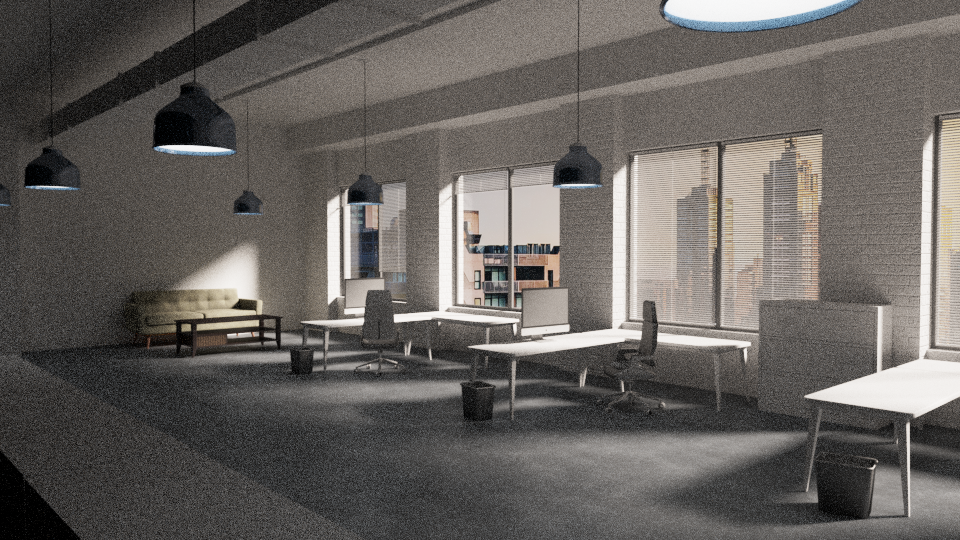
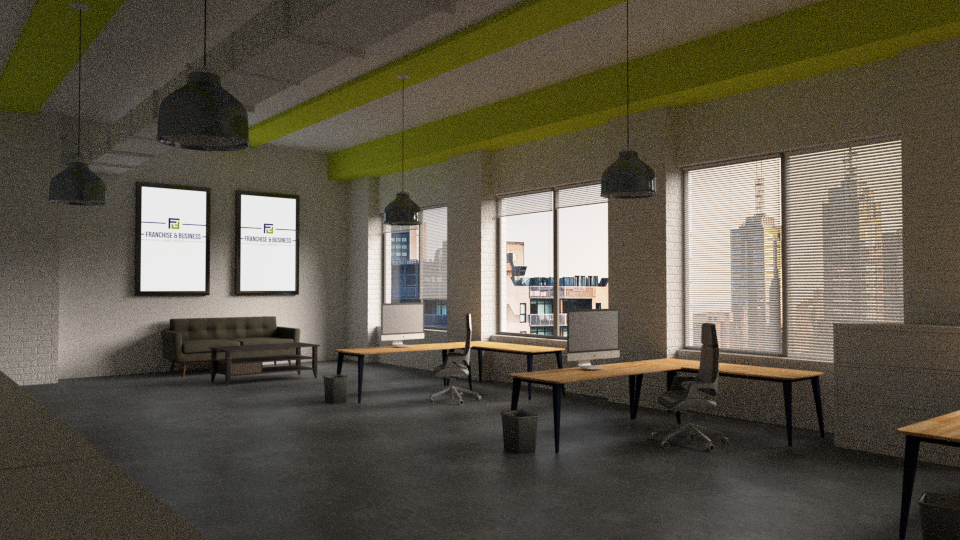
    As the final vision for the video is finalized, through conversation and test renders, I began the longer process of building the set for the video, along with all the objects needed to fill that set. Couches, desks, writing utensils, books, shelves, lights, etc… Many of these objects were sourced from online repositories, but often they still need work done on them in order to get them fit the scene as a whole.

    After objects and the space have been laid out and built, lighting and rendering the space is next. The idea of a small business space was picked to match their target customer, and I chose an afternoon or evening time frame to create the base for the lighting coming through the windows. A natural light, I believed, would fit well with natural/customized/tailored fit, as opposed to a structured clean cut feel that pure white or artificial lighting would create.

    Wrap Up

    The client at one point felt that the push too hard to a naturalistic look might be a bit too much. We decided to include some technological elements into the motion graphics, while maintaining our connection to the paper motif for flat motion graphics, and the marker board with a hand drawn feel for later in the video. This ended up creating a good relatable balance for the viewer, since most people exist in both the physical and the digital life in various parts of their lives.

    The client felt final video turned out really well. The are some obvious deviations from the original animatic to the final video. The biggest was the inclusion of text cards to visually represent questions and other important text information. I personally like these because they help reinforce that paper feel used throughout the video, it gave us another use for the brand colors, and it made some really good visual breaks between different sections of the script.

  • Marketing Materials | 2017 – 2018 Graphic Design for Lance Conrad

    Marketing Materials | 2017 – 2018 Graphic Design for Lance Conrad

    Over the last half year or so I have been doing little odd marketing graphic design jobs for Lance Conrad. Below are short breakdowns of these jobs.

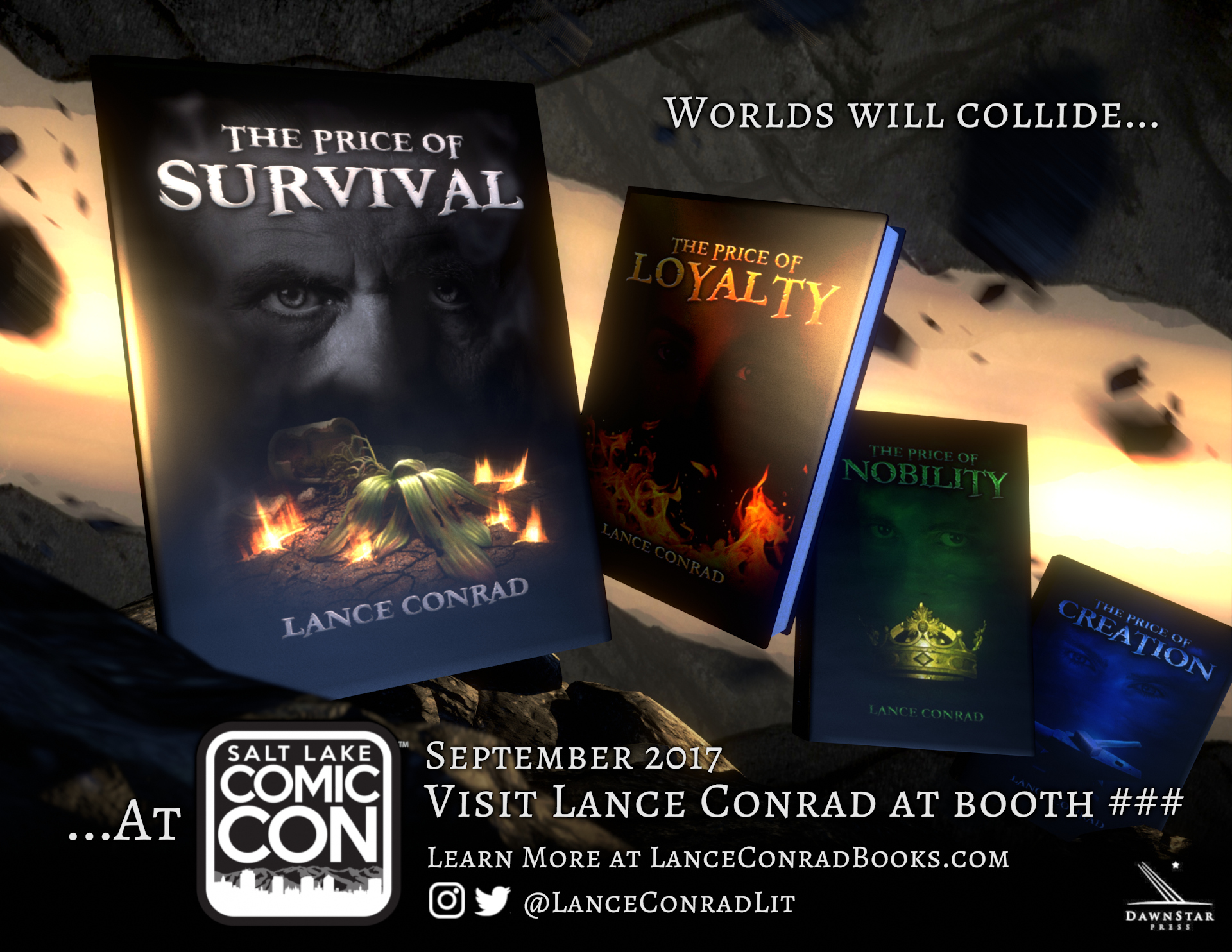
    The first of these projects was creating materials for Lance to use to inform his consumer base about his appearance at the 2017 Salt Lake City Comic-Con. Specifically a digital/real flyer to hand out as he did his presentations at schools and other events that he involves himself in. Along with digital campaigns on social media and email mailing lists.

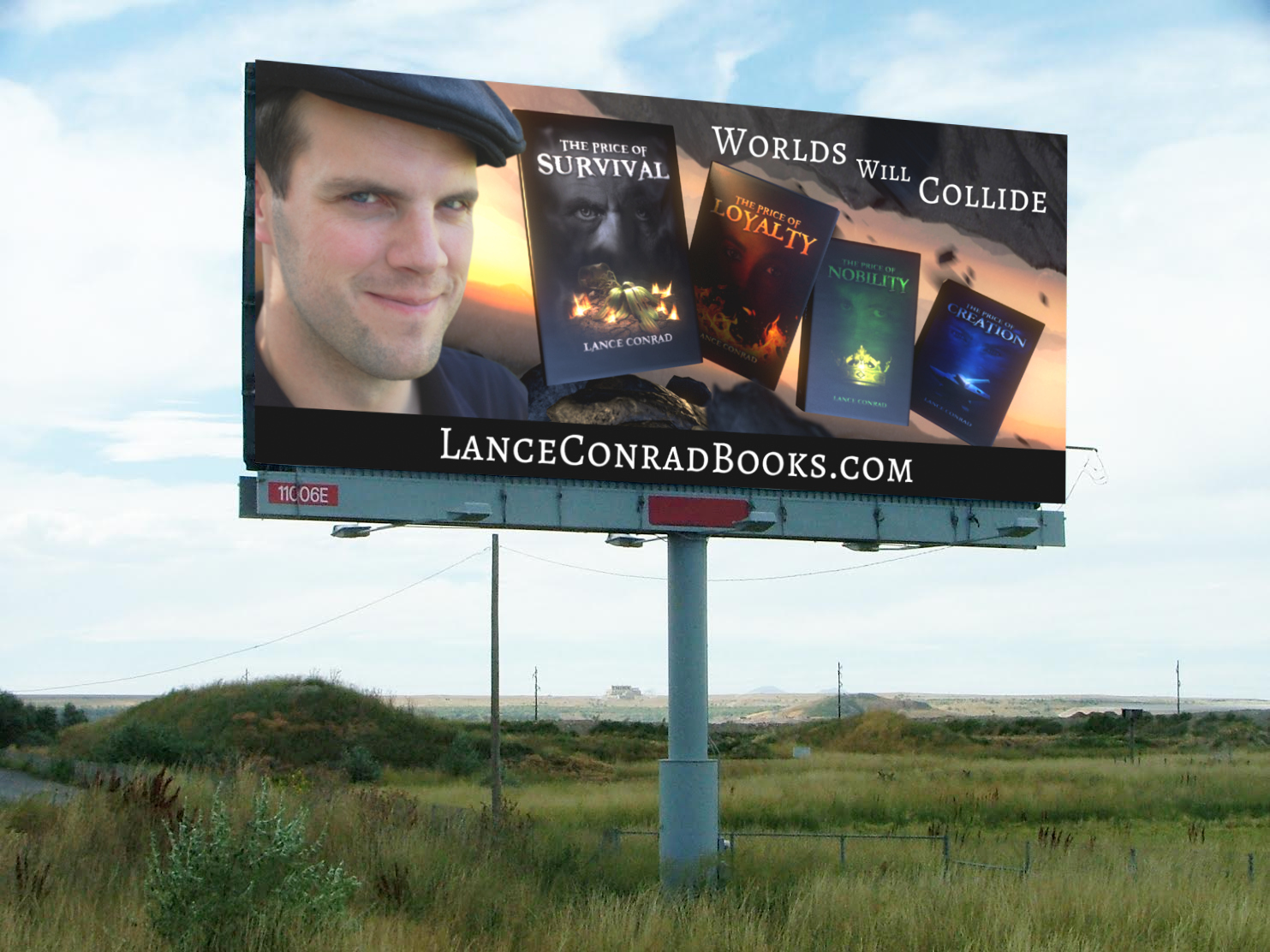
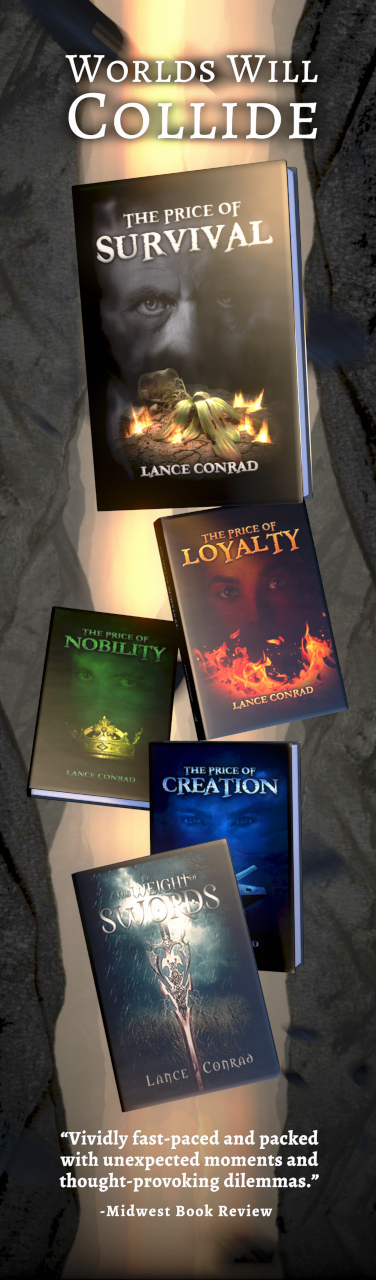
    When discussing the copy to be used on the flyer, we sought to distill the essence of his books, or find a through line that all the books could relate to, for a slogan or a basis that copy outside of information text could be derived from. What we eventually settled on was “Worlds Colliding”. This theme ended up informing not only the copy but also the visuals as well.

    I decided to take a literal approach, and changed the theme to “Worlds will collide..”. Making it more urgent and dangerous. Using a mixture of stock photos of some mountains and some 3D rocks, I modeled the books and did the whole design, layout and final composite in Blender. No 2D application was involved here. Making literally two worlds colliding in the background, the viewer is stuck in the last moments of twilight. The last moment of what one knew of existence, just before the sky falls and the light is snuffed out.

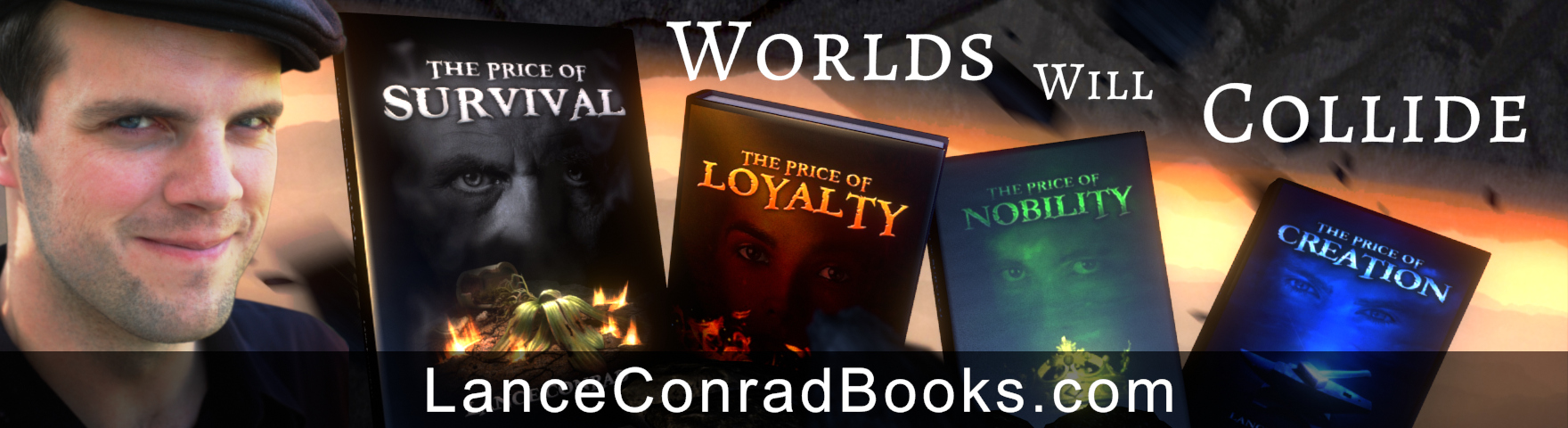
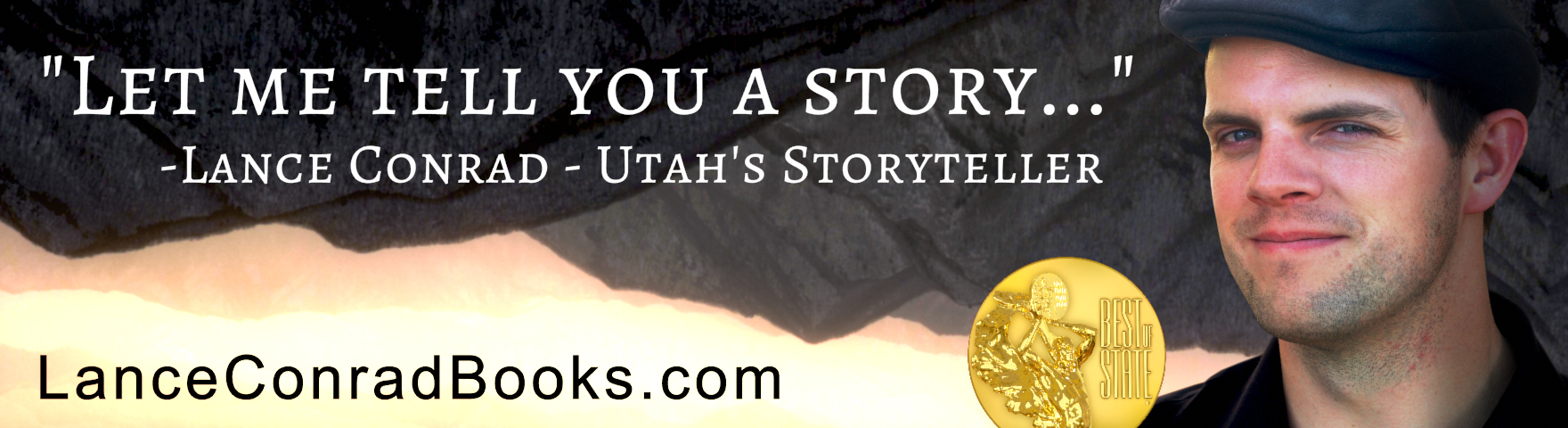
    Later on, we took this same visual motif and applied it to some digital signage for use in Utah. Specifically roadside billboards. The only change/addition was Lance’s face, which crowded things a bit for the book advertisement, but was good fill for the Best of State advertisement. Unfortunately, we couldn’t predict exactly when these advertisement would show up on actual billboards, but I did put together a mock-up inside of a preexisting photo of a random billboard below. This was to help pre-visualize the ads before they were sent to whoever controls the ad space for billboards.

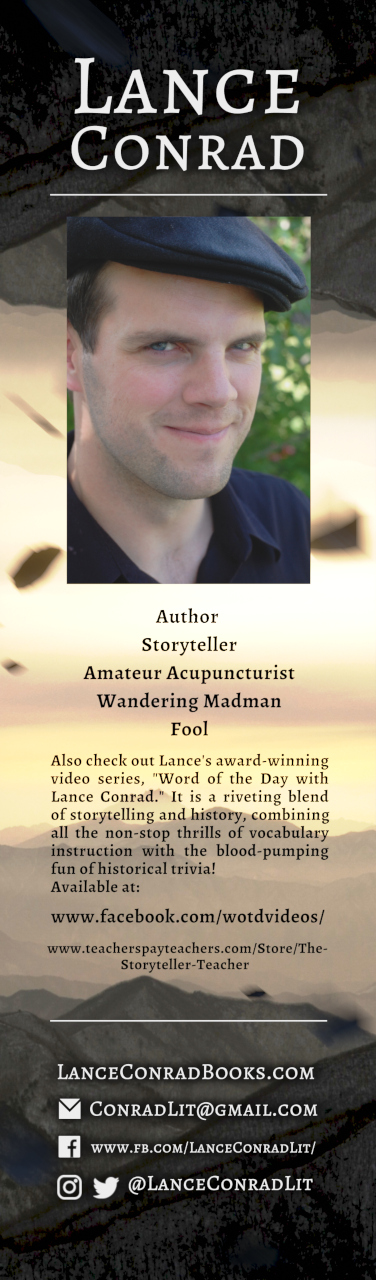
    The last piece of marketing materials based off of this “Worlds Colliding” theme was a bookmark. Lance uses these as free giveaways at his at school presentations and conventions. This is something he has done before, so communicating what he wanted here was simple, and with some small adjustments to previous project files I was able to export these as finals directly out of Blender as well.

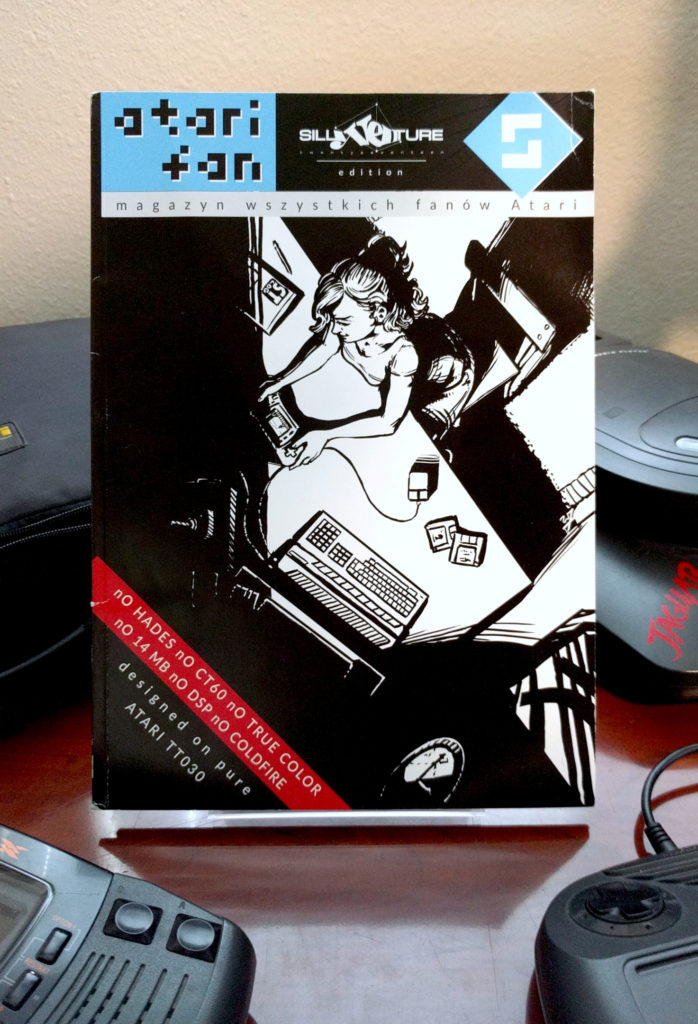
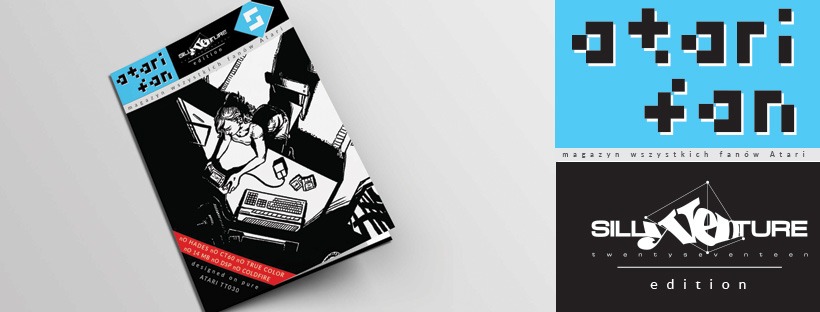
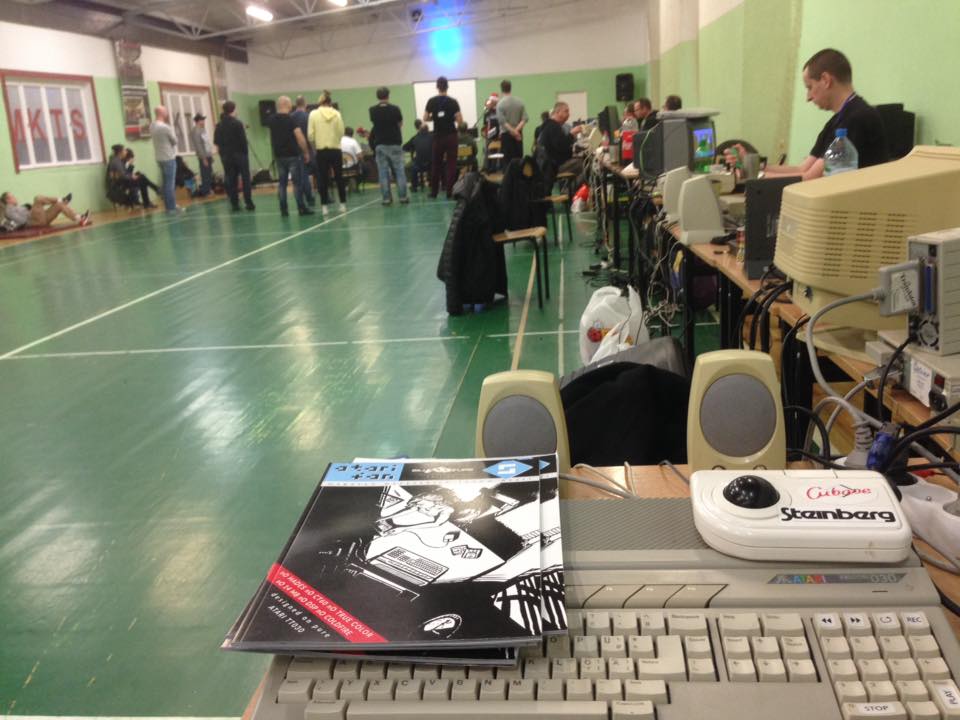
  • Atari Fan Magazine – Silly Venture Edition| Cover Illustration

    Atari Fan Magazine – Silly Venture Edition| Cover Illustration

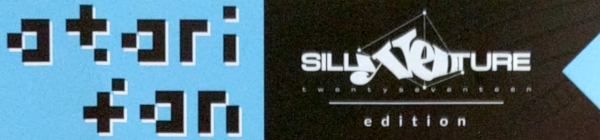
    It seems that the Atari Propoganda artbook from my 2016 book is still making the rounds in Atari circles. The specific piece was from Day 2 of Inktober 2016 called “Play Late Play Lynx”. Which features a young woman after a long day of work, illuminated by the light of her Atari ST monitor, as she takes a minute to enjoy playing the Atari Lynx. She might take some time to read some of the ST Log magazine she just got in the mail as well.

    Original Artwork Timelapse

    An individual each year puts together a magazine for Silly Venture reached out for permission to use one my illustrations. I did another pass on the artwork to correct a few things that would make the piece more attractive and sent it to the printers. Fortunately, I did all the original pieces near an A4 aspect ratio, so I didn’t need to add or take away from the piece as a whole. This made it a drag and drop effort for the layout artists for this Polish language magazine.

    I didn’t have anything featured inside the magazine, but it’s good to see this artwork still resonating with people in the “classic” Atari community years, after the initial release of the Atari Propoganda Collection in 2016.

  • Book Cover Illustration| The Price of Survival

    Book Cover Illustration| The Price of Survival

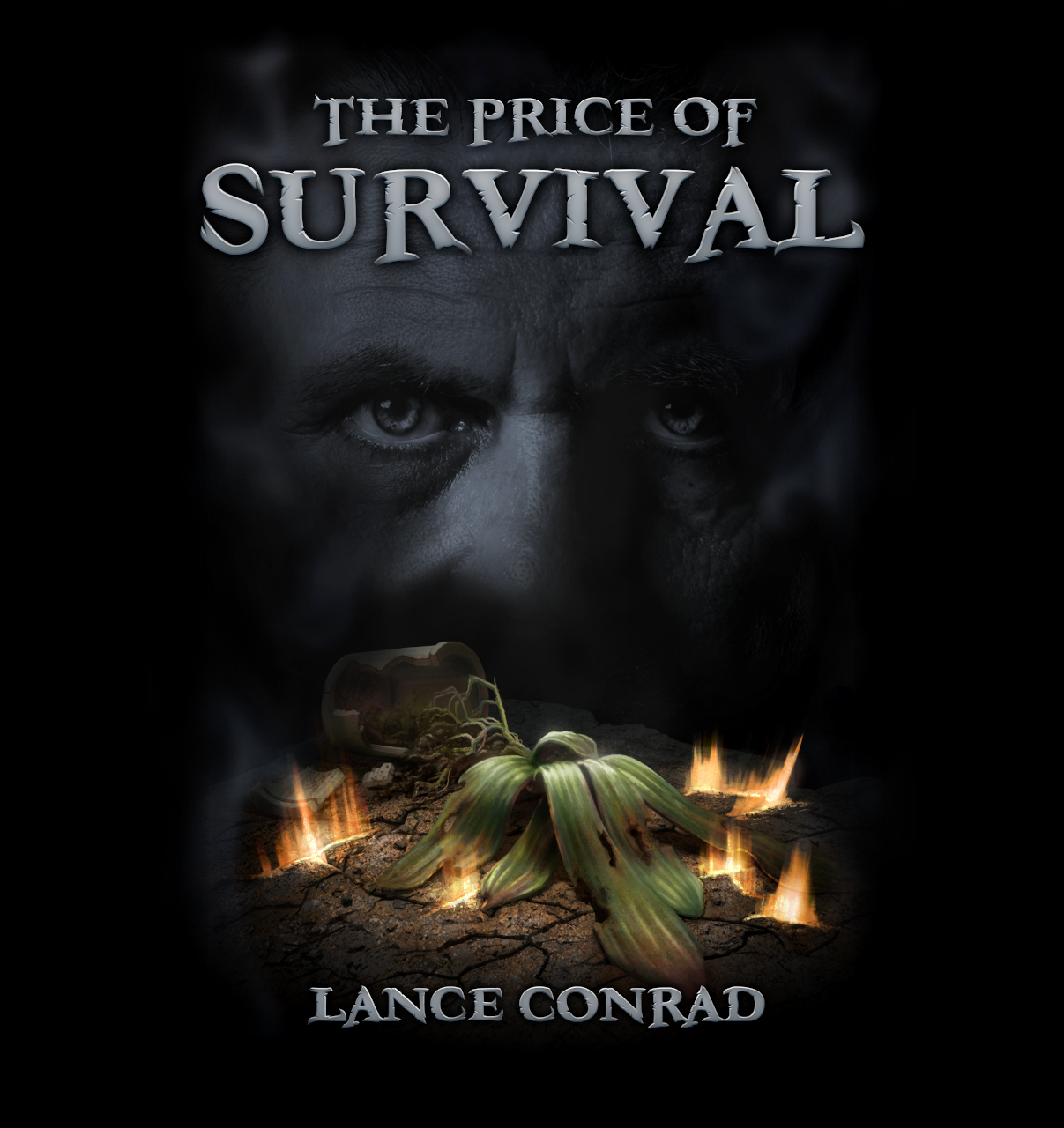
    Lance Conrad is a talented, popular and highly motivated author that I have come know and consider a friend through my work at Thor Media. He has written several books that fit neatly into young adult fiction, and he recently commissioned me to work on the fourth book in his “The Price of…” series.

    Be sure to take the time to look at his other books for comparison, and consider adding his work to your library or to the library of someone you know who might be interested in his work.

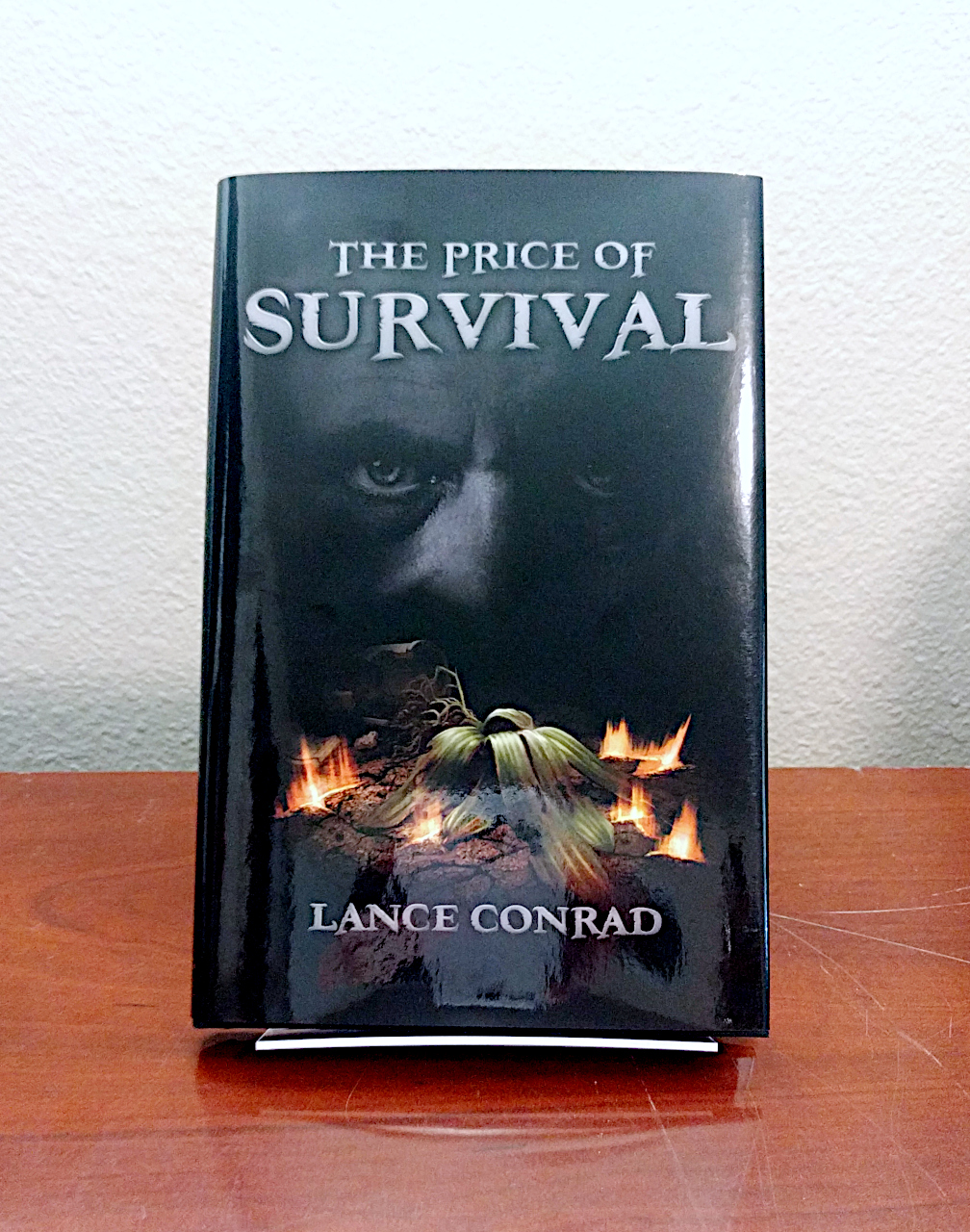
    Final Book Cover
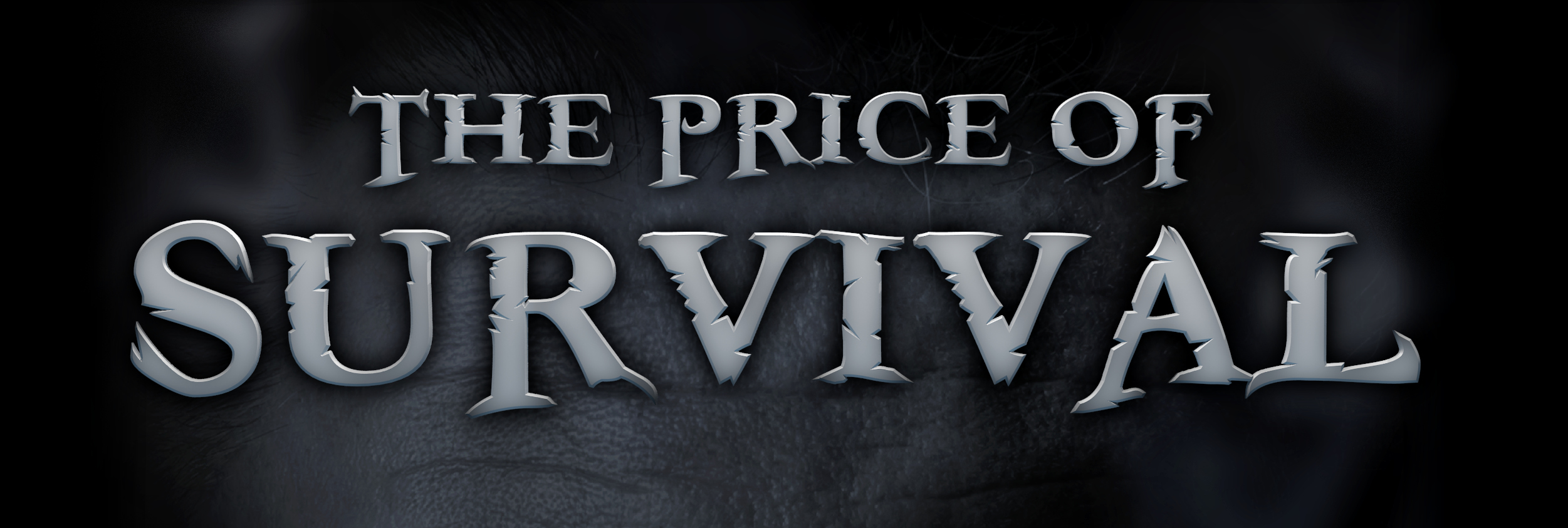
    Title Text Was Rendered Out Of Blender
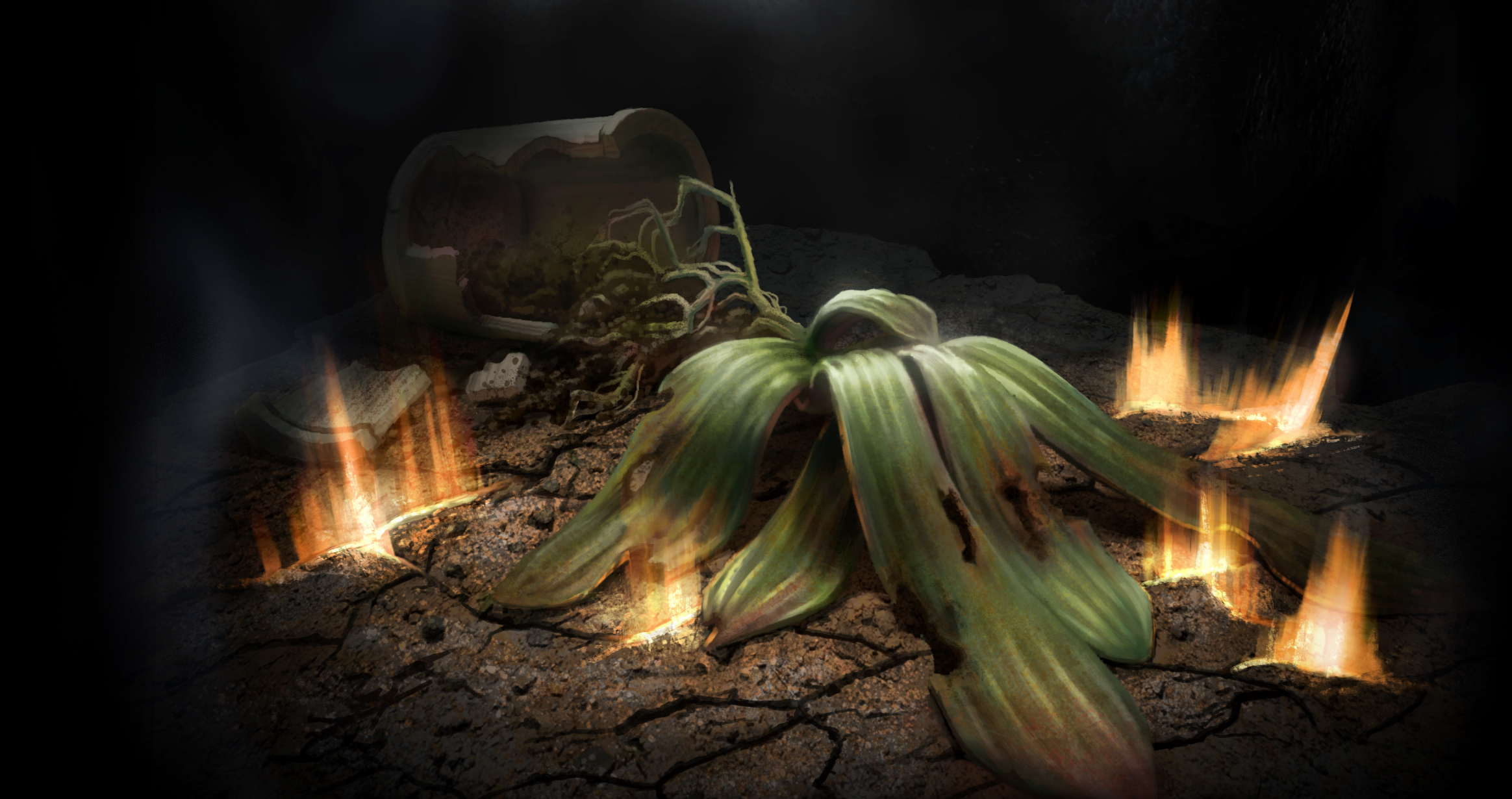
    Plant Illustration & Final Image Composite Was Done In Krita

    The Prompt

    This project could be considered a rescue in that he had already commissioned another artist to work on the cover. I don’t want to go into detail on this initial cover and instead just say that it didn’t meet the quality of the covers for previous books Lance had published. The quality of the initial artist made it unacceptable for me and some of Lance’s other friends in the close circle that were reviewing his book. We didn’t want the quality of his writing to be held back by a poor book cover. I am glad we caught this before the book was sent off to the printers.

    The approach to the finished cover was relatively simple since another artist had already laid out what Lance didn’t want the book cover to look like. Along with the common visual composition used for all the books in the series, a face/pair of eyes along with a key item/element used in the story, getting started was easy enough. The basic prompt was to have an older man, who visually looked like they had seen allot, for the background, on black, with a potted plant that had been damaged by war/explosions.

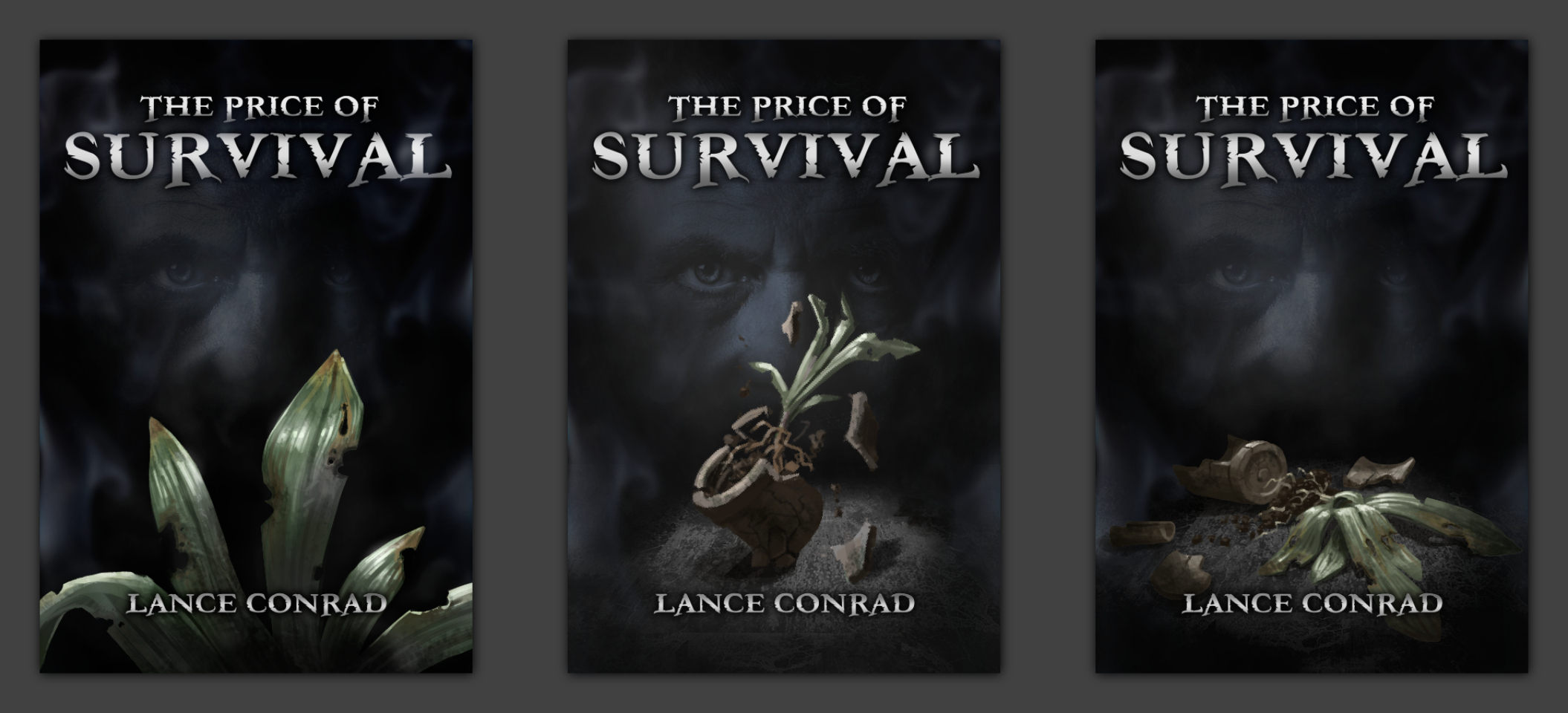
    Small Thumbnail Paintings Of Possible Covers
    Final Product

    Production

    Again, it was fairly easy to narrow down exactly what would work for Lance with just a few new thumbnails of possible covers. Then, after he picked which one he liked most, I took the chosen thumbnail and put several hours of rendering for the final image. Afterwards I followed the layout for his previous books to keep this book consistent with the rest of the books in the series, and then prepped the final file to the printers specifications.

    Wrap Up

    Both Lance and I were happy with the final result. This cover matches well with previous books in the series, considering the really quick turn around time of a about a week, it is attractive and mysterious enough to get people to pick it up and take a gander.

    This is my first book cover illustration outside of my own publications, and the opportunity to collaborate with a talented author to create the outfit that his writing will be dressed in to make a good first impression is an important task for both the writer and artist. I feel that this project helped stress the importance of a healthy collaborative relationship between artists in order to avoid creating content that would be potential embarrassing if not harmful to any of the artists involved.