William Thorup

Illustrator, Motion Graphics Designer, Animator, and VFX Artist

Tag: digital art

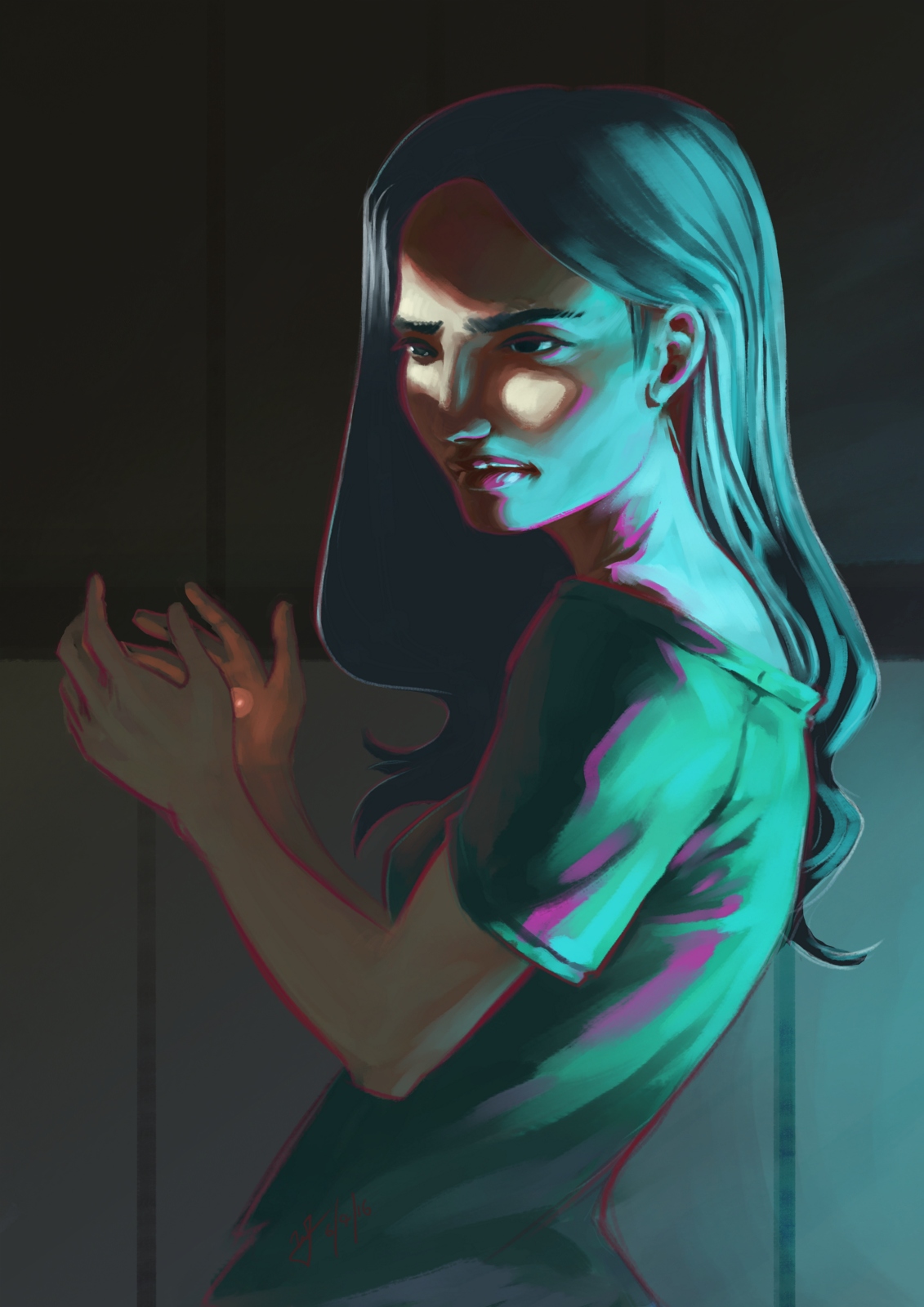
  • Cutter Portrait | Timelapse

    Cutter Portrait | Timelapse

    Over the last month or so I have been collecting my digital artwork and sketches into a collection of books. I will do a post specifically about this soon, but going through the process of laying out the last decade of my artwork has been thoughtful process.

    Something that became obvious quickly looking at my artistic habits over the years is that I love to do full color, highly rendered illustrations, but there has been a fear, doubt, something holding me back from doing more of that kind of work.

    So, in response to that, I have made what you might call a late New Year’s Resolution. Simple to paint more, as opposed to line drawings, and treat it as an education instead of “sell-able artwork”.

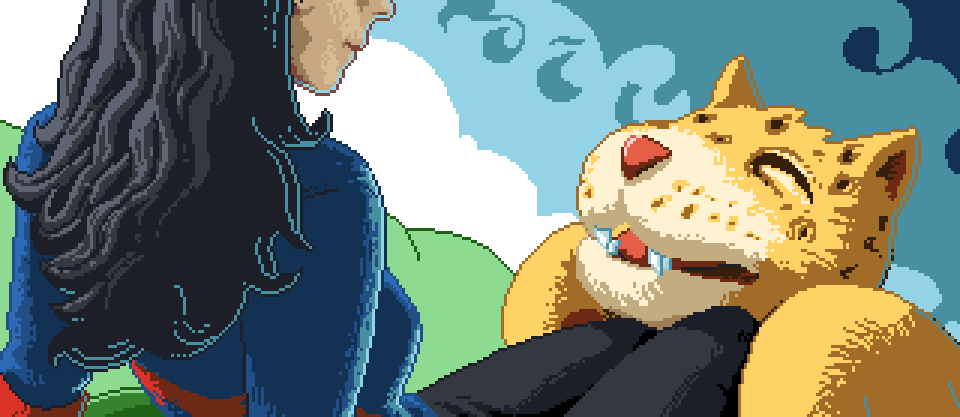
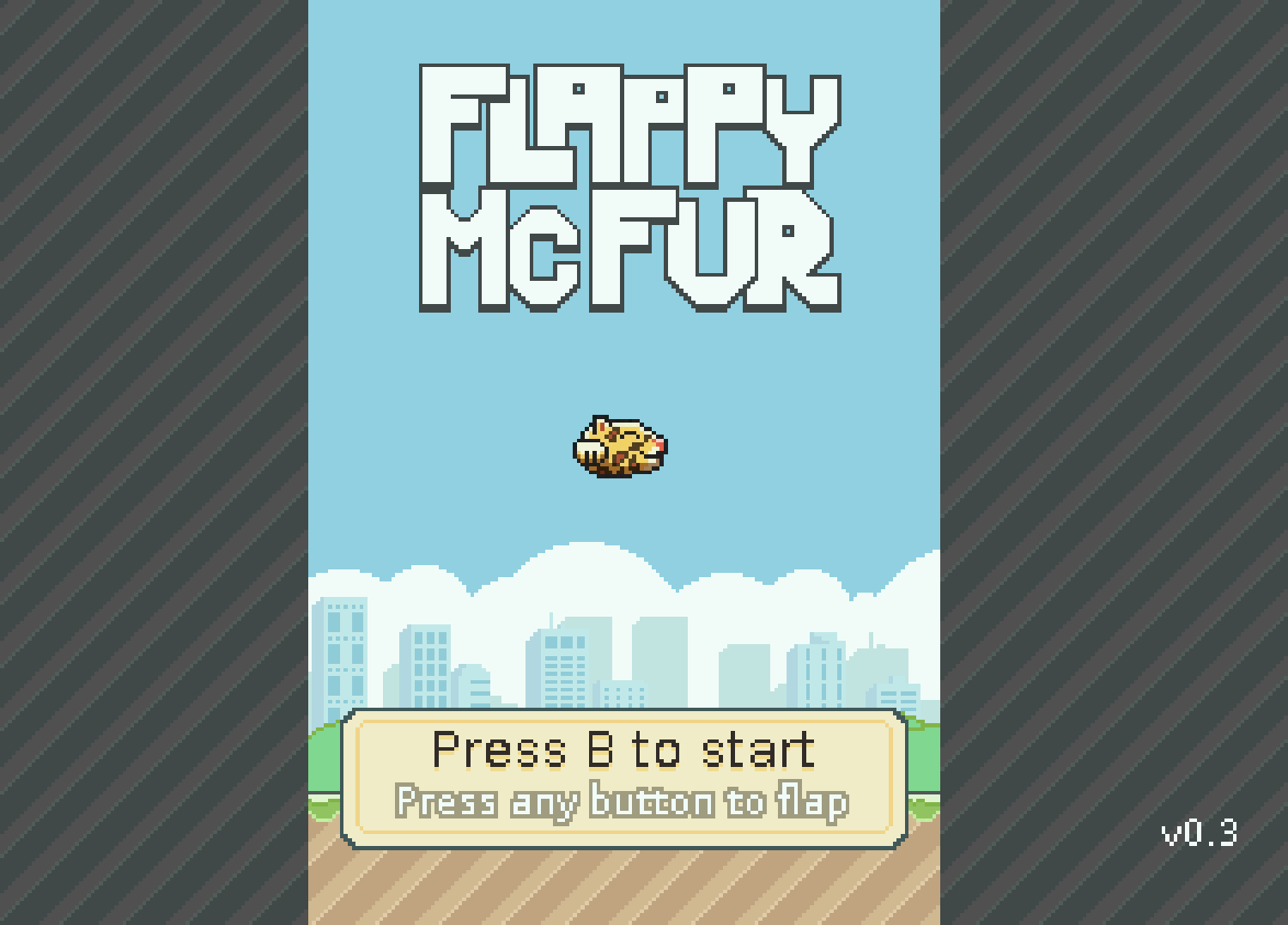
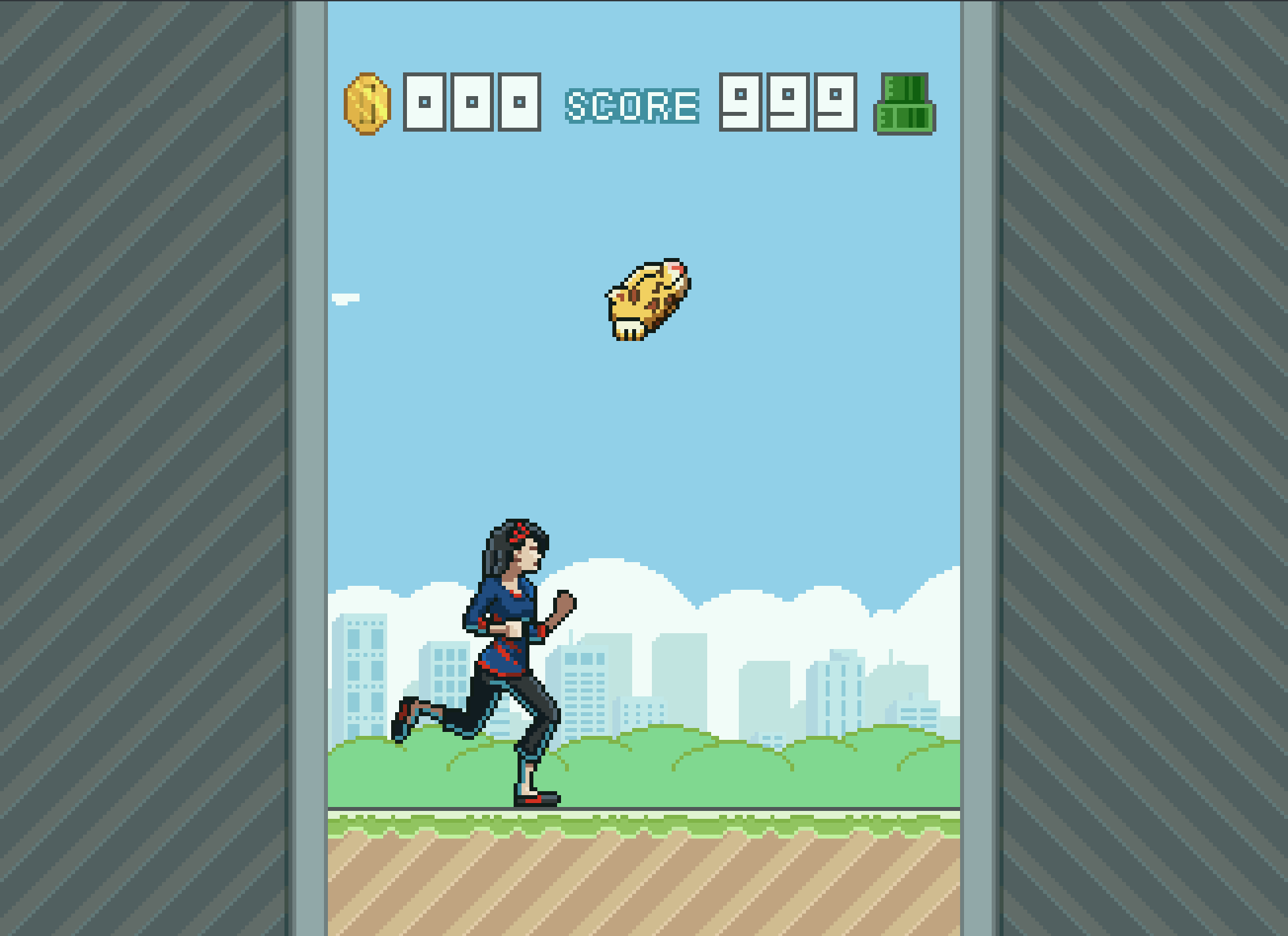
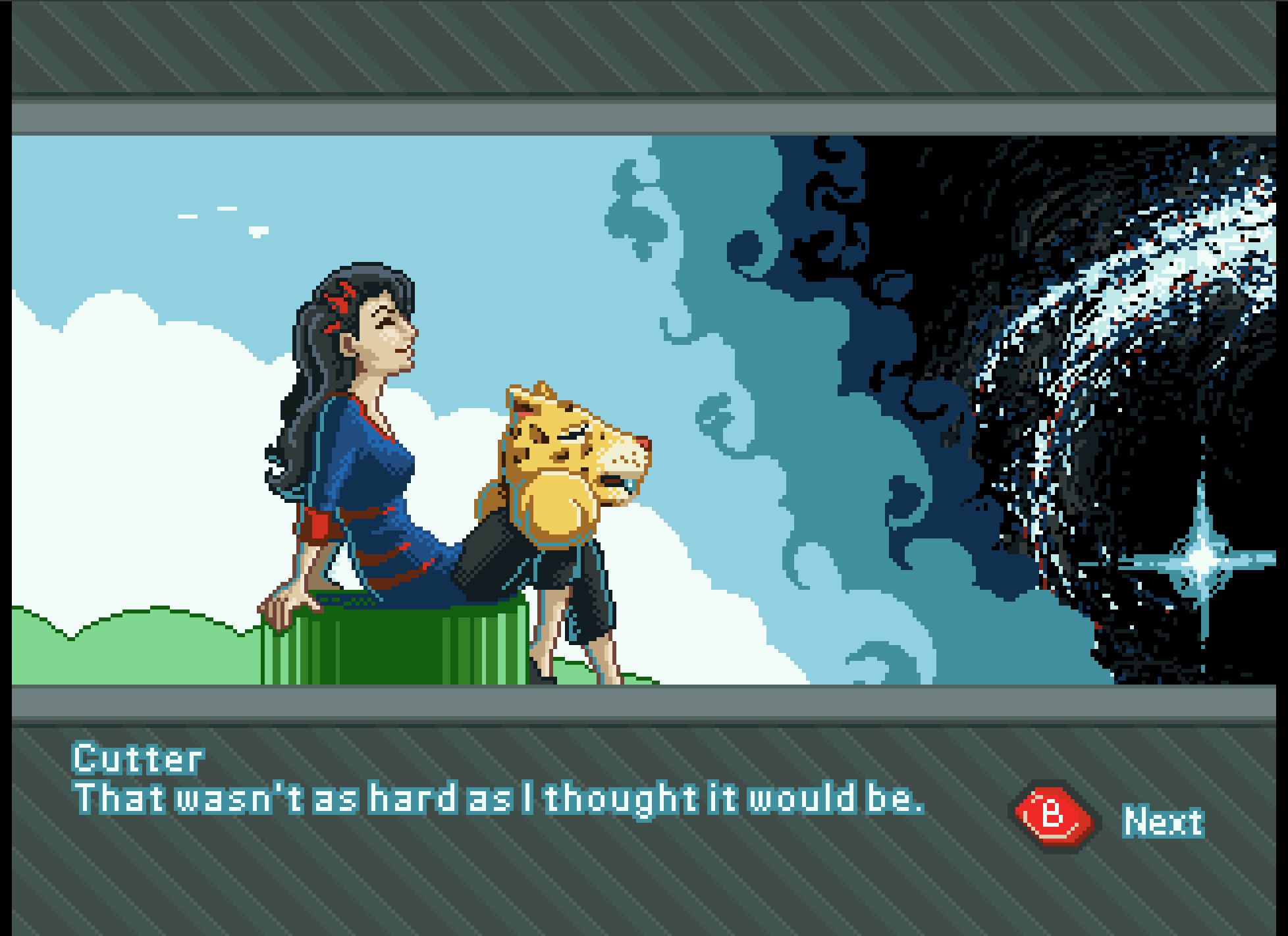
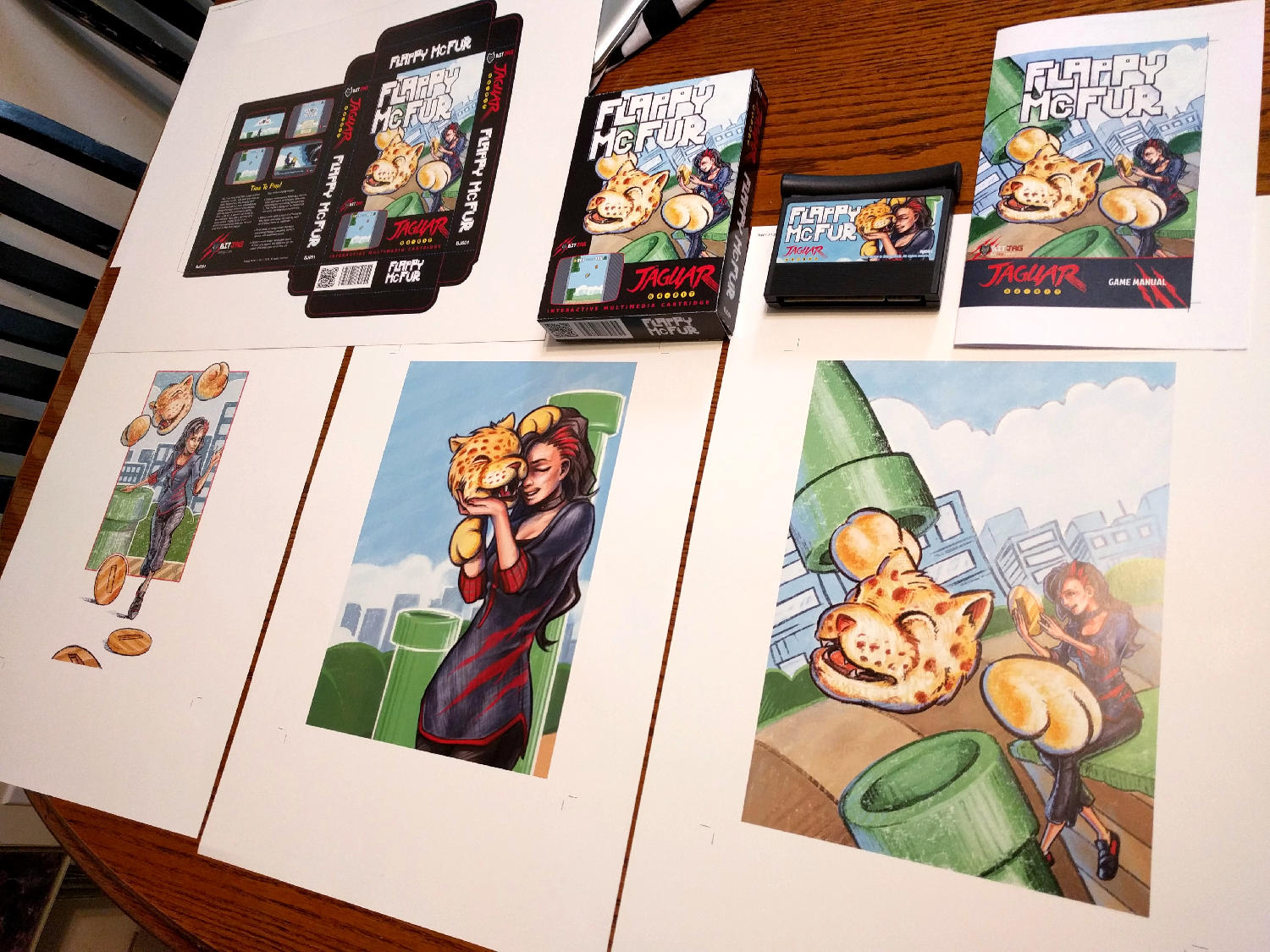
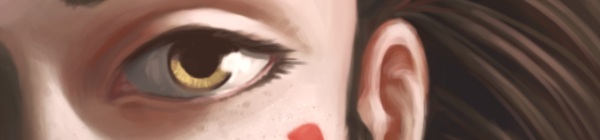
    In an effort to satisfy this goal, this portrait of Cutter, from BitJag’s Flappy Bird Clone, Flappy McFur, is the first fruits of that effort. Also, I recently re-coded Flappy McFur from the ground up, so this piece is a way to celebrate the nearing end of that work.
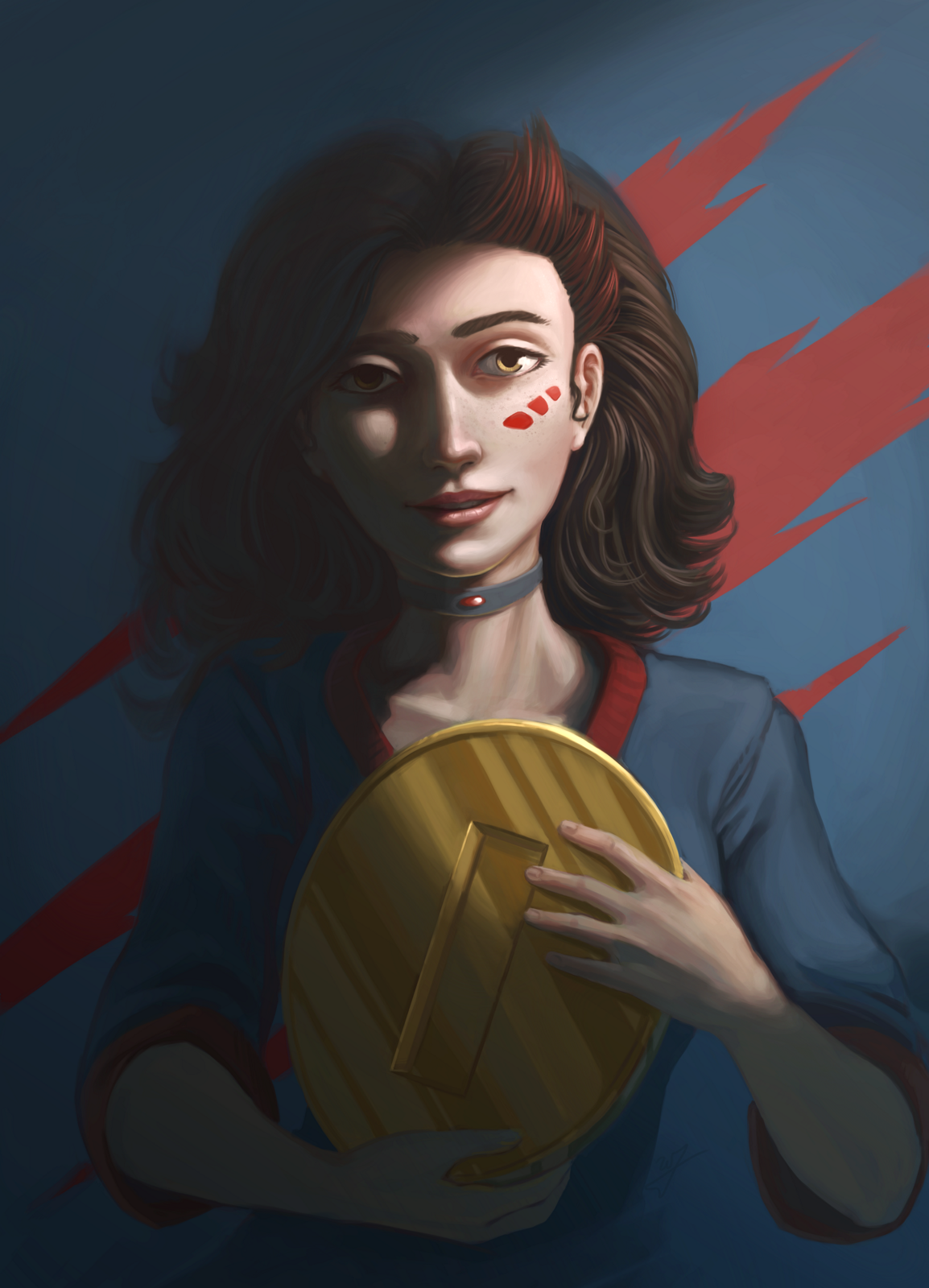
    Along with this, I want to setup some criteria to reexamine myself after I finish a piece. So, I’m approaching more time lapse videos for each piece I produce. I want to do a written examination through blog posts, focusing on specific things I learned or practiced, and how I might do things differently if I started over on the same piece. Lets do it.

    Things I Learned or Practiced

    Defining My Process

    I recently watched this video by Marco Bucci talking about painting greyscale and then moving into color after you have the value painting established. The primary idea that Marco presents that this process actually removes some of the benefits that can come to your artwork if you start with color from the start.

    Working in greyscale is something I have done in the past, and I plan on using this approach in the future. But he does make a convincing argument for why you should not do this all of the time. When starting this portrait of Cutter, I paid special attention how I pick colors, and how I could use a variety of colors in skin tones to enrich the piece. Especially for areas in shadow. Using a diversity of color in the shadows, along with ambient reflective color created more richness than I have experienced in my work before.

    Start By Anchoring Your Values

    If you watch the timelapse, you will see that I do make some dramatic value adjustments using some global color adjustments to brighten the image. I started this picture far too dark. What I learned from this is that when starting a piece, I need to keep in mind that whatever values I start with become the anchors for any new values that I introduce.
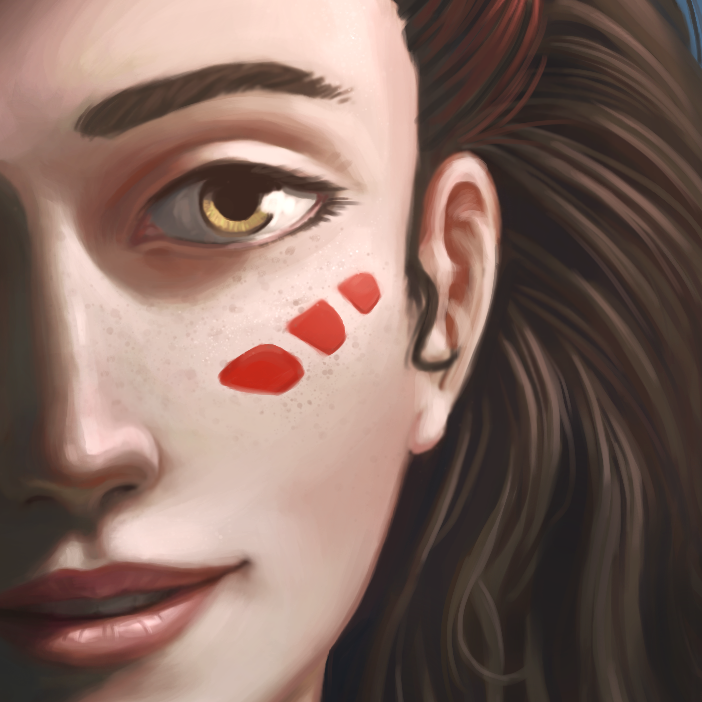
    This means that when starting a piece I need to determine one thing. If I have any direct lighting, I need to properly determine the mid tone for that light as first value that I add to the canvas. This approach can be applied to ambient lighting and any light in the piece.

    This anchor value will help determine the proper contrast between light and shadow that I may be looking for, for any future pieces that I work on.

    Work With Reference

    Probably the most embarrassing part of the timelapse is how many times I make adjustments to Cutter’s face. I have heard from many experienced artists that spending extra time on the face is natural, and important because that is what people typically focus on first when looking at artwork. I would like to hide behind this reasoning, but I don’t think it completely addresses why I came back to the face to adjust overall placement and shape of the face. What is really sad about it is, even though the end result came out good, I am still not completely happy with it. Why did this happen?

    First, proportions were off from the very beginning. And adjusting proportions later in the process is almost always more time consuming when compared to properly establishing proportions earlier in the process. I believe the root of this problem is because I am not practicing from reference enough.

    Even though Cutter doesn’t exist in real life, therefore there is not reference to work from for this piece, by practicing more from reference in my studies, my “imaginary” artwork with be better informed. Having an appropriately oriented visual library established in my mind, I can better extract from that well practice to better in form my ideas in my imagination.

    Conclusion

    Cutter’s portrait is attractive, but took longer than needed to paint, and shows a lack of foundation in my visual library. What are some things I can do to improve?

    The obvious solution is practice with reference. This will solve both the problems of appropriate proportions for whatever subject your are painting, and it will help me become more efficient in my painting process. Resulting in saving time, and creating more attractive pieces.
  • Tales of a Jaguar Head | Flappy McFur Atari Jaguar Homebrew

    Tales of a Jaguar Head | Flappy McFur Atari Jaguar Homebrew

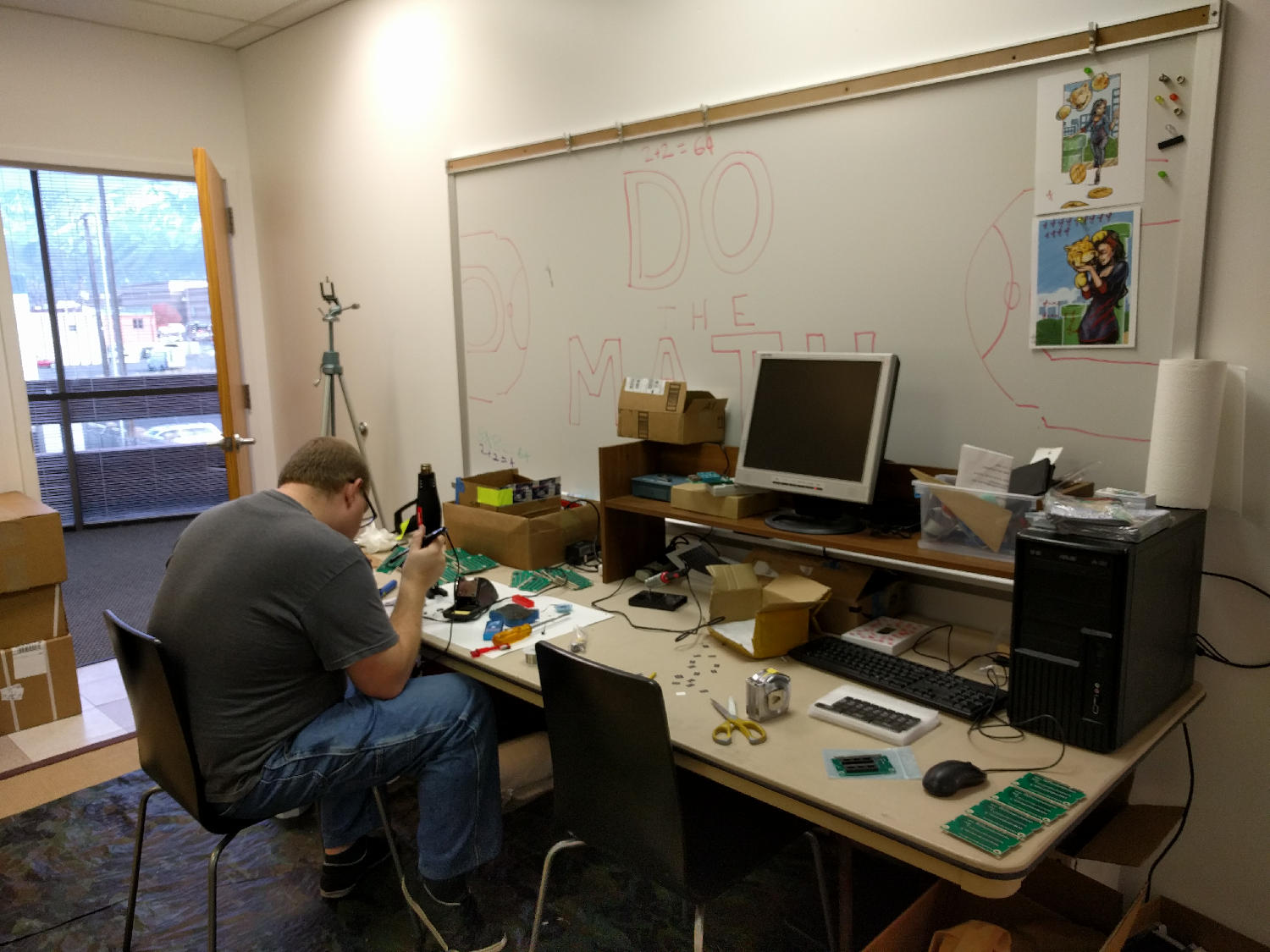
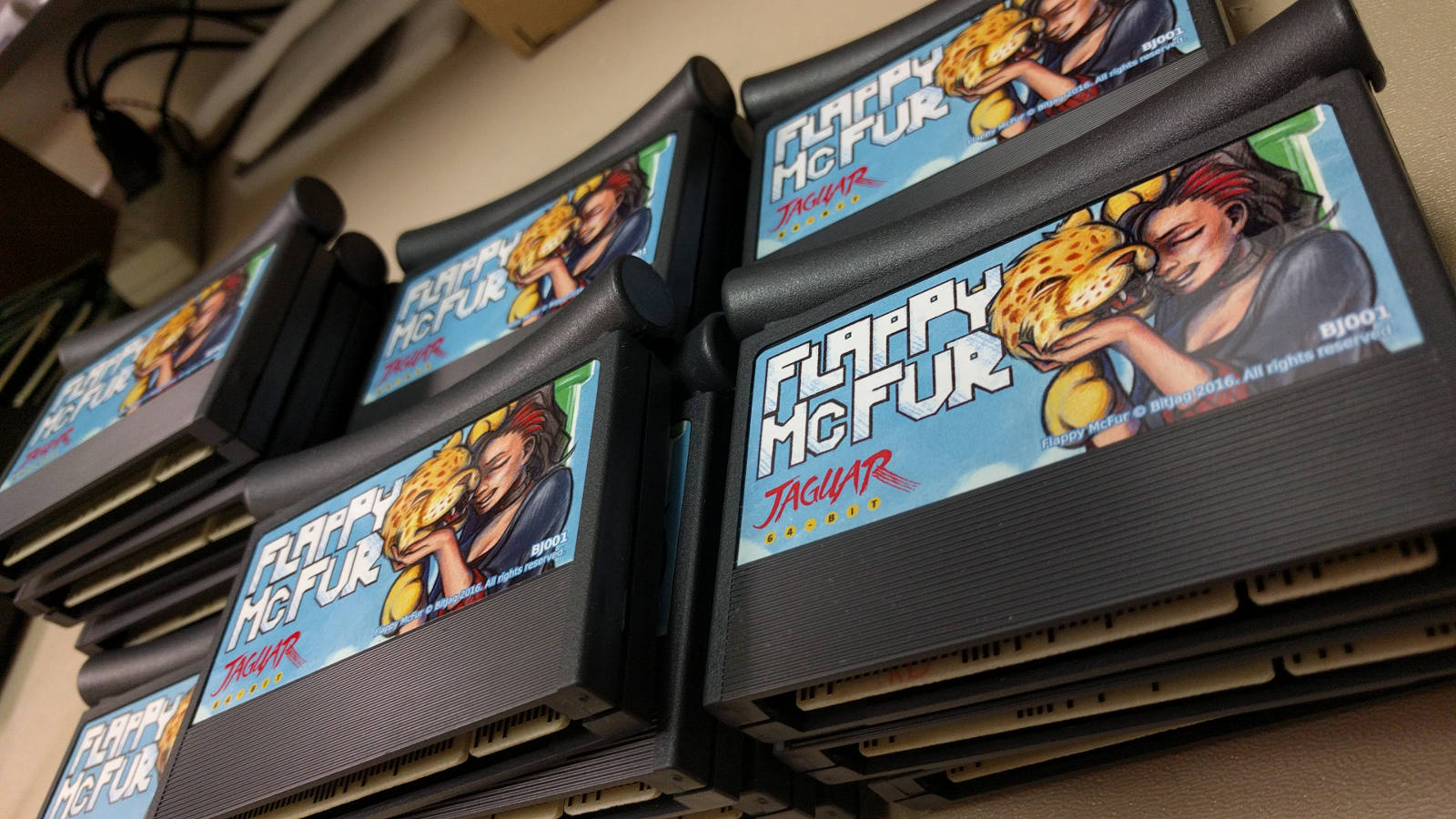
    Three years of learning. Three years of programming. Three years of drawing. And it all should have taken three weeks. Flappy McFur is finally in the hands of the masses, or at least the 80 or so individuals that were actually interested.

    The beginning

    Atari Jaguar programming has been something that my brother and I have been interested for years, and ever since returning from my church mission from Taiwan, I have made it a primary goal.

    With the formation, branding, and online presence establishment, all that was left was for me to learn a bit of programming, and start making games. To help facilitate the programming learning curve, we took on a request from Paul Westphal to put together a demo specifically for his booth at the Portland Retro Gaming Convention.

    Programming at this time wasn’t completely foreign to me, but C programming was. So this little demo was a great opportunity to start my C coding adventure, and it led well into Flappy McFur.

    Development

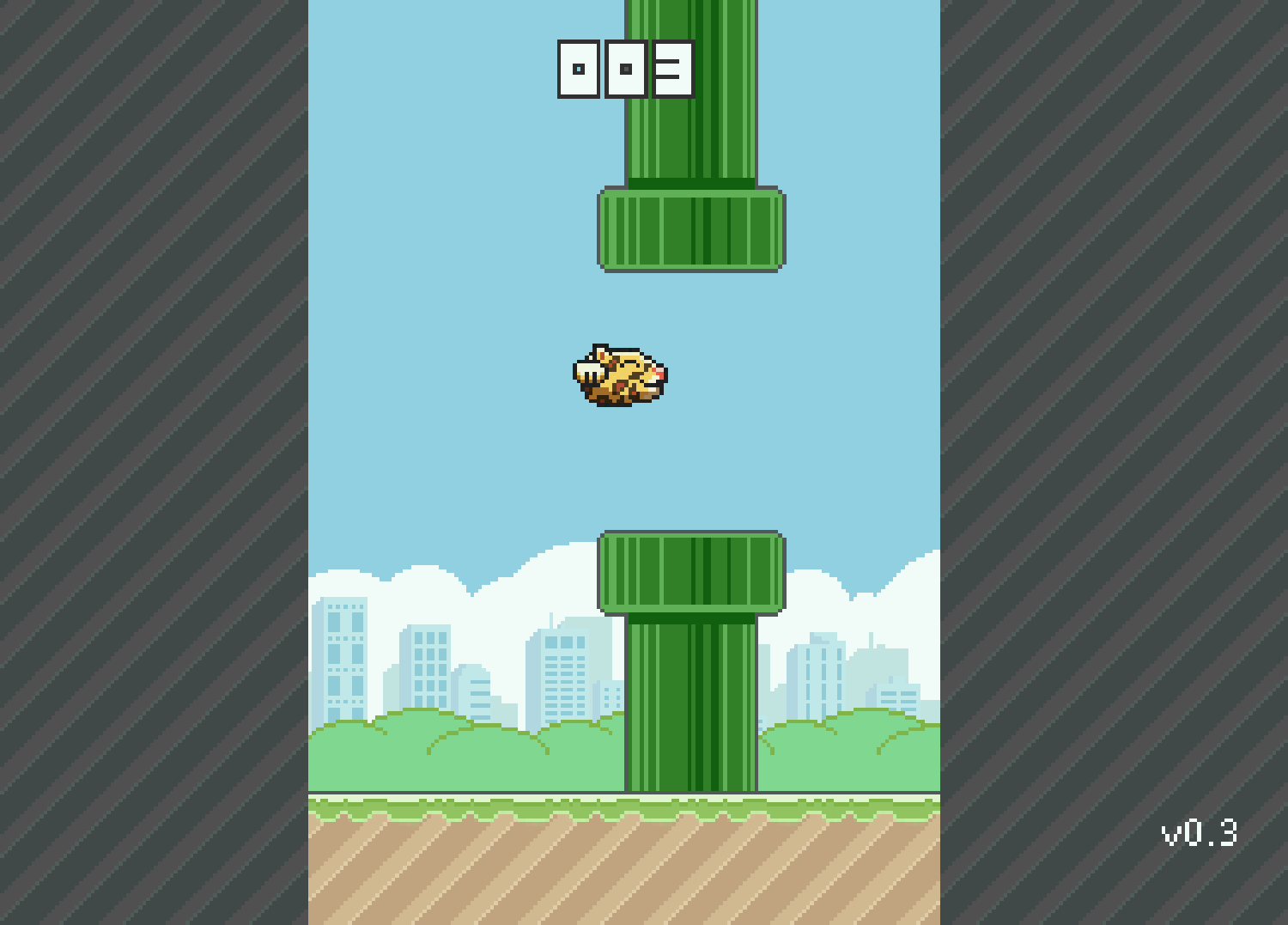
    Version 0.3 was the first fruit of my efforts, and the fruits were bearable. The gameplay was there, but it was far from enjoyable. McFur moved around more like a horizontally locked fly than a disembodied Jaguar head falling in style. But, the core gameplay was there, and this little demo was well received by those out there who look out for anything new for the Jag.

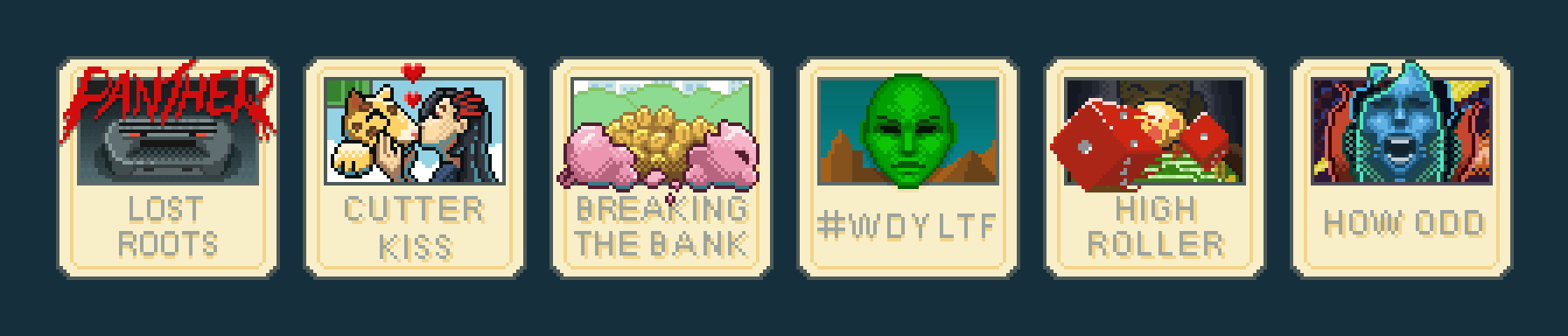
    After the demo though, there was polish. I planned out menu systems, with a simple achievement system. Worked out four different play modes that changed the speed of the game and how the pipes behaved. With Bryce’s help, a simple text engine was implemented to facilitate menus, and he also implemented the save code system. All of this along with an end game made Flappy McFur a much more noticeable product and a more enjoyable experience overall, with a bit of depth to the gameplay.

    Development also included some play testing. Usually I would setup our Jag-In-A-Box at family parties, Draw Nights with friends, or just let all the nieces and nephews have a go at it. It was interesting to see how some people caught into the gameplay really well, while others found it impossible. It made balancing the difficulty a bit of a challenge, this is one reason why the additional play modes were added. To try and accommodate a wide spectrum if players.

    Even though the game overall is fairly simple, there was a massive learning curve for me to overcome. Overcoming that learning curve has had its payoff though, and I feel much more prepared to takle our next project.

    Art

    Sprites and Palettes

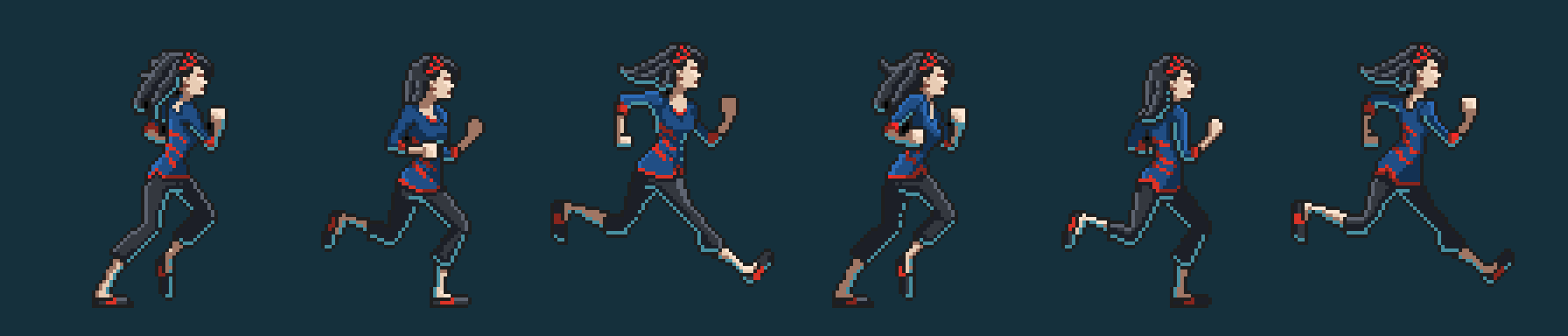
    Though few, painting sprites for this game was a highlight if the whole experience. Working with reduced color palettes and putting together simple animations like rotations of objects and the achievements, to more complicated animations like Cutter’s run cycle, all were a joy and remind me how much I love animation in general.

    We used the Gimp primarily for sprite work. I have been using the Gimp for nearly two decades now, and it is great support for paletted graphics with a more than adequate tool set. I did use Krita for Cutter’s run cycle animation because they had recently implemented a basic 2D animation tool set in Krita, but with the lack of palettes graphics support, I still needed ti pump those graphics through Gimp to prep them for Jag. Krita is supposed to have palettes graphics support in the near future, and I am looking forward to using Krita exclusively in my pipeline.

    With all that in mind, when I actually started putting together Flappy McFur, I was a bit lazy in figuring out how to do 8-bit paletted graphics. So, for a long time, I was dealing with performance issues, especially when music was implemented. It wasn’t until late in development that most of the graphics were converted to 8-bit paletted sprites for 16-bit sprites. This was a good switch though as it allowed us to do fade transitions easily.

    Box and Manual Art

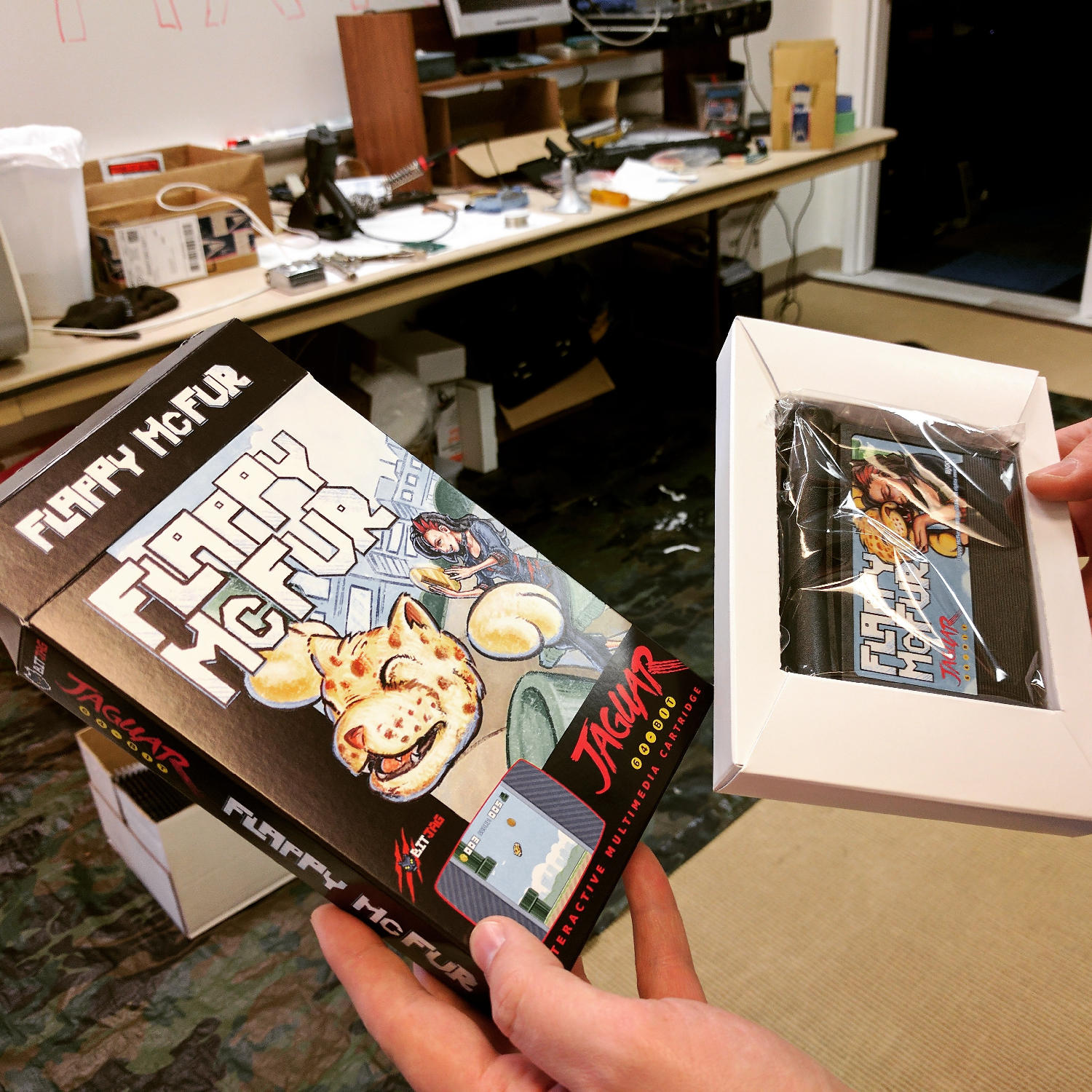
    I initially wanted to do more artwork for the game, but the 3 primary illustrations ended up working really well for our needs.

    The first illustration was used to establish the character relationship and heavily influenced the game in both tone and narrative. The colored pencil and crayon look of the artwork was intentional as well. It gave it an elementary, non serious feeling throughout, inviting everyone to come and pick up the controller and play.

    Video Content

    I tried to keep any video advertisement minimal since the beginning. Primarily because if how time consume it is, but also because of the uncertainty of actually releasing the game.

    When we decided to actually finish up the game and release, effort was spent to get a good video for advertising the game, and a good gameplay video. At the end of the day, I am not too sure how much these videos helped at the end if the day, but they were nice to have, and will be good to have for history’s sake.

    The release and marketing

    Newsletter

    In and effort to reward our mailing list subscribers, we made sure that everyone that had signed up knew about the game first, we also provided a small discount for them as well. The discount was taken advantage of by a handful of our subscribers, and is something that we will definitely do in the future.

    Press Release

    It was fun to actually learn how to put a press release together for news websites. I distributed to a handful of people, with little response. Again, this was good to get familiar with, and it serves a good historical purpose. You can read the press release here.

    AtariAge post

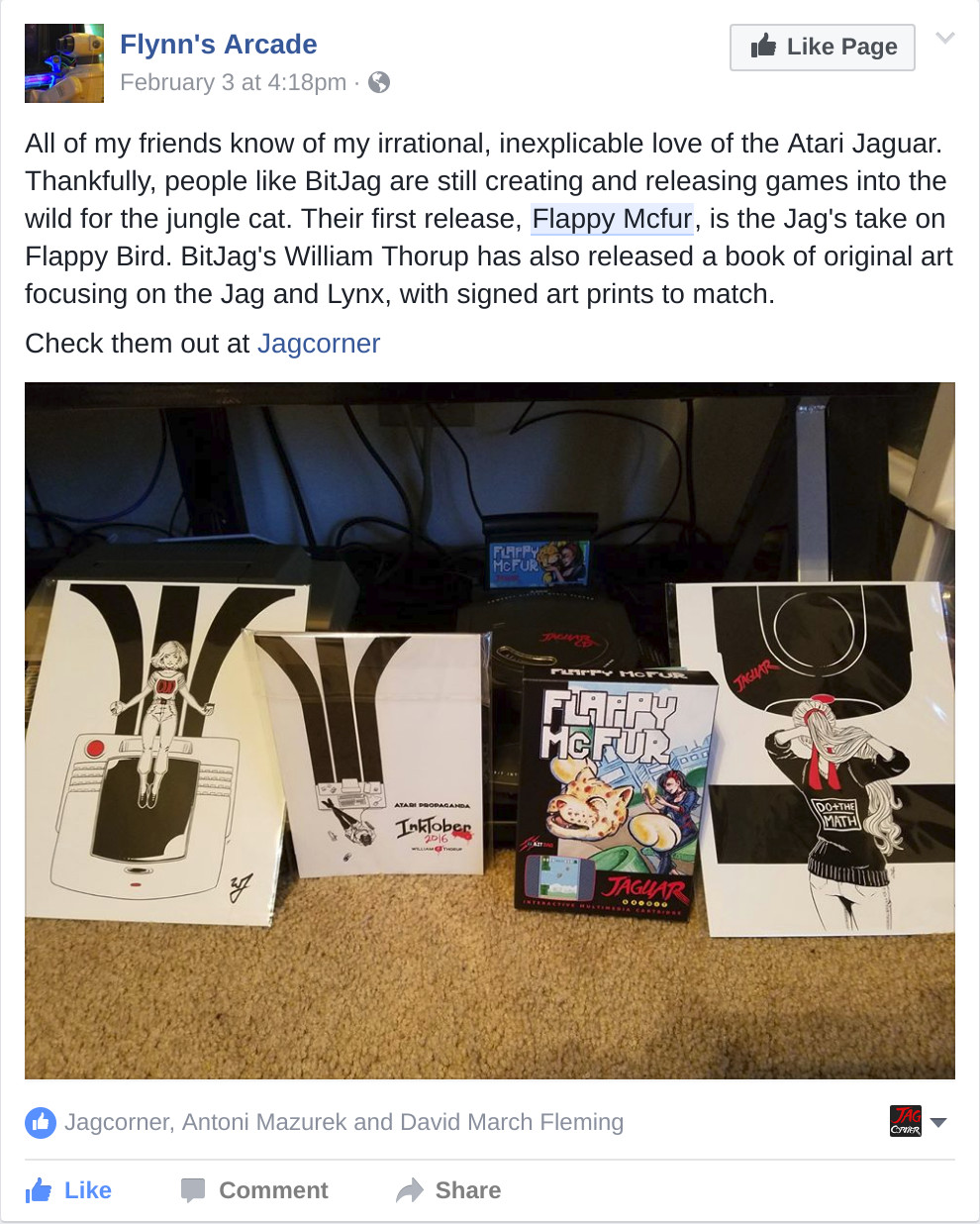
    We had a great response from the AtariAge community. With part of the press release and other details about the project, including videos, we began selling the moment the announcement hit the forum. AtariAge Forum Thread – http://atariage.com/forums/topic/258180-flappy-mcfur-homebrew-now-available-to-order/

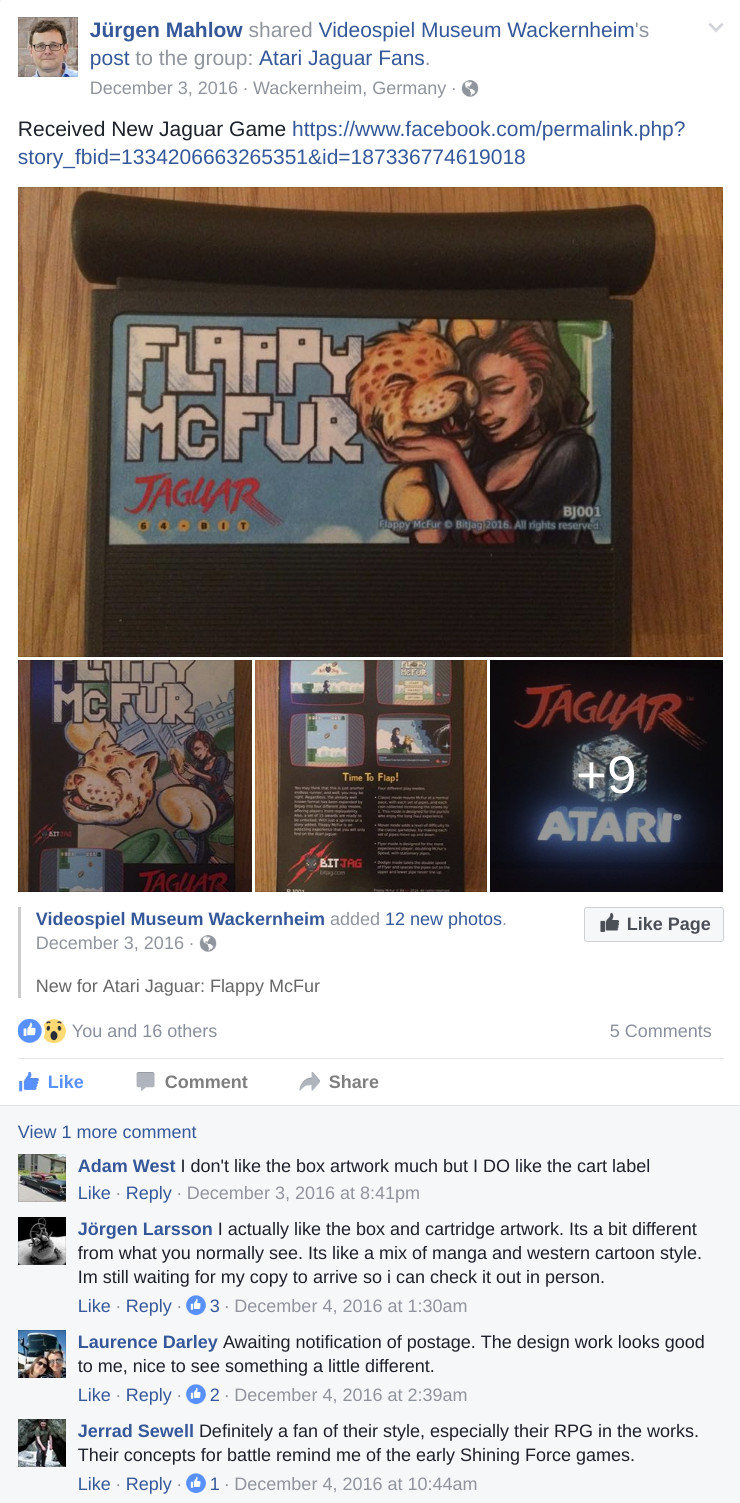
    Before people actually had the game in their hands, many of the comments were about the pixel art, and general support for the release. Responses to gameplay have been… mixed, maybe. Its hard to tell if people don’t want to say anything bad about it, or they are just a bit frustrated about its’ difficulty. Either way, below are a few reactions for the AtariAge forum thread.

    Hyper_Eye

    My wife and I enjoyed spending the evening playing Flappy McFur a couple nights ago. It’s certainly addictive. I found myself getting the controller back less and less. My wife and I probably haven’t played Jaguar together in 10+ years. She buys me Jaguar games as gifts and watches me open them. Maybe she’ll watch me play a bit. It was nice to actually play together. Thanks for the effort you put in to it!

    Swansea_Mariner

    Wow this game is hard, I just can’t get past pipe no. 9! I really like the dogger mode.

    Saturn

    Thank you (all) for this wonderful addition to the Jaguar library. Hope to see more.

    Reviews

    By way of reviews, we did have one website review and one YouTube review. Both favored the game. Thank you for the reviews! Links below.

    A small mention on the Retro New Roundup – https://youtu.be/FfeYMKsktFM?t=3m22s

    A more full written review on a more official news website – http://thegg.net/retro/atari-jaguar-gets-a-brand-new-homebrew-game-called-flappy-mcfur/

    A fairly thorough video review done by crusherbad64 – https://www.youtube.com/watch?v=5lo5AHXrhCU

    A nice little mention of Flappy McFur on a French Jaguar fan blog – http://jagfan.canalblog.com/archives/2016/11/03/34517203.html

    Other Social Media Posts

    Links

    Flappy McFur BitJag Project Page – http://bitjag.com/project_5.html

  • Books and Machines | Illustration

    Books and Machines | Illustration

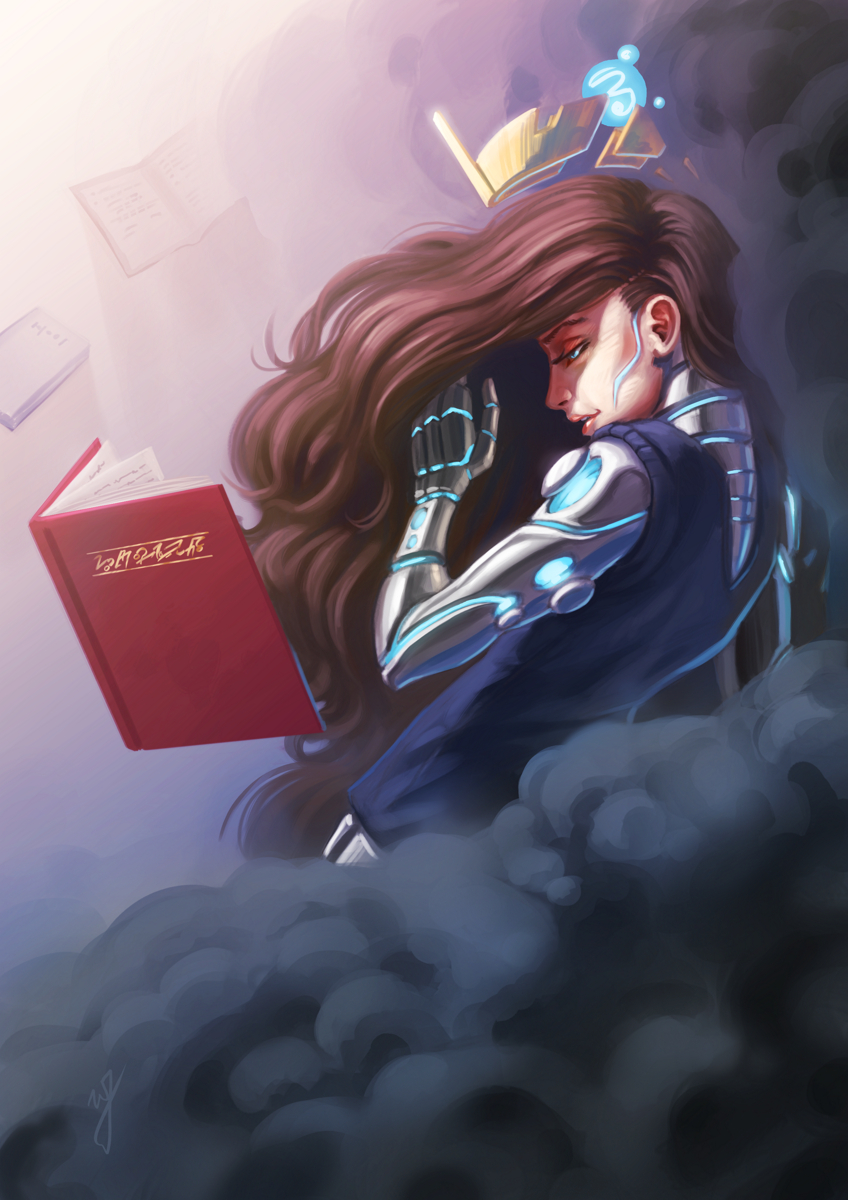
    I wanted to finish one more piece before Inktober begins. I started this one over two months ago for one of the Krita forum challenges, “Futuristic Princess”. I got the sketch done at that point, but couldn’t find the motivation to finish it at the time.

    machines_and_books_web

    books_and_machines_close_ups

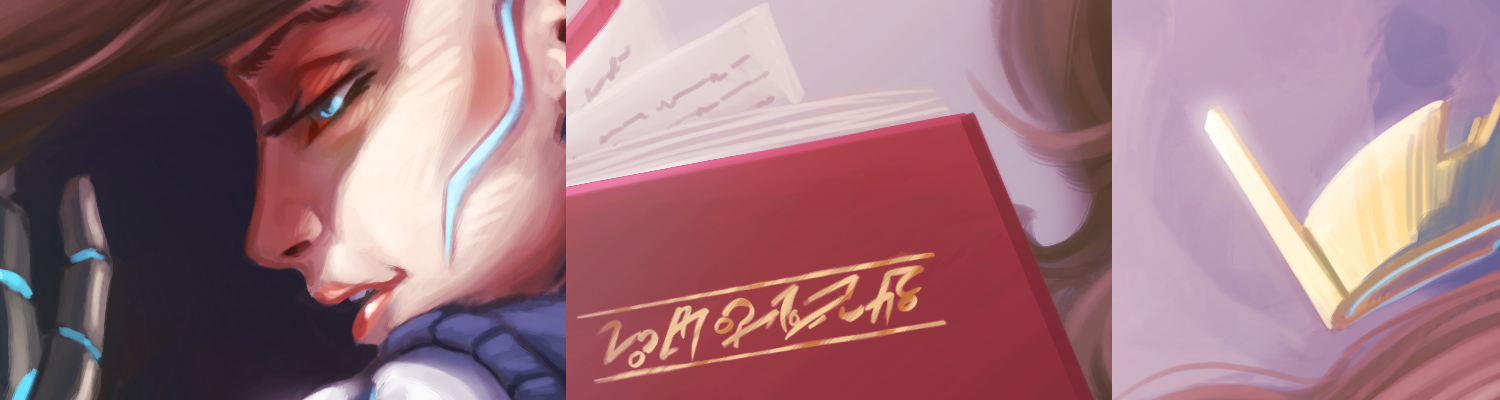
    After reviewing some of my sketches and unfinished work, I decided to finish this one over the past couple days. The color scheme has been floating around in my head since I started the sketch, and I really like how it came out in the end. The depth in the clouds was fun, and also playing around with the metal materials of the characters arm and back.

    I am glad that I was able to finish this one before Inktober, and I plan on submitting this for the Krita Kickstarter art book. I just need to figure out what black and white piece I want to submit along with this piece.

  • Flow | Krita Kickstarter T-Shirt Challenge

    Flow | Krita Kickstarter T-Shirt Challenge

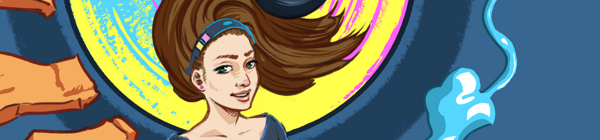
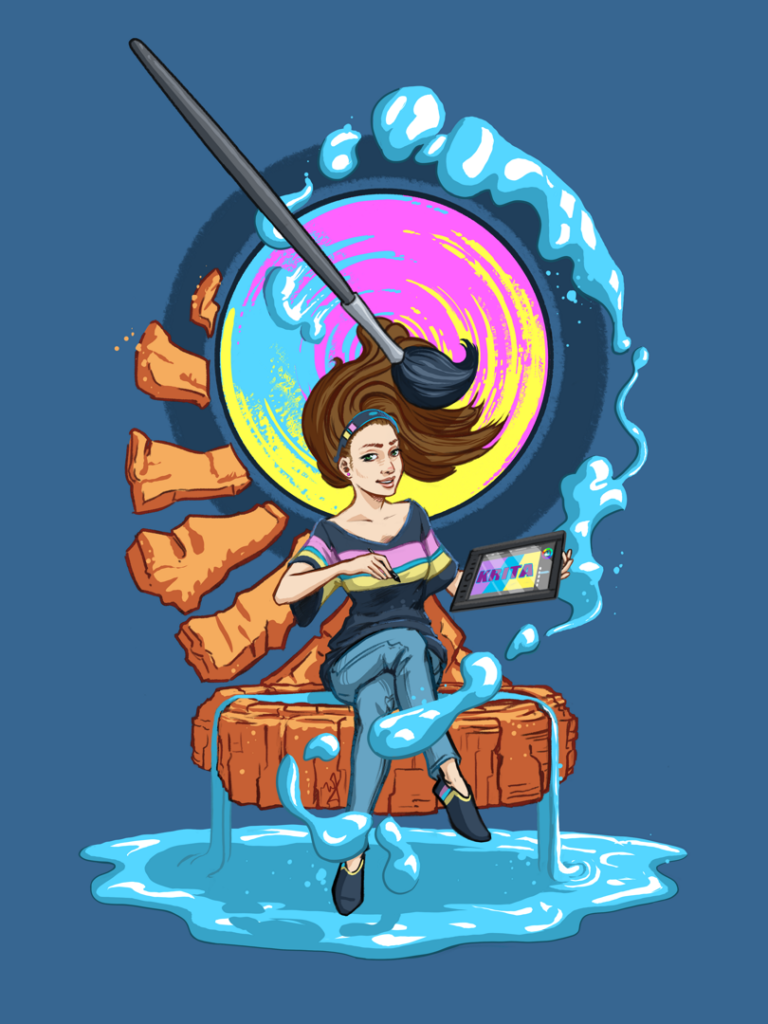
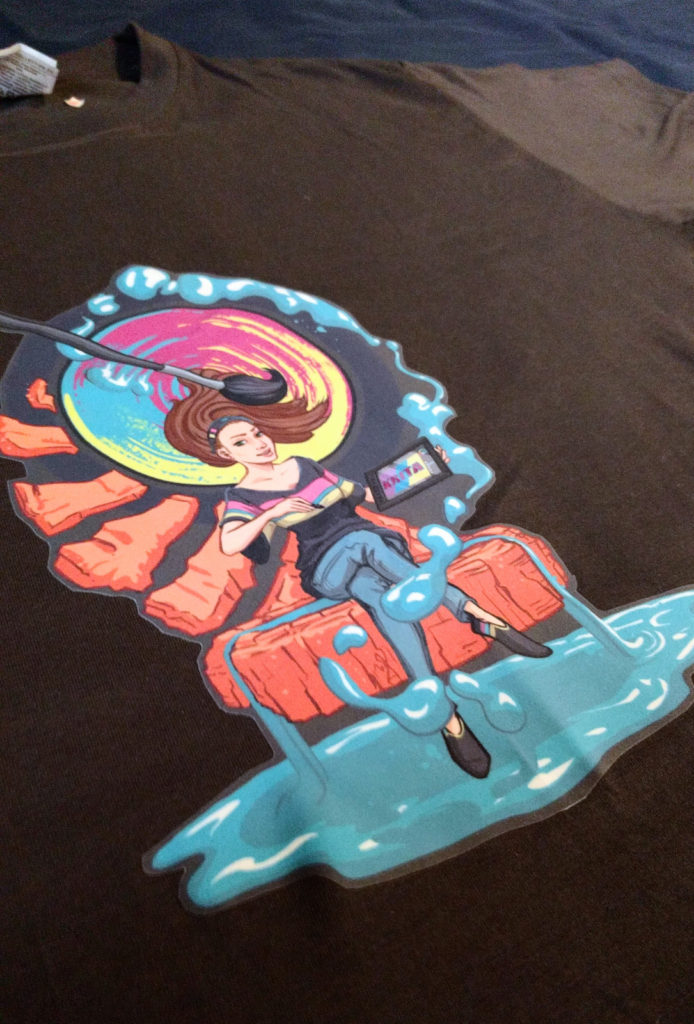
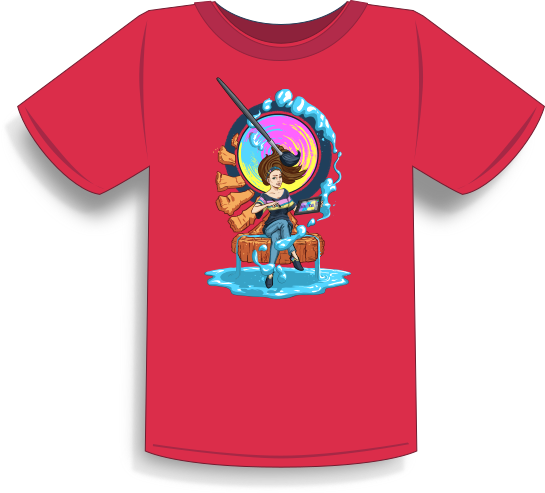
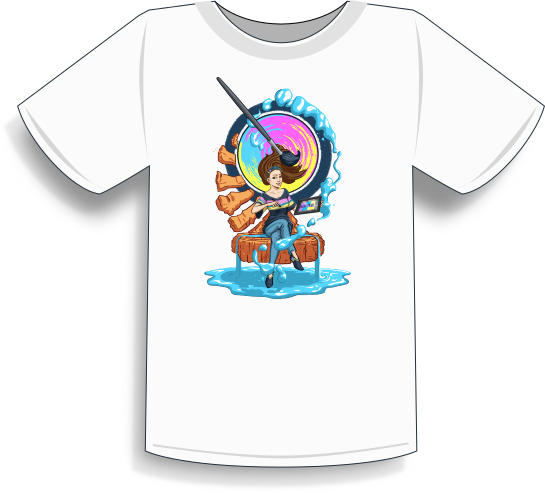
    The people who support Krita pulled off another amazing Kickstarter this year. And in a way, they are allowing everyone to contribute on an artistic level as well. This is where my next illustration comes in.


    This year, along with new features for the next version of Krita, the group behind Krita is producing a book filled with art from various artists that use Krita. They are taking submissions currently, but this is for a future post. This post is about the T-Shirt design challenge on the Krita forum. This is something that I could not simply pass up.

    With this much freedom I wasn’t sure how to start.

    The topic was “Flow”, and nothing else. With this much freedom I wasn’t sure how to start. So taking to the great library that is Google, I started doing searches for the word “Flow”. Synonyms, images, music, etc… all to draw inspiration from. I eventually started thinking about my home here in Utah, and challenged myself to think of the things that are generally attractive that could relate to “Flow”. This led me to the most unlikely of places when someone things of the word “Flow. Southern Utah, a dry desert, and almost the exact antithesis of the word “Flow”.

    The reason why I was brought to this place was the color of the rocks. For those of you who aren’t familiar with Southern Utah, the rock can be very red in places. This went well with some of the other notes I had written down at this point for the painting, which included the colors from Krita’s logo. The red of the rocks of Southern Utah would provide a good and attractive contrast to the blue floating paint I already had in mind before I had put pencil to paper.

    …I realized that message wasn’t in the detail of the rock, but instead in the very nature of the rocks

    But this was the catalysis to a greater idea, and one that I think is what brought the painting together in it’s last stages. If you watch the time lapse video, you will see this in action, but I first draw the rocks with detail, and symmetrically. This looked “Okay” but it didn’t seem to fit, but soon after spending a while drawing detail into these rocks, I realized


    that message wasn’t in the detail of the rock, but instead in the very nature of the rocks. The juxtaposition of the rock against the flowing nature of paint was the key, as I discovered a way to include the rocks in a more harmonious way than before. By focusing on the silhouette and the visual movement of the rock, instead of the rocks themselves.

    So now the flow of the paint, and the flow of the rock, mirror each other, matching the “S” curve of the woman, and just tying everything together in a neat little package.

    At the time of writing this, voting has opened for challenge, and even if I don’t get the most votes, I am still very proud of the piece, and the troubleshooting opportunity that it presented.
  • Time to Work | Illustration

    Time to Work | Illustration

    Working with some different brushes in Krita, and pushing myself a bit with some different kind of lighting challenges. This piece was also a bit inspired by the The Art of Loish, a recent Kickstarter art book I received.

    6-9-16_time_to_work_web

    I really enjoy Loish’s style, with her use of a stark outline colors to break her subjects away from the rest of the painting. She also shows a clever use of color in general, and again, very appealing all around. Some of the elements in my painting were inspired by these things, in the sense of picking an interesting palette to work with, and a unusual lighting setup to help push those colors a bit.

  • Regret in Creation | Myst Fan Art

    Regret in Creation | Myst Fan Art

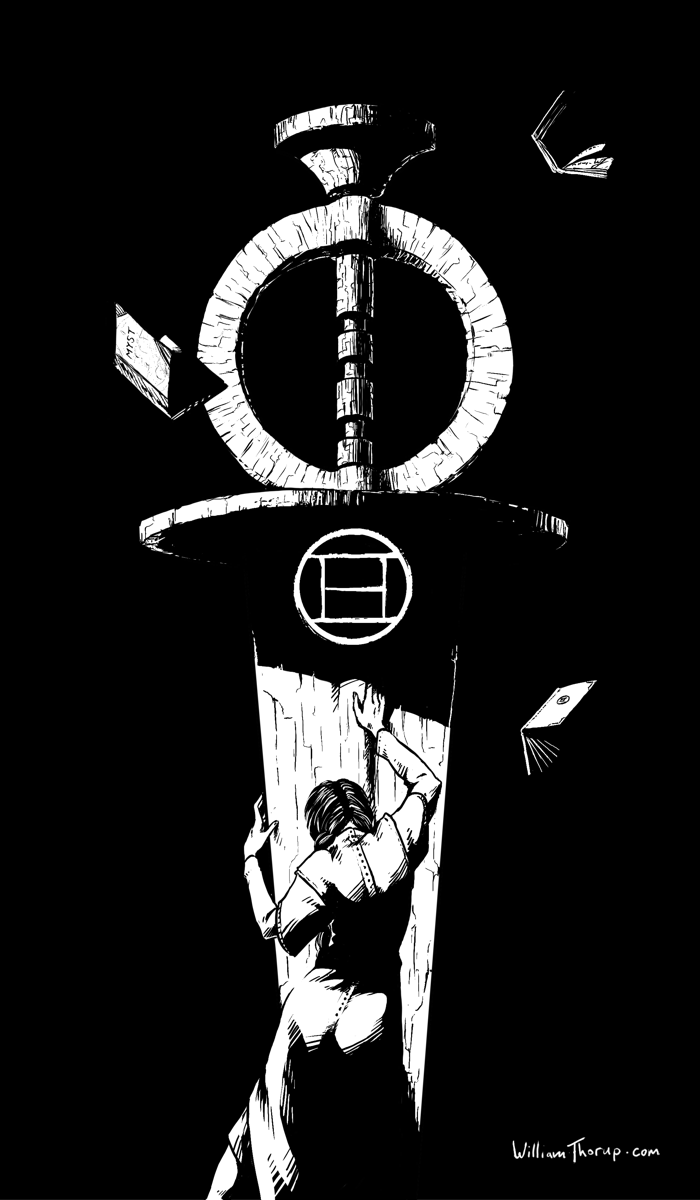
    Mysterium, the Myst convention, is making its way to my hometown this year, and they had open submissions for art for their convention book. I caught wind of this just a few days before submissions were due, but I couldn’t miss the chance to show a little Myst fandom.


    creation_and_regret_web

    (SPOILERS AHEAD in the next paragraph, no spoilers after this next paragraph)
    This pieces features Catherine in a state of remorse for the burden of being able to create ages (worlds that are created by writing books, which you can then enter into), but unable to save them. The Moiety Dagger is a symbol of the group that she helped in Riven (Age 5), and despite her efforts, the age still fell apart. Even though she did not write the Riven age, she must feel the burden that any world she creates has the potential to fail, with the loss of life.

    I have very fond memories of this game, as I used to watch my oldest sister play it, along with with a few of my other siblings, when I was young. I was always fascinated by the environments, and the immersive sense of foreboding that engulfs the game. As I got older, and was able to solve some of the puzzles, the game became even more immersive for me, and I was hooked. I soon played Riven, and Exile (Myst III) and the experience was further enhanced by better audio better graphics, more acting, and an even more engrossing story.


    The story is simply awesome. Taking steam-punk elements and god-like powers of creating worlds and people, with the premise of absolute power corrupts absolutely and what do you do when it does corrupt, is fascinating, and makes for a unique adventure with every game. This includes the three novels as well, well written, and a must read for Myst fans.


    regret_in_creation_close_1


    A may do a few more illustrations based on the some of the other thumbnail sketches future.

  • Ink, Gold, and Blood | With Diety – Illustration

    Ink, Gold, and Blood | With Diety – Illustration

    A quick piece that still shows I am still stuck on this ink with one or two colors “style”. I recently got a Cintiq 24HD and it makes painting so much faster than my Intuos 4 or Cintiq 13HD. I still keep those around, in case I am on the move, but they simply don’t mate the 24HD when it comes to comfort.

    With_Diety_web Because of this new device, I decided to do this piece at double the resolution I usually work with (A4 600dpi), and the amount of detail that I am able to include, along with how natural it feels, is great. I am definitely going to be doing more inking in the future.

    with_diety_close_ups

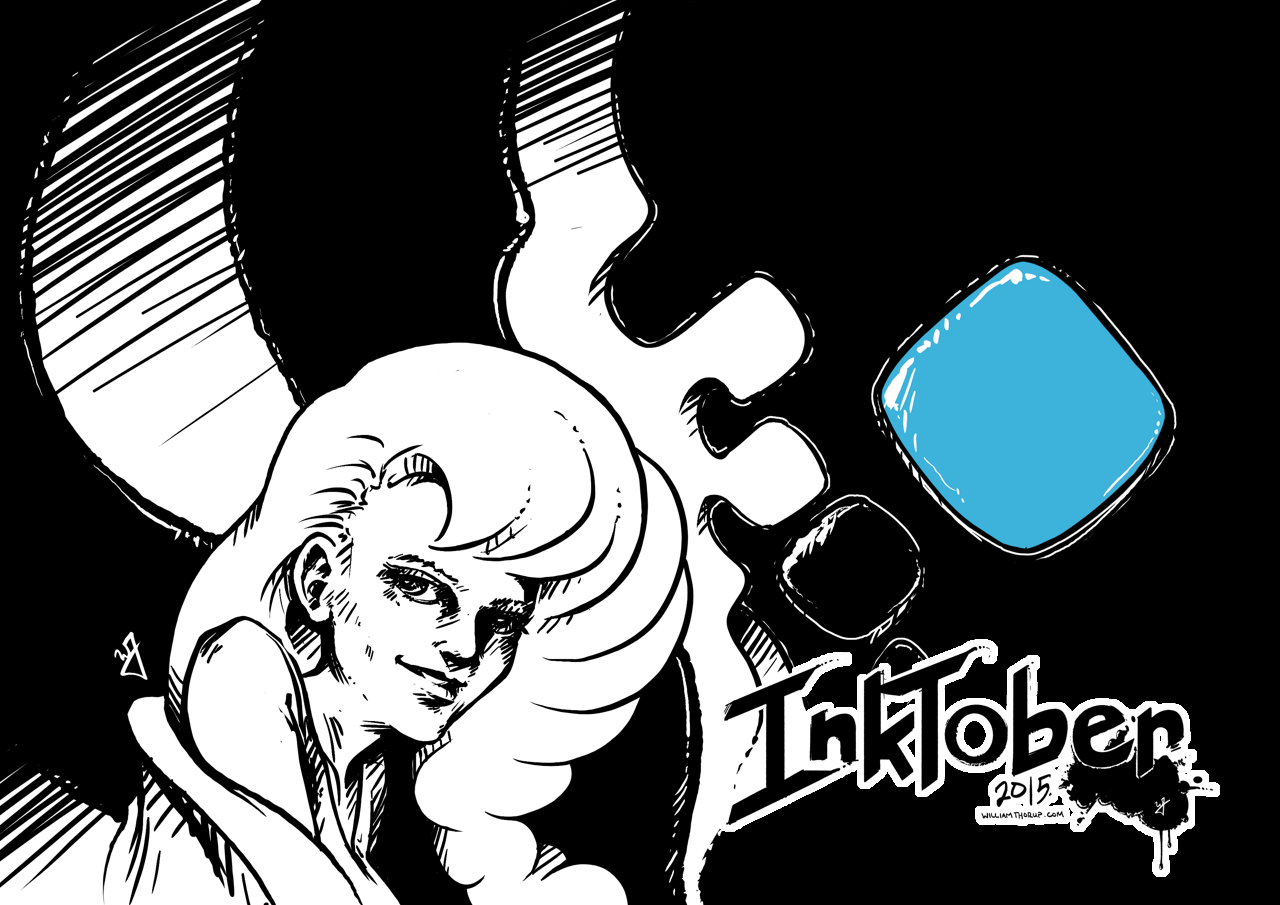
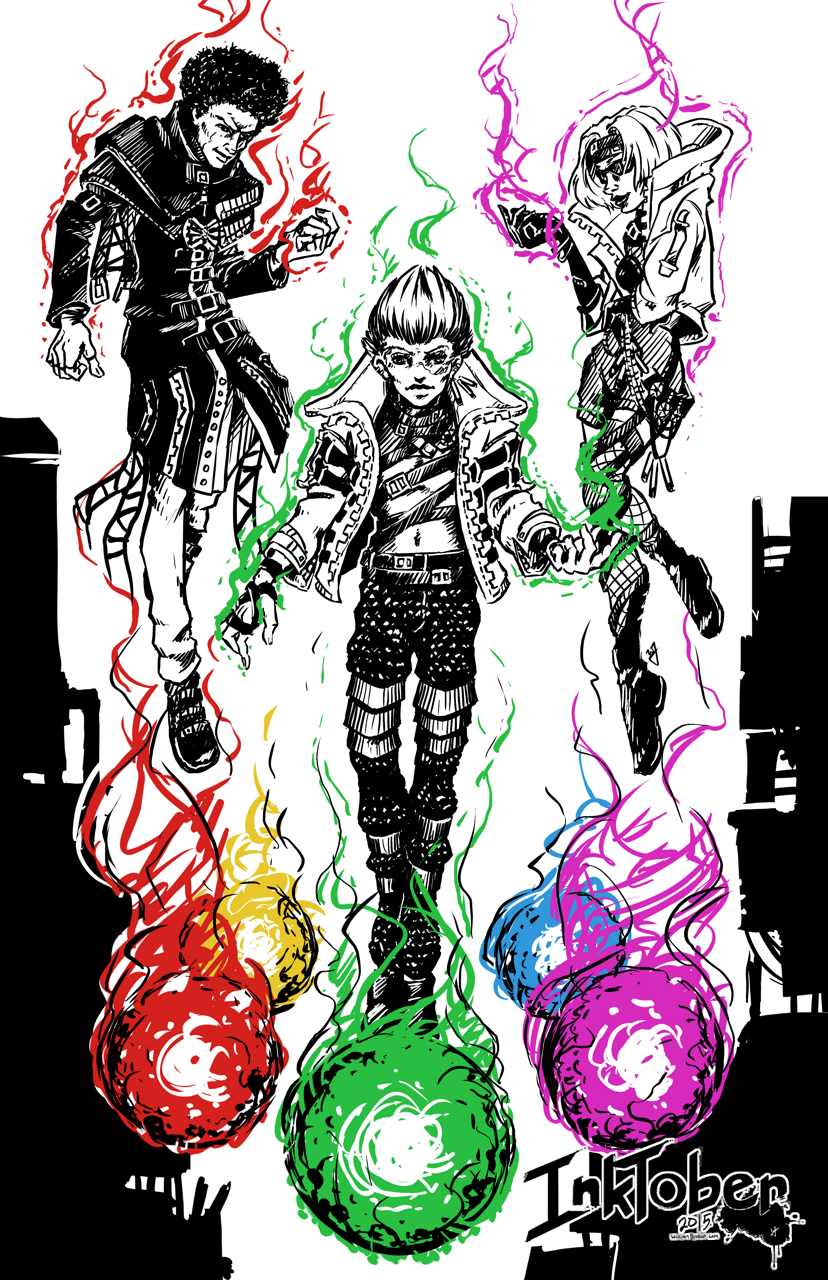
  • INKTOBER 2015 | Finished

    INKTOBER 2015 | Finished

    Here we go. Time to give it a try. Inktober. I have been wanting to do this for the last few years, after my friend Michael Buhler first introduced me to the event. Be sure to check out his blog, as he is currently inking away as well. I think I final have myself worked up enough to carry through the end of the month.

    Inktober_blog_logo_web

    Goals

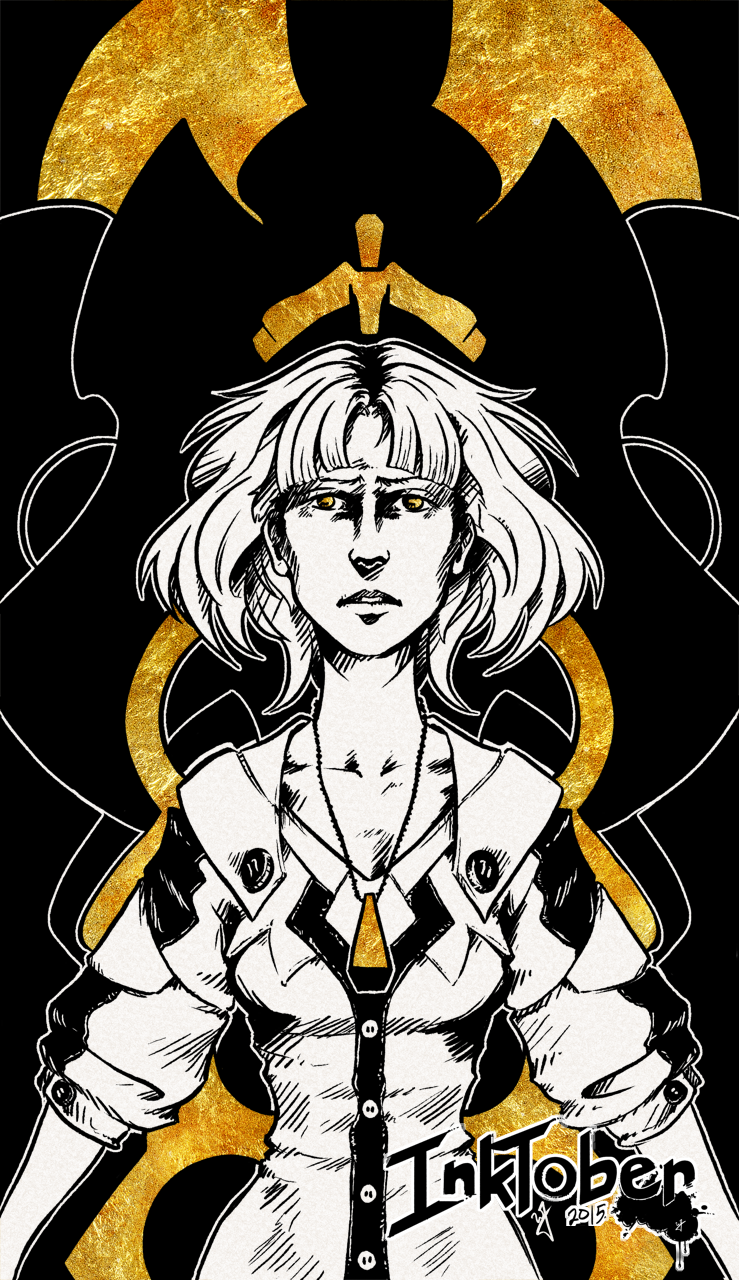
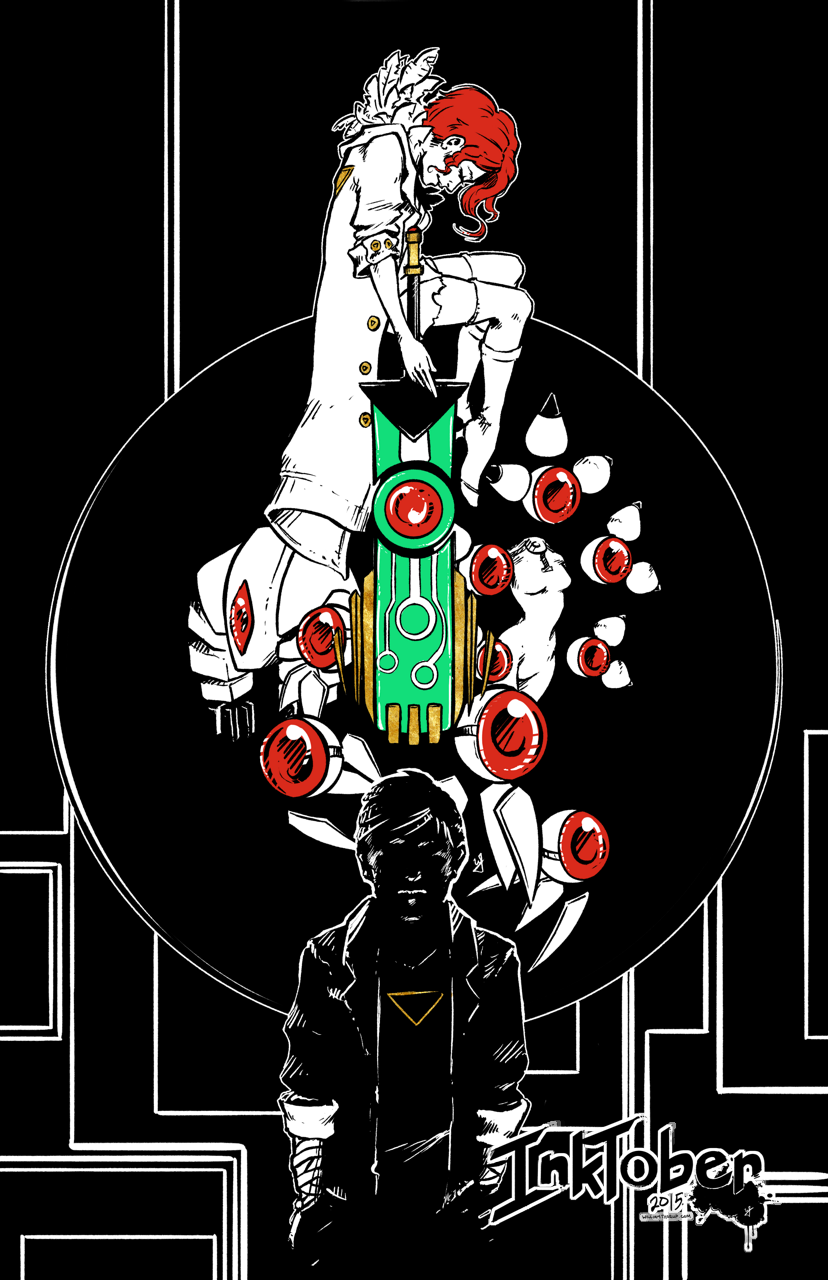
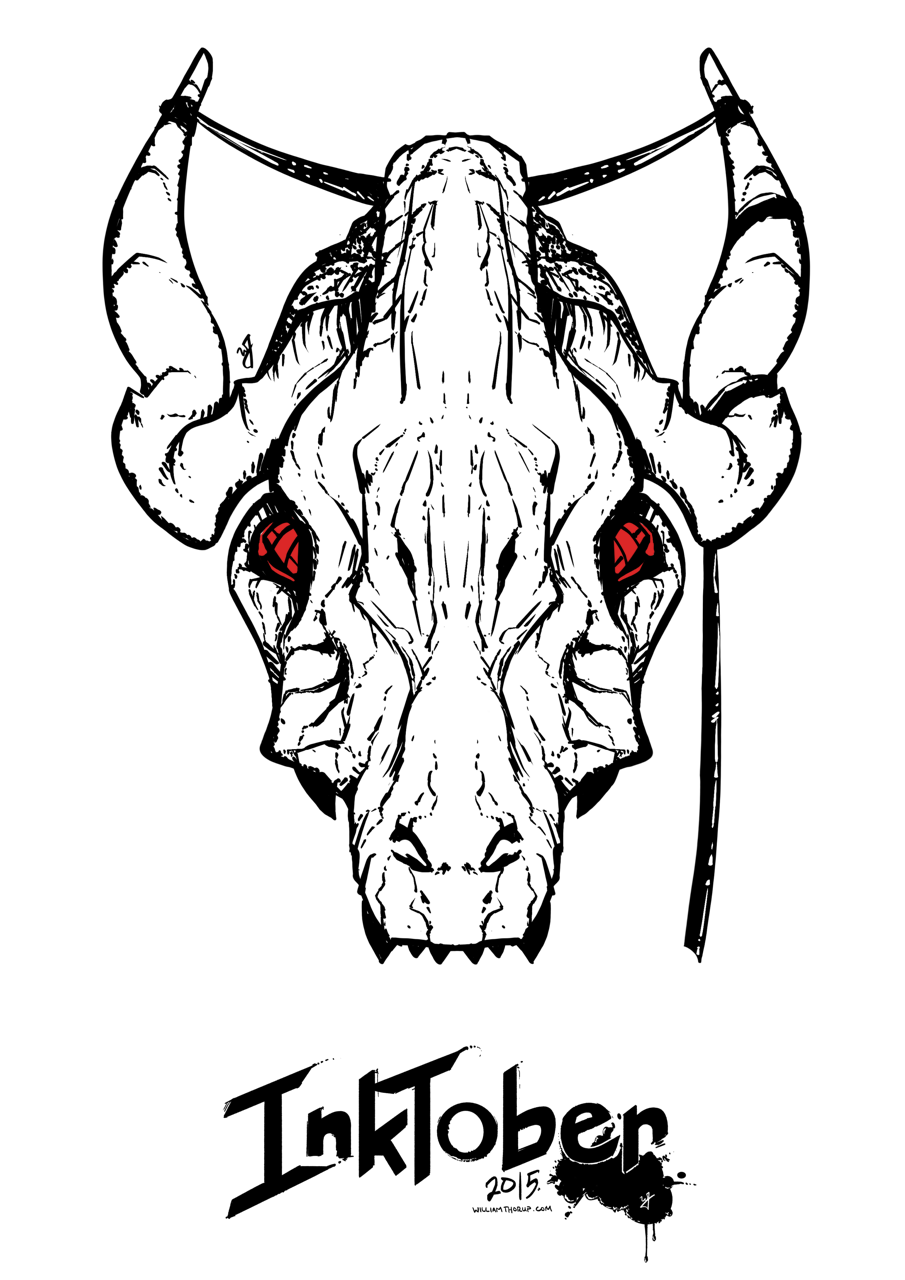
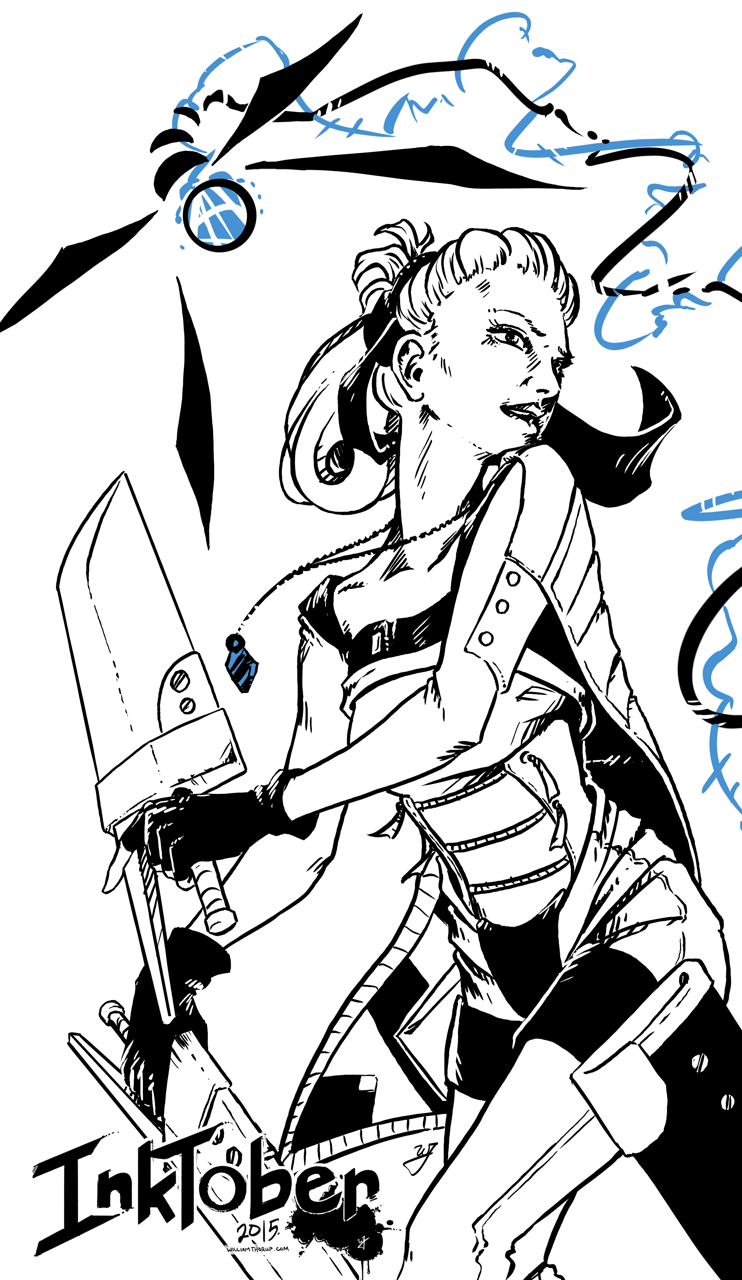
    I think that the only way I am going to see this through is if I set a few goals to help generate ideas, but keep it basic to avoid being too ridged. I want to keep it fun as well. For the sake of keeping my blog clean as well, I will be posting everything in this post, and I will also be sharing out to the Facebook Draw Night group, Google+, Deviant Art and to my Instagram.

    Goal #1 is to produce 10 larger, 11×17 vertical illustrations, for my top 10 video games. I won’t list that here now, don’t want to spoil the surprises to come.

    Goal #2 is 21 other small scale pieces. This can include inked sketches, smaller, and quicker to finish.

    Quick Link List

    A list of what is done, and linked for quick navigation.

    11×17 Fanart Illustrations

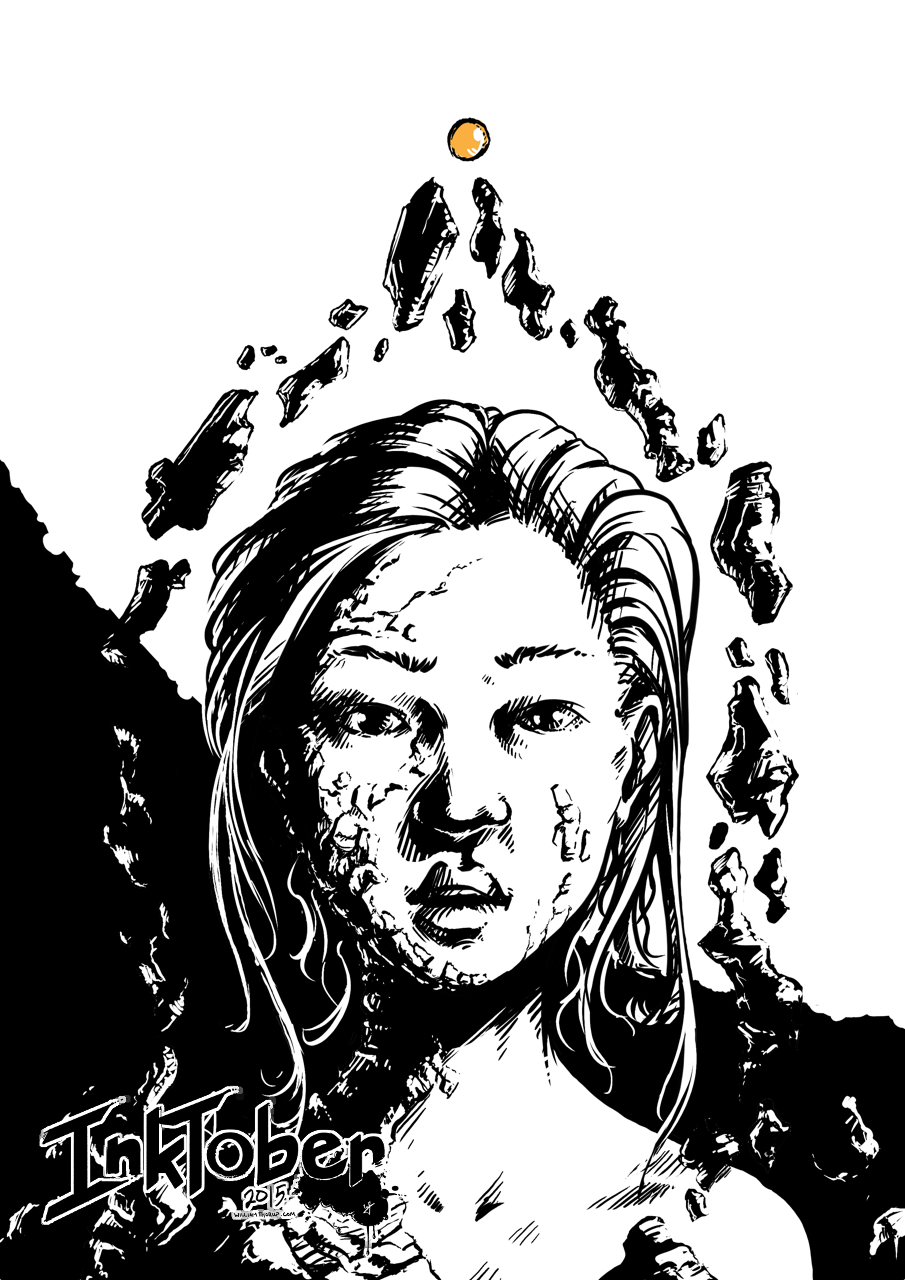
    Day 4 – Transistor
    Day 11 – Phantom Dust
    Day 16 – Tempest 2000
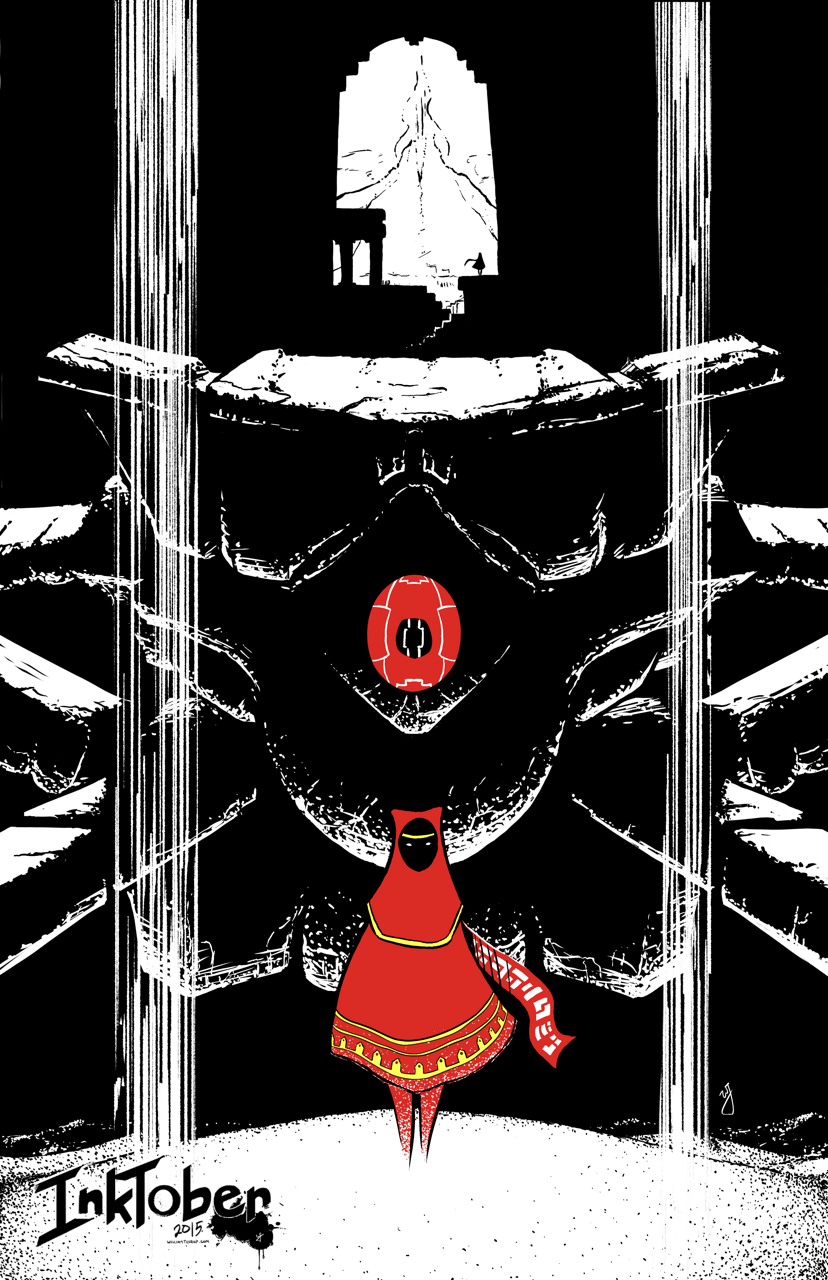
    Day 17 – Journey
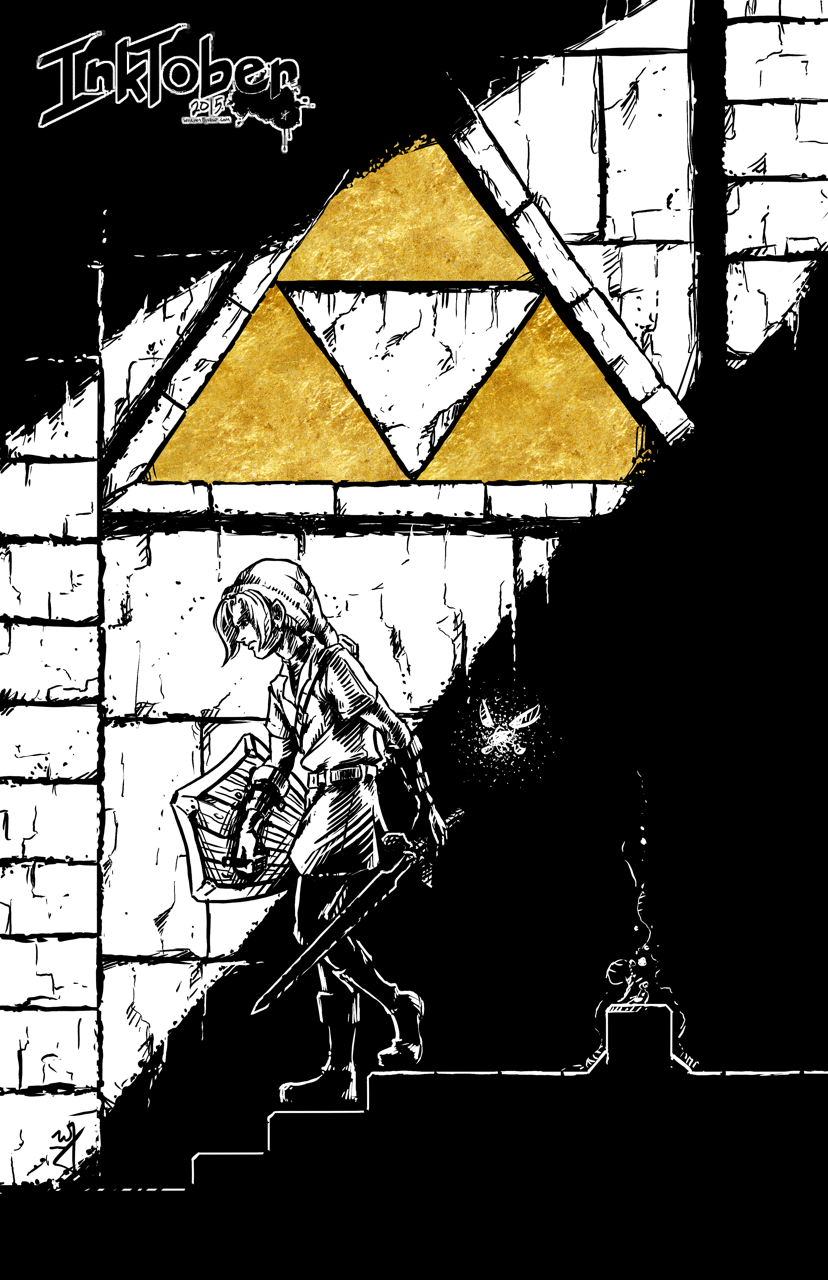
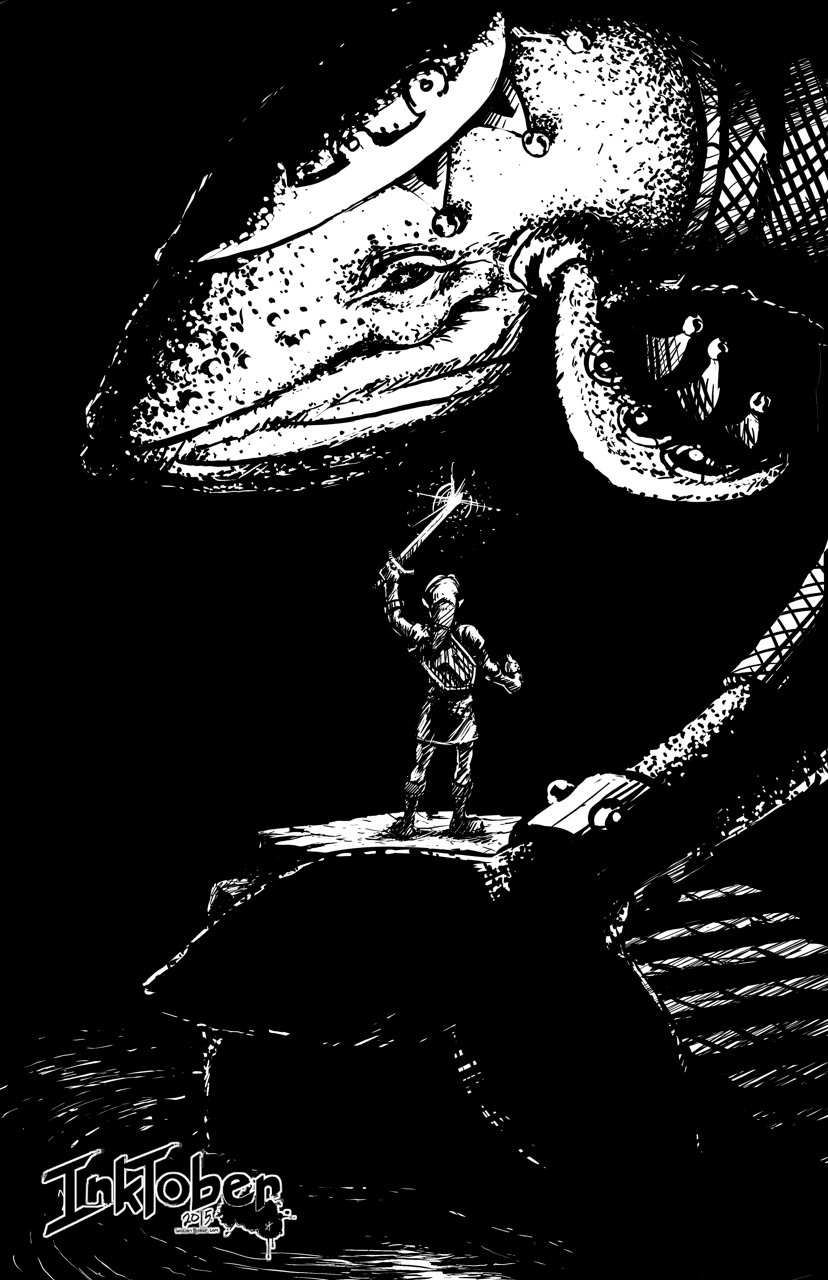
    Day 18 – Adventure of Link
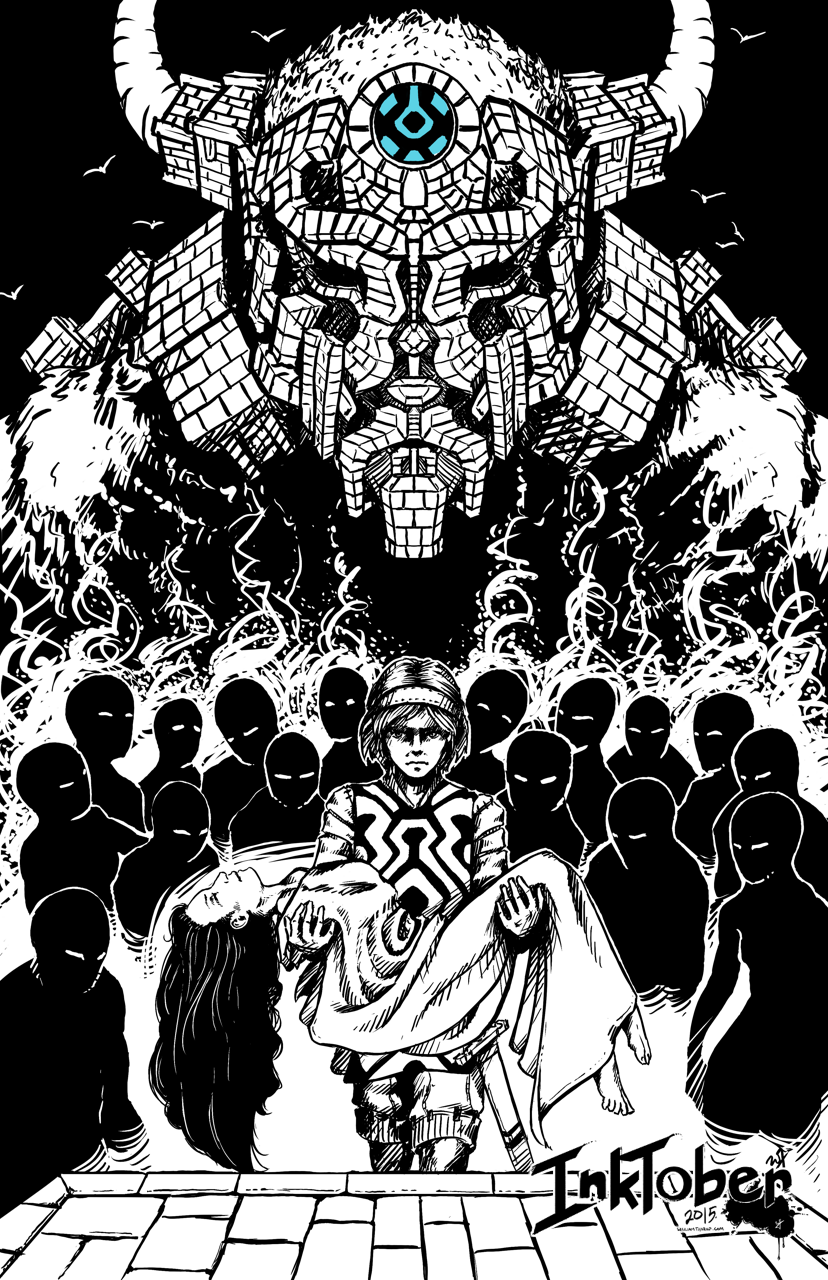
    Day 19 – Shadow of the Colossus
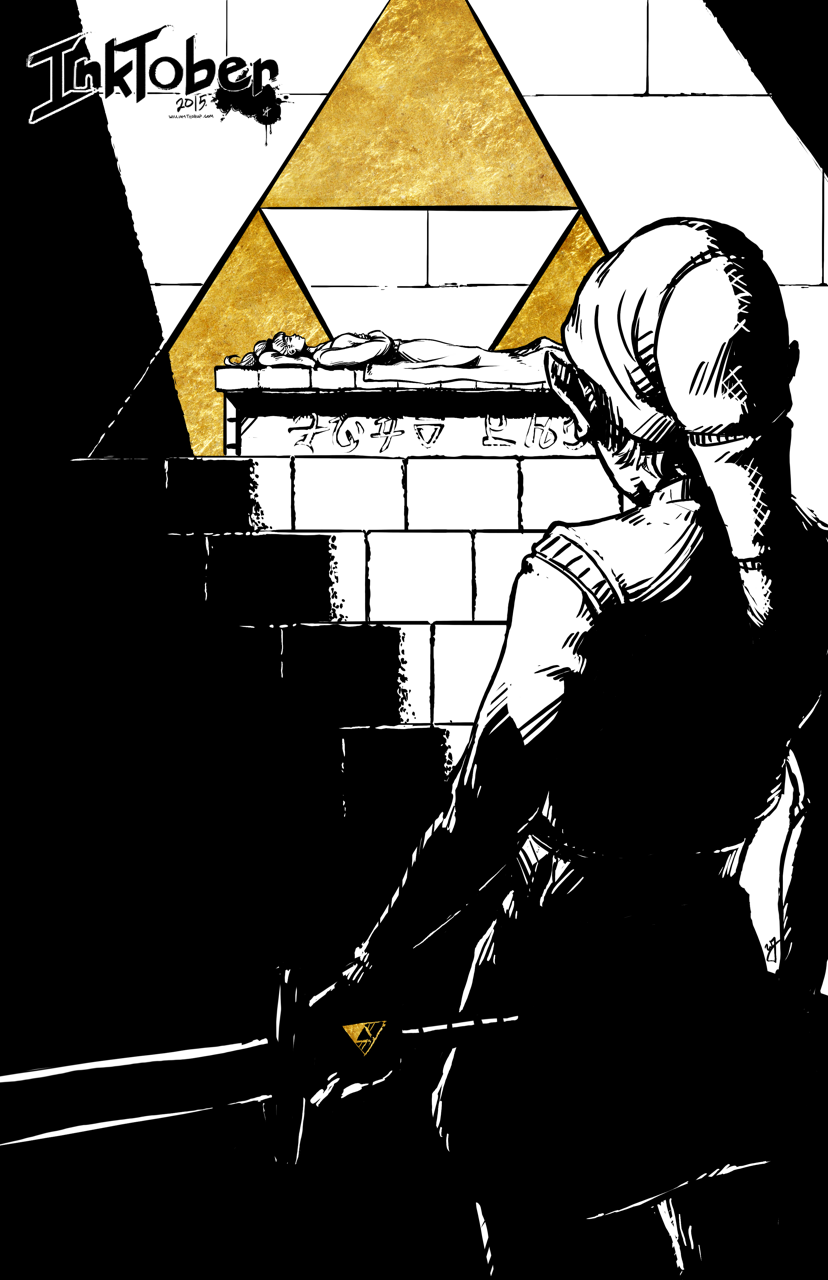
    Day 21 – Ocarina of Time
    Day 29 – Link’s Awakening
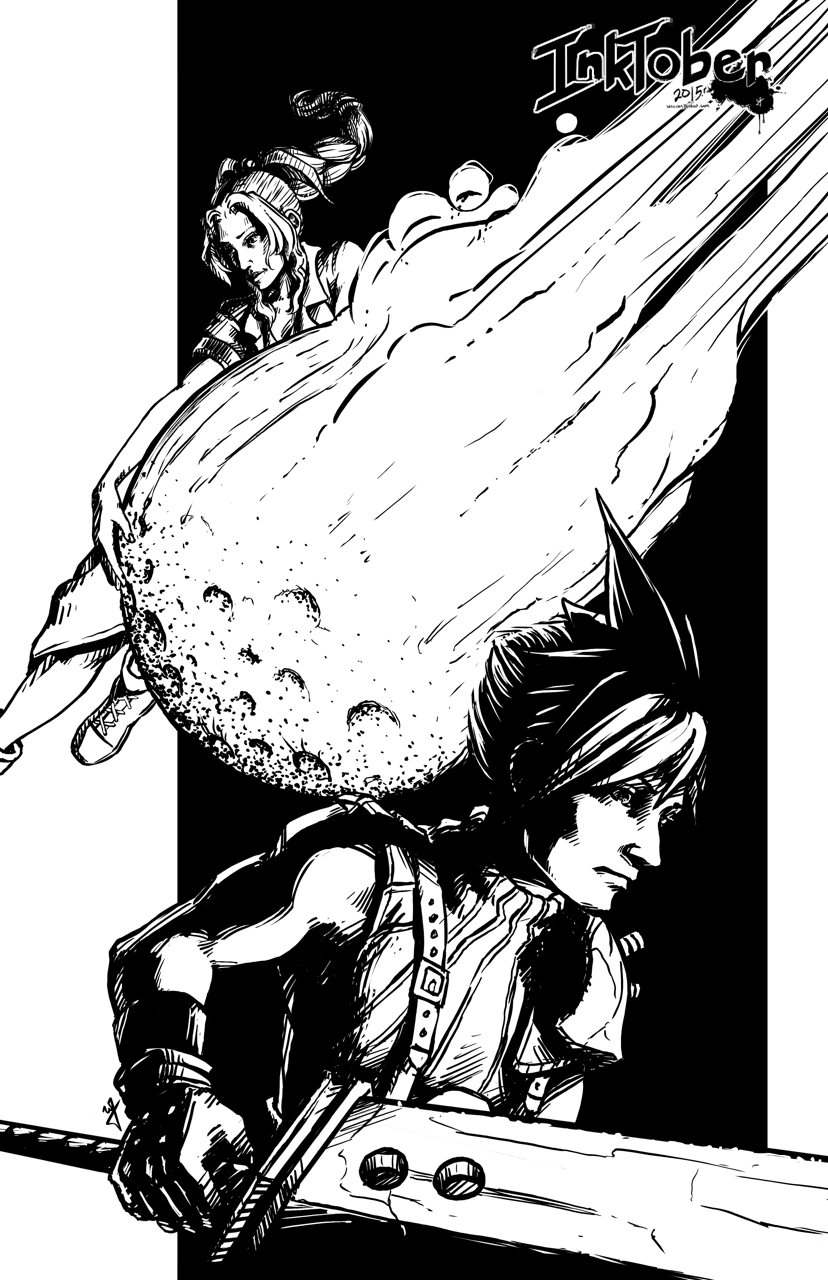
    Day 30 – Final Fantasy VII
    Day 31 – Street Fighter 2010


    Day 13 – “Navigator”
    Day 14 – “Hybrid CI”
    Day 15 – “Checkers”
    Day 20 – “Ambassador”
    Day 22 – “Lighter”
    Day 23 – “From the Depths”
    Day 24 – “Suzzie”
    Day 25 – “Time to Fly”
    Day 26 – “Unwavering”
    Day 27 – “Mouse Thief”
    Day 28 – “Minmei”

    Weekly Time Lapse Video

    Week 1 Time Lapse

    Week 2 Time Lapse

    Week 3 Time Lapse


    Day 1

    Play the Beast


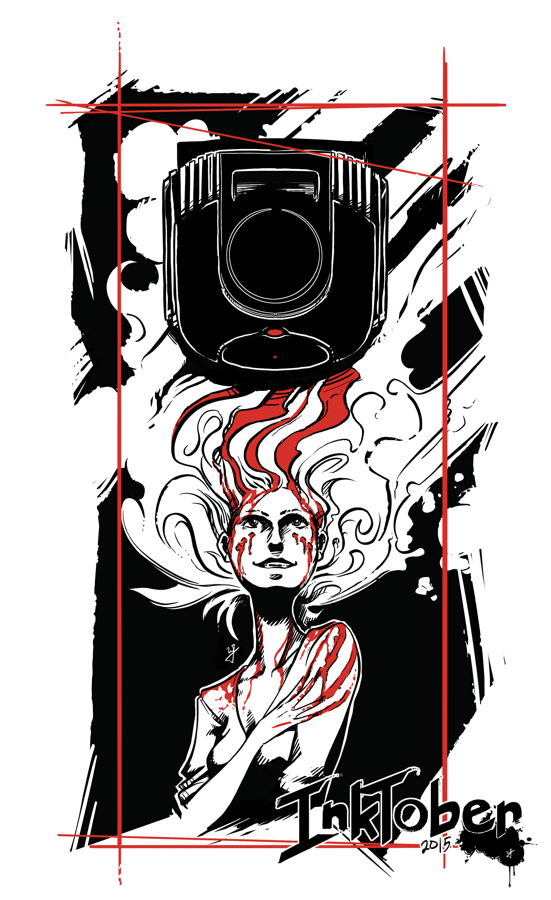
    paint_the_beast_inktober_web


    Day 2

    Another Bullet


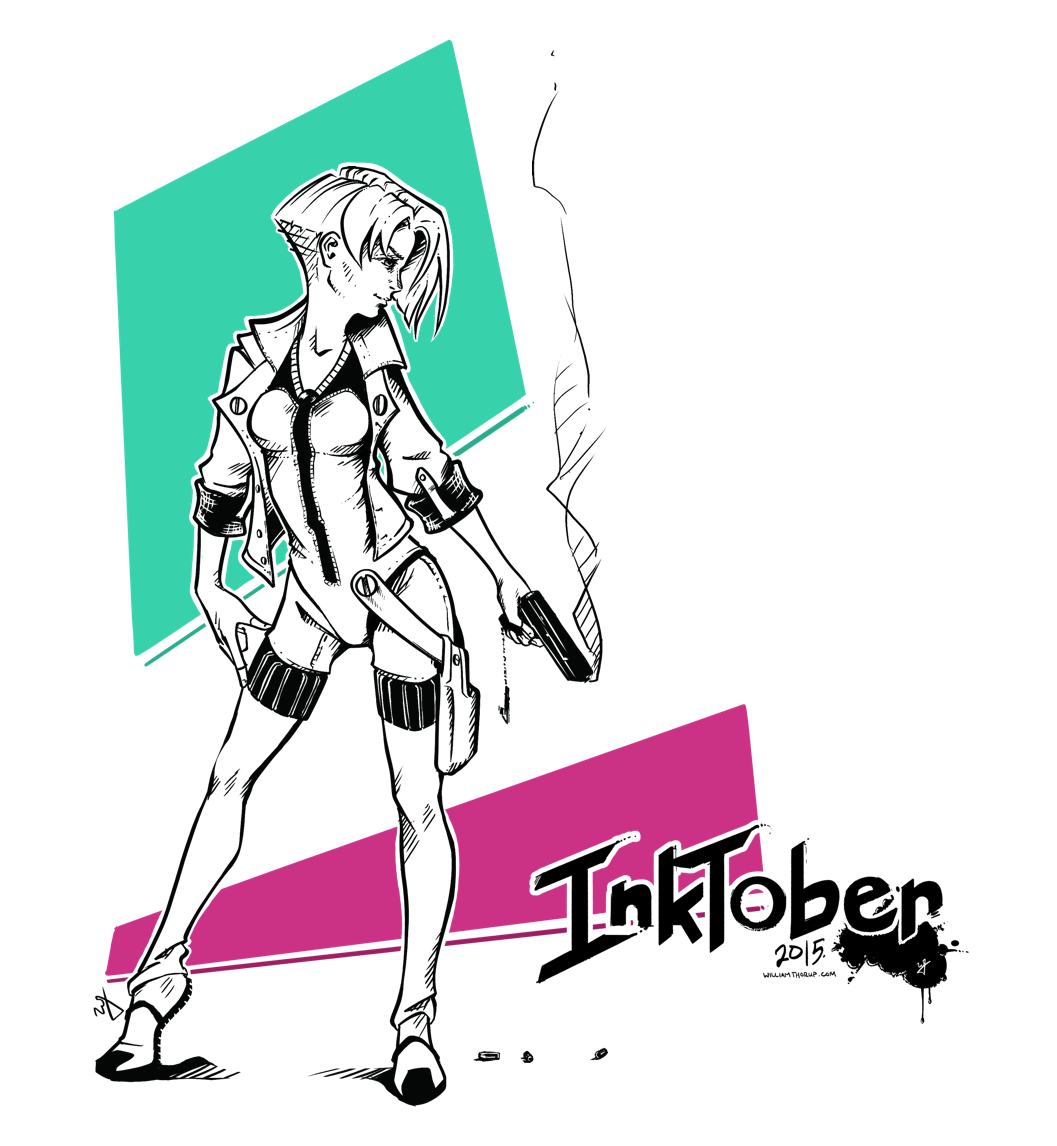
    bounty hunter_inktober_blog


    Day 3

    On the Throne


    on the throne_blog


    Day 4

    Transistor


    transistor_blog


    Day 5

    Gate Keeper


    gate_keeper_blog


    Day 6

    Forgotten Trophies


    forgotten_trophies_blog


    Day 7

    Fighter


    fighter_blog


    Inktober – Week 1 – Time Lapse


    Day 8

    Push the Button


    dots_blog


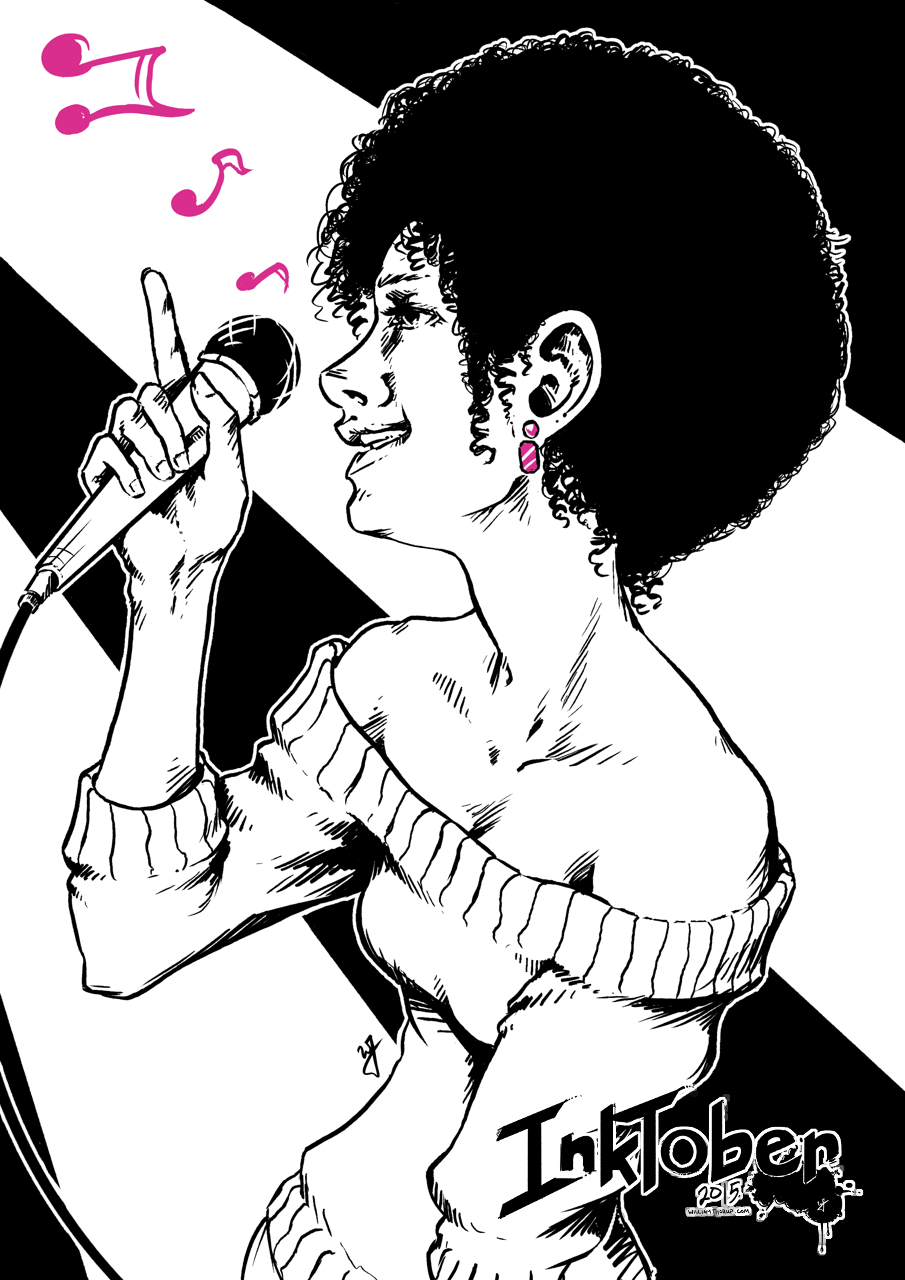
    Day 9

    Just a Few Notes


    disco_singer_blog


    Day 10

    Distilled


    distilled_blog


    Day 11

    Phantom Dust


    Phantom_Dust_blog


    Day 12

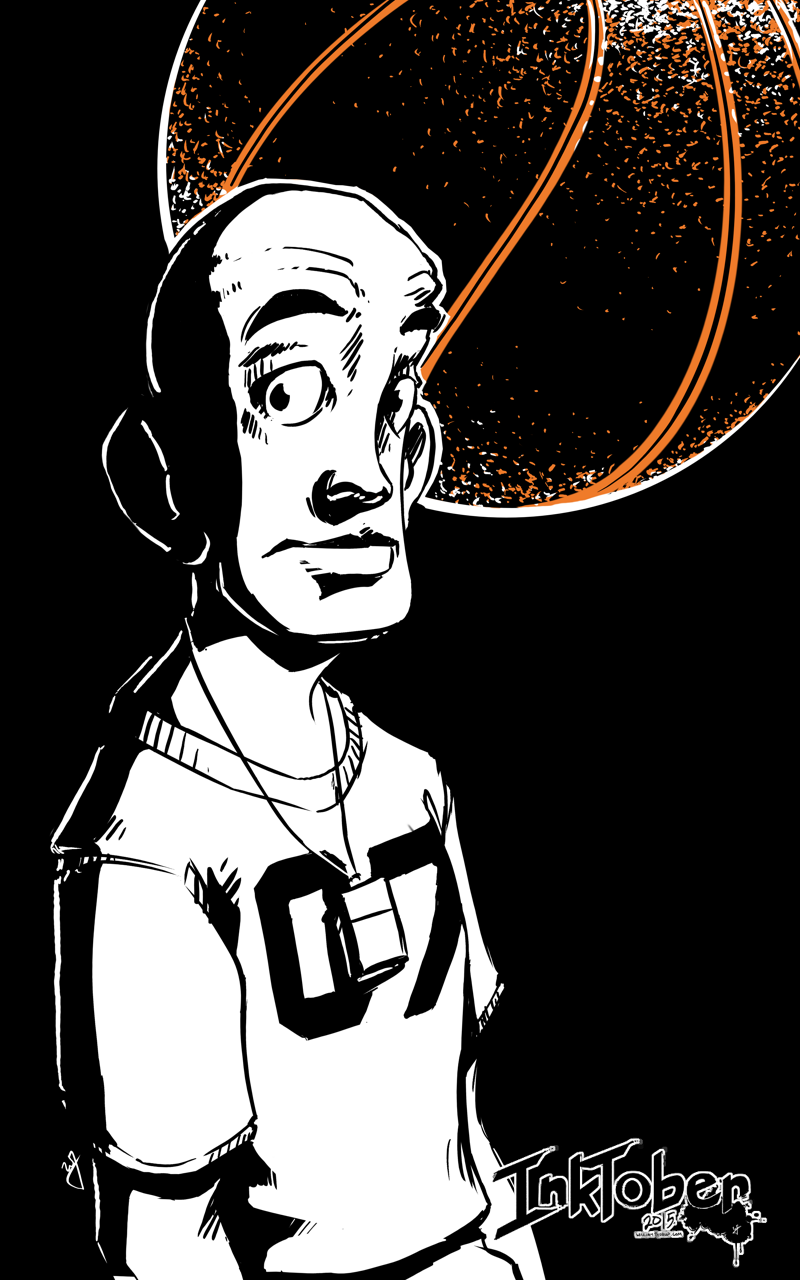
    Potential Baller


    baller_web


    Day 13

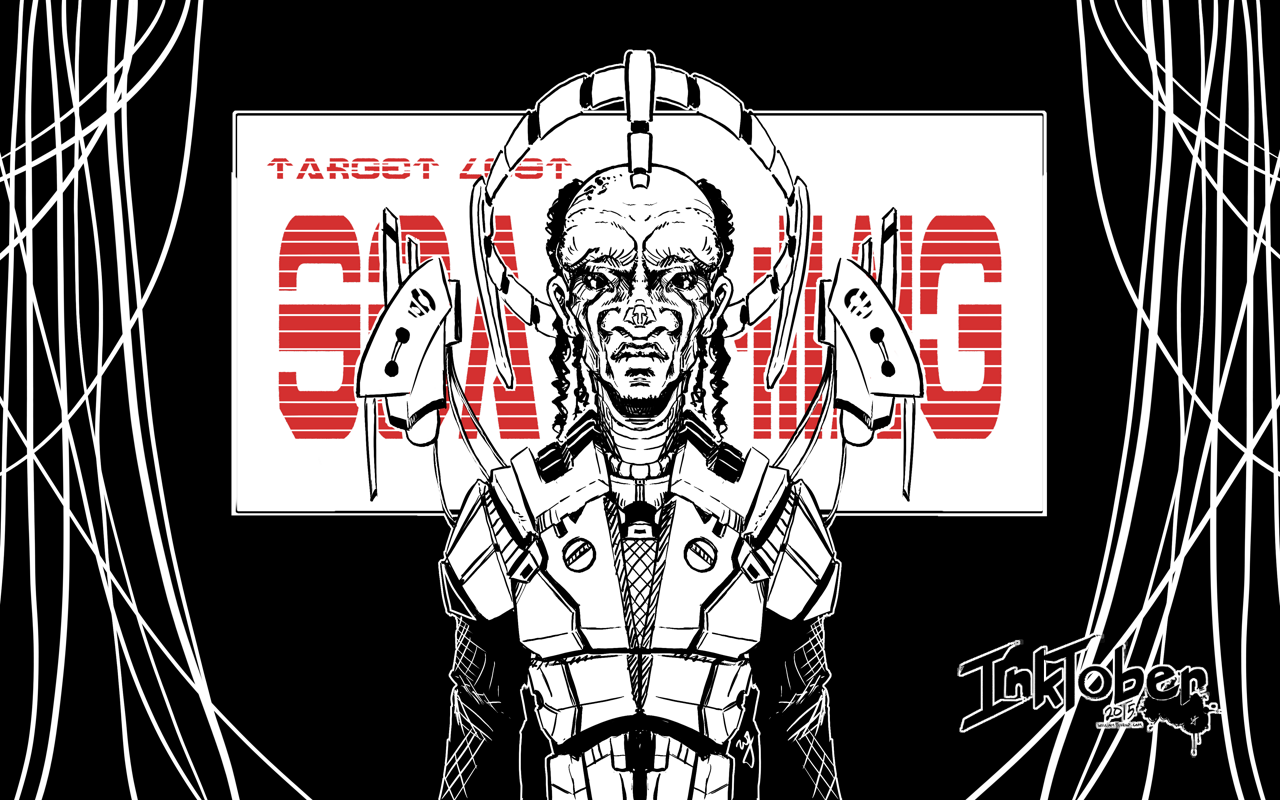
    Navigator


    navigator_blog


    Day 14

    Hybrid CI


    hybrid_CI_blog


    Inktober – Week 2 – Time Lapse


    Day 15

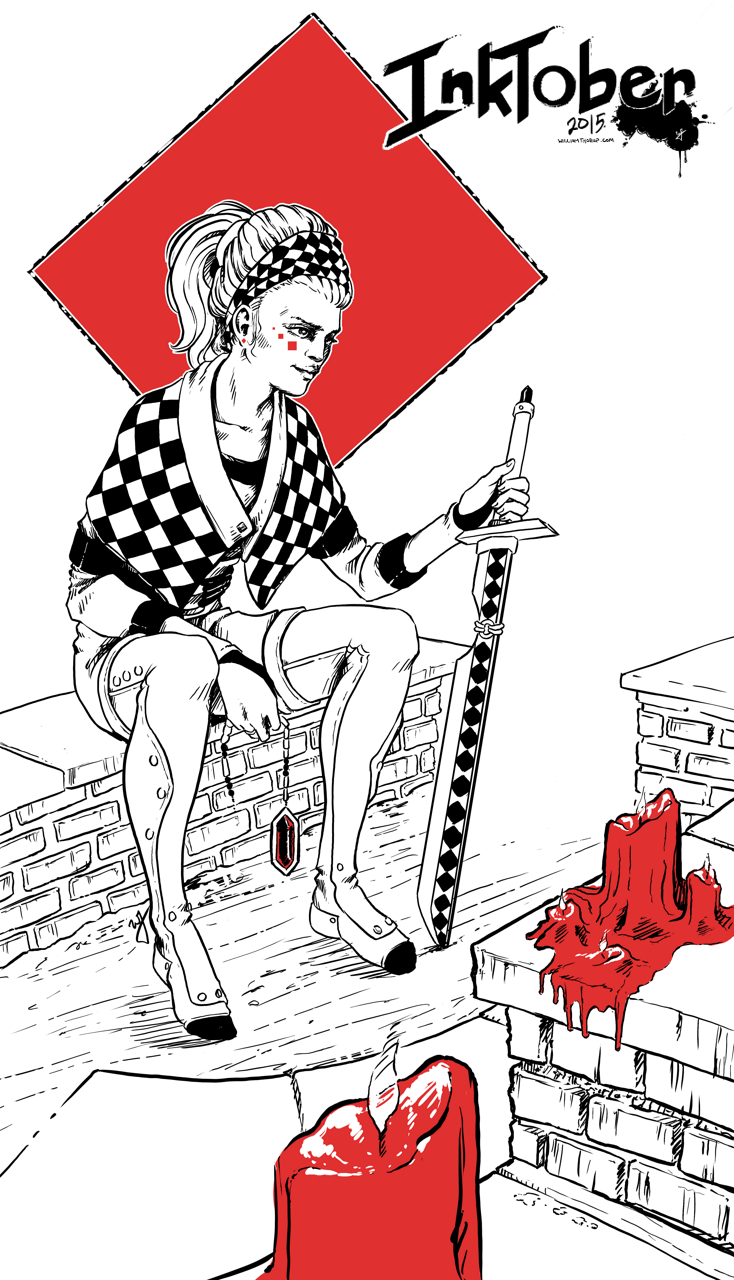
    Checkers


    checkers_blog


    Day 16

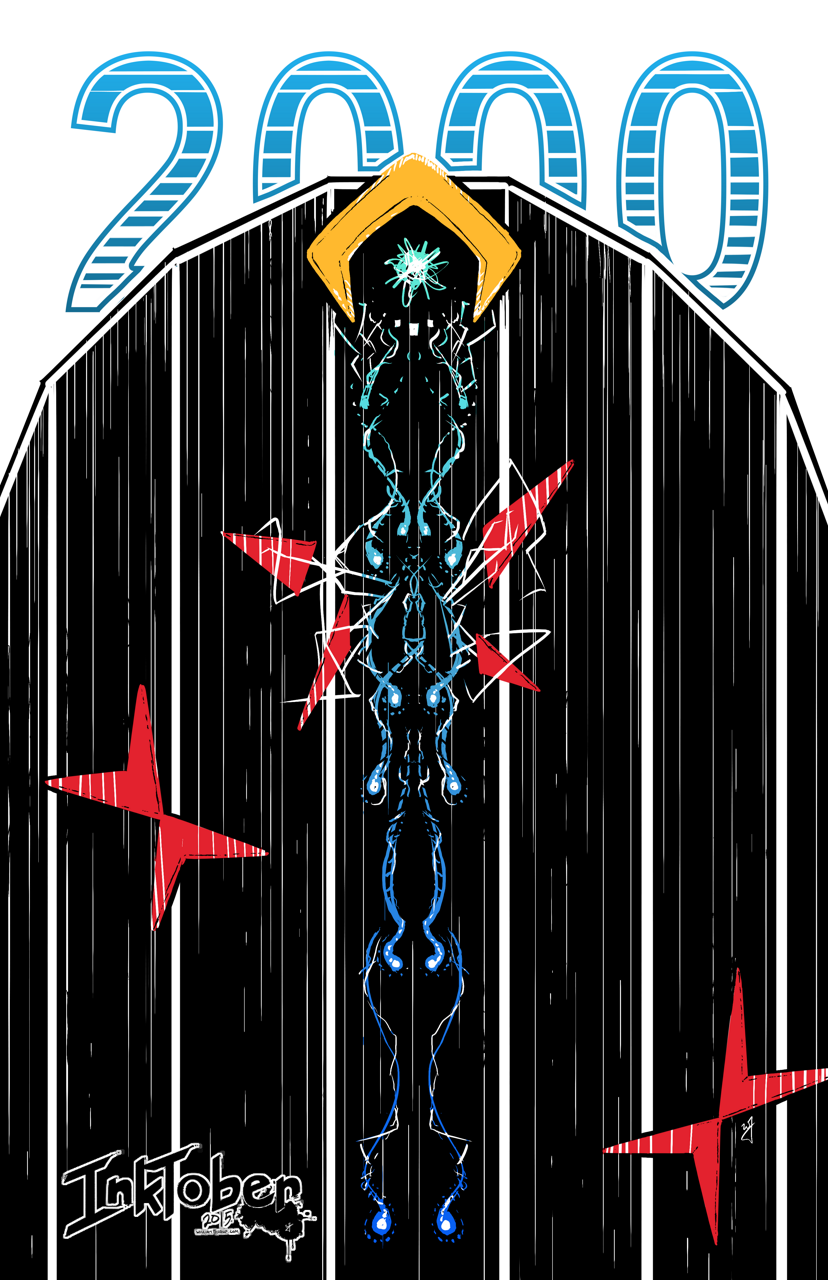
    Tempest 2000


    tempest_2000_blog


    Day 17

    Journey


    journey_blog


    Day 18

    Adventure of Link


    adventure of link_blog


    Day 19

    Shadow of the Colossus


    shadow_of_the_collossus_blog


    Day 20

    Ambassador


    ambassador_blog


    Day 21

    Ocarina of Time


    Ocarina of Time_blog


    Inktober – Week 3 – Time Lapse


    Day 22

    Lighter


    lighter_blog


    Day 23

    From the Depths


    from the depths_blog


    Day 24

    Suzzies


    suzzie_blog


    Day 25

    Time to Fly


    Its_time_to_fly_blog


    Day 26

    Unwavering


    unwavering_blog


    Day 27

    Mouse Thief


    mouse theif_blog


    Day 28

    Minmei


    minmei_blog


    Day 29

    Link’s Awakening


    08_links akwakening_blog


    Day 30

    Final Fantasy VII


    final fantasy 7_blog


    Day 31

    Street Fighter 2010


    Street Fighter 2010_blog


  • Star Wars: Legacy of the Force – Fan film – Happan Ambush CG Sequence

    Star Wars: Legacy of the Force – Fan film – Happan Ambush CG Sequence

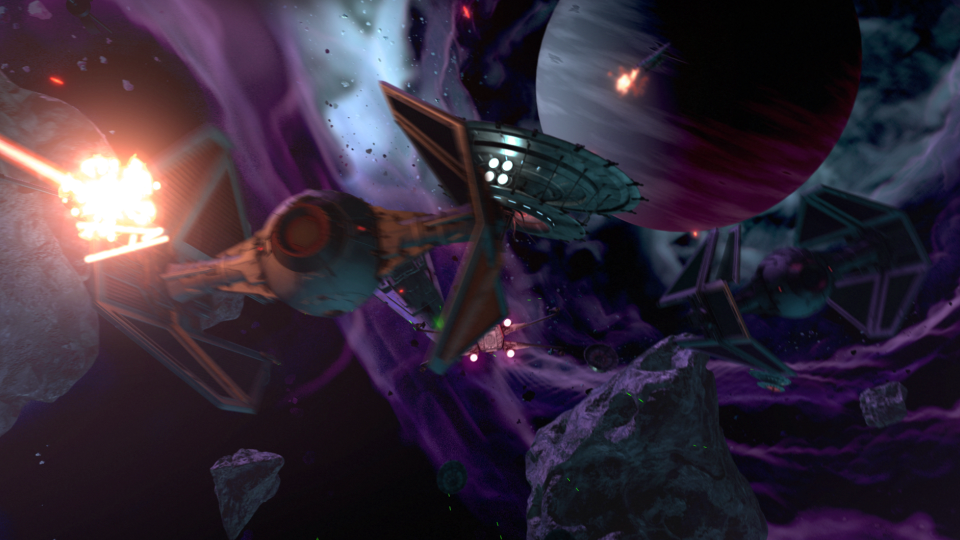
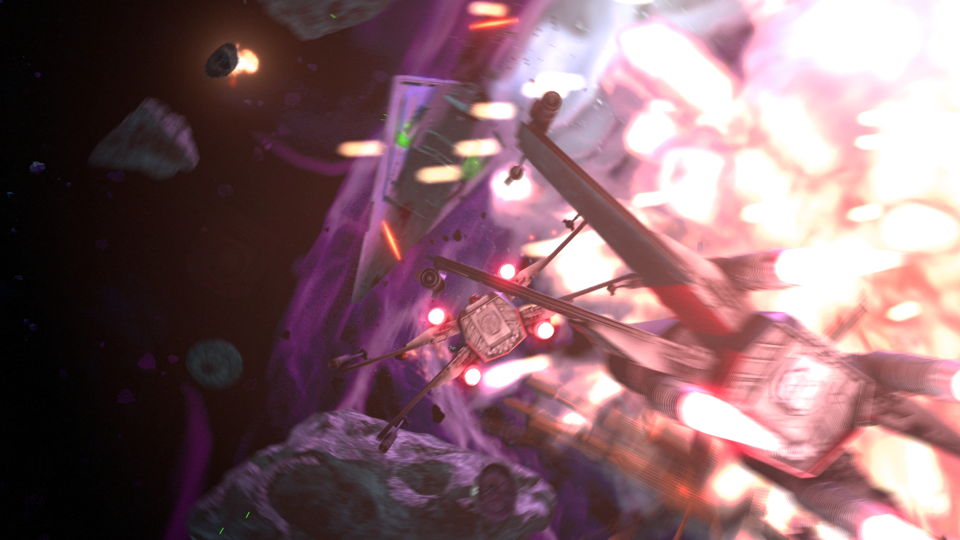
    This post has been a long time in the making. Some time around the beginning of February of 2015, we approached the James brothers ( a utah local film crew, and artists) who currently involved with a locally made Star Wars Fan film called “Star Wars: Legacy of the Force”, primarily produced by Tye Nelson and directed by Danny James. We asked if they might have something that we could work on in regards to VFX, and they had something big that needed work on.
    A quick thank you to Jacob Thorup and Bryce Thorup for letting me work on this at work, and also for providing critique. Micheal and Heather Buhler for their feedback. And finally Tye Nelson and the James brothers for allowing me to work on this project. Thank you!

    (Note, my details about what has happened in the production are very slim, I was third-party primarily, and most of my details come from conversations and emails from both the James brothers and Tye Nelson.)

    Be sure to watch the whole film at legacyoftheforcefanfilm.com

    The Proposal

    At this point in production of the fan film, everything was shot, and basic edits had been put together. This rough cut also featured a rough intro battle sequence which was strictly CG. You can see a what this looked like through this video at the 00:09 second mark, hosted on the creator’s channel. The producers and directors were not completely satisfied by this product, that was produced by another artists, other than myself. Because of this, the James Brothers offered to have me take a shot at it. I said yes.
    In case you don’t wish to spend the time to go through the rest of the article, I put together a quick video that goes through a bit of the development process, along with a break down of the final shot.
    Pre-Production

    So began a fun, frustration, enlightening, and enjoyable adventure of the most complicated CG shot I have done to date. I used Blender as my primary tool, and I eventually moved into After Effects for my final compositing.

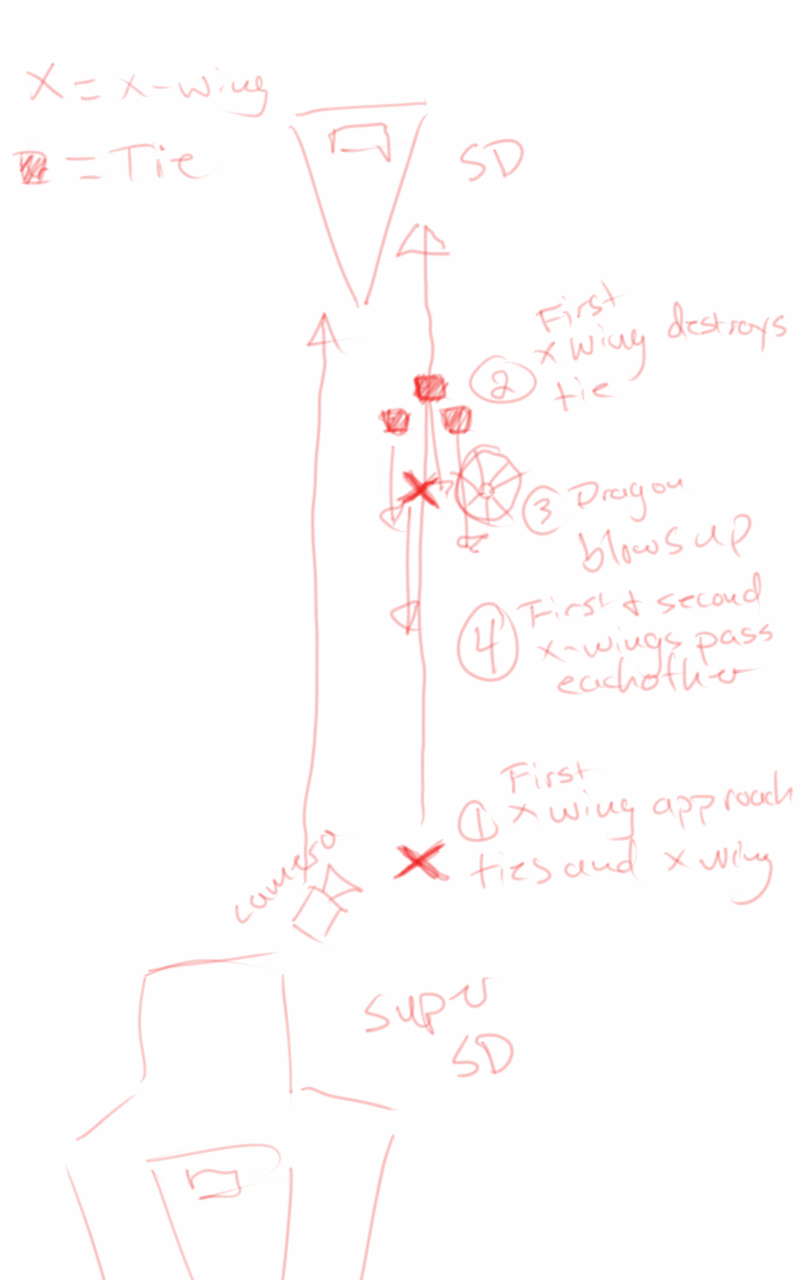
    Based on some notes from the James Brothers I began reworking the current sequence to be something a bit more dynamic and interesting. I started off with just a small piece of artwork produced for the Star Wars official card game, and with some ideas of making it look like the fight was taking place just in upper orbit around a planet.


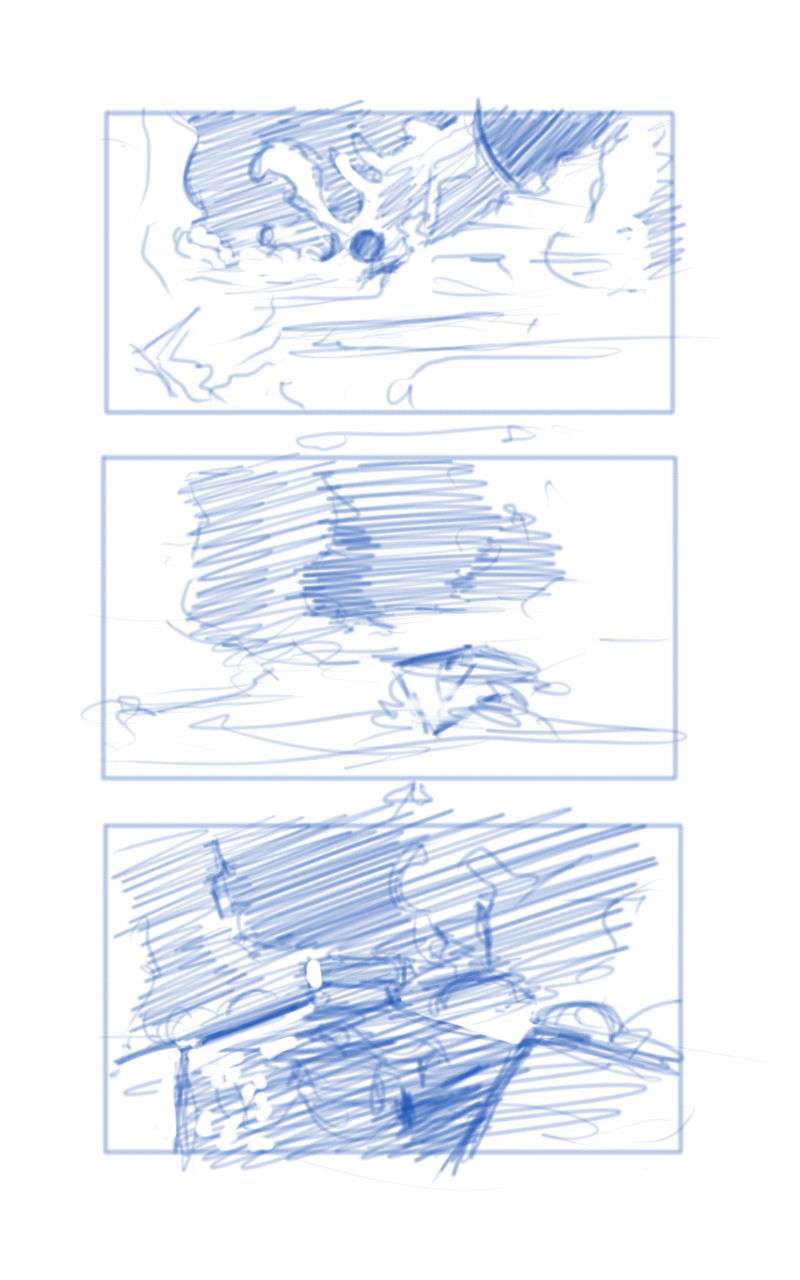
    animatic_1_1animatic_1_2animatic_1_3animatic_1_4animatic_1_5


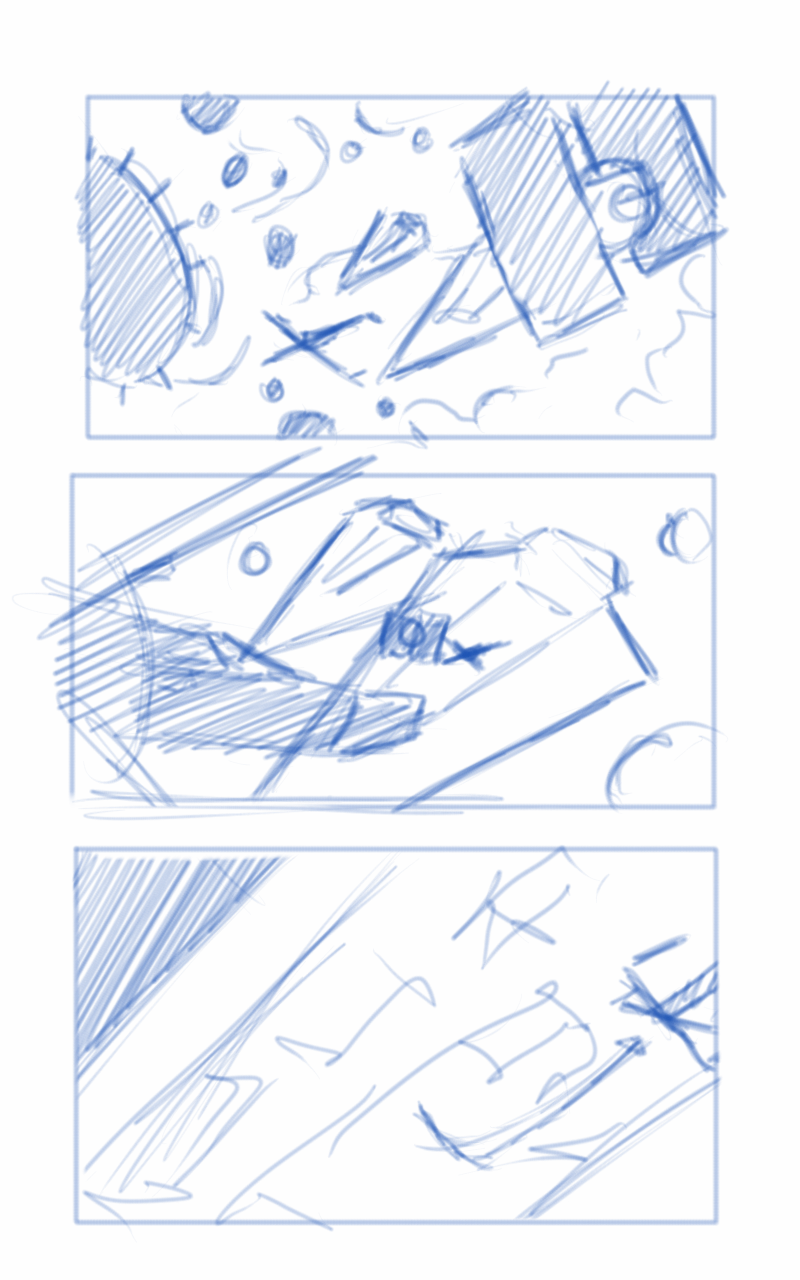
    This is where the first animatic came into play. This was largely shooting from the hip, and I put a little too much effort into the background and lighting, which should have been left for later in the process. I enjoyed this idea, but it wasn’t what the producer was looking for at the end of the day. It was ultimately scrapped.

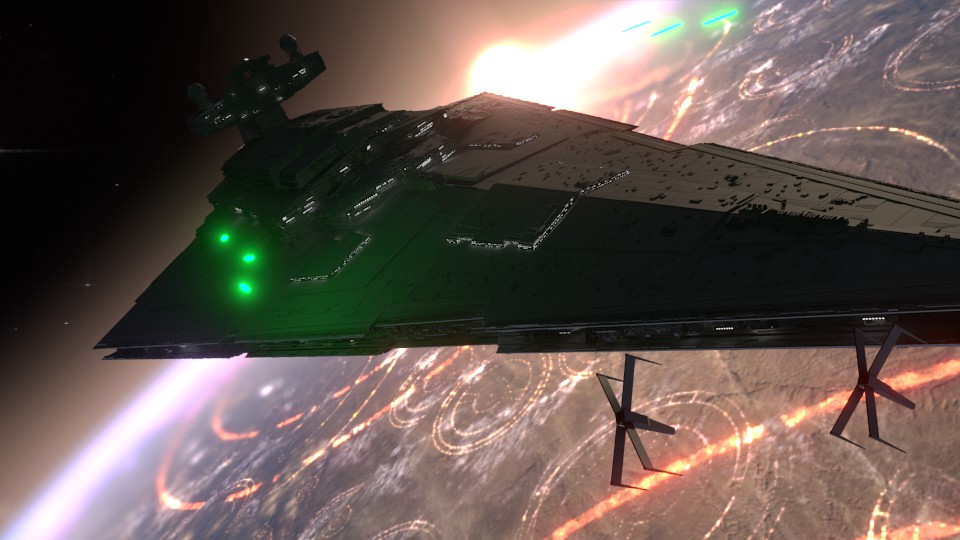
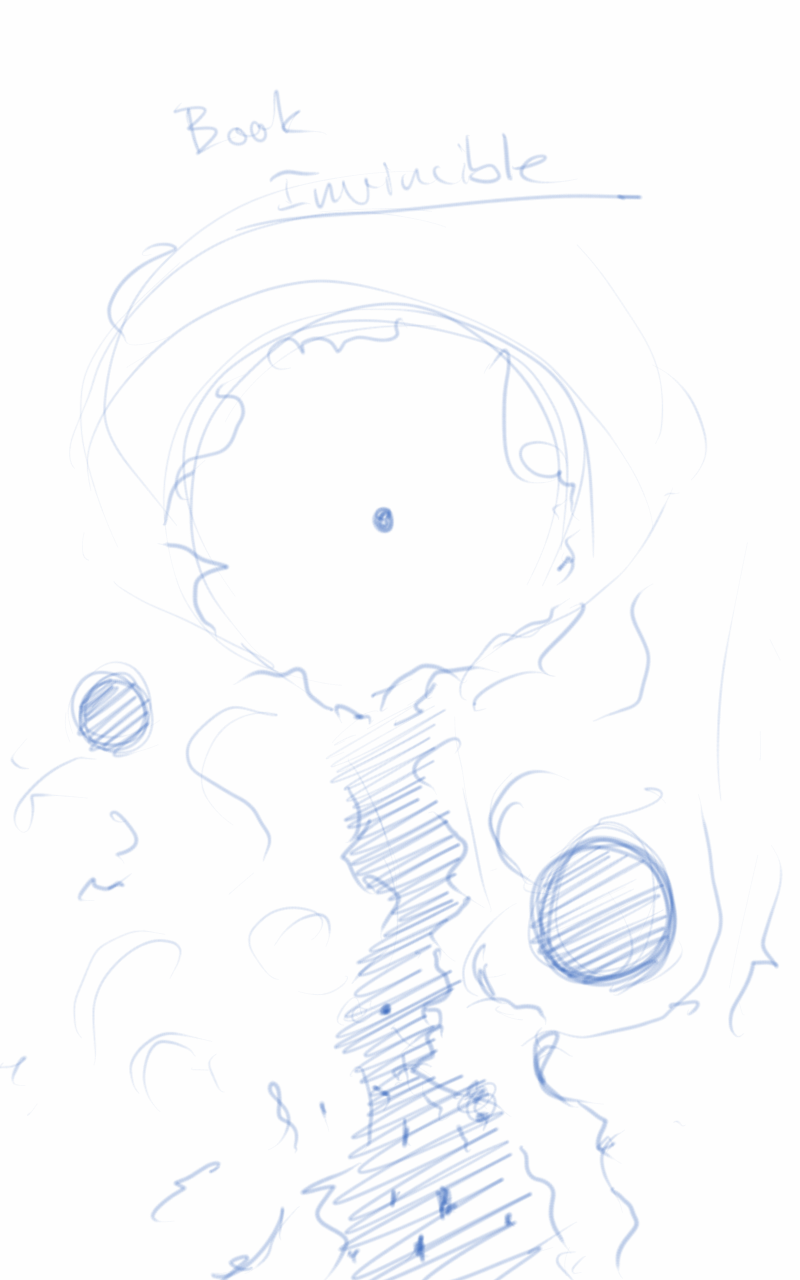
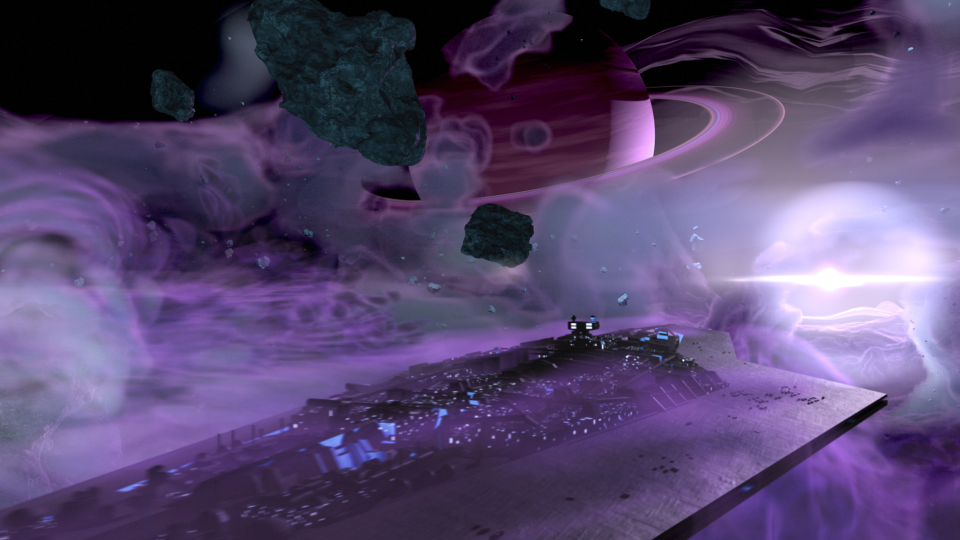
    The second animatic took to the original sequence, and basically mimics it for the most part. I decided to adjust the introduction of the Super Star Destroyer, as I thought a rising from the dark mists would feel a bit more ominous, and letting the viewer take in its vast size would help to maintain the brooding force that it is.


    conceptart_1conceptart_2conceptart_3conceptart_4conceptart_5


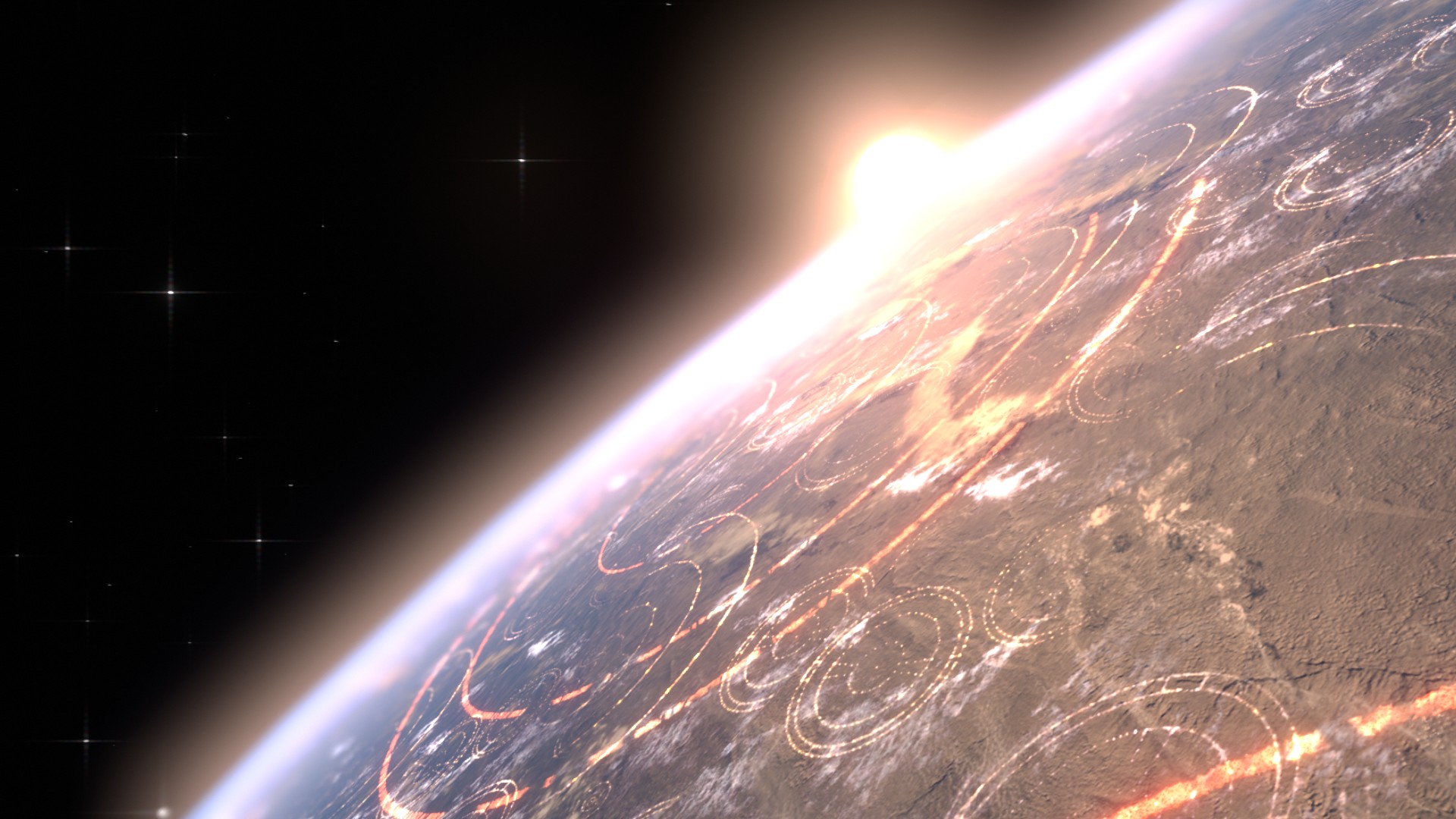
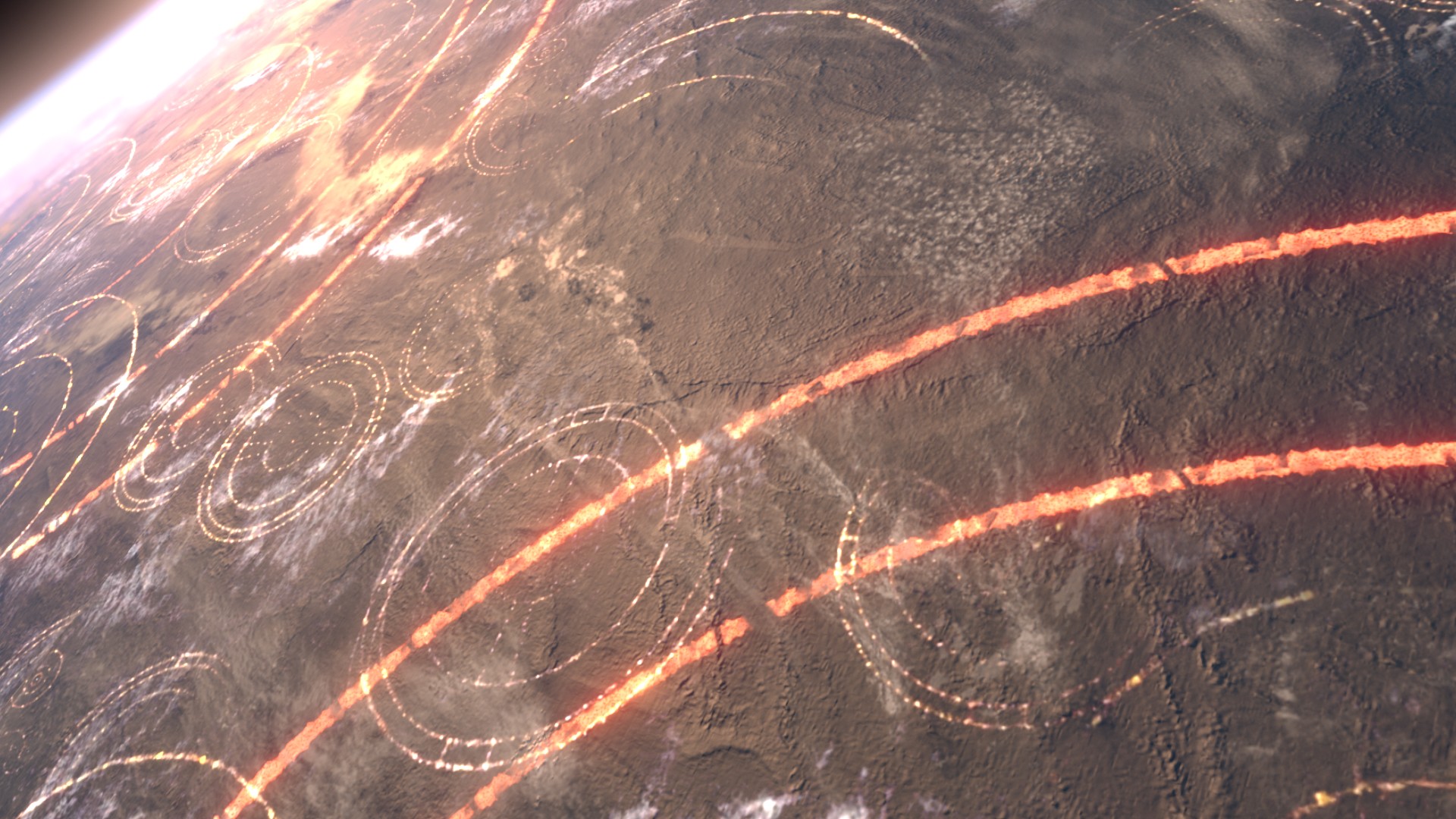
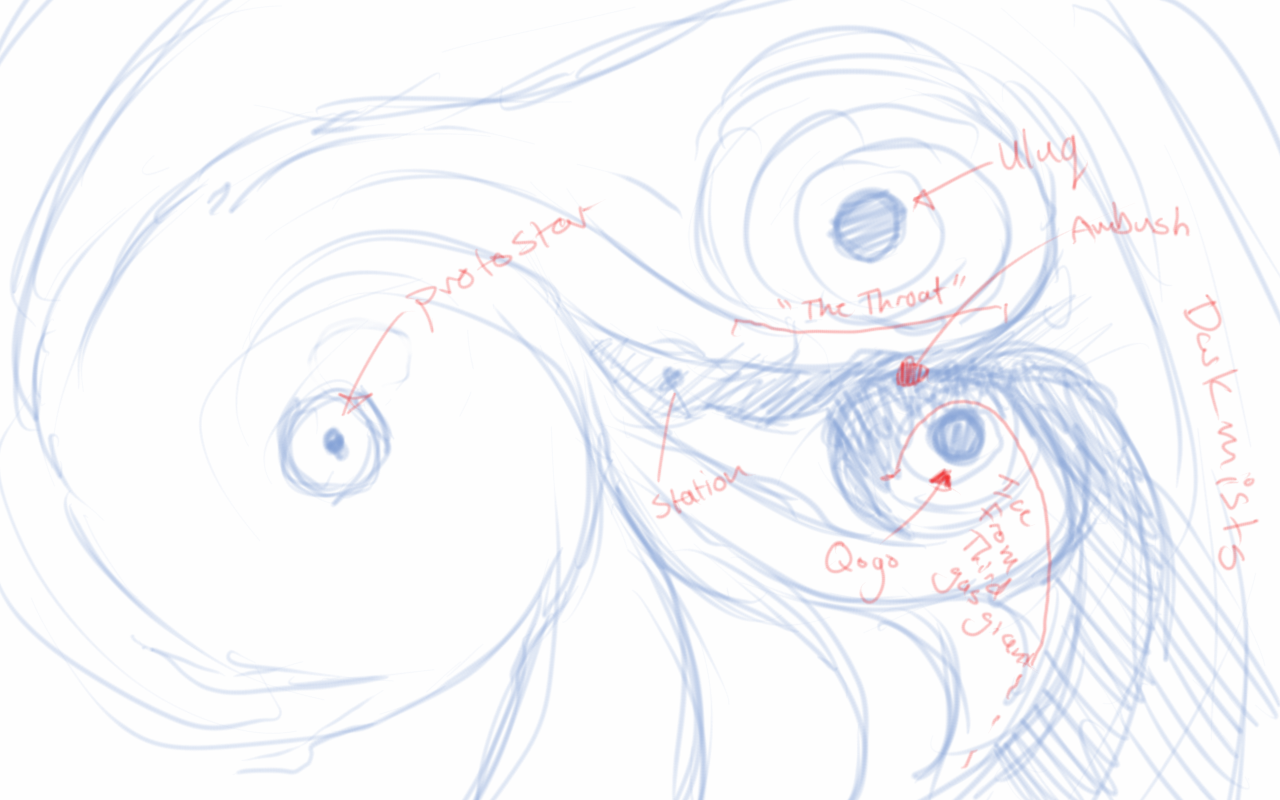
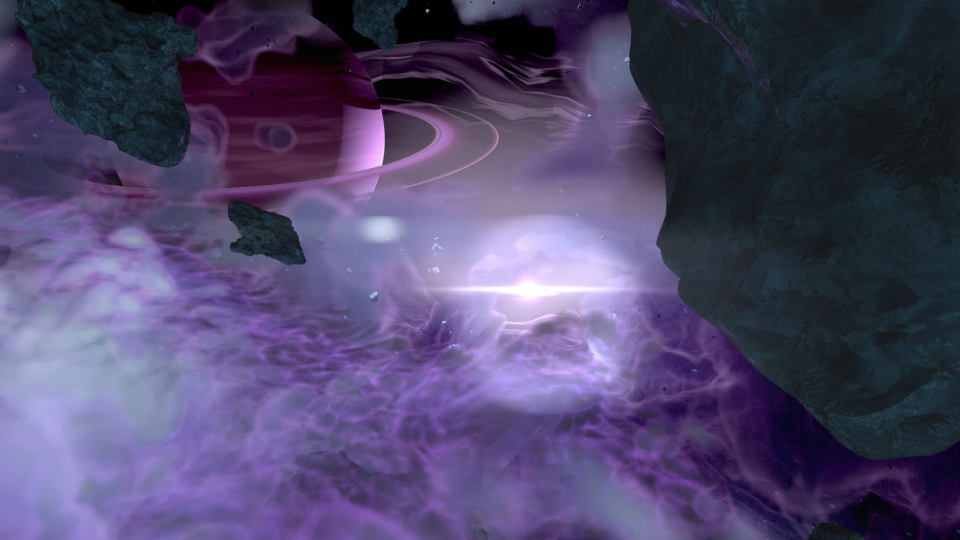
    The third animatic is much more refined. If I remember correctly, I had been given source material to work with, and I had already begun creating the environment at based on that material. In essence, the environment was created by one gas giant colliding with another, creating a large mass of debris and material between the remaining two gas giants. These all orbited around a proto-star. The source materials paints a darker environment on the page. I deviated from these details to help created a vast sense of scale with the nebula, and how small all the space craft were in relation to it. This required more light, so I made the star brighter than what is described in the book.

    After the movement of the main players in the sequence was locked down, and the animation for the main space craft was finished, I set to work on the actual spacecraft themselves.
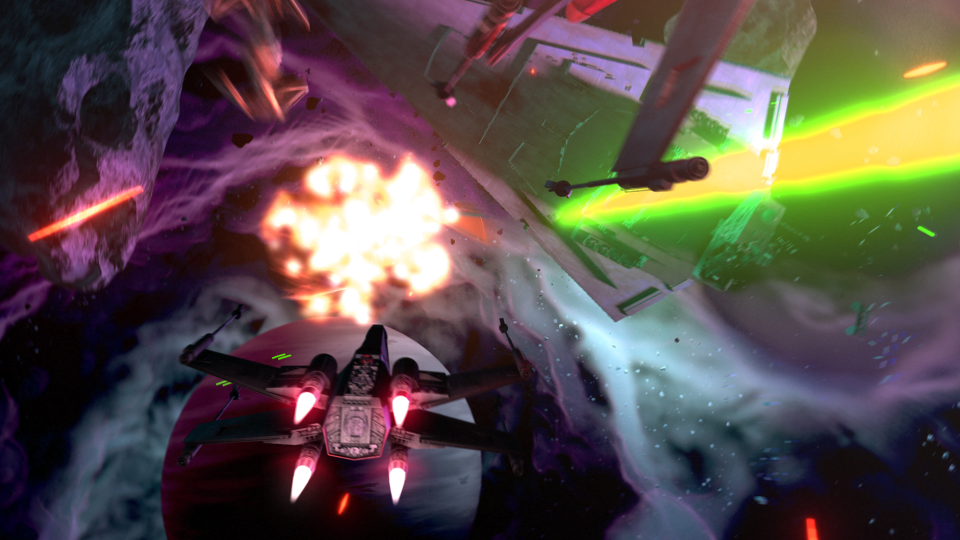
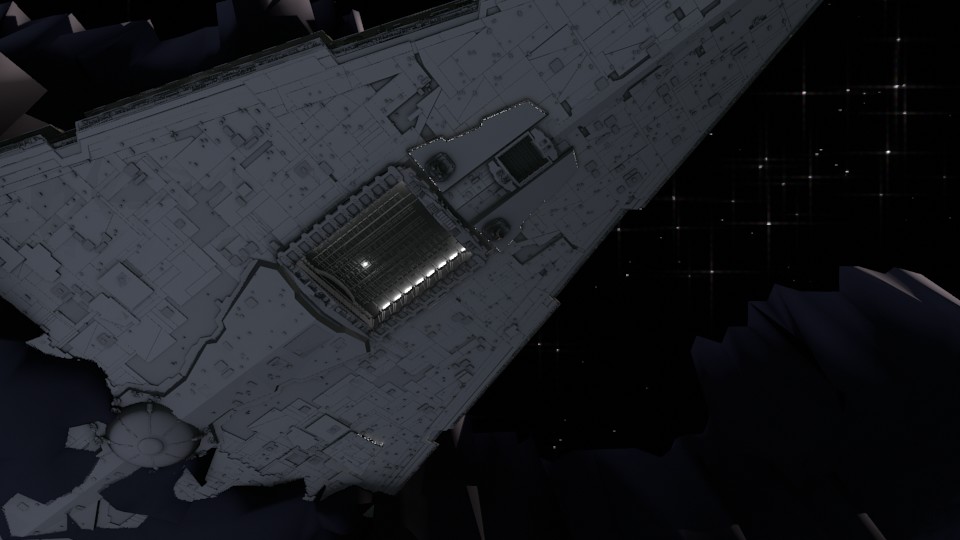
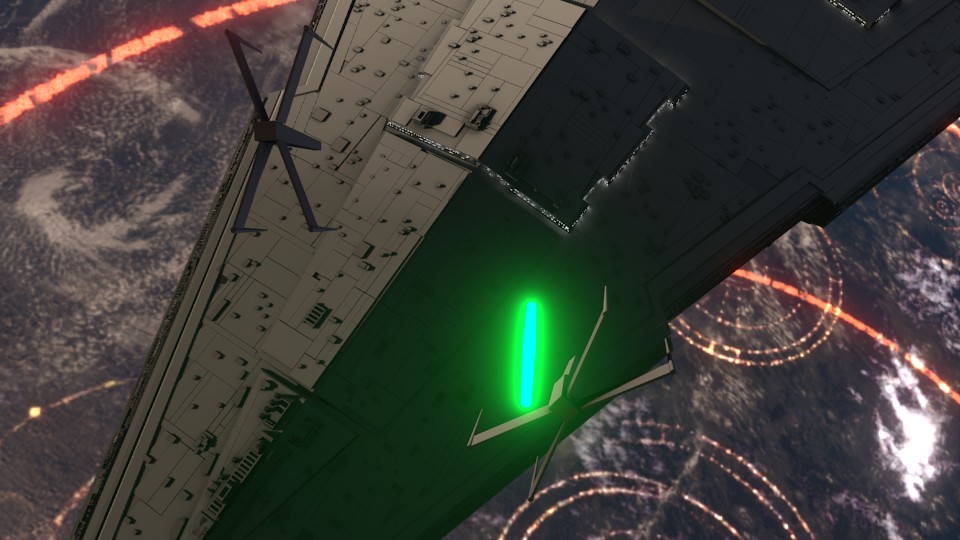
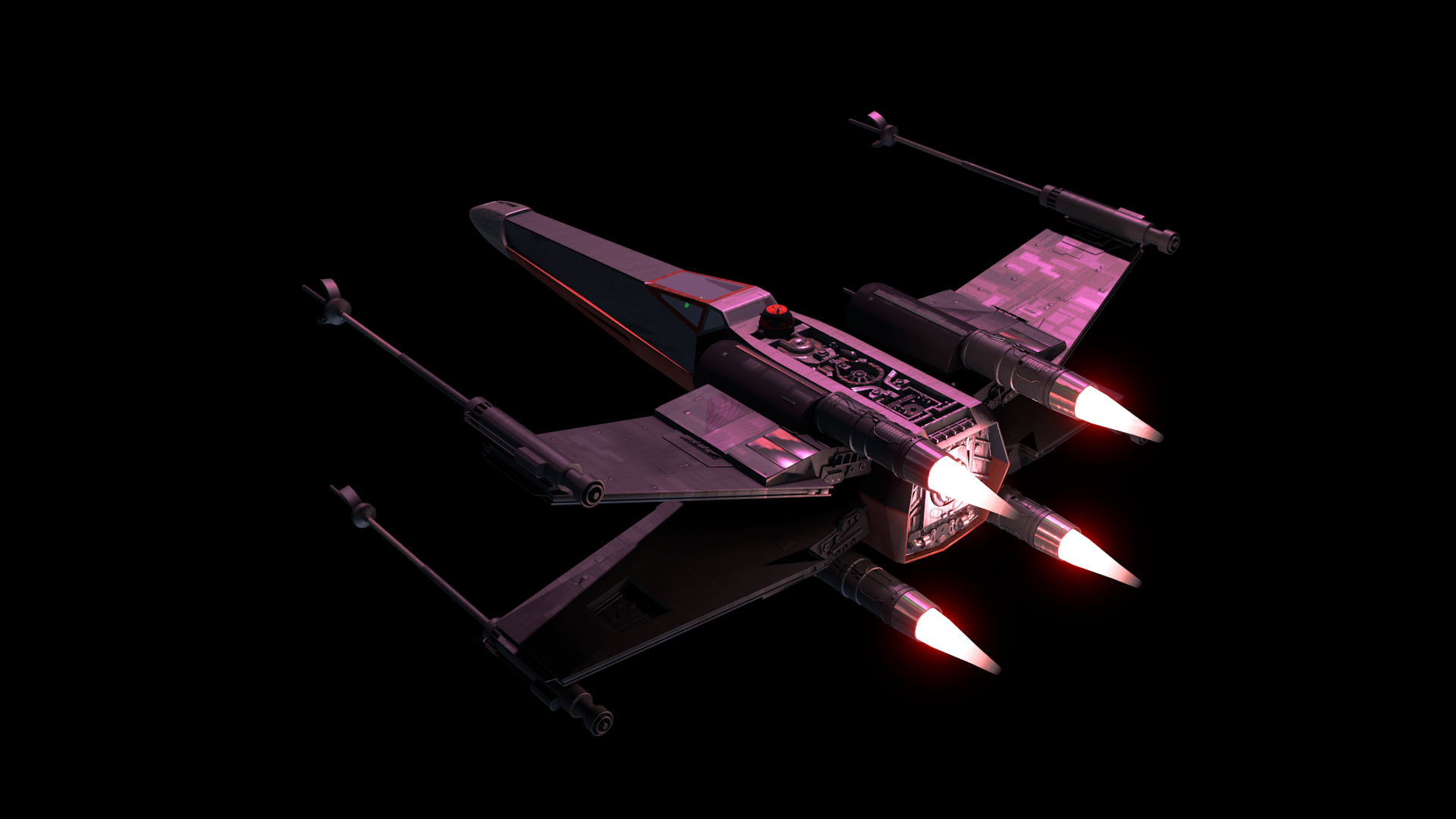
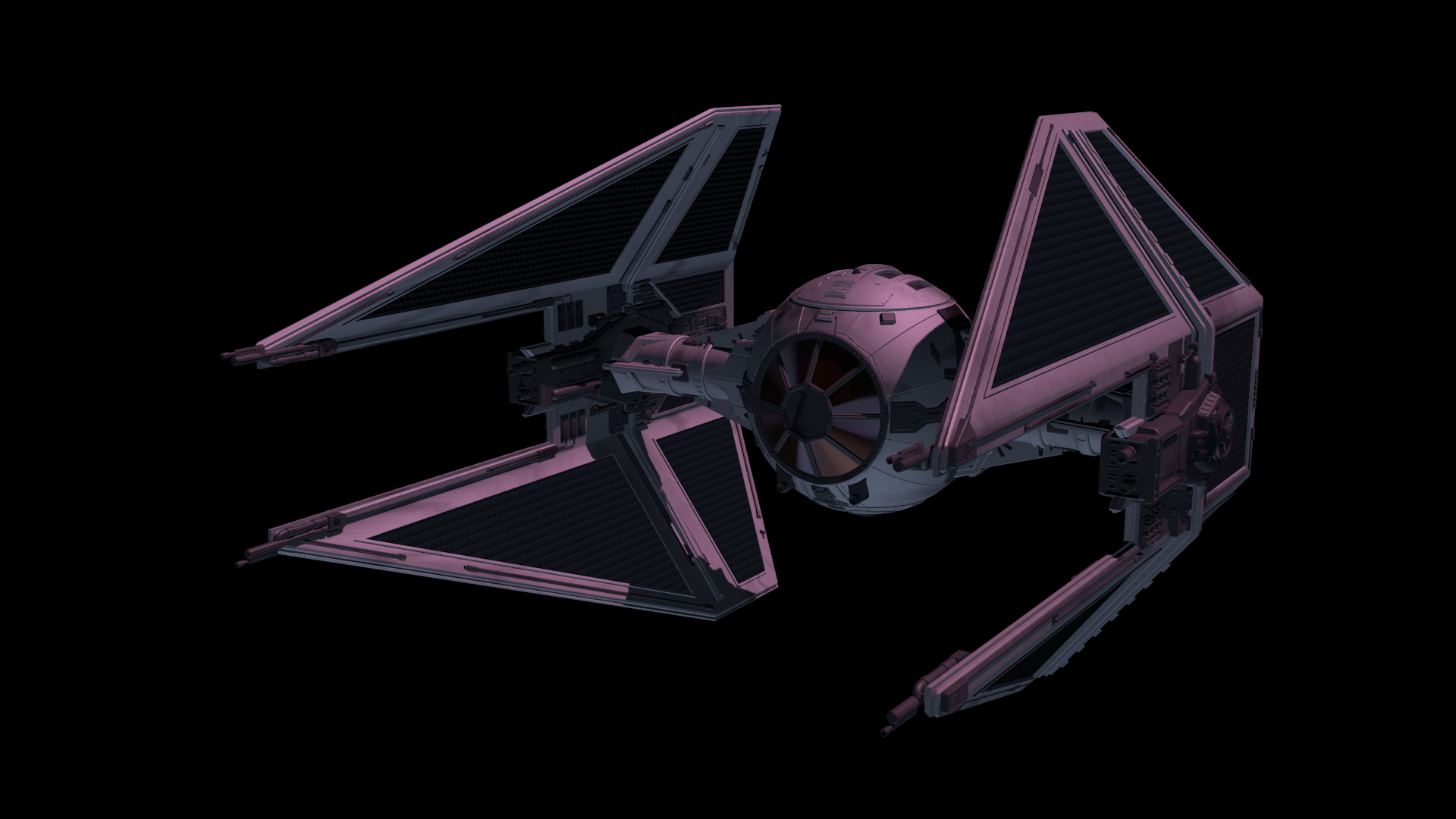
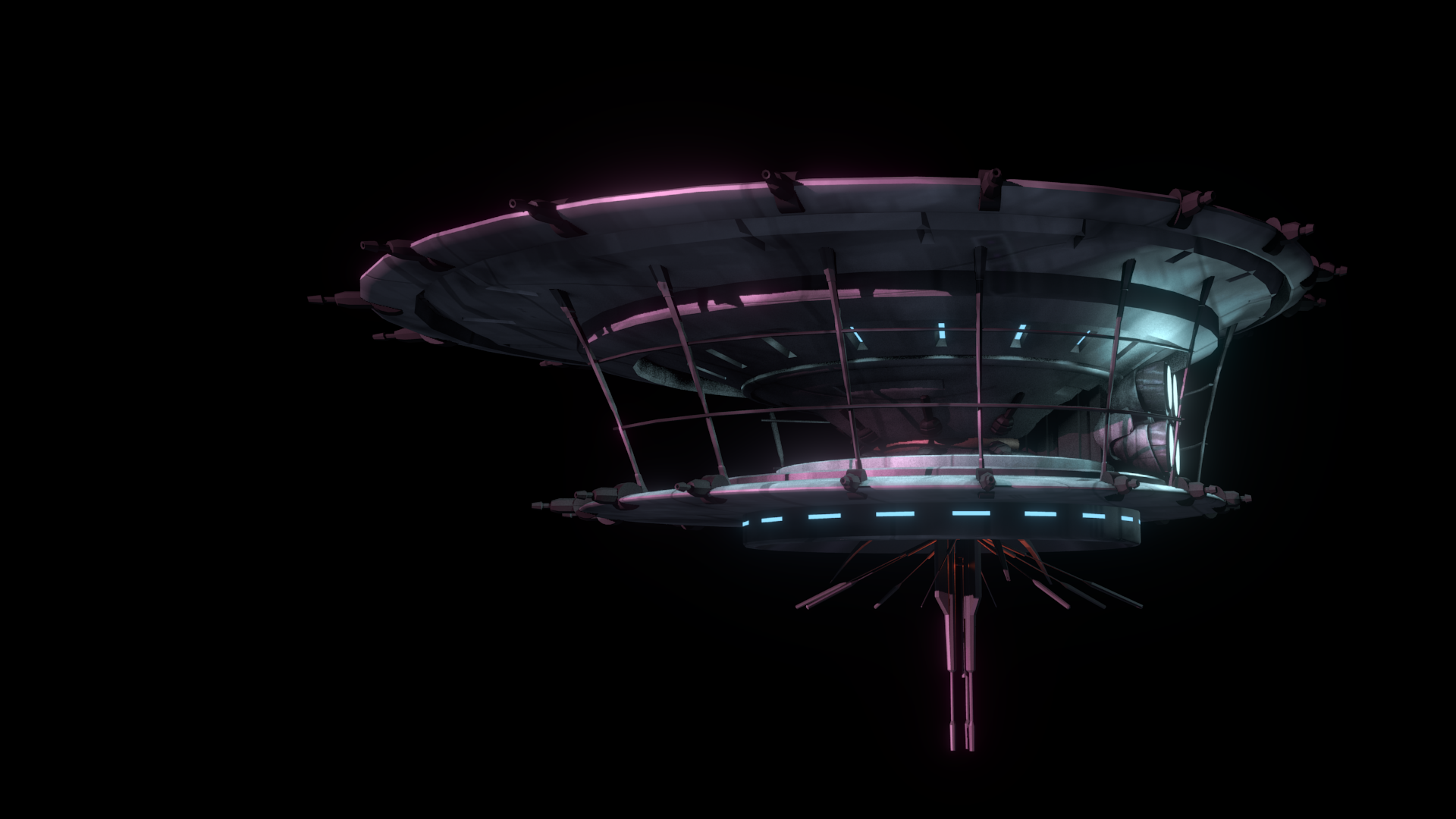
    The base models were downloaded from scifi3d.com. This site hosts donated models from a ton of different sci-fi universes, and it had everything I needed for the sequence. After getting the models, I spent a good chunk of time cleaning them up in Blender, texturing, and additional modeling, before bringing them into the final scene to replace the proxy models I used for the animatics.
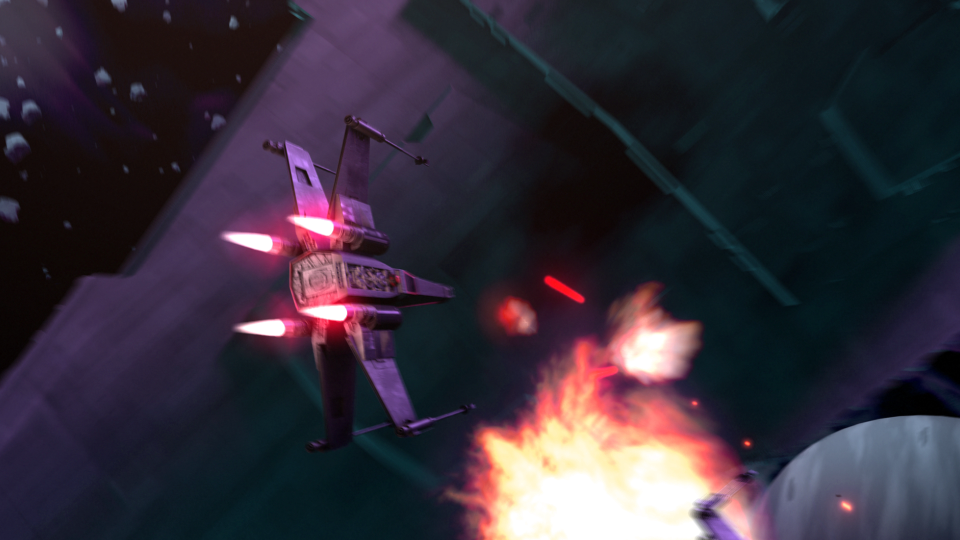

    x-wing_5-15-15_2x-wing_5-15-15tie_5-15-15_1hapan_5-15-15


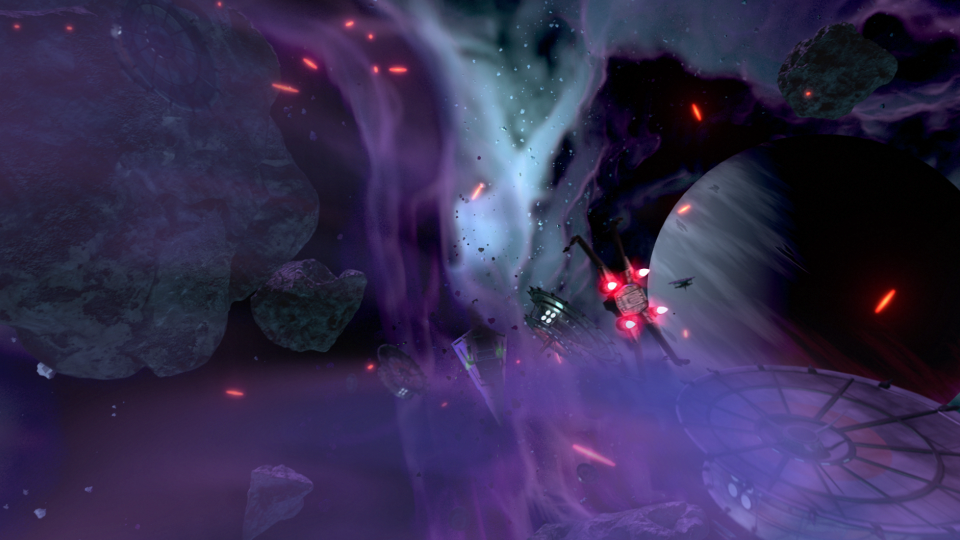
    After the models were brought in, simulations for fire/smoke and other debris were done, along with blaster fire. Then came rendering everything out for compositing.
    Each render layer was done separately. The x-wings on one layer, the tie fighters on one layer, the planets on one layer, etc… This was to accommodate any possible changes without having to render the whole scene again. The only requirement to this workflow was to make sure that the animation for the camera never changed. This allowed all the separate layers to match move with each other, and if a layer needed changes and rerender, all you needed to do was replace the frames for that single layer in the final composite.


    ambush_final_0ambush_final_1ambush_final_2ambush_final_3ambush_final_4ambush_final_5ambush_final_6


    I moved my scene layers over to After Effects to composite there. I was originally planning on compositing completely in Blender, but there was a possibility that I wasn’t going to be able to finish things myself. I needed to move into a program that someone else could use in case I couldn’t finish. This did help speed things up though, as I didn’t have to render motion blur out of Blender (really slow…), as I was able to replace this with a much quicker effect in After Effects called Pixel Motion Blur.


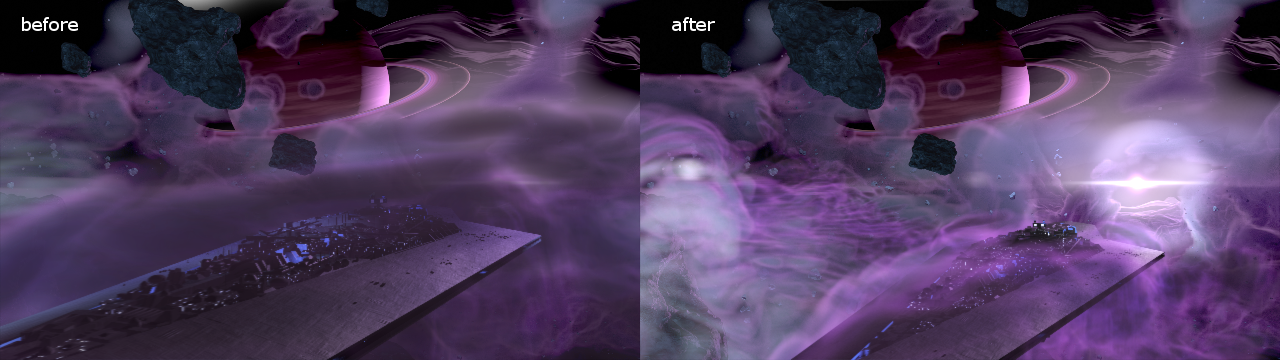
    SSD_before_after


    Due to time constraints, and because of the amount of time I had spent on the project, I wasn’t able to add specific post effects like heat distortion. But at this point it is time to move onto other things. Overall the experience was gratifying. I ran into a ton of situations I have not encountered before, and I was able to successfully navigate through them, and learn a host of new things along the way. I have gained a deeper appreciation for the work that goes into a shot like this, and I know why it takes more than one person to pull it off well.

  • Battle Recovery | Pastels and Contrast

    Battle Recovery | Pastels and Contrast

    I have been drawing/painting allot, I swear. Just haven’t been finishing much. I start on a piece, and before I know it, I have moved onto another one, and another one, and anot…… You get the idea.

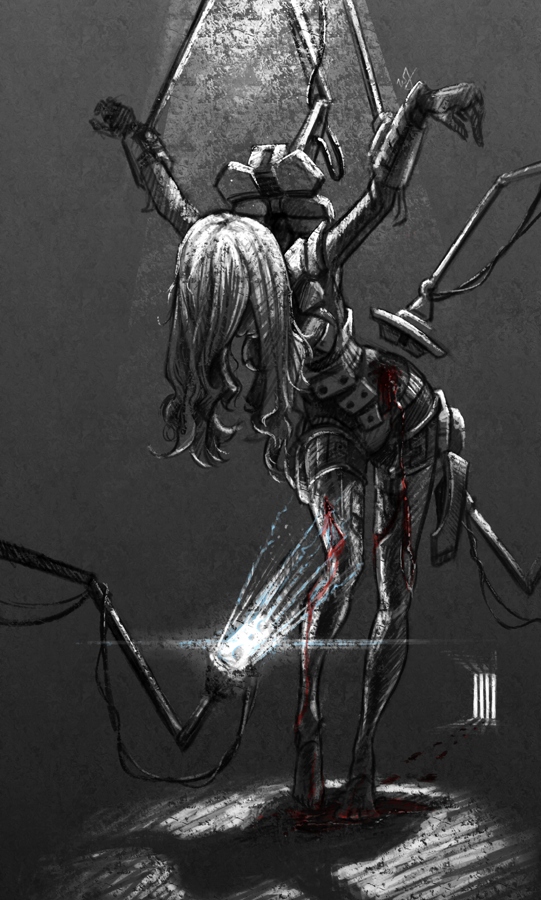
    So, I thought I would post something I did manage to finish up (Sorry, forgot to hit the record button, no time lapse this time around). This was a little concept born out of a sketch session, and, because I liked how the composition and concept were coming together, I decided to push it further.

    A soldier, after the battle, brought back into her assigned quarters for healing. The robots remove the worn armor, as others tend to the wounds occurred in battle. I imagined a world where children would grow up in relative isolation, bred by a computer to oversee the conquering of worlds. Kept separate from the general population, and all for the progression of man. She is one of the many victims of a human-less world, created by humans.

    A sad story, but I found it very inspiring while working through this. Because of the dark, and messy nature of the situation I chose to use a pastel brush in Krita to maintain a rough texture throughout the drawing process. That along with one of the default fill patterns to add a roughness to the whole image.

    The whole image took about 3-4 hours, and is quite different from anything else I have done in the past.