The motion graphics work for Thor Media continues. This time, a complete 3D piece (done in Blender) with some minor character design and animation, with allot of motion graphics design. Join me on the “silicon slopes” and lets talk about the thorough process this piece went through.
Before I get deep into this one, I must credit Brek Bulton with the initial concept of the video, and for bringing the job to Thor Media. He wanted to show a skier progressing through a day trip on the slopes. This was to be the backdrop of the for the heavy legal verbiage used for the voice of the video, while highlighting the contemporary nature of the client’s service with the idea of the “silicon slopes”.
With the scripting we were fortunate that Brek was handling that as well. After a few meetings hashing out the details, and pulling back to fit in the client’s budget, we got a near final script. I say near because the script was technically not locked down until the near finish of the project.
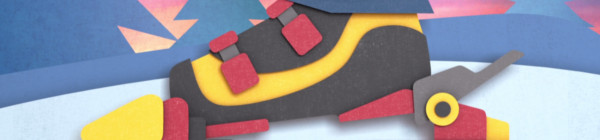
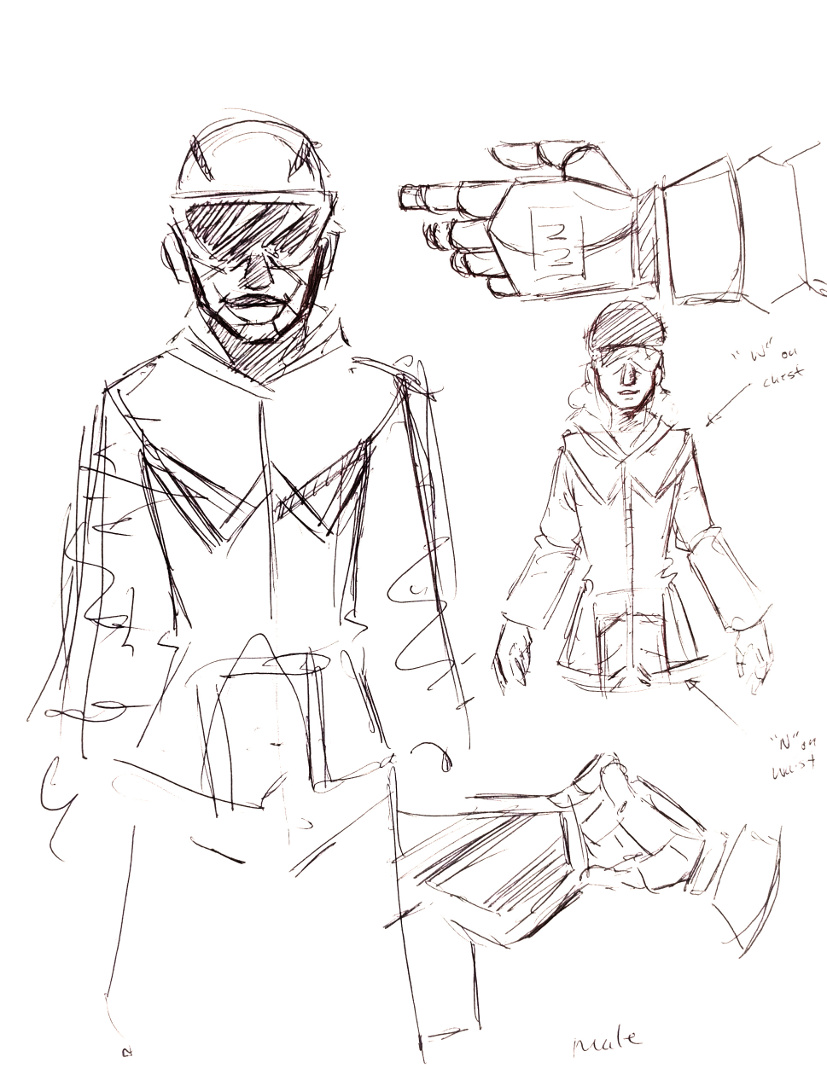
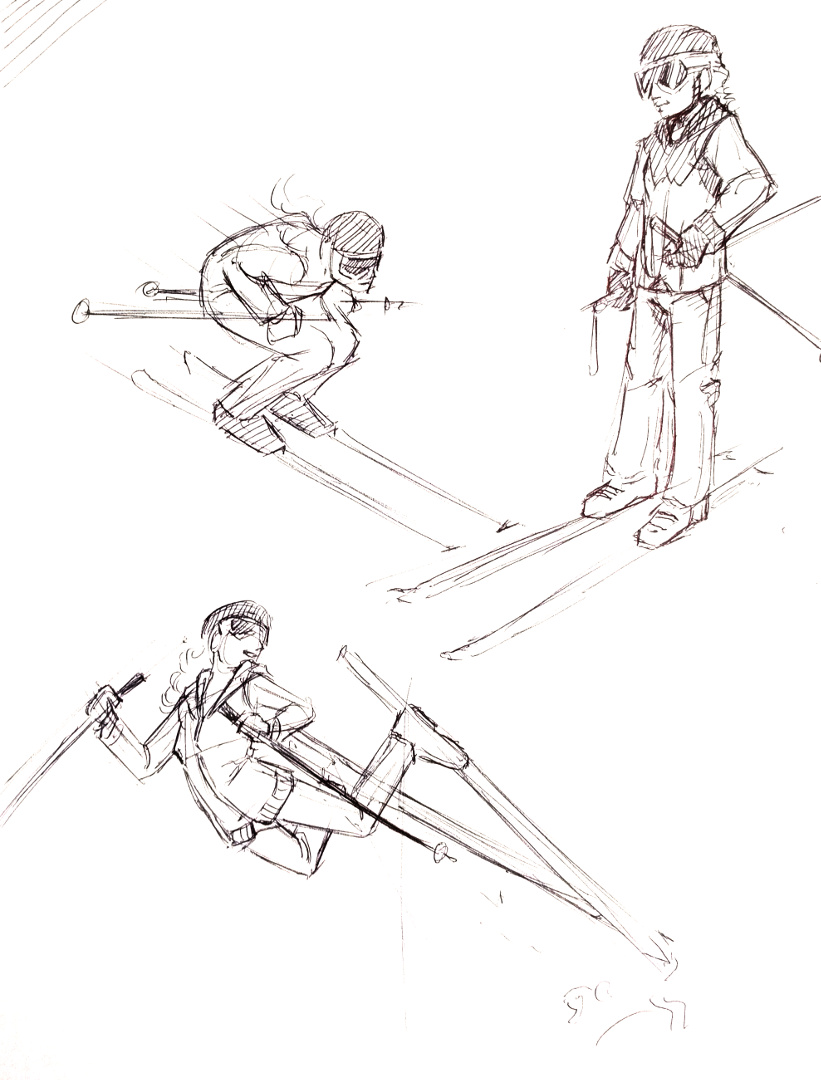
After the a final version of the script was in place, we had to make a bit of extra effort to convince the client of the concept, and present a visual motif that they would be happy with. This is where motif and character design came in. Because of the budget, I had to come up with a simple but attractive character design to minimize animation work. Inspired by allot of current motion graphics character animation (see Kurzgesagt), South Park, and Google’s paper design, I found a solution. I decided to stick to a 2.5 dimension paper cutout feel, which created a great sense of depth and interest in the image, while minimizing animation work (primarily 2 axis to animate instead of 3).
With a start on the visual design, I put together two shots to show how the video could look along with a temporary voice over. A long story short, the visual concept was accepted, and now it was time to approach the rest of the video.
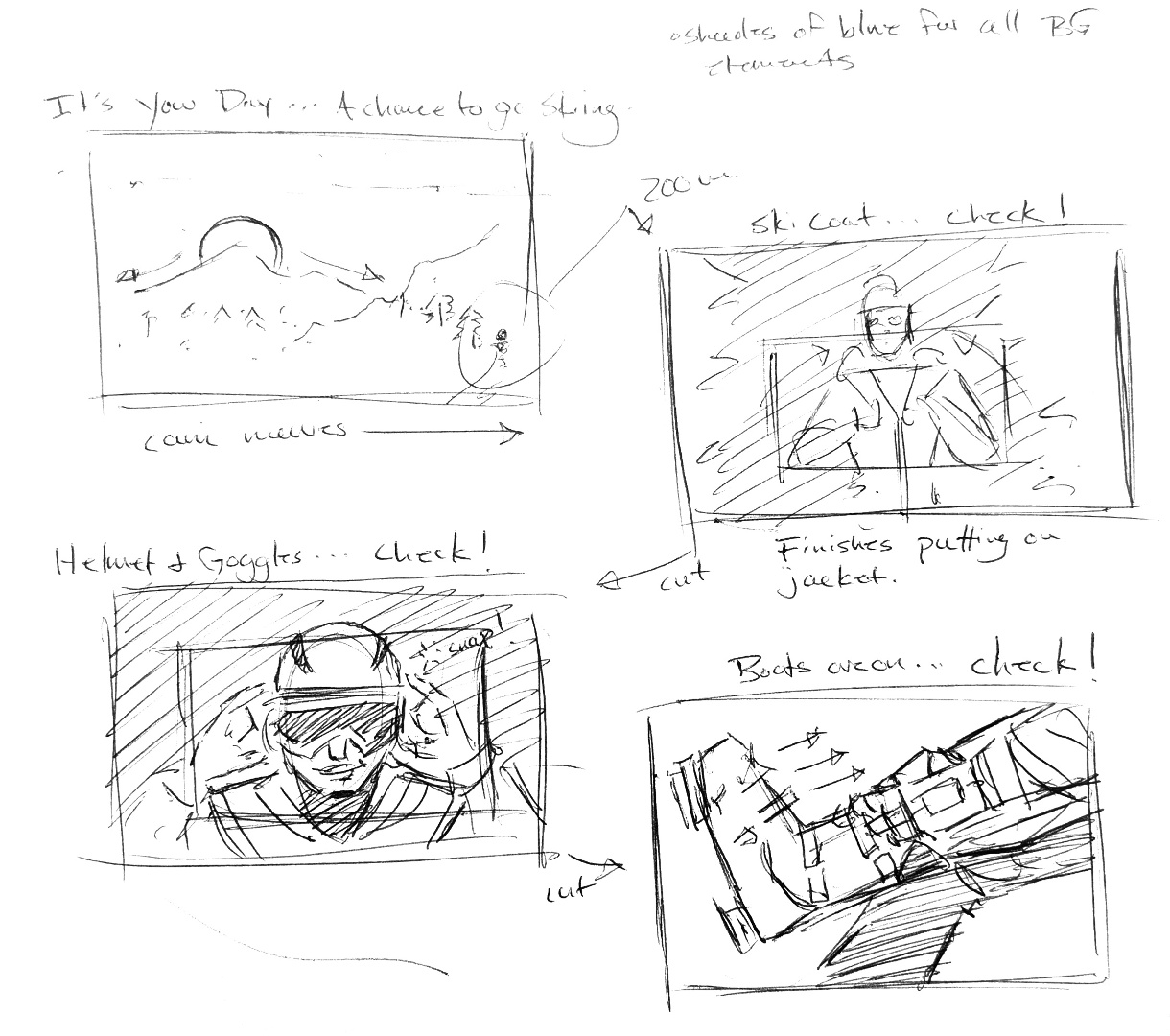
At this point, problems began to crop up when it came to finalizing the script. So, in an effort to keep the good momentum on the project, while accommodating an indecisive client, I decided that an animated storyboard would be needed to check the changing script against planned visuals to help the client to make final decisions in the script. This decision turned out to save everyone allot of time and allowed for flexibility in the visuals, almost right up to the end of production.
After some minor back and forth on some of the text and visuals in the video, and putting together a small vanity logo for the client to use in another video content, the final video was finished. Even though the project went a bit longer than expected, the final product came out well, and the client was very happy with the final result.
Finally! A project that got me into Krita’s new 2D animation tool set. What an incredibly valuable tool have in the bag. Lets talk about growing trees made of chalk.
This is the 3rd year I have done the Certified Conference introduction video, and it is always a joy to work on them. First, credit where credit is due. Neil Bryce is the man who got us this work. He has been a could colleague and friend over the last few years, and through him, Thor Media and myself have had the opportunity to work on a bunch of great projects.
With these conference videos we have taken the “hand drawn” approach for certain elements before. What makes the approach different in this on is that this is the first time where we didn’t use masks or other automated methods to simulate hand drawn effects. With Krita’s new 2D animation tools, I was able to approach the animating of elements that would naturally be hand drawn from a more traditional approach.
I have always had a keen interest in traditional 2D animation, I even took a class in college to help satisfy my interest in the subject. Since that class, I have had a few opportunities pop their heads above the water a few times, but the opportunity to develop those 2D animation skills further have always seemed to allude me. Usually due to budget constraints. 2D animation is a very time consuming thing, and to invest in someone like me who doesn’t have allot of experience, or, the project skill-wise is a bit out of my skill set, it has been a hard thing for me to approach on a serious project. Till now…
Because of the simple concept (Neil Bryce’s concept) I felt that this could be the project to dust some of those old skills off, and give them a go. I am glad I decided to take the risk. Everything, except the obviously 3D elements (rendered and composited in Blender), were hand drawn 2D animated elements. This includes all the text transitions, leaf transitions, along with the introduction of the seed being blown in by the wind with the growing tree.
I am really proud of this piece, and the client really loved the way it turned out, and came back with only some minor revisions to the animation and colors. Nailed it! I also discovered that animating text this way, as opposed to using a mask, feels much more natural, and ends up taking about the same amount of time as other masking methods. The only issue is, is if the text needs to change. In this case, you have to start from frame 1 with the traditionally animated method. I just have to make sure the project script is locked down before working on these elements in the future.
A small job, but a fun one nonetheless. Another video production studio here in the valley, called Mighty Clever, needed some help for a commercial they were doing for America First Credit Union (AFCU). I believe they have been doing commercials for AFCU for the last couple years at least, and they have this fun zombie theme going on. They just needed help for one shot, here it is below.
You may not even notice what was done on the shot, and if so, that means I did my job right?
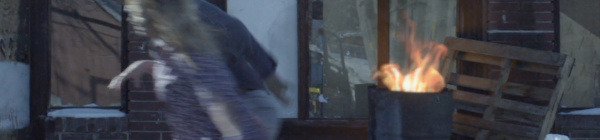
There are two things done for this shot. The first is the large sign above the store entrance. In the original shot, the sign didn’t have anything on it. This required a planar track with a simple composite. The last element added to the shot is the fire in the barrel. This was a fire simulation was done in Blender, and then composited into the shot, along with the sign, in Blender. The light emitting from the fire required some reconstruction of the set, and this was composited onto the original shot to make the additions a bit more convincing.
Since we finished this shot, we have had the opportunity to help out with a few more internal AFCU videos that required more planar tracking, but this video covers the way I approached those videos, and it would be a bit unnecessary to show them here.
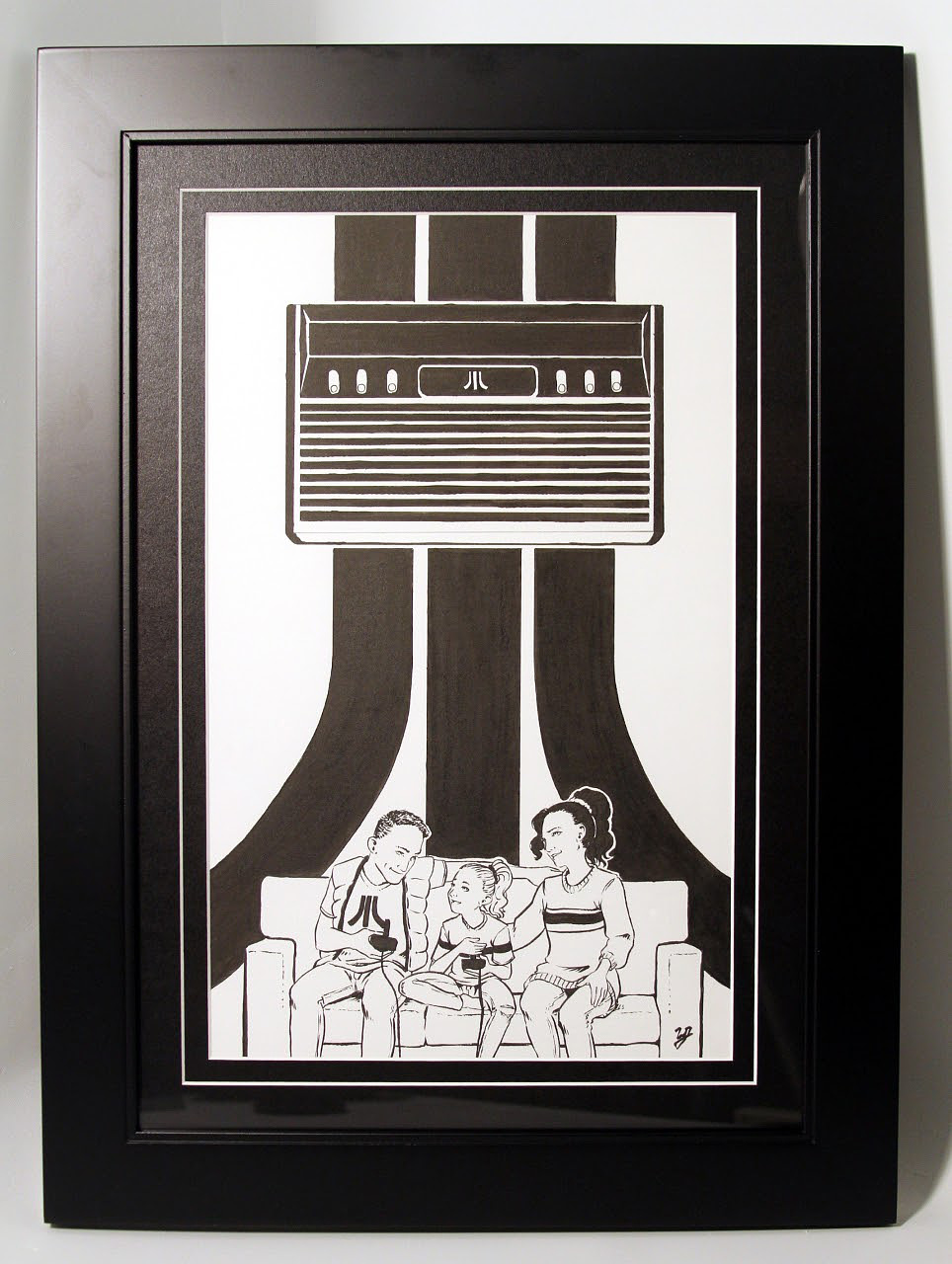
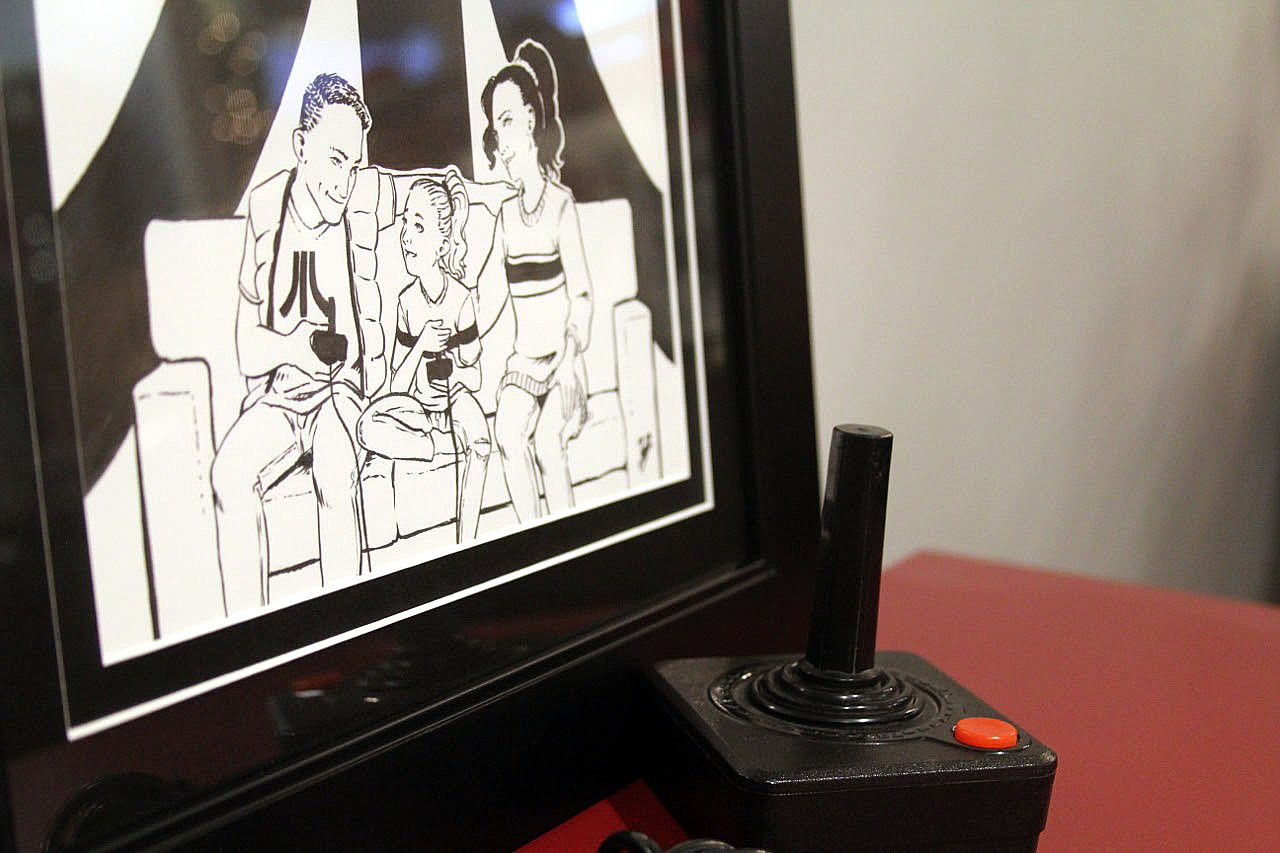
Traditional art commissions are always memorable, growing experiences. With the bit of extra attention that my Inktober 2016 | Atari Propaganda artwork has been bringing, I have had several people reach out about art commissions. This one in particular is one that I would like to write about because it was such a positive experience for both me and the client.
Subject Matter
First, the Atari theme has been such an amazing experience for me this year. Taking time to think about these consoles that I have quite a bit of nastolgia for, putting them to abstract and realistic situations, with only female subjects is incredibly gratifying. It has provided me with an opportunity to stretch myself with the ink medium, composition, drawing people, research (80’s and early 90′ clothing specifically) and applying that research. But I have to admit, this year for Inktober was much harder than last, and with commissions on top of that, I really got a feel for how hard I can push myself at this point in time.
…the process of drawing, mounting, framing, and shipping the final work was a great experience.
Being Willing to Start Over
I actually lost money on this commission. This is definitely something that happens from time to time. In this case, I didn’t do enough in the planning and thumbnail stage of the piece. So, when I approached the first version, I felt my technique was good, and the overall composition was good as well, I didn’t get the likenesses of the subjects to a point that I was comfortable with. Because this is ink we’re talking about, that means starting from scratch. So I started over, essentially doubling my time on the piece.
Making sure you have enough time to work (2 weeks minimum) on a piece like this, along with studying your subjects thoroughly, will help ensure that this doesn’t happen again. Regardless, even with the do-over, the process of drawing, mounting, framing, and shipping the final work was a great experience.
…this project will feel like a head stone for it all.
Schedule Affects Everything
This is my main takeaway from this experience. Because I am still working at Thor Media, finding time to actually sit down for a solid block of time is difficult. With this one, I ended up telling Thor Media I wasn’t going to come in for a couple of days, and then I turned off my phone. In the future I would like to avoid this, and, like what I mentioned before, two weeks should be a minimum for a project like this. I am certainly going to stick with this requirement.
A Landmark
With all the Atari stuff that I have involved myself with lately, like Inktober and releasing/selling Flappy McFur, this project will feel like a head stone for it all. I have other projects coming up, but this one was so positive and memorable, I will always consider it a hallmark for this period of my career. The client was happy about the final result as well. Here is what he said in the STatariART group on Facebook:
Friends,
For Christmas, my wife commissioned William Thorup to do a custom drawing of my family: he did a brilliant job and captured my daughter and me playing 2600! Absolutely lovely piece, perfect in detail, and totally captures the 80s feel. Mr. Thorup definitely gets it.
Atari Never Die!
-The Last Atarian
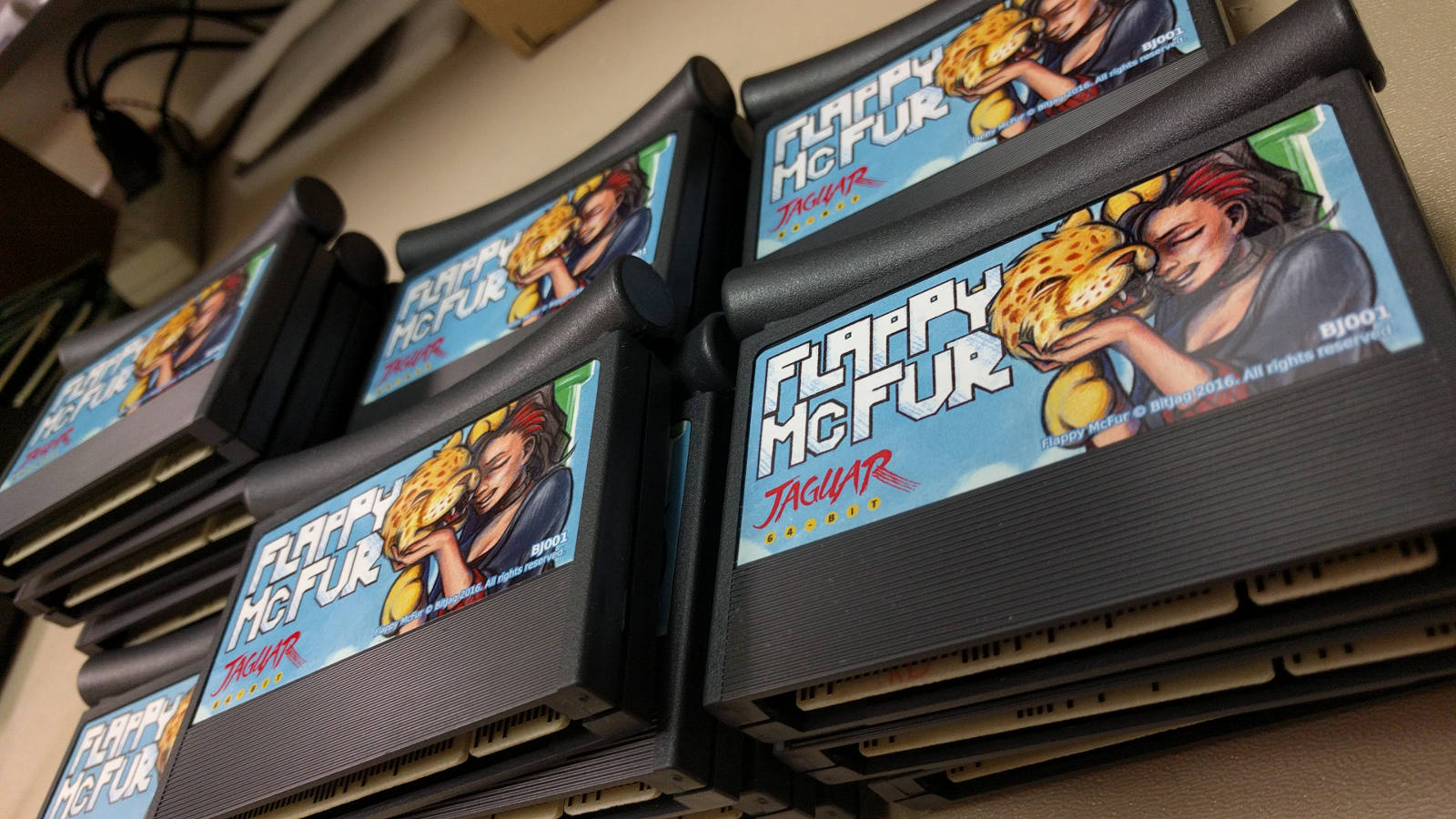
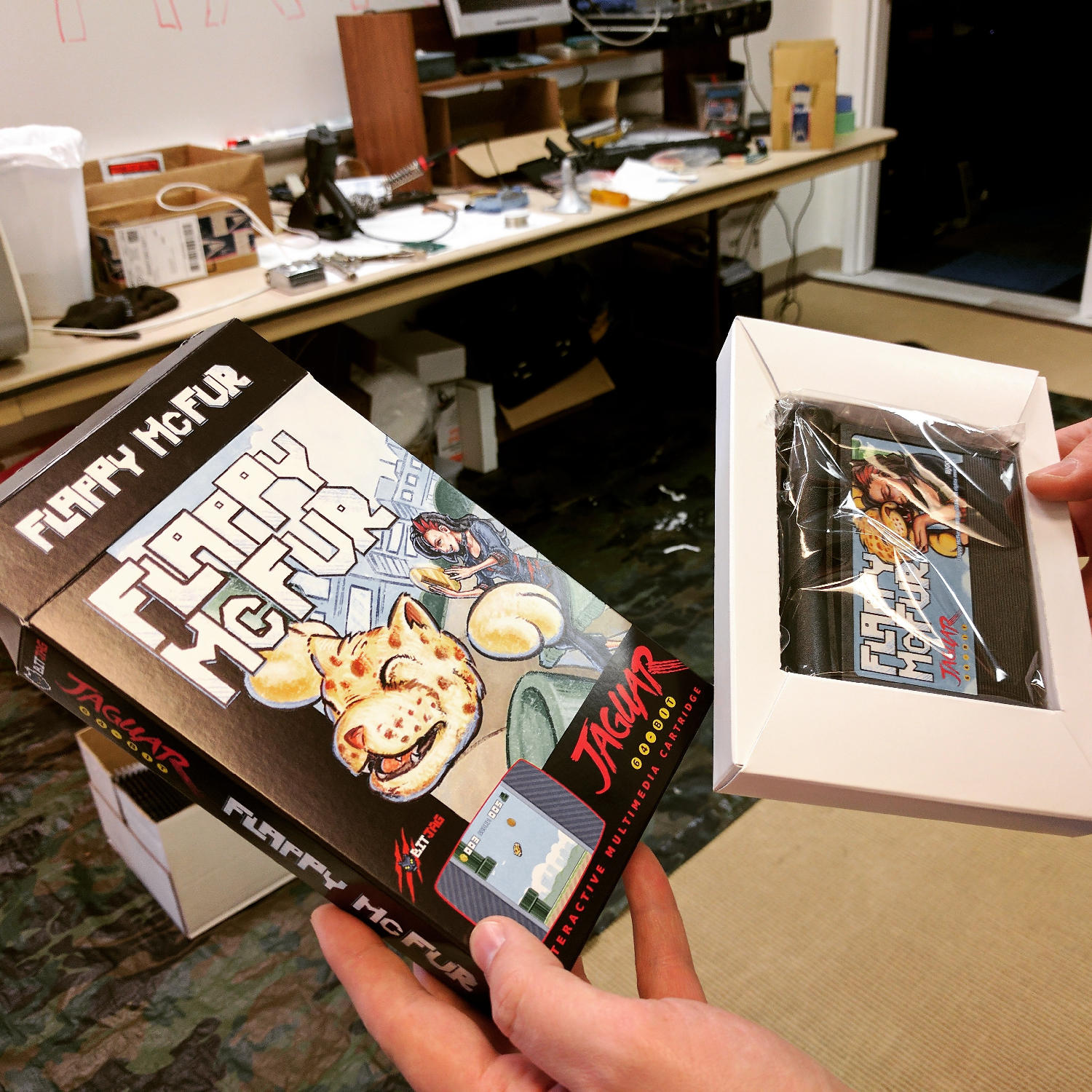
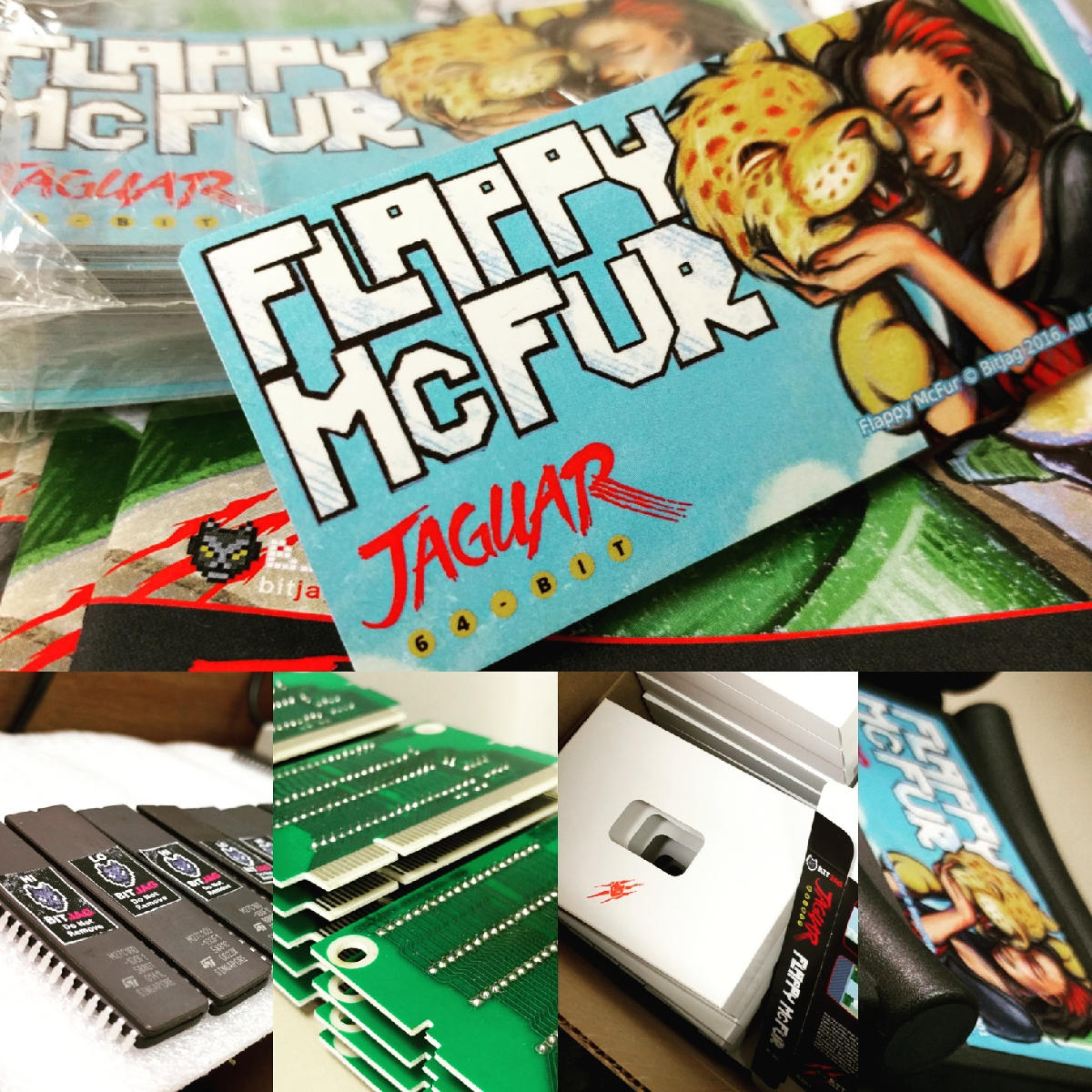
Three years of learning. Three years of programming. Three years of drawing. And it all should have taken three weeks. Flappy McFur is finally in the hands of the masses, or at least the 80 or so individuals that were actually interested.
The beginning
Atari Jaguar programming has been something that my brother and I have been interested for years, and ever since returning from my church mission from Taiwan, I have made it a primary goal.
With the formation, branding, and online presence establishment, all that was left was for me to learn a bit of programming, and start making games. To help facilitate the programming learning curve, we took on a request from Paul Westphal to put together a demo specifically for his booth at the Portland Retro Gaming Convention.
Programming at this time wasn’t completely foreign to me, but C programming was. So this little demo was a great opportunity to start my C coding adventure, and it led well into Flappy McFur.
Development
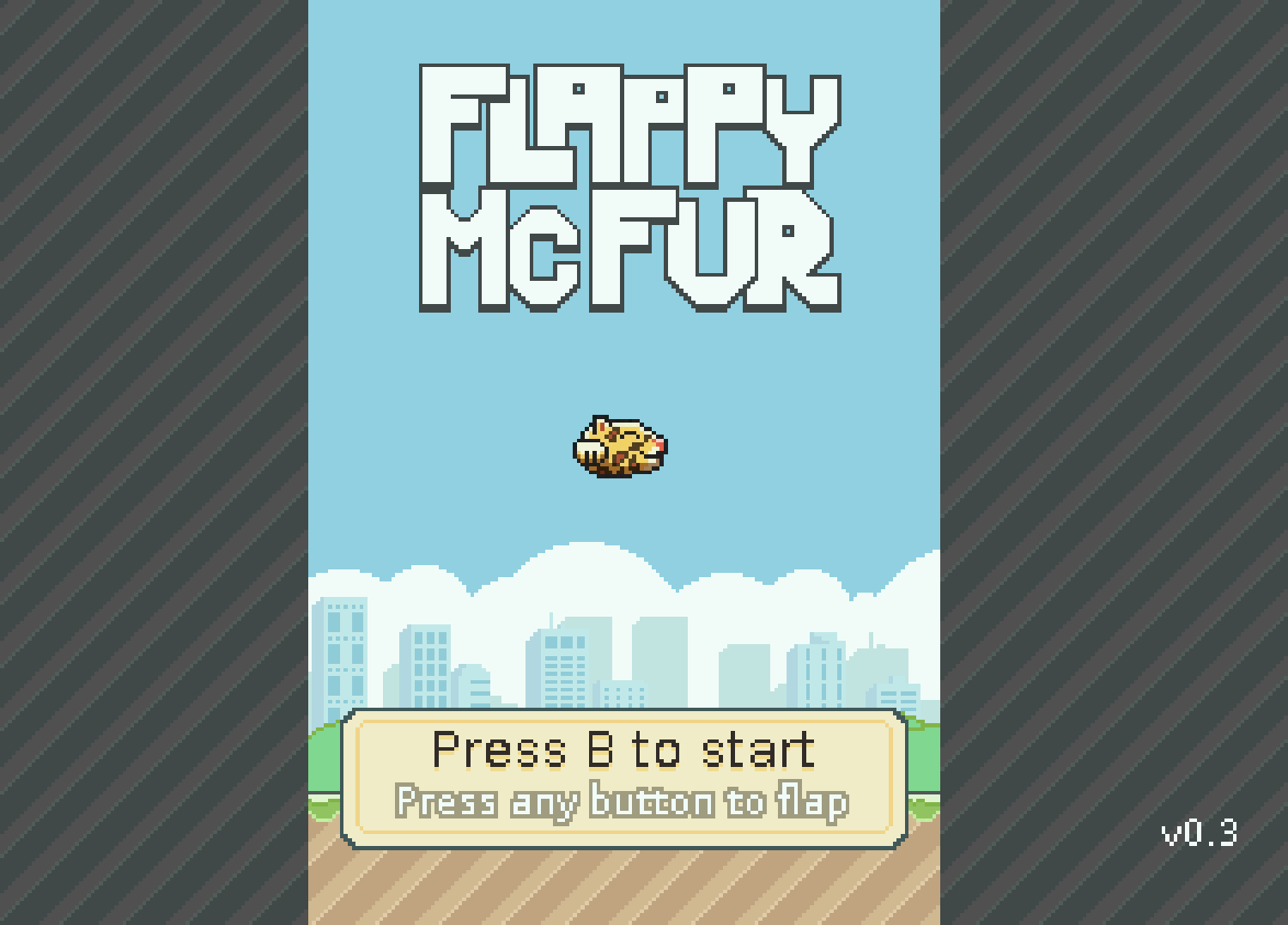
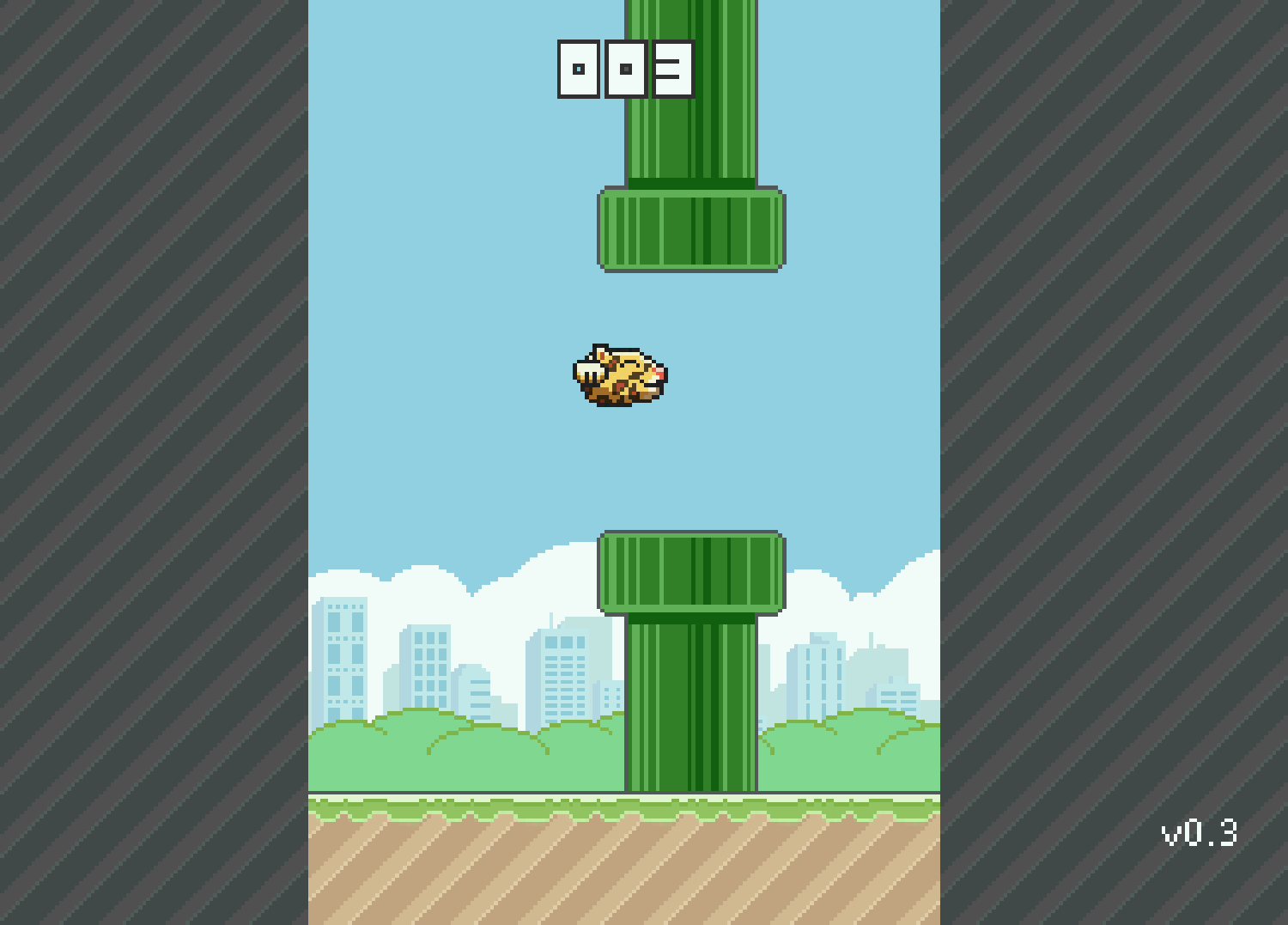
Version 0.3 was the first fruit of my efforts, and the fruits were bearable. The gameplay was there, but it was far from enjoyable. McFur moved around more like a horizontally locked fly than a disembodied Jaguar head falling in style. But, the core gameplay was there, and this little demo was well received by those out there who look out for anything new for the Jag.
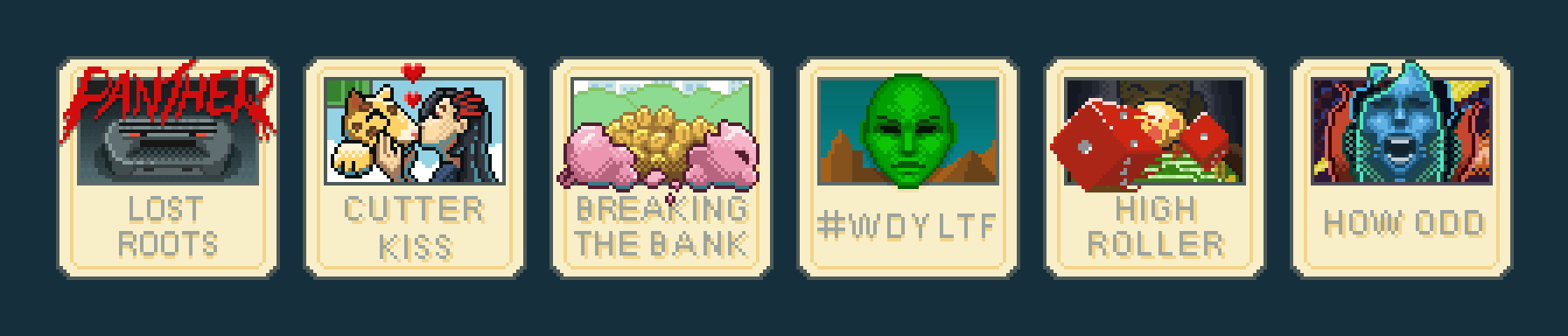
After the demo though, there was polish. I planned out menu systems, with a simple achievement system. Worked out four different play modes that changed the speed of the game and how the pipes behaved. With Bryce’s help, a simple text engine was implemented to facilitate menus, and he also implemented the save code system. All of this along with an end game made Flappy McFur a much more noticeable product and a more enjoyable experience overall, with a bit of depth to the gameplay.
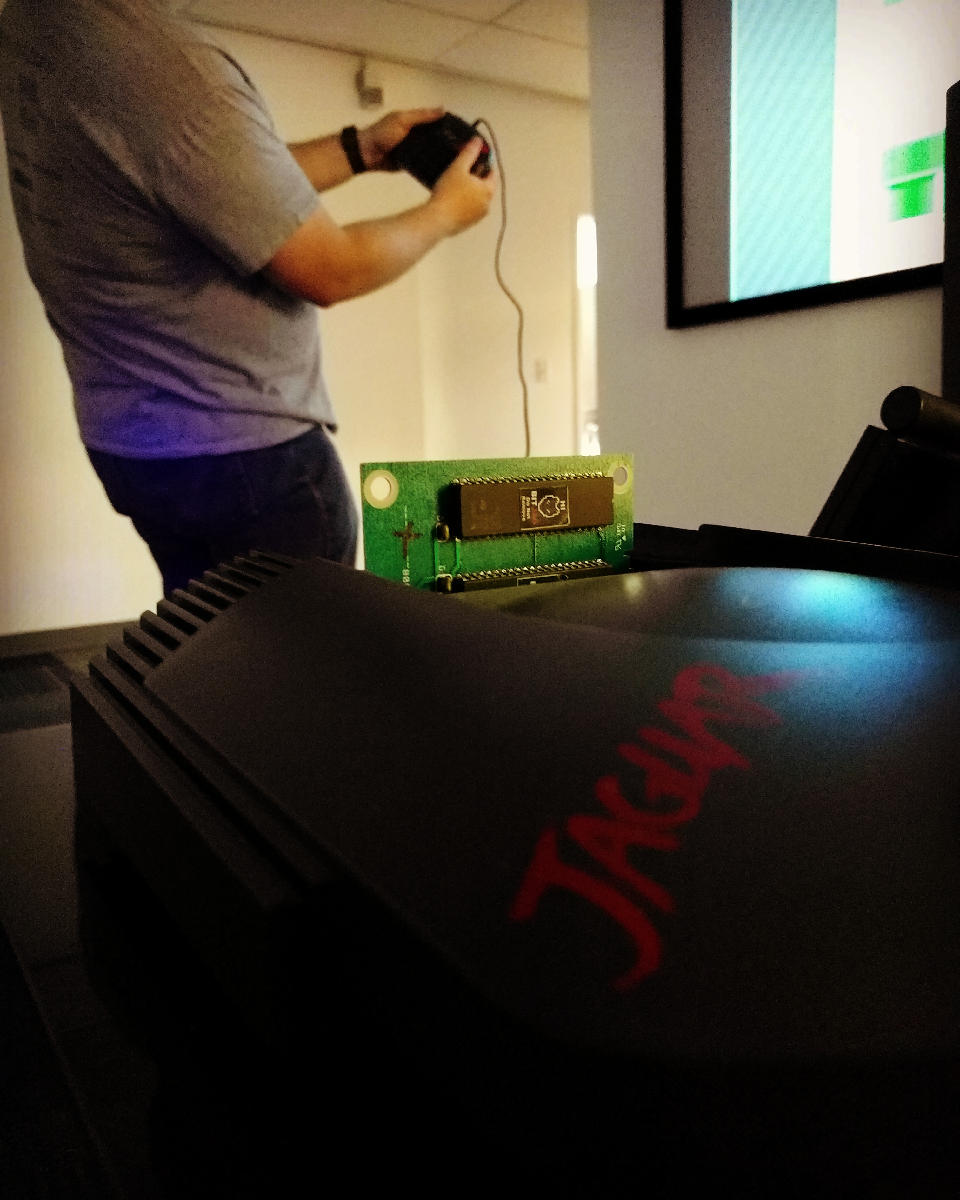
Development also included some play testing. Usually I would setup our Jag-In-A-Box at family parties, Draw Nights with friends, or just let all the nieces and nephews have a go at it. It was interesting to see how some people caught into the gameplay really well, while others found it impossible. It made balancing the difficulty a bit of a challenge, this is one reason why the additional play modes were added. To try and accommodate a wide spectrum if players.
Even though the game overall is fairly simple, there was a massive learning curve for me to overcome. Overcoming that learning curve has had its payoff though, and I feel much more prepared to takle our next project.
Art
Sprites and Palettes
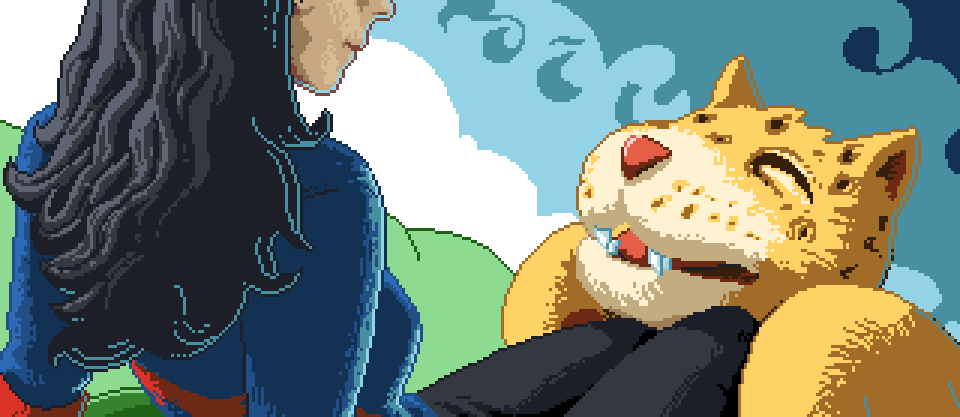
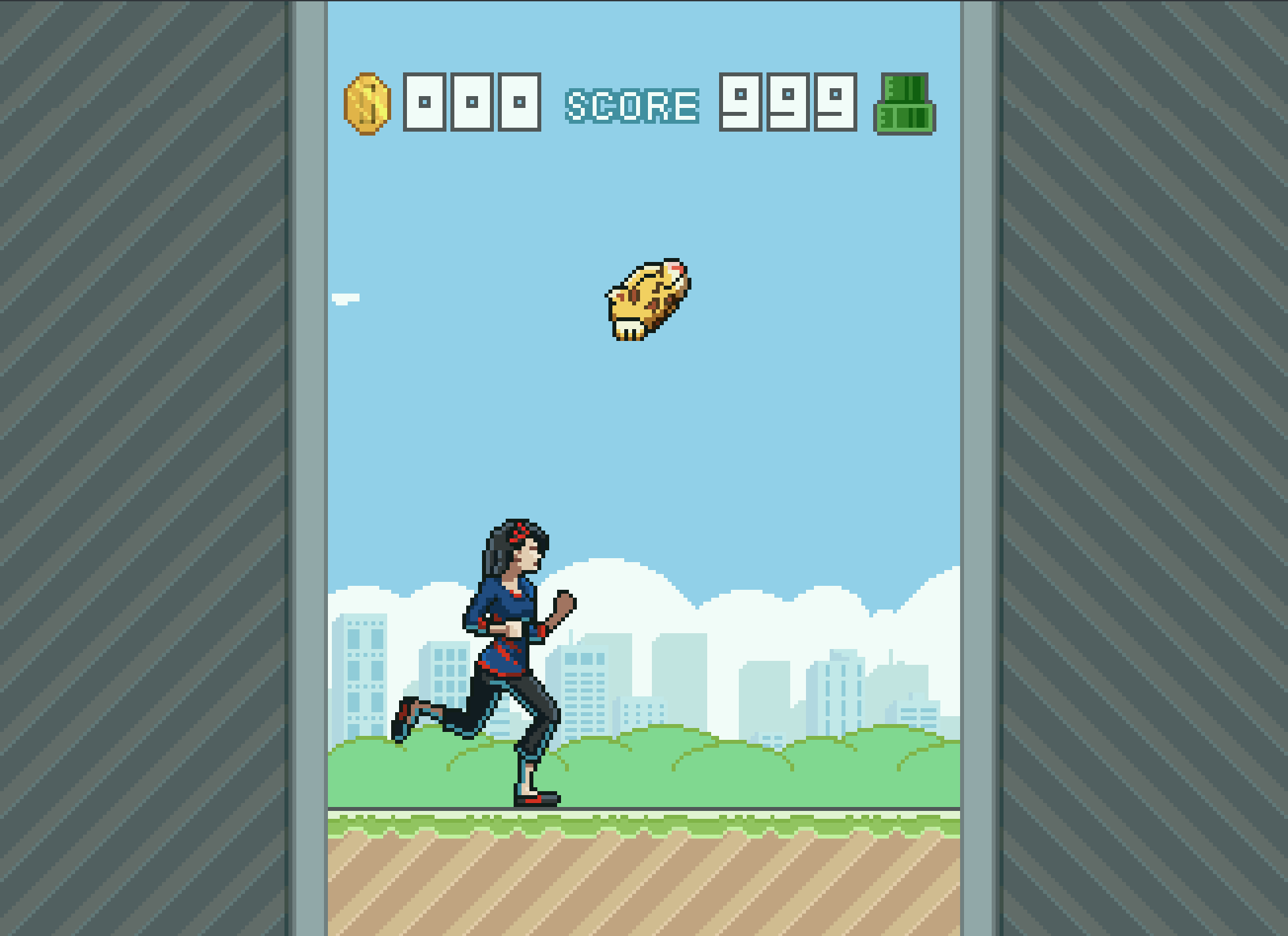
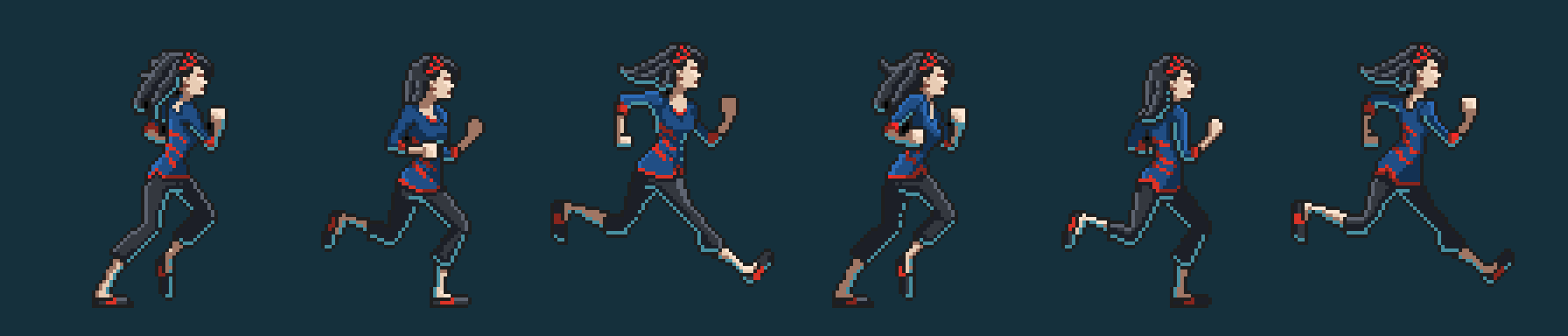
Though few, painting sprites for this game was a highlight if the whole experience. Working with reduced color palettes and putting together simple animations like rotations of objects and the achievements, to more complicated animations like Cutter’s run cycle, all were a joy and remind me how much I love animation in general.
We used the Gimp primarily for sprite work. I have been using the Gimp for nearly two decades now, and it is great support for paletted graphics with a more than adequate tool set. I did use Krita for Cutter’s run cycle animation because they had recently implemented a basic 2D animation tool set in Krita, but with the lack of palettes graphics support, I still needed ti pump those graphics through Gimp to prep them for Jag. Krita is supposed to have palettes graphics support in the near future, and I am looking forward to using Krita exclusively in my pipeline.
With all that in mind, when I actually started putting together Flappy McFur, I was a bit lazy in figuring out how to do 8-bit paletted graphics. So, for a long time, I was dealing with performance issues, especially when music was implemented. It wasn’t until late in development that most of the graphics were converted to 8-bit paletted sprites for 16-bit sprites. This was a good switch though as it allowed us to do fade transitions easily.
Box and Manual Art
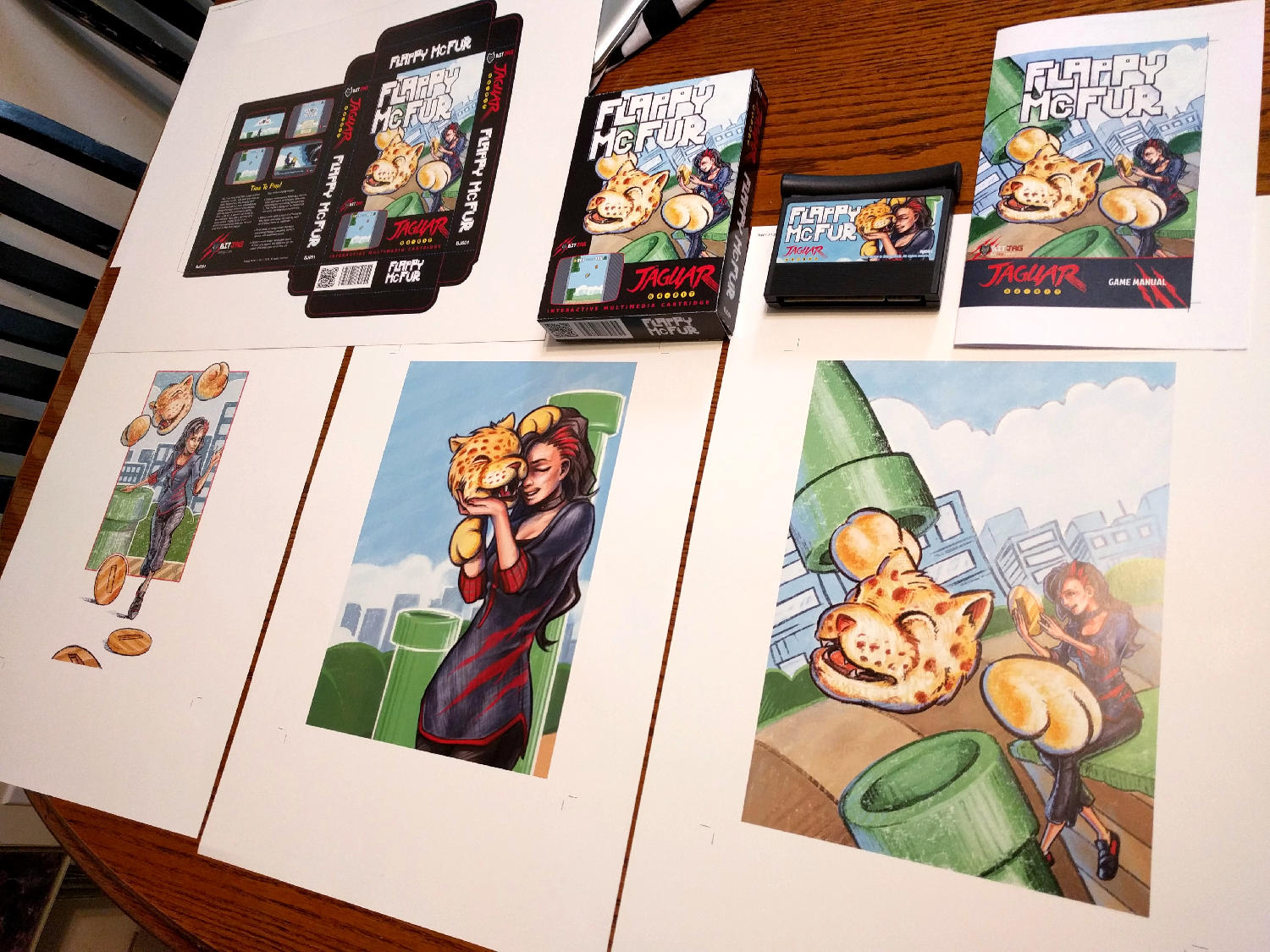
I initially wanted to do more artwork for the game, but the 3 primary illustrations ended up working really well for our needs.
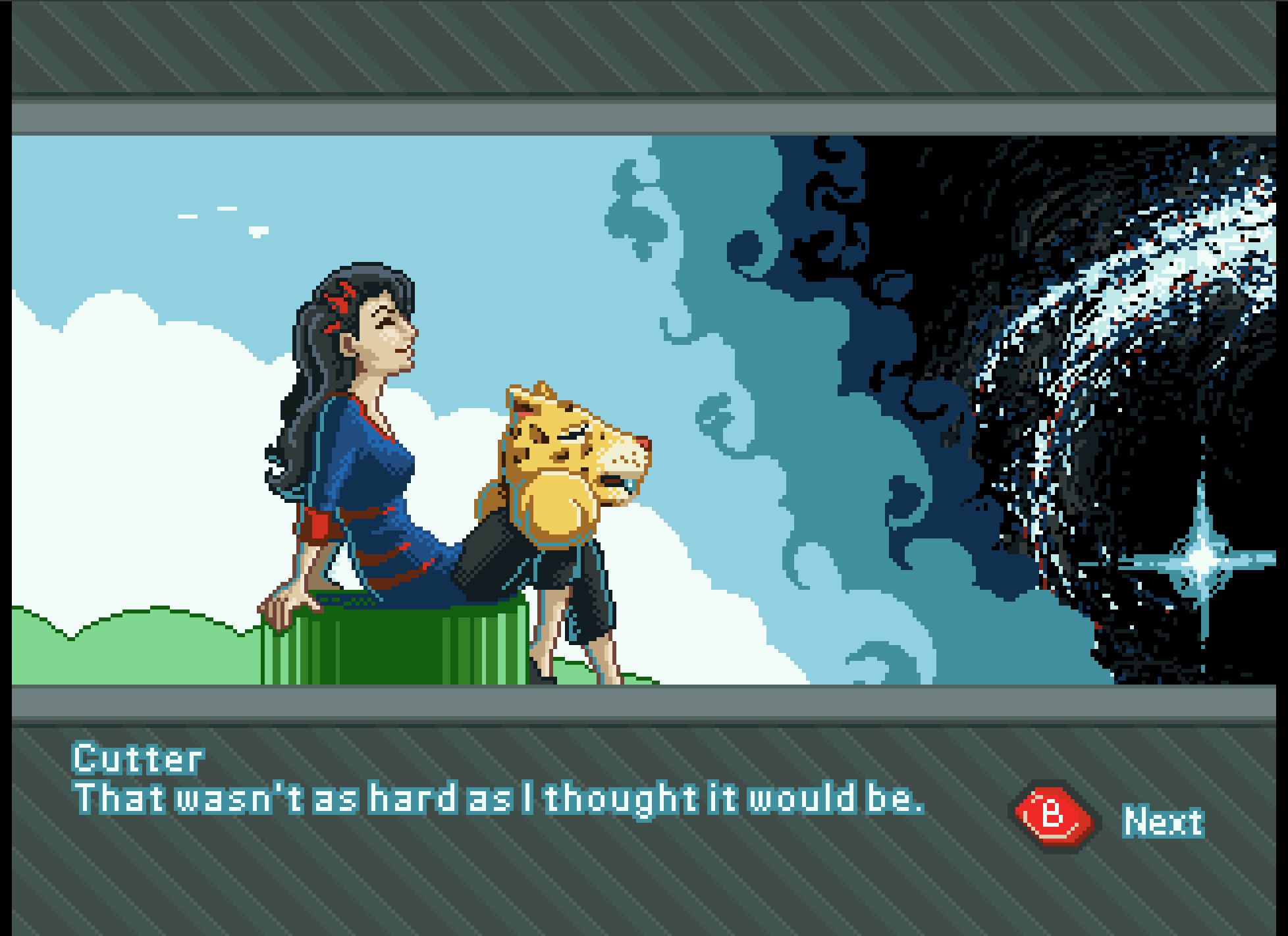
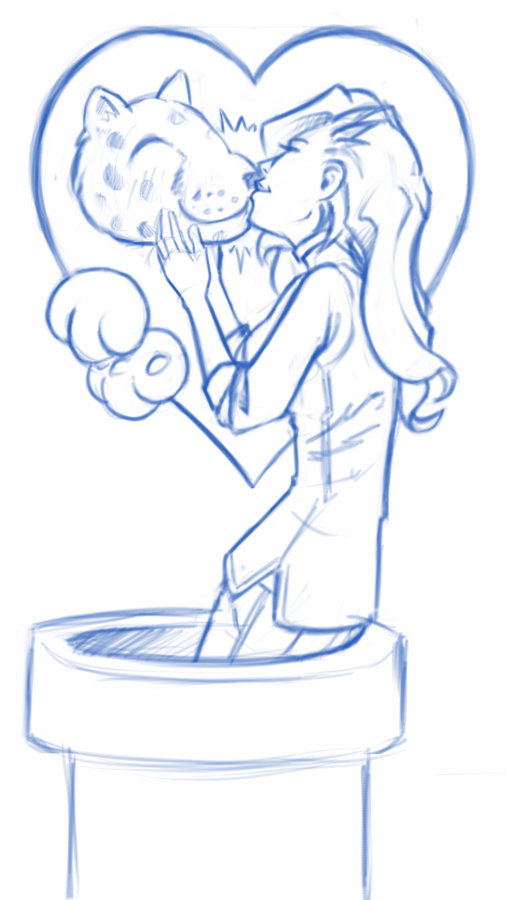
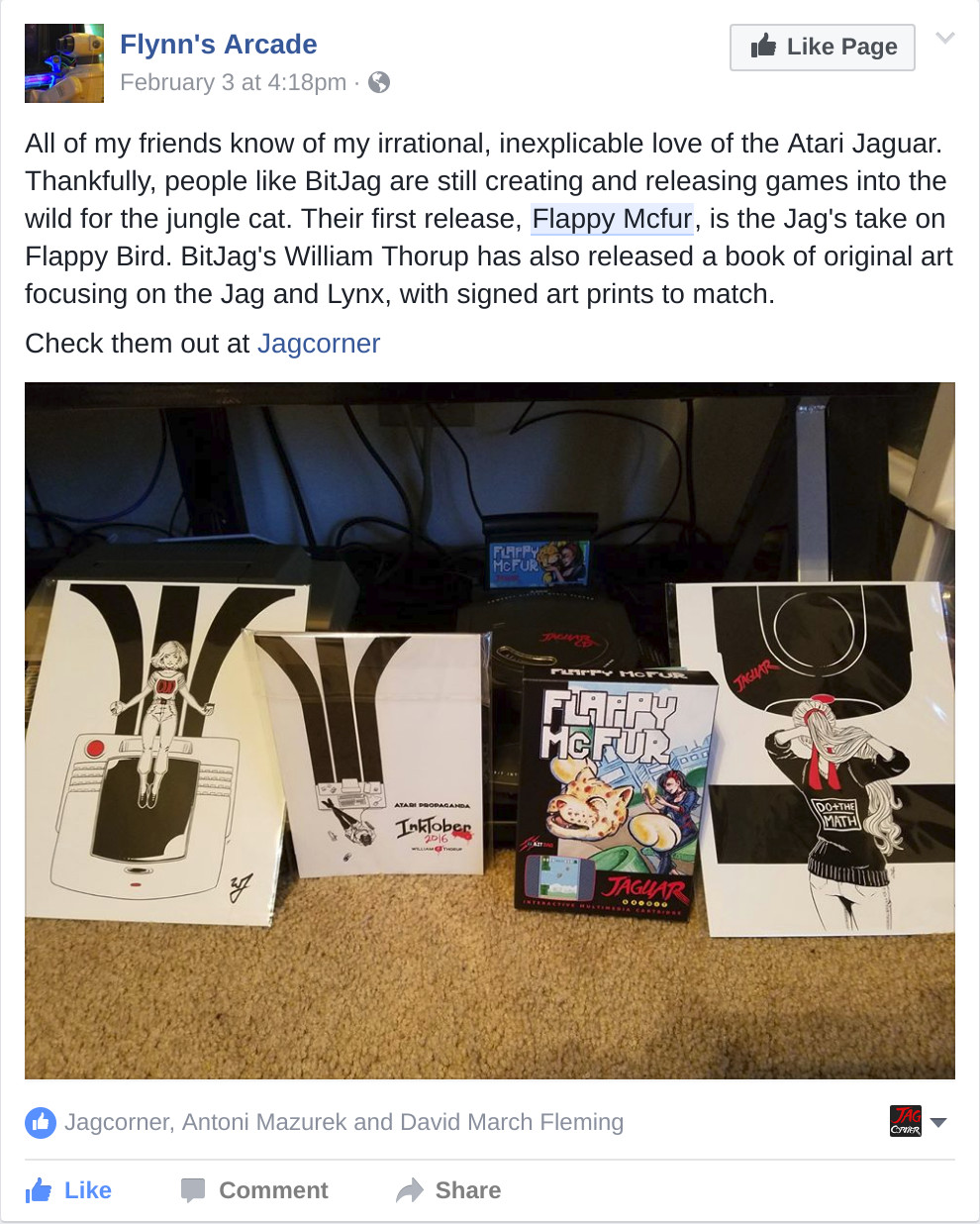
The first illustration was used to establish the character relationship and heavily influenced the game in both tone and narrative. The colored pencil and crayon look of the artwork was intentional as well. It gave it an elementary, non serious feeling throughout, inviting everyone to come and pick up the controller and play.
Video Content
I tried to keep any video advertisement minimal since the beginning. Primarily because if how time consume it is, but also because of the uncertainty of actually releasing the game.
When we decided to actually finish up the game and release, effort was spent to get a good video for advertising the game, and a good gameplay video. At the end of the day, I am not too sure how much these videos helped at the end if the day, but they were nice to have, and will be good to have for history’s sake.
The release and marketing
Newsletter
In and effort to reward our mailing list subscribers, we made sure that everyone that had signed up knew about the game first, we also provided a small discount for them as well. The discount was taken advantage of by a handful of our subscribers, and is something that we will definitely do in the future.
Press Release
It was fun to actually learn how to put a press release together for news websites. I distributed to a handful of people, with little response. Again, this was good to get familiar with, and it serves a good historical purpose. You can read the press release here.
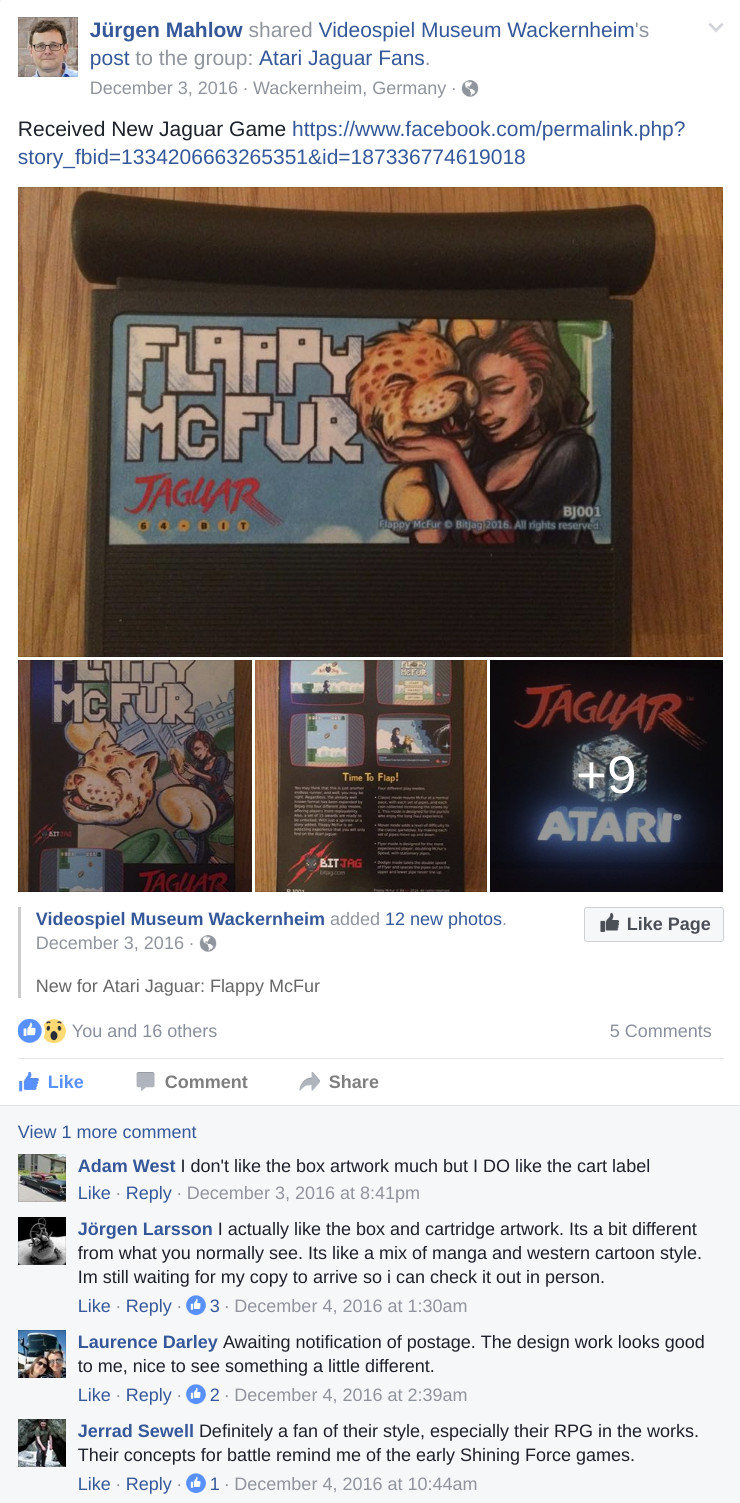
Before people actually had the game in their hands, many of the comments were about the pixel art, and general support for the release. Responses to gameplay have been… mixed, maybe. Its hard to tell if people don’t want to say anything bad about it, or they are just a bit frustrated about its’ difficulty. Either way, below are a few reactions for the AtariAge forum thread.
My wife and I enjoyed spending the evening playing Flappy McFur a couple nights ago. It’s certainly addictive. I found myself getting the controller back less and less. My wife and I probably haven’t played Jaguar together in 10+ years. She buys me Jaguar games as gifts and watches me open them. Maybe she’ll watch me play a bit. It was nice to actually play together. Thanks for the effort you put in to it!
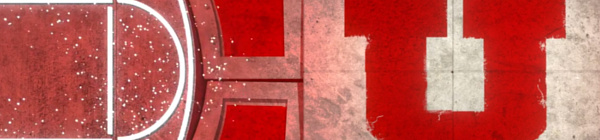
Through a few chance connections and some fun back and forth, I have a little bit of projection mapping VFX under my belt now. Th University of Utah’s athletic department a few years back invested in a floor projection solution for the Huntsman center, and they like to use it as much as they can. With the 2016 basketball season, I was able to add some of my work to the roster.
A little bit of credit needs to go around though. First my brother Jacob, for the awesome networking he does for Thor Media. Without him, we wouldn’t even have these opportunities to work on these high visibility projects. Next, Kory Mortensen. He is one of the excellent video guys on staff at the U, and through him we were able to get this job. Thanks Kory!
I don’t have allot to say about the project except that we were given quite a bit of freedom on the creative. This was in part due to the previous content that another company was producing for the court was now becoming a bit too repetitive fore the marketing direction. Another part was this turned out to be kind of a tryout for future work with the U.
After some great collaboration with the U’s marketing director we knocked this one out of the park. I am looking forward to working on more content for U, and it always feels great to get this amount of exposure for Thor Media and myself.
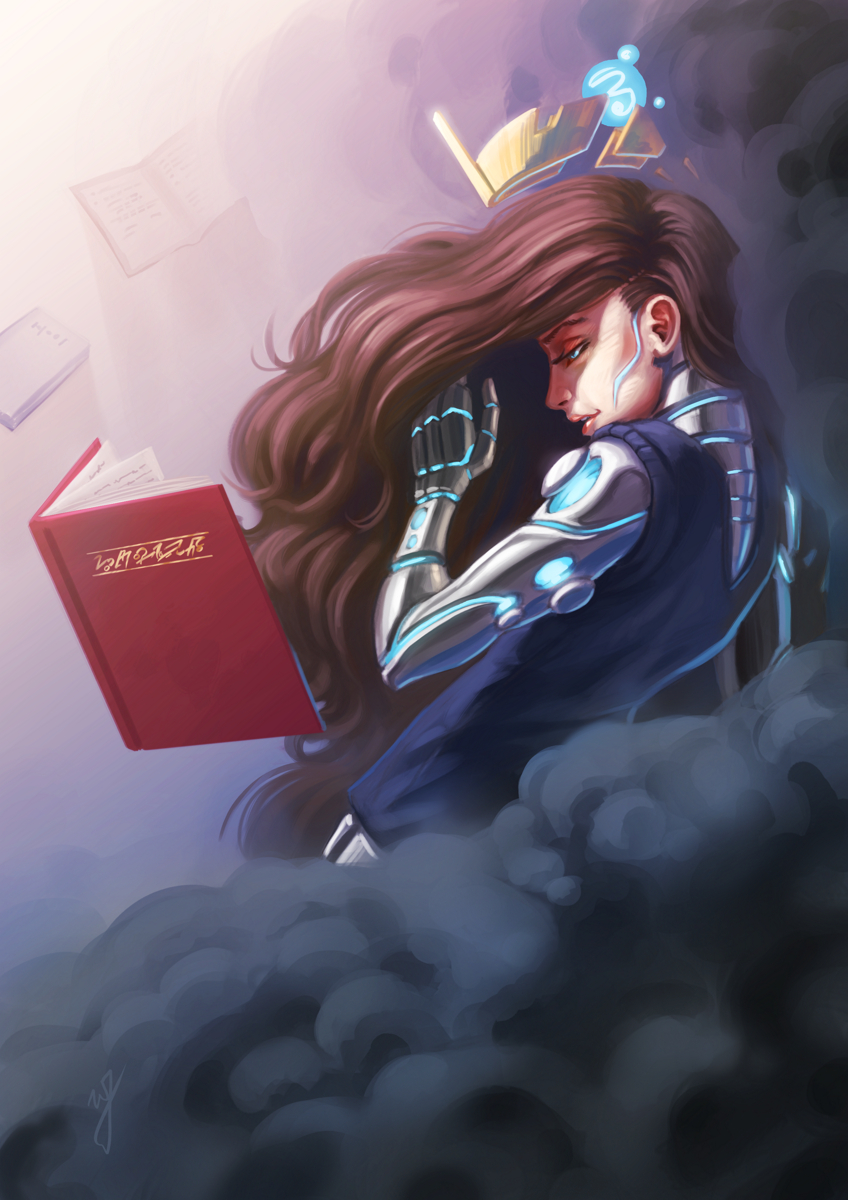
I wanted to finish one more piece before Inktober begins. I started this one over two months ago for one of the Krita forum challenges, “Futuristic Princess”. I got the sketch done at that point, but couldn’t find the motivation to finish it at the time.
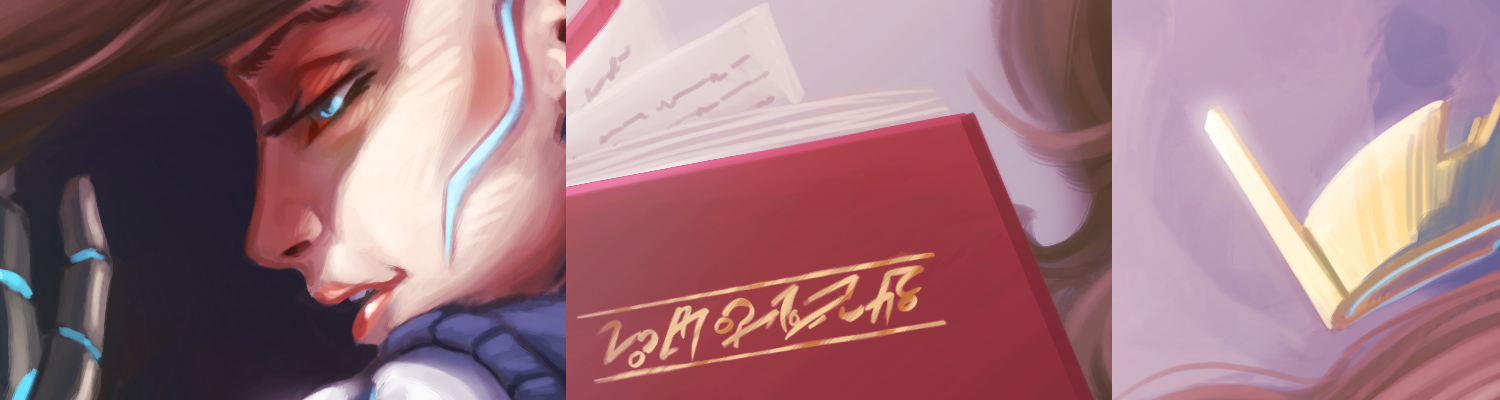
After reviewing some of my sketches and unfinished work, I decided to finish this one over the past couple days. The color scheme has been floating around in my head since I started the sketch, and I really like how it came out in the end. The depth in the clouds was fun, and also playing around with the metal materials of the characters arm and back.
I am glad that I was able to finish this one before Inktober, and I plan on submitting this for the Krita Kickstarter art book. I just need to figure out what black and white piece I want to submit along with this piece.
The people who support Krita pulled off another amazing Kickstarter this year. And in a way, they are allowing everyone to contribute on an artistic level as well. This is where my next illustration comes in.
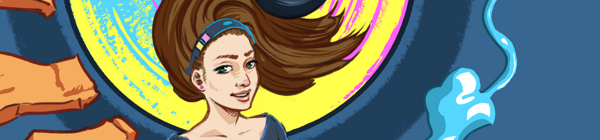
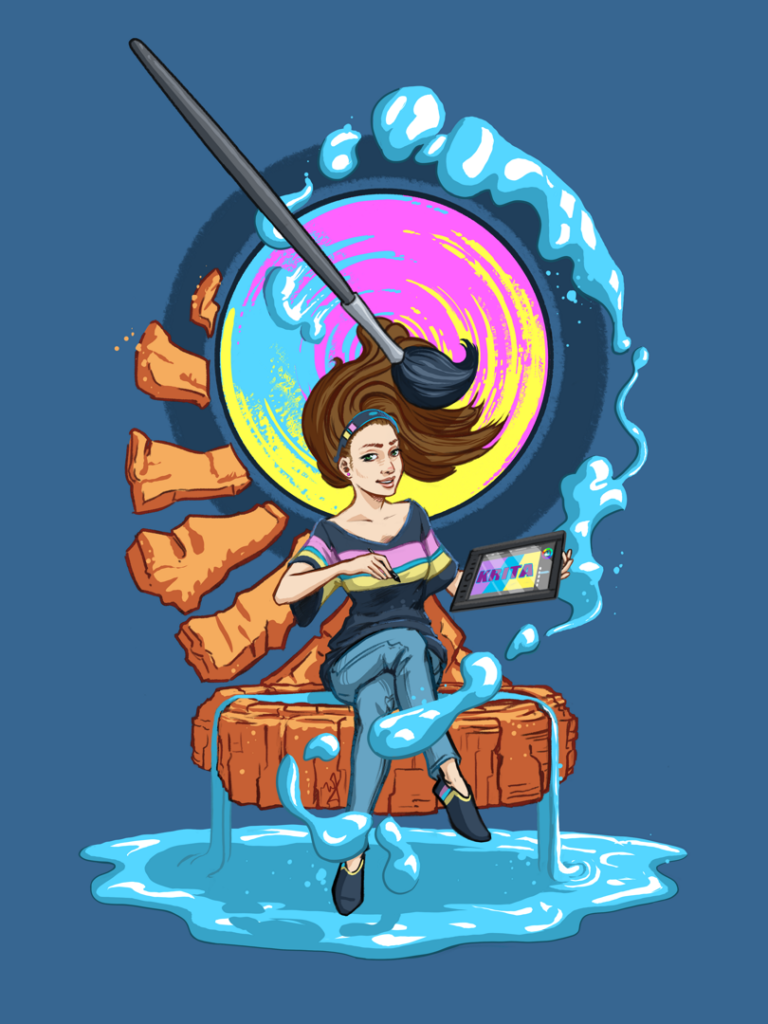
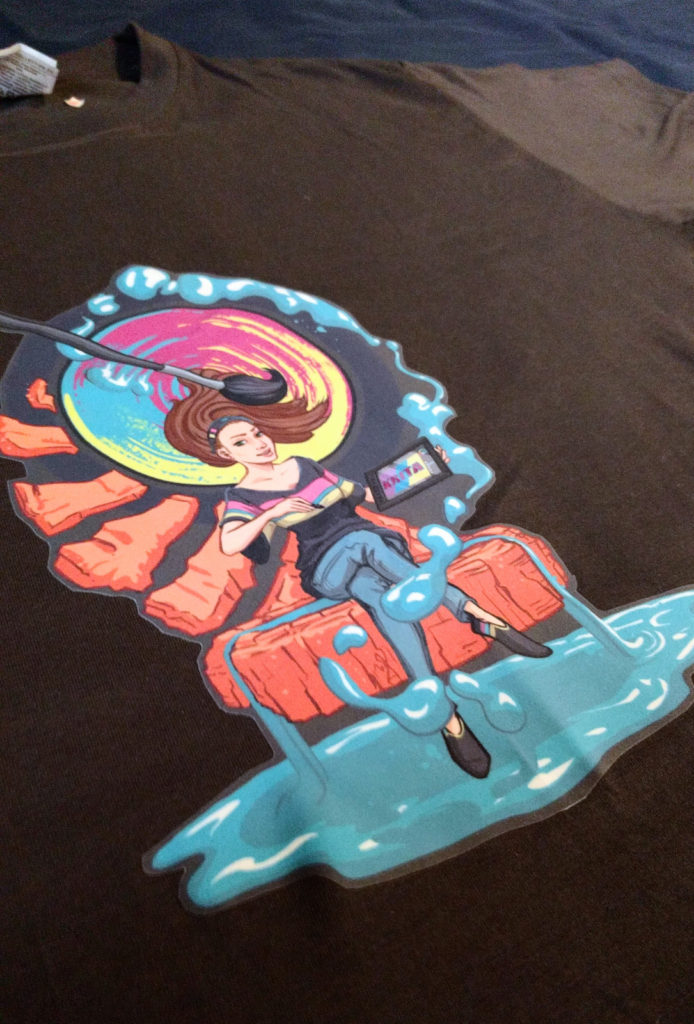
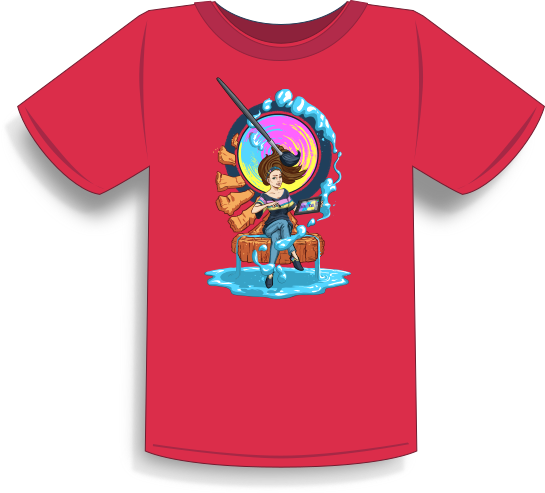
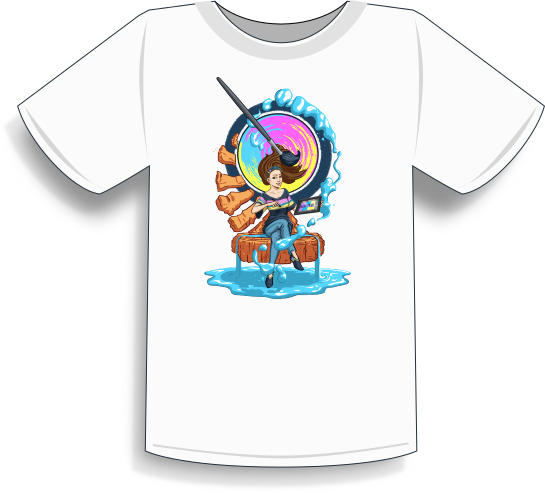
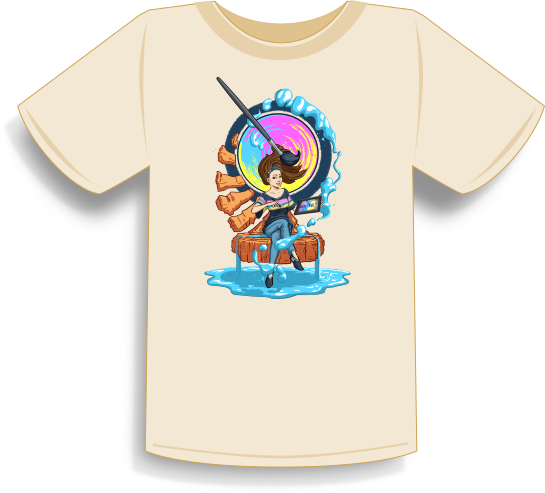
This year, along with new features for the next version of Krita, the group behind Krita is producing a book filled with art from various artists that use Krita. They are taking submissions currently, but this is for a future post. This post is about the T-Shirt design challenge on the Krita forum. This is something that I could not simply pass up.
With this much freedom I wasn’t sure how to start.
The topic was “Flow”, and nothing else. With this much freedom I wasn’t sure how to start. So taking to the great library that is Google, I started doing searches for the word “Flow”. Synonyms, images, music, etc… all to draw inspiration from. I eventually started thinking about my home here in Utah, and challenged myself to think of the things that are generally attractive that could relate to “Flow”. This led me to the most unlikely of places when someone things of the word “Flow. Southern Utah, a dry desert, and almost the exact antithesis of the word “Flow”.
The reason why I was brought to this place was the color of the rocks. For those of you who aren’t familiar with Southern Utah, the rock can be very red in places. This went well with some of the other notes I had written down at this point for the painting, which included the colors from Krita’s logo. The red of the rocks of Southern Utah would provide a good and attractive contrast to the blue floating paint I already had in mind before I had put pencil to paper.
…I realized that message wasn’t in the detail of the rock, but instead in the very nature of the rocks
But this was the catalysis to a greater idea, and one that I think is what brought the painting together in it’s last stages. If you watch the time lapse video, you will see this in action, but I first draw the rocks with detail, and symmetrically. This looked “Okay” but it didn’t seem to fit, but soon after spending a while drawing detail into these rocks, I realized
that message wasn’t in the detail of the rock, but instead in the very nature of the rocks. The juxtaposition of the rock against the flowing nature of paint was the key, as I discovered a way to include the rocks in a more harmonious way than before. By focusing on the silhouette and the visual movement of the rock, instead of the rocks themselves.
So now the flow of the paint, and the flow of the rock, mirror each other, matching the “S” curve of the woman, and just tying everything together in a neat little package.
At the time of writing this, voting has opened for challenge, and even if I don’t get the most votes, I am still very proud of the piece, and the troubleshooting opportunity that it presented.
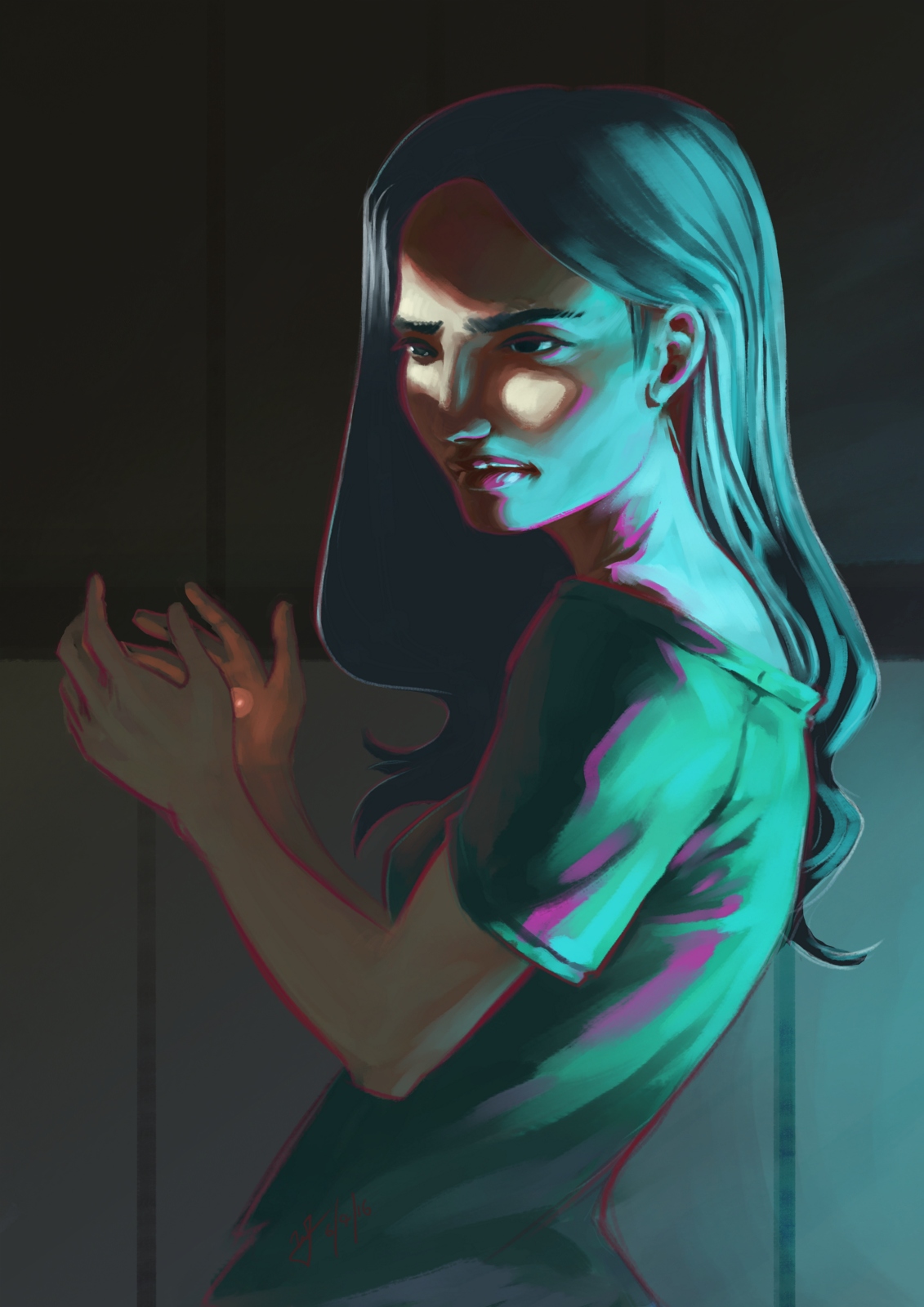
Working with some different brushes in Krita, and pushing myself a bit with some different kind of lighting challenges. This piece was also a bit inspired by the The Art of Loish, a recent Kickstarter art book I received.
I really enjoy Loish’s style, with her use of a stark outline colors to break her subjects away from the rest of the painting. She also shows a clever use of color in general, and again, very appealing all around. Some of the elements in my painting were inspired by these things, in the sense of picking an interesting palette to work with, and a unusual lighting setup to help push those colors a bit.
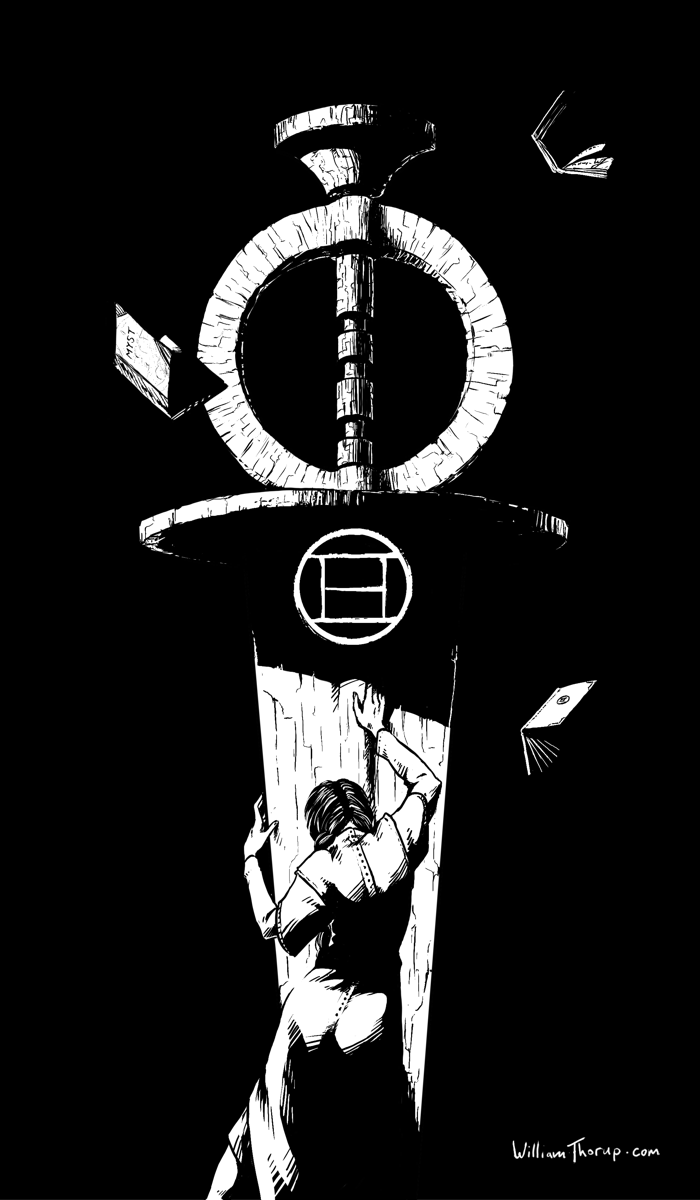
Mysterium, the Myst convention, is making its way to my hometown this year, and they had open submissions for art for their convention book. I caught wind of this just a few days before submissions were due, but I couldn’t miss the chance to show a little Myst fandom.
(SPOILERS AHEAD in the next paragraph, no spoilers after this next paragraph)
This pieces features Catherine in a state of remorse for the burden of being able to create ages (worlds that are created by writing books, which you can then enter into), but unable to save them. The Moiety Dagger is a symbol of the group that she helped in Riven (Age 5), and despite her efforts, the age still fell apart. Even though she did not write the Riven age, she must feel the burden that any world she creates has the potential to fail, with the loss of life.
I have very fond memories of this game, as I used to watch my oldest sister play it, along with with a few of my other siblings, when I was young. I was always fascinated by the environments, and the immersive sense of foreboding that engulfs the game. As I got older, and was able to solve some of the puzzles, the game became even more immersive for me, and I was hooked. I soon played Riven, and Exile (Myst III) and the experience was further enhanced by better audio better graphics, more acting, and an even more engrossing story.
The story is simply awesome. Taking steam-punk elements and god-like powers of creating worlds and people, with the premise of absolute power corrupts absolutely and what do you do when it does corrupt, is fascinating, and makes for a unique adventure with every game. This includes the three novels as well, well written, and a must read for Myst fans.
A may do a few more illustrations based on the some of the other thumbnail sketches future.